
Herbal Profile
Basil
Ocimum basilicum
Family: Lamiaceae (Mint family)
Also known as: Sweet basil
Pronounced “BAY-zuhl”
At a Glance
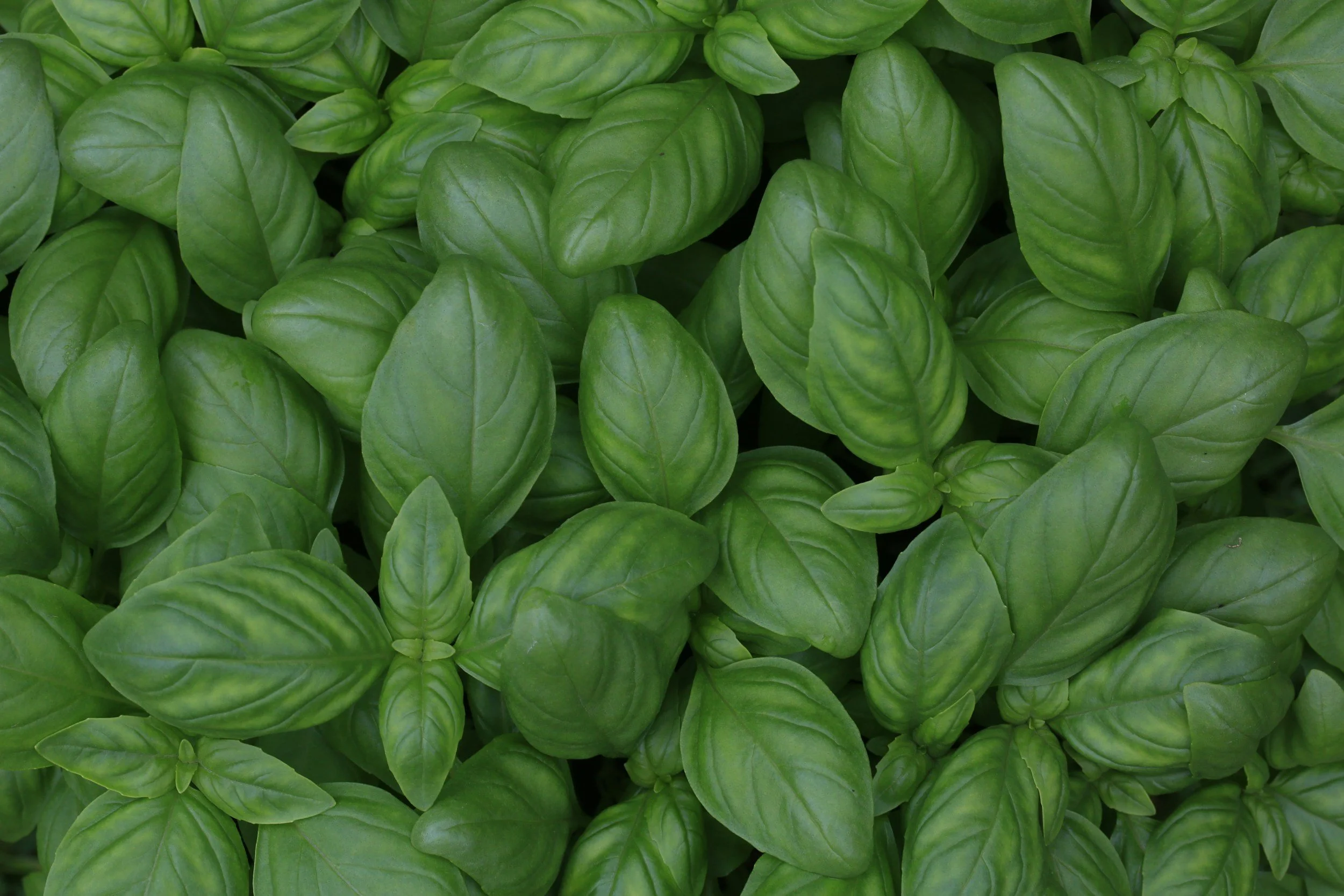
Basil is a fragrant, fast-growing annual herb best known for its bright green leaves and unmistakable aroma. Deeply rooted in culinary traditions around the world, it also carries symbolic, folk, and herbal significance. Basil is commonly associated with Culinary, Medicinal, Metaphysical/ Spiritual, Crafting, Cosmetic, and Herbal Tea uses.
Read to the end for all details.
Traditional & Common Uses
Basil has long been valued as both a kitchen staple and a folk magic herb, with uses shaped by regional cuisines, seasonal rhythms, and cultural traditions, as described below.
-

Culinary
Basil is one of the most widely used culinary herbs, especially in Mediterranean, Southeast Asian, and Middle Eastern cooking.
Traditionally used fresh, it adds a sweet, peppery flavor to sauces, salads, vegetables, and oils. Drying softens its intensity, making it useful in seasoning blends and preserved dishes.
Fresh leaves and flowers are used to garnish pastries, salads, and cocktails; to create infused syrups & oils; for basil-infused syrups for drinks or vinaigrettes for salads; and to make a delightful basil salt.
-
Medicinal
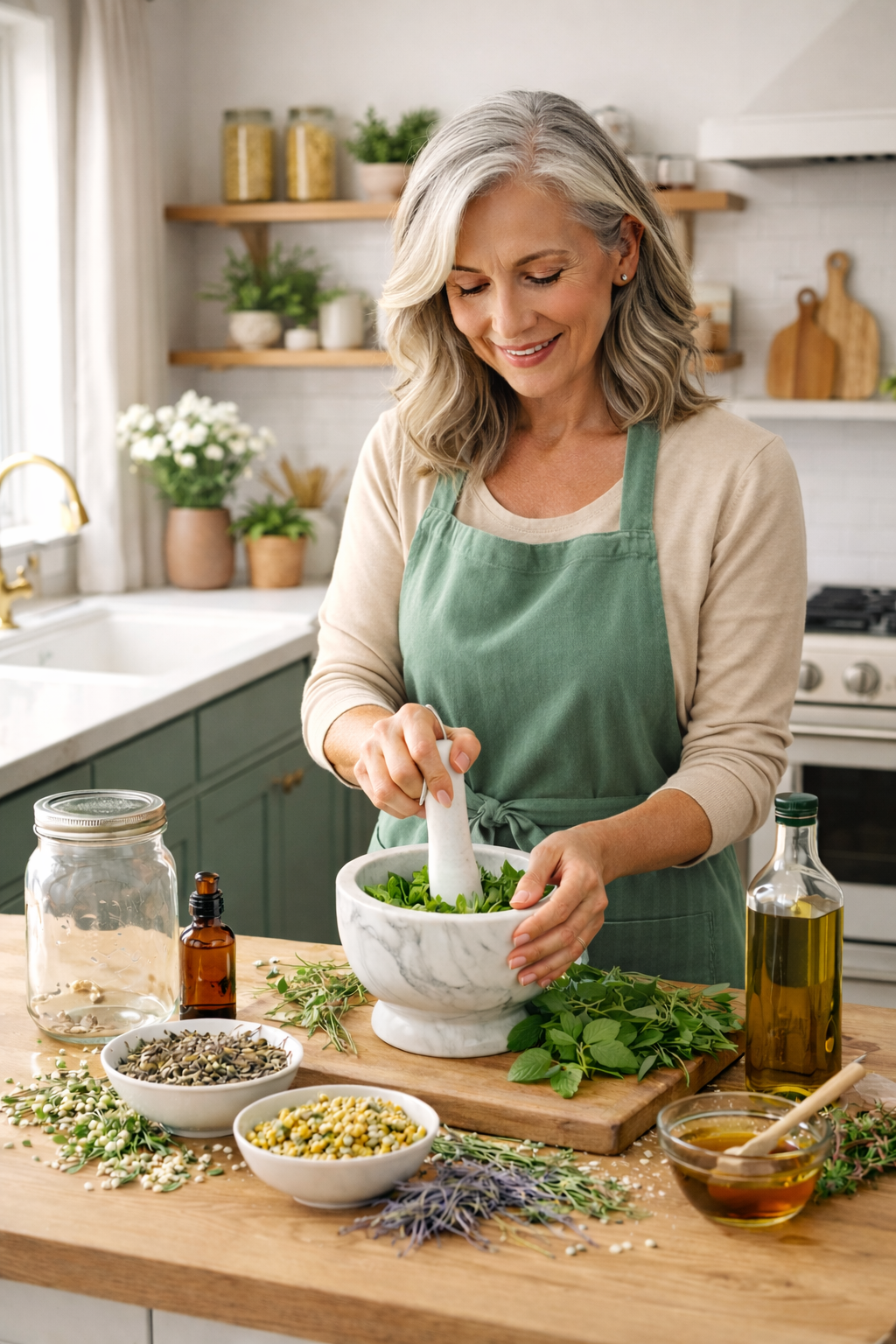
In traditional herbal practices, basil has appeared in teas, infused oils, and herbal remedies, often used gently and short-term rather than as a long-term tonic. Basil boasts medicinal properties like potent antioxidants, anti-inflammatory, antibacterial, and adaptogenic effects, thanks to compounds such as eugenol and linalool, helping with stress, blood sugar, heart health, digestion, and fighting infections.
Key Medicinal Properties & Benefits: Antioxidant & Anti-inflammatory: Fights free radicals and reduces inflammation, potentially lowering risks for arthritis, heart disease, and diabetes; Stress & Mental Health: Acts as an adaptogen, helping the body cope with stress, improving mood, and easing anxiety; Digestive Aid: Soothes indigestion, reduces gas, and relieves constipation; Blood Sugar Regulation: May help lower blood sugar levels and improve insulin sensitivity; Heart Health: Eugenol can block calcium channels to lower blood pressure. It also helps lower cholesterol & triglycerides; Antimicrobial: Its essential oils fight bacteria, fungi, and viruses, protecting against infections. It is a Nutrient-Rich source of Vitamin K, magnesium, iron, and zinc, supporting bone health, immunity, and blood.
-
Metaphysical/Spiritual
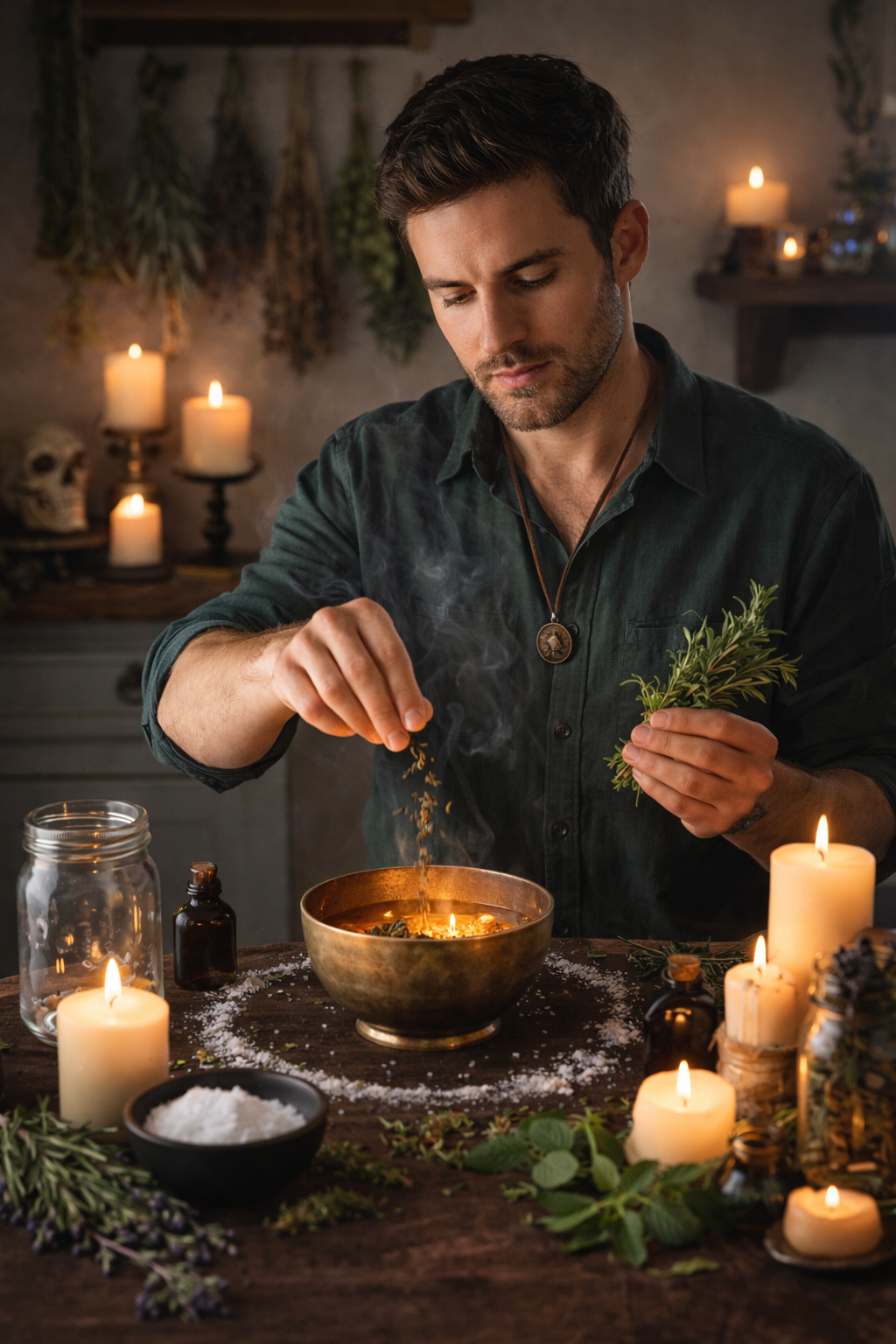
Basil has a long-standing symbolic presence in many cultures, where it has traditionally been included in household blessings, charm work, and rituals centered on harmony and abundance.
Basil's metaphysical properties center on love, protection, prosperity, clarity and purification, making it a versatile herb for attracting good fortune, strengthening relationships, warding off negativity, and boosting courage. It is often linked to deities like Vishnu and associated with the fiery element for passion and power. It's used in spells for wealth, fidelity, mental clarity, and to clear negative energies, symbolizing happiness and compassion.
Additional Ritual & Folklore Uses: Offerings: Sacred to Hindu deities like Vishnu and Krishna; used in funeral rites to guide the deceased to the spirit world; Incense/Bath: Burned for purification or added to baths for self-love and spirit clearing; Divination: Throwing leaves on hot coals reveals relationship tension.
-
Artistic/Crafting
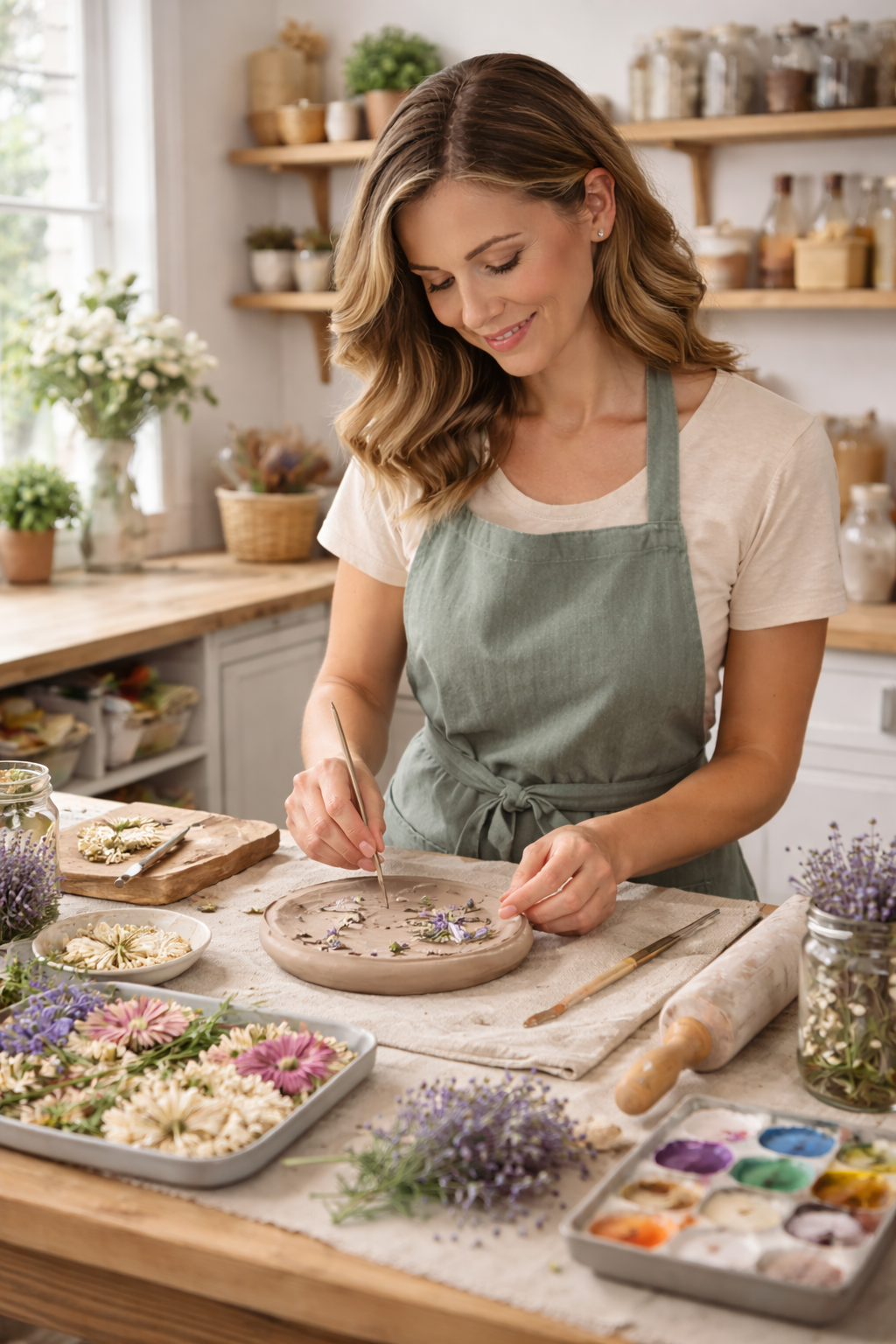
Basil is used creatively in crafts for its scent, color, and symbolic meanings, appearing in herbal wreaths, potpourri, homemade soaps, and even as a stencil for painting, while its essential oil is used for aromatherapy in candles and room sprays.
-

Cosmetic
Basil has been used in traditional skincare and hair-care preparations, valued for its fresh scent. It can be included in infused oils, rinses, soaps, bath salts, and massage oils for relaxation and scent.
-
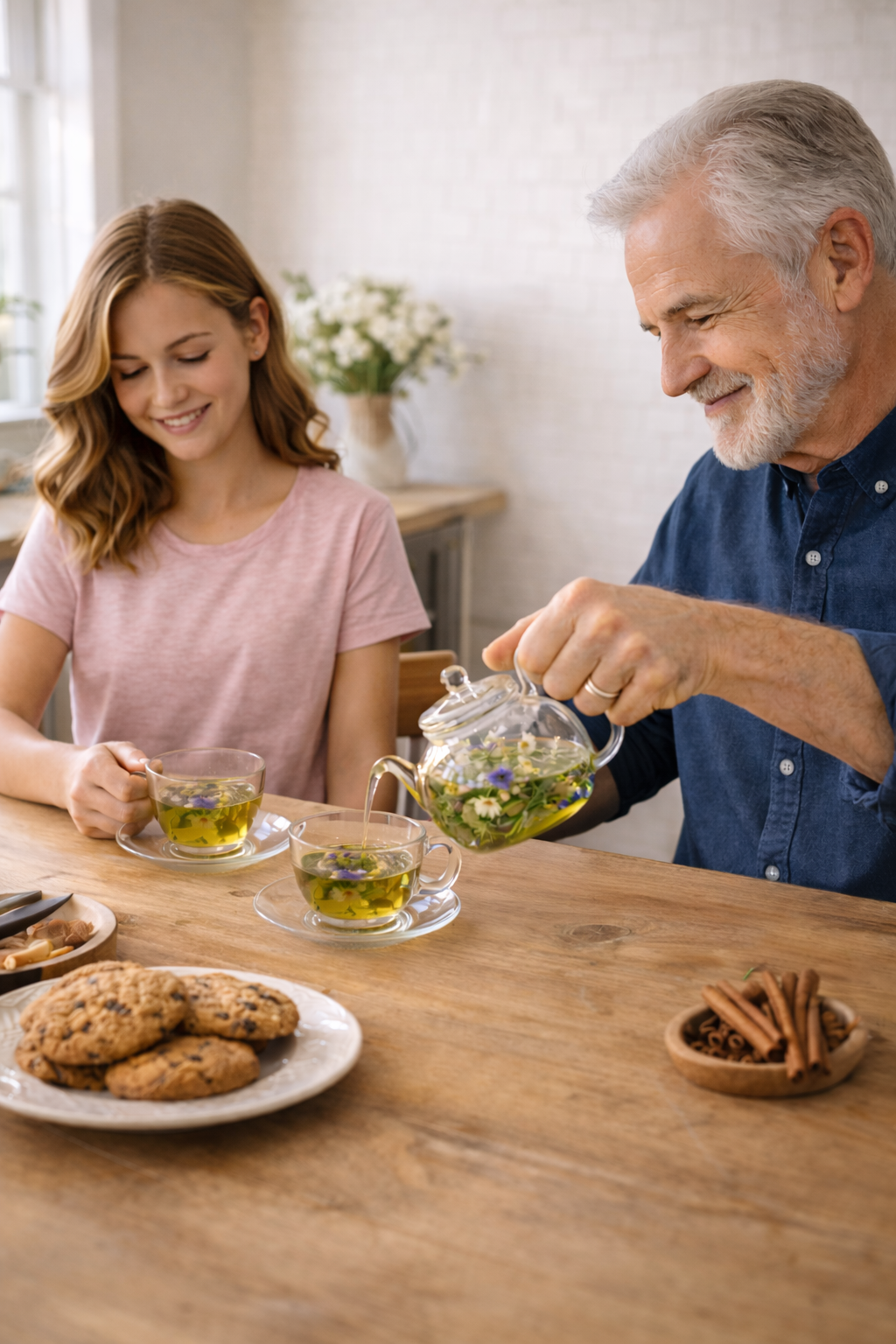
Herbal Teas
Basil can be prepared as a light herbal infusion with a fresh, slightly spicy flavor. It is often enjoyed alone or blended with citrusy or floral herbs for a bright, uplifting tea.
Our Current Relationship With This Plant
Basil is a plant that keeps us attentive. It grows quickly, responds immediately to harvest, and teaches us about timing and care. It is one of the first herbs we started growing, and it is one of my personal favorites.
Learn more about how we grow and harvest our herbs.
Typical Availability
Late Spring–Early Fall: Fresh basil
Year Round: Dried basil
Form: Fresh bunches, loose dried leaf
Plant Starts: Possibly available in spring
Visit our Farm Products page for current availability.
A Gentle Note
Basil is generally considered a gentle, everyday herb when used in typical culinary and folk medicinal amounts. As with many aromatic herbs, more concentrated preparations (such as in herbal essential oil form) might not be appropriate for everyone.
Information here reflects traditional use, observation, and personal experience, shared for educational purposes. How a plant is used—or whether it’s appropriate for you—can vary. Please research individual herbs or consult a qualified professional when needed.