
Herbal Profile
Calendula
Calendula Officinalis
Family: Asteraceae
Pronounced “kuh-LEND-u-la”
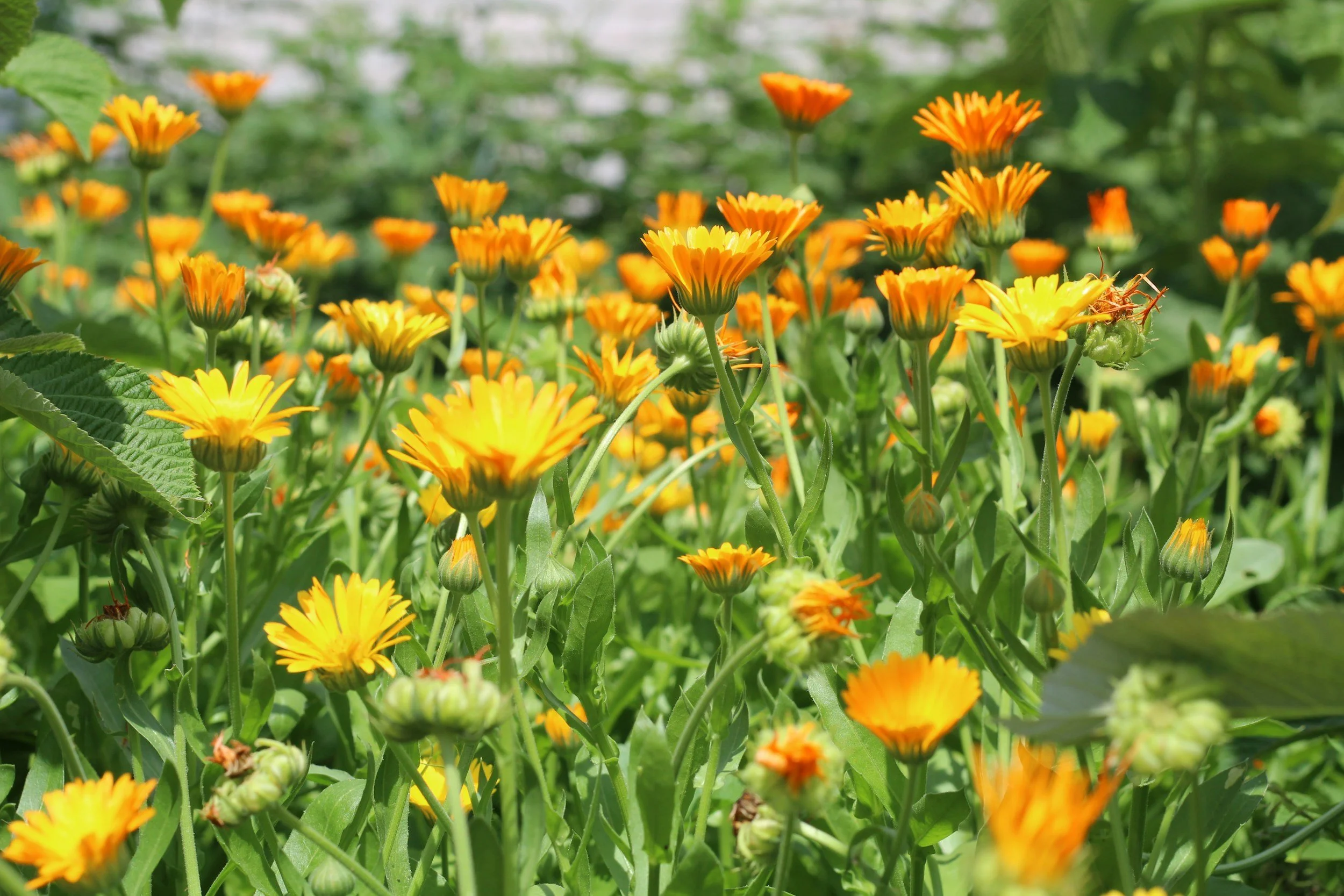
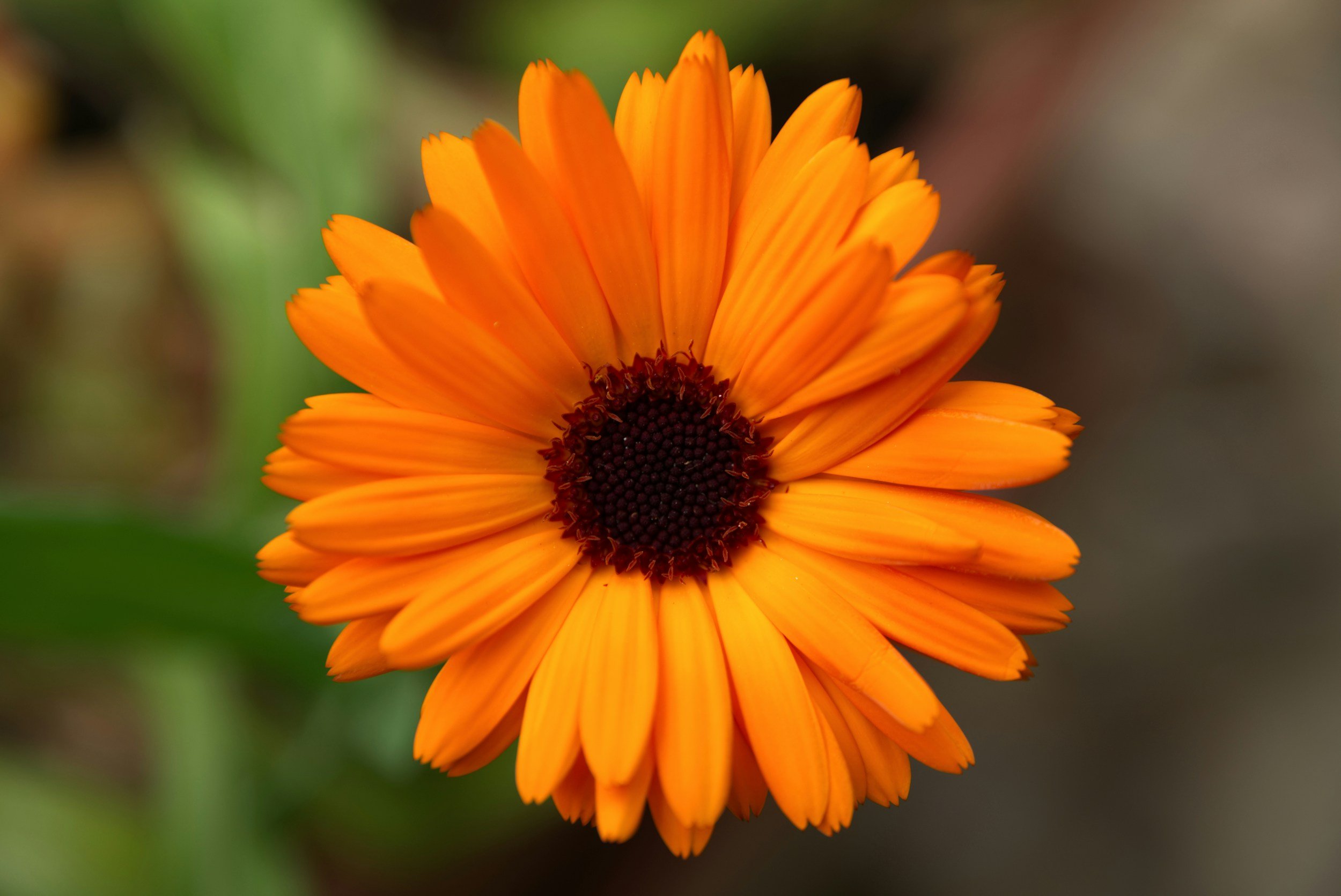
At a Glance
Calendula, commonly known as pot marigold, is a cheerful, sun-loving annual (and sometimes perineal) known for its vivid orange and yellow blooms. It’s a plant that brings both beauty and usefulness wherever it grows.
Read to the end for all details.
Traditional & Common Uses
Herbs and flowers often serve more than one purpose, and calendula is a classic example of a plant valued for both its appearance and its gentle versatility, as described below.
-

Culinary
Calendula petals have traditionally been used as a colorful garnish in salads, butters, and baked goods. Sometimes called “poor man’s saffron,” the petals have also been used — historically — to add color to dishes rather than flavor.
-
Medicinal
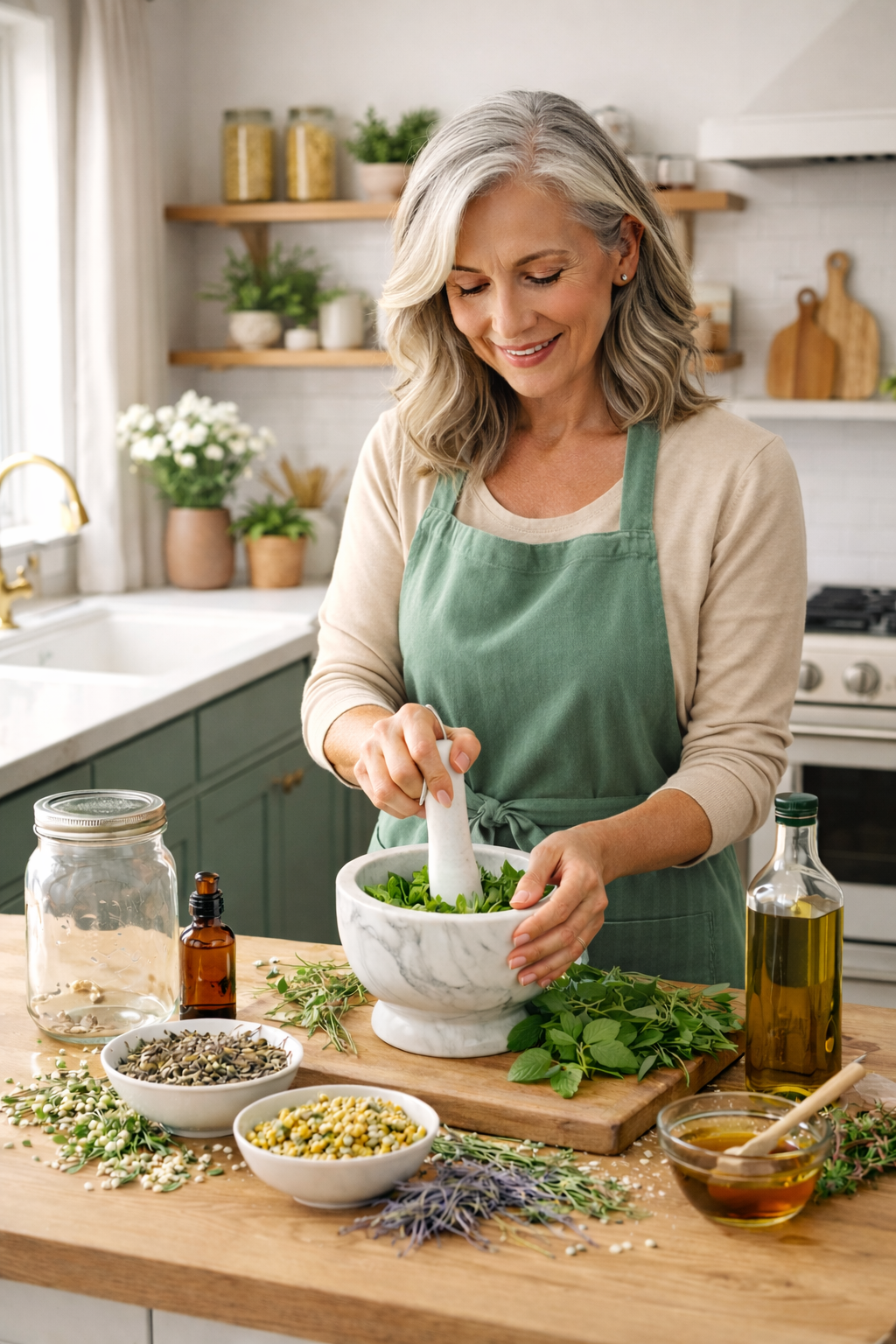
Calendula has a long history in traditional home herbalism, particularly in topical preparations. Historically, it has been used in salves, oils, and washes as part of everyday skin care. It is a powerful herb known for its anti-inflammatory, antimicrobial, and wound-healing properties, rich in flavonoids and antioxidants that fight germs and speed up tissue repair for cuts, burns, bruises, and skin irritations. It also benefits digestive and oral health when used as tea or in topical remedies.
-
Metaphysical/Spiritual
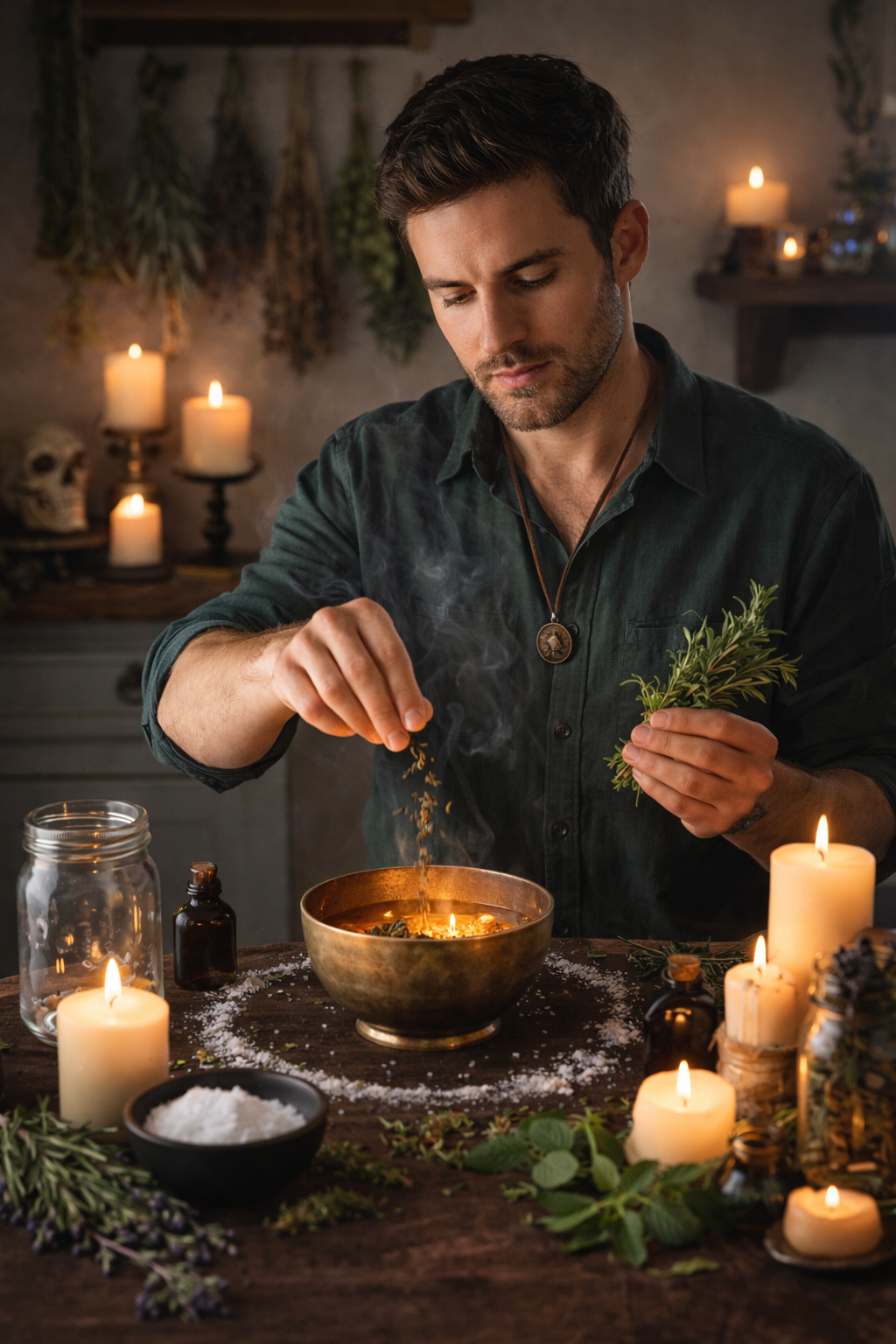
In various traditions, calendula is often included in seasonal rituals, offerings, and symbolic practices connected to light and renewal. Calendula's metaphysical properties center around sun energy, protection, healing, prosperity, and psychic awareness, linked to its bright, sun-following blooms and ability to promote joy and vitality. It is used in spells for wealth, love, spiritual cleansing, prophetic dreams, and attracting admiration.
-
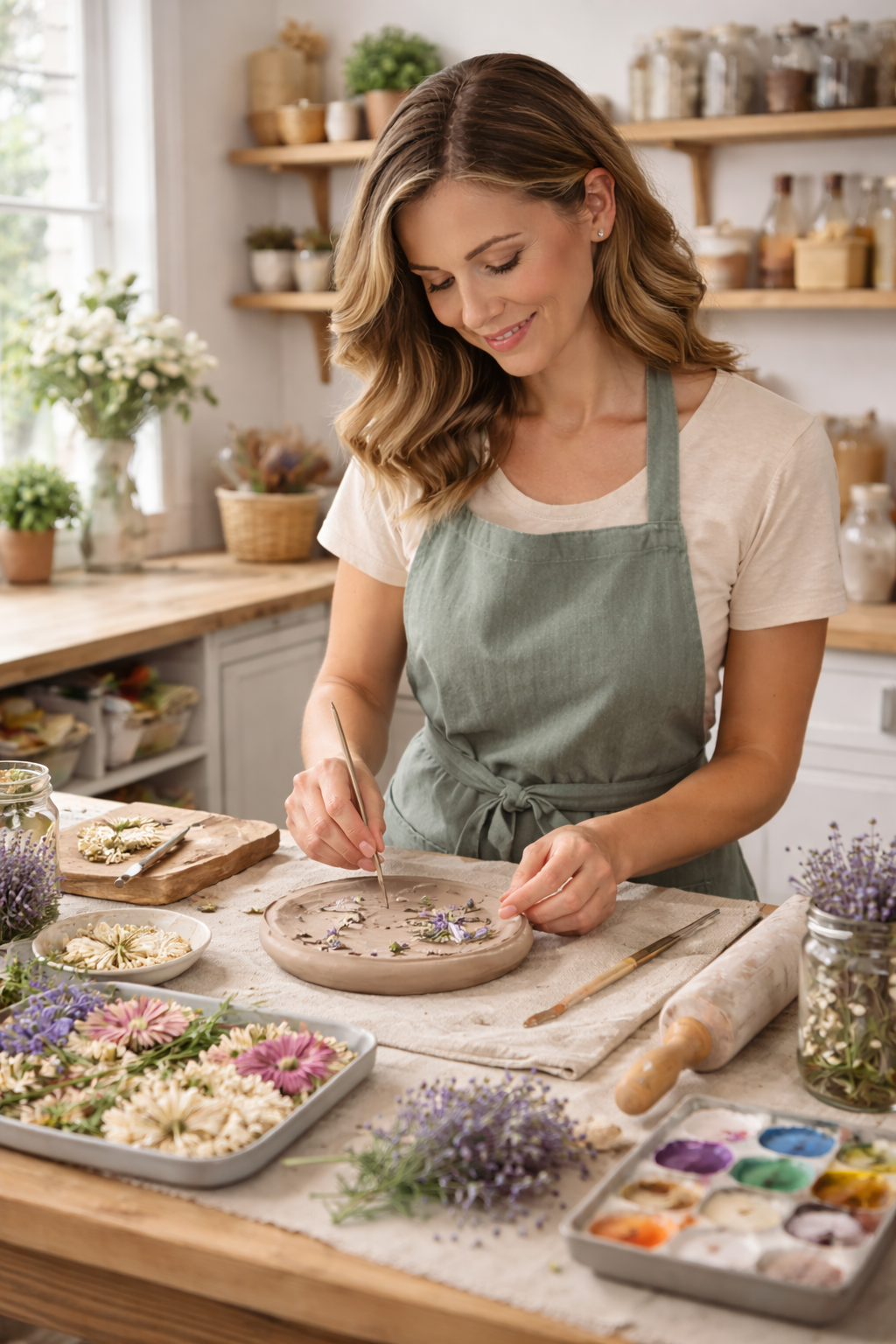
Artistic/Crafting
With its bold petals and long-lasting color, calendula is well suited for drying, pressing, and craft work. It’s often used in natural dyes, decorative blends, and handmade projects that celebrate color and texture.
-

Cosmetic
Calendula is widely known in traditional cosmetic and body-care preparations. Infused oils made from the flowers have long been used in soaps, creams, and salves, valued for their gentle nature and bright color. It is rich in flavonoids and antioxidants that soothe skin and boost collagen.
-
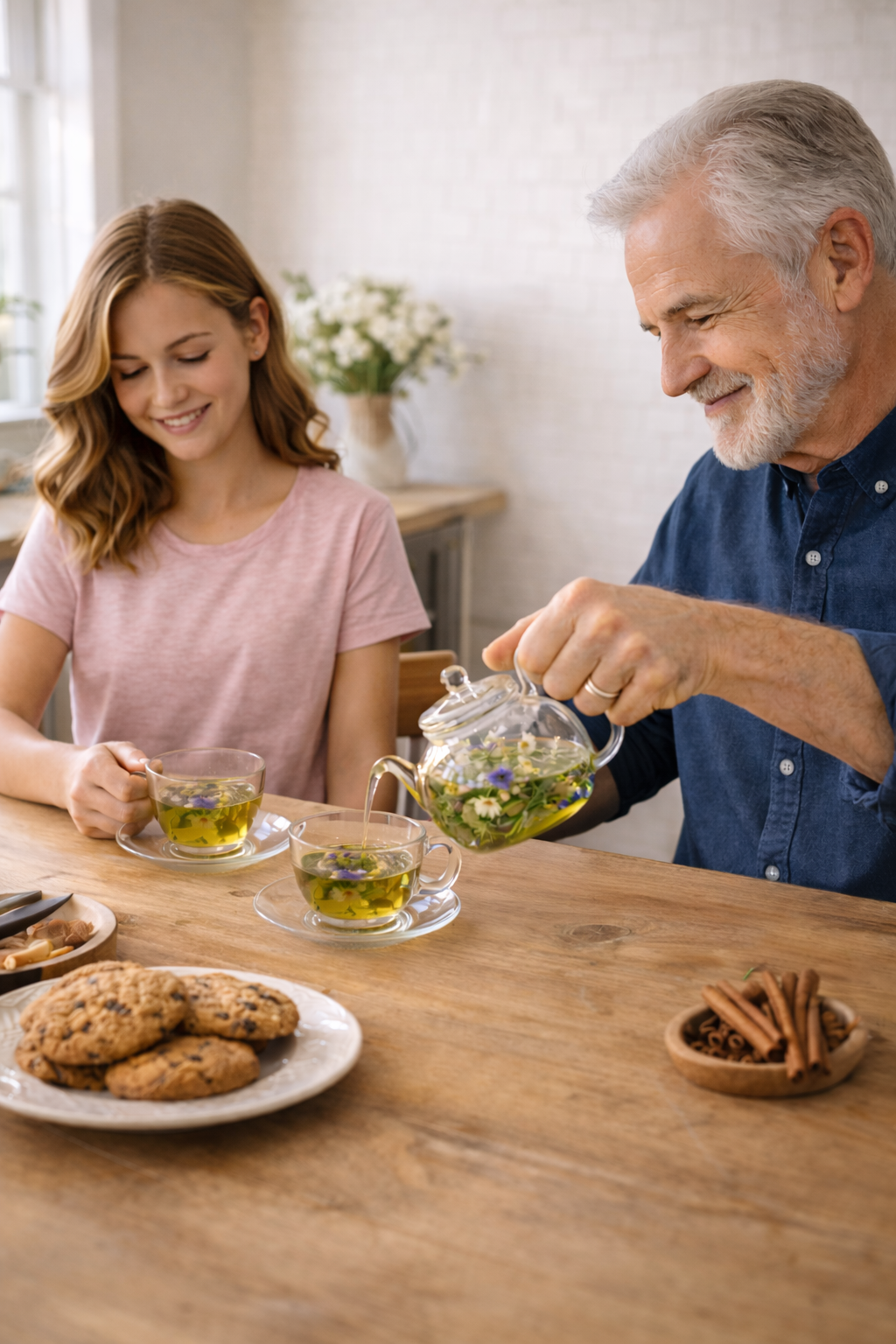
Herbal Teas
Calendula petals are sometimes included in herbal tea blends, where they add visual appeal and a mild, slightly earthy note. They are more commonly used as a supporting herb rather than a stand-alone tea. We use Calendula in our Citrus Bloom flavor infusion for herbal tea.
Our Current Relationship With This Plant
Calendula is grown intentionally in our garden beds (and it sometimes grows wild in the nearby fields). It is easy to grow, quick to respond, and happy to be gathered often. It is a plant that represents enduring presence and hope for the future. I’ve peeked out my winter window many times to find bright yellow blooms, even surrounded by a snowy blanket. Although considered an annual, we have a few volunteer plants that have been with us for years. Calendula will always be an important presence on our farm.
Learn more about how we grow and harvest our herbs.
Typical Availability
Winter: Dried and sometimes fresh blooms
Spring, Summer & Fall: Fresh & dried
Plant Starts: possibly available in the spring
Check the Farm Products page for current availability.
A Gentle Note
While calendula is generally considered safe for most people, there are several important precautions and potential interactions to be aware of:
Avoid during pregnancy . When taken orally, it may theoretically interfere with conception or cause a miscarriage because of its traditional use to promote menstruation.
Calendula may cause excessive drowsiness or affect blood pressure when combined with anesthesia and other medications used during and after surgery.
Information here reflects traditional use, observation, and personal experience, shared for educational purposes. How a plant is used—or whether it’s appropriate for you—can vary. Please research individual herbs or consult a qualified professional when needed.