
Herbal Profile
Chamomile
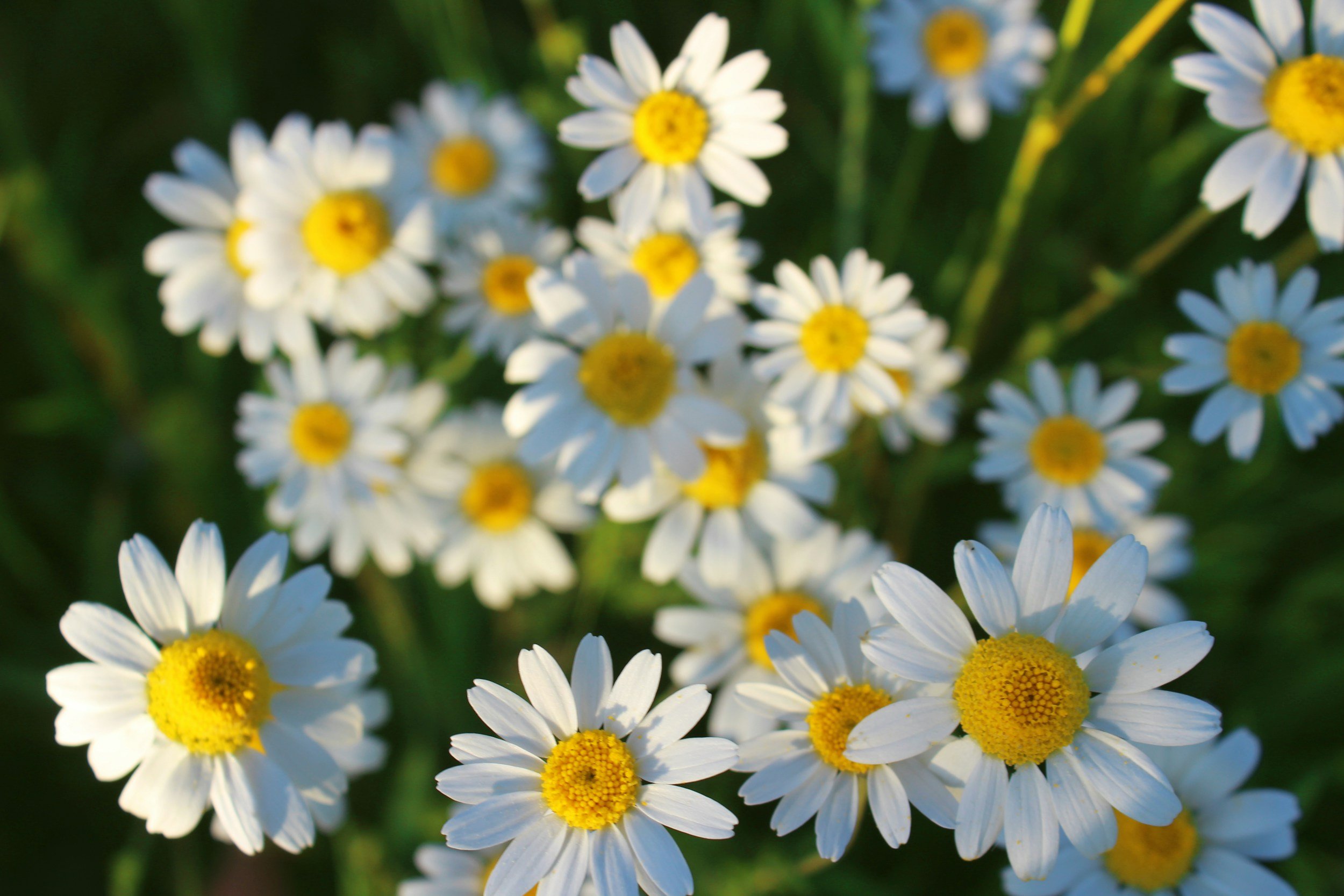
Matricaria chamomilla (German chamomile)
Family: Asteraceae (Sunflower family)
Also known as: Blue chamomile, wild chamomile
Pronounced “KAM-uh-meel” or “KAM-uh-mile”
At a Glance
Chamomile is a delicately scented annual known for its small daisy-like flowers and apple-sweet aroma. Long treasured as a household herb, chamomile has been used across cultures for comfort, calm, and gentle care. Chamomile is most commonly associated with Medicinal, Herbal Tea, Metaphysical/ Spiritual, Cosmetic, and Artistic/Crafting uses.
Read to the end for all details.
Traditional & Common Uses
Chamomile has been widely regarded as one of the gentlest and most approachable herbs in traditional herbalism, often associated with soothing both body and spirit. Common uses are described below:
-
Medicinal
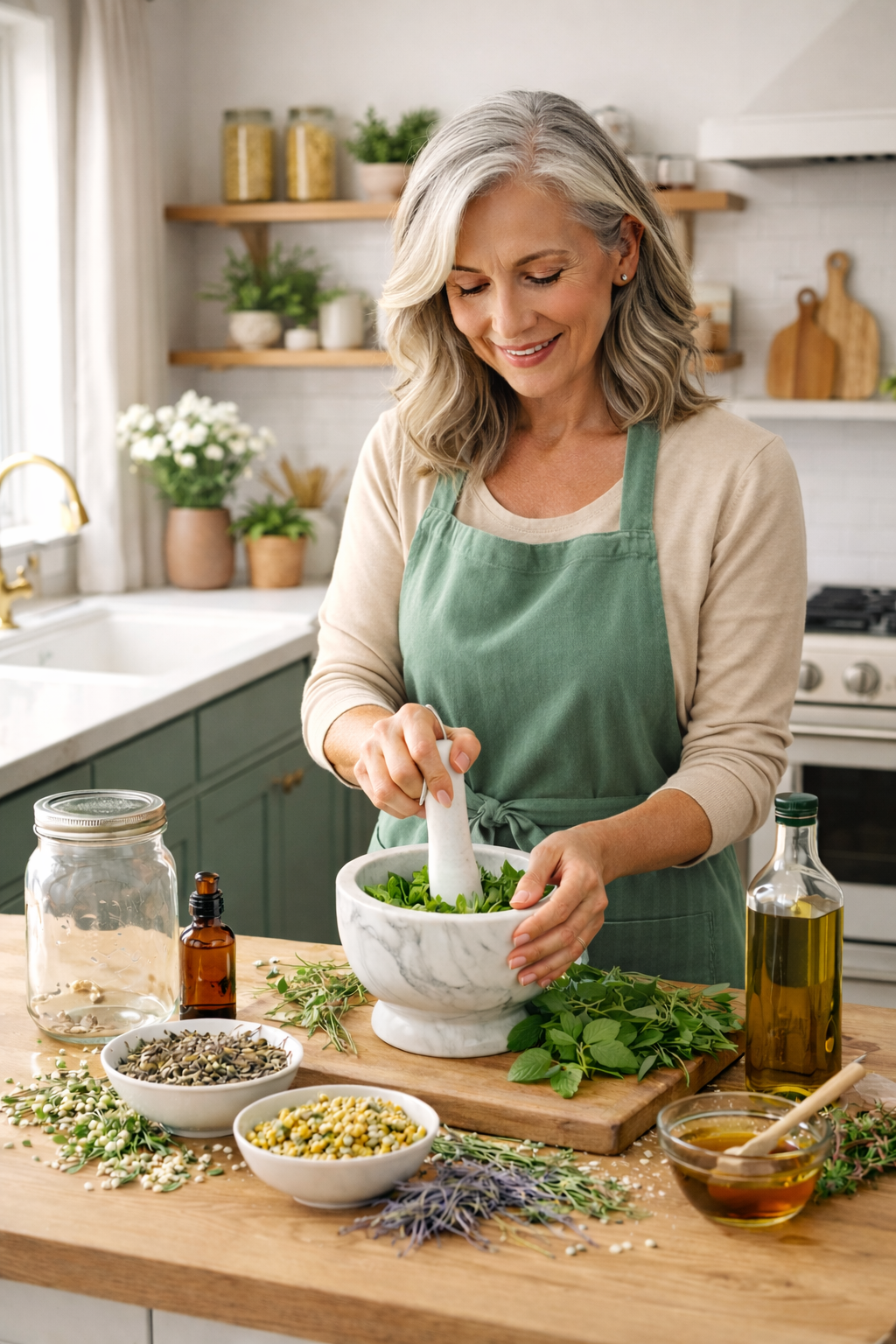
In traditional European and Middle Eastern herbalism, chamomile is associated with relaxation, digestive comfort, and gentle support for rest. Historically, it has been prepared as teas, infused oils, washes, and compresses, and was often used for children and those needing mild care.
Traditionally associated with calming the nervous system and easing digestive discomfort, chamomile flowers were most commonly prepared as light infusions or topical applications. It has also appeared in baths and skin preparations intended to soothe irritation.
-
Metaphysical/Spiritual
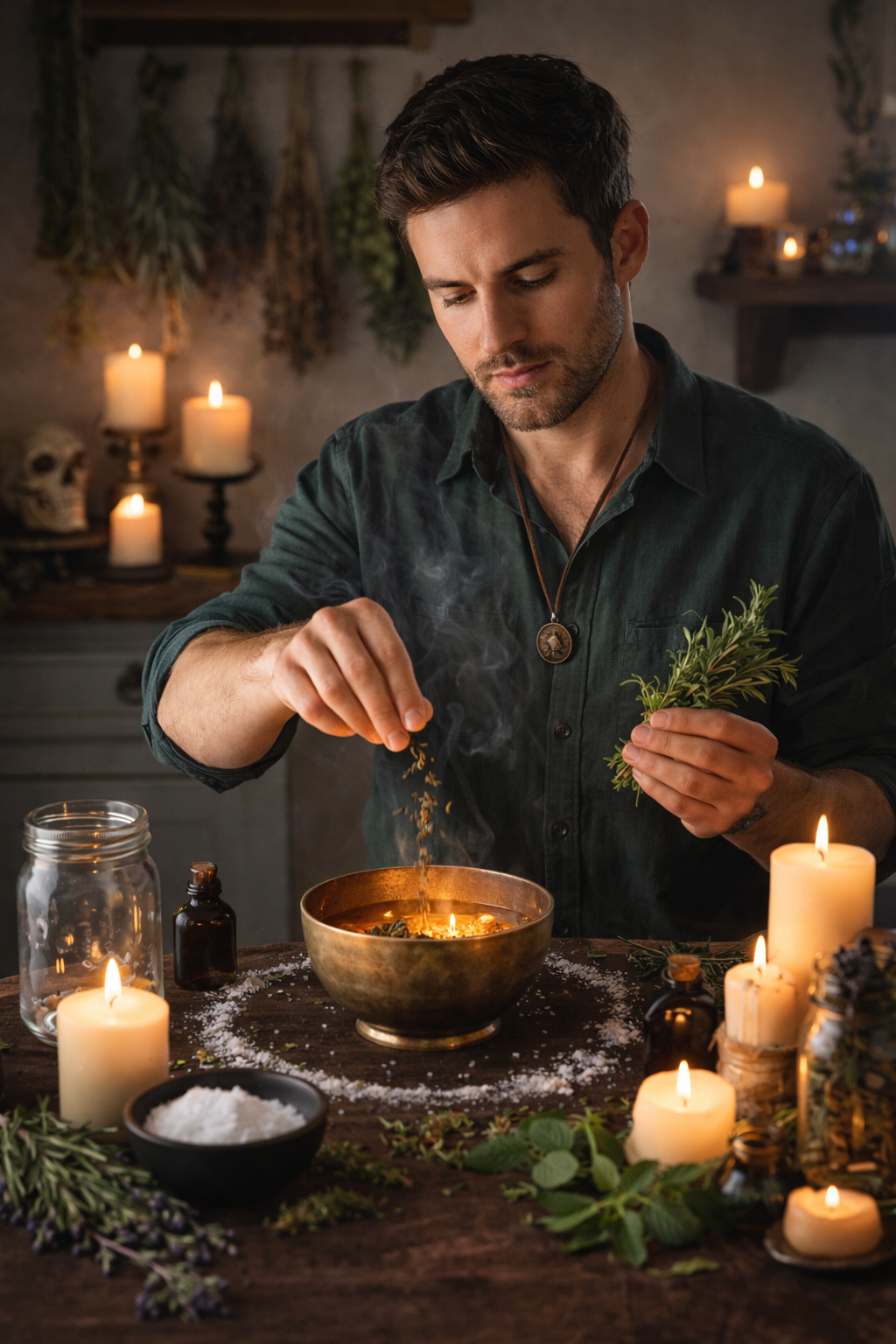
Chamomile has long been symbolically associated with peace, luck, and gentle protection. In folklore, it has been used to invite calm, encourage restful sleep, and support emotional ease.
Common metaphysical correspondences include tranquility, purification, and good fortune. Chamomile has traditionally been used in sleep sachets, calming baths, floor washes, and gentle rituals focused on rest, healing, and harmony.
-
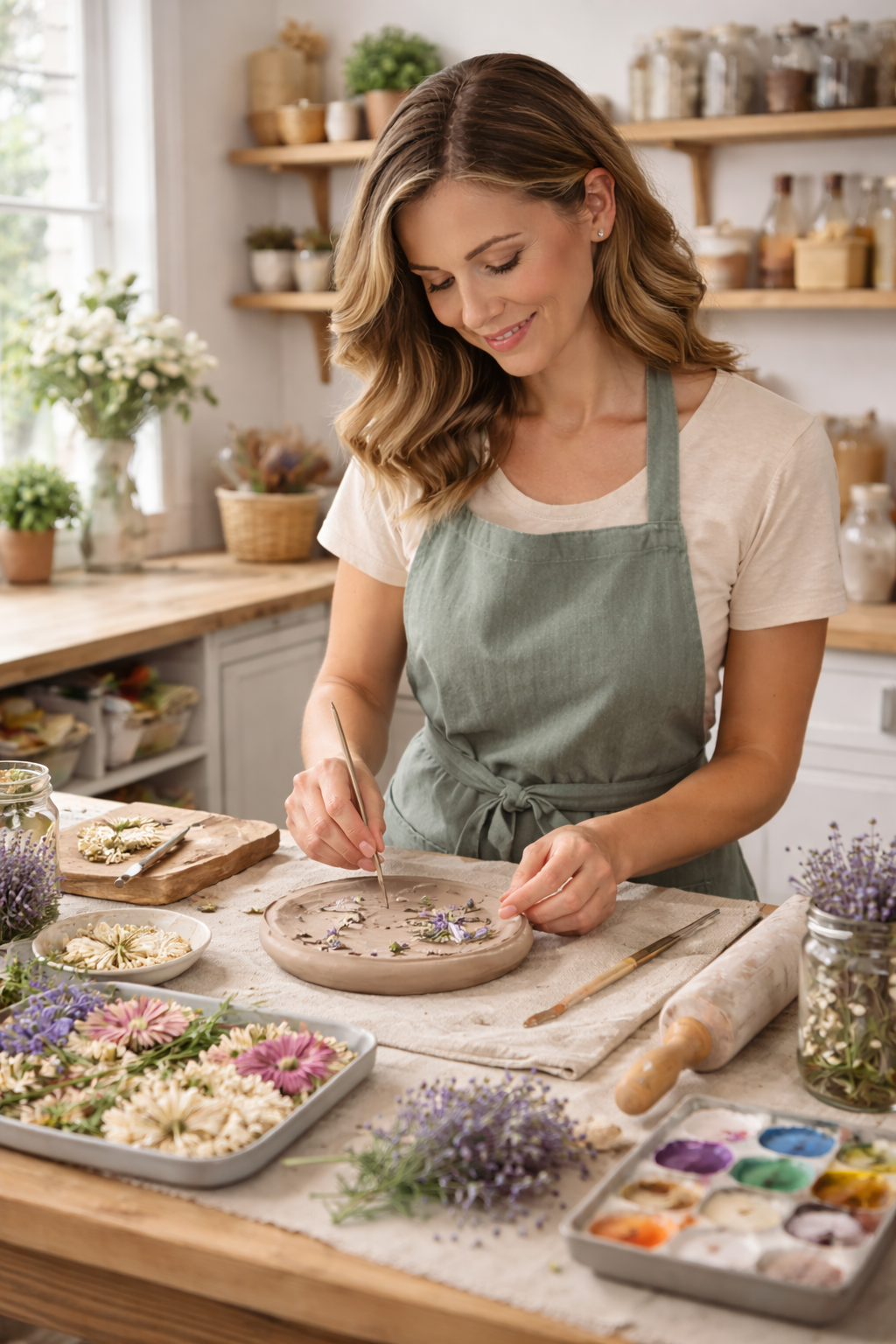
Artistic/Crafting
The small, cheerful flowers of chamomile are well suited for drying, pressing, and inclusion in sachets, pillows, and simple craft projects.
-

Cosmetic
Chamomile has a long history of use in skincare and hair care traditions. It has been included in facial steams, rinses, and infused oils, often valued for its soothing qualities and soft, floral scent.
-
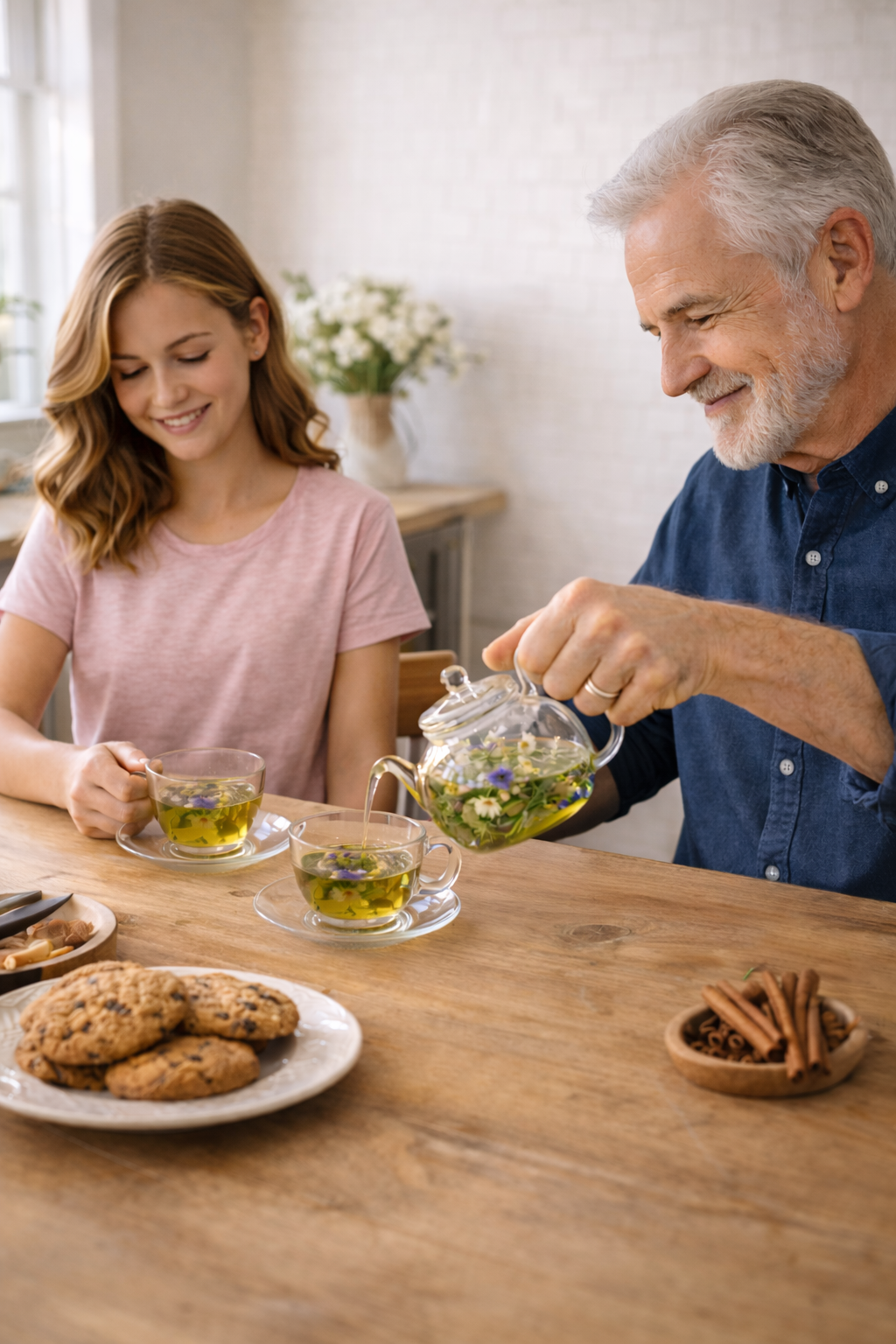
Herbal Teas
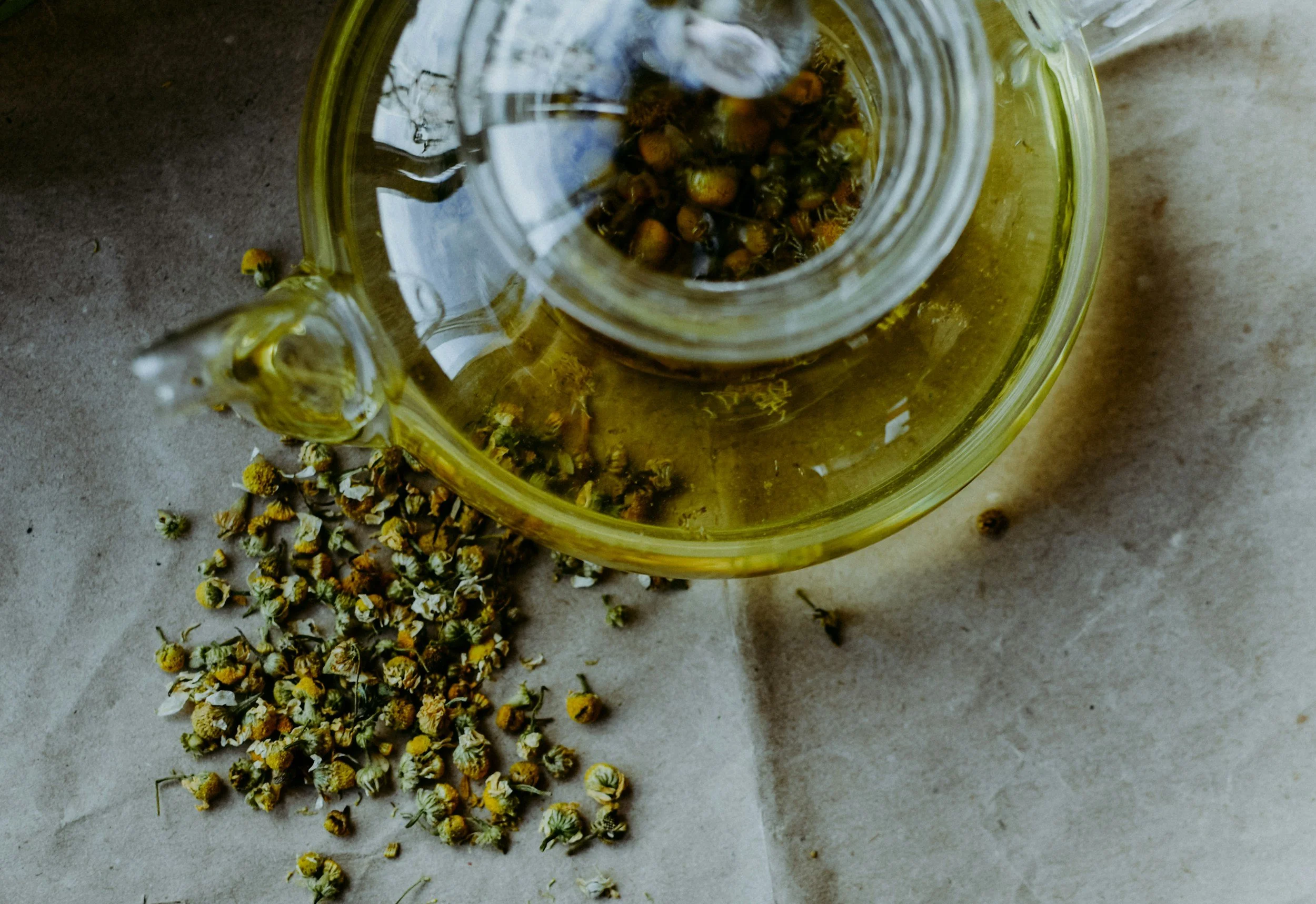
Chamomile is one of the most widely used and well-loved herbal teas across cultures. Traditionally prepared as a light infusion of the dried flowers, chamomile tea is valued for its soft, apple-like aroma and gently sweet, floral flavor.
Traditionally associated with relaxation and comfort, chamomile tea has been used in evening rituals, before sleep, and during times of emotional or physical stress. It is often enjoyed on its own but also blends well with other gentle herbs such as lemon balm, lavender, mint, or rose.
Because of its mild nature, chamomile tea has historically been used by people of all ages.
Our Current Relationship With This Plant
Chamomile is a plant that feels like an offering. We value its gentle presence, its generous flowering habit, and the way it invites slowing down.
We have not yet discovered the perfect spot where chamomile wants to thrive and grow happily here, so our supply is currently limited. We feel confident, though, about the future of chamomile on our farm.
Learn more about how we grow and harvest our herbs.
Typical Availability
Late Spring–Summer: Fresh chamomile flowers (as available)
Year-Round: Dried chamomile flowers (as available)
Form: Whole flower heads
Plant Starts: Possibly available in spring
Visit our Farm Products page for current availability.
A Gentle Note
Chamomile is generally considered a gentle herb, but traditional guidance suggests moderation during pregnancy, particularly with concentrated preparations.
Information here reflects traditional use, observation, and personal experience, shared for educational purposes. How a plant is used —or whether it’s appropriate for you— can vary. Please be mindful of allergies. Research individual herbs thoroughly and consult a qualified professional when needed.