
Herbal Profile
Feverfew
Tanacetum parthenium
Family: Asteraceae (Sunflower family)
Also known as: Bachelor’s buttons (historical), featherfew
At a Glance
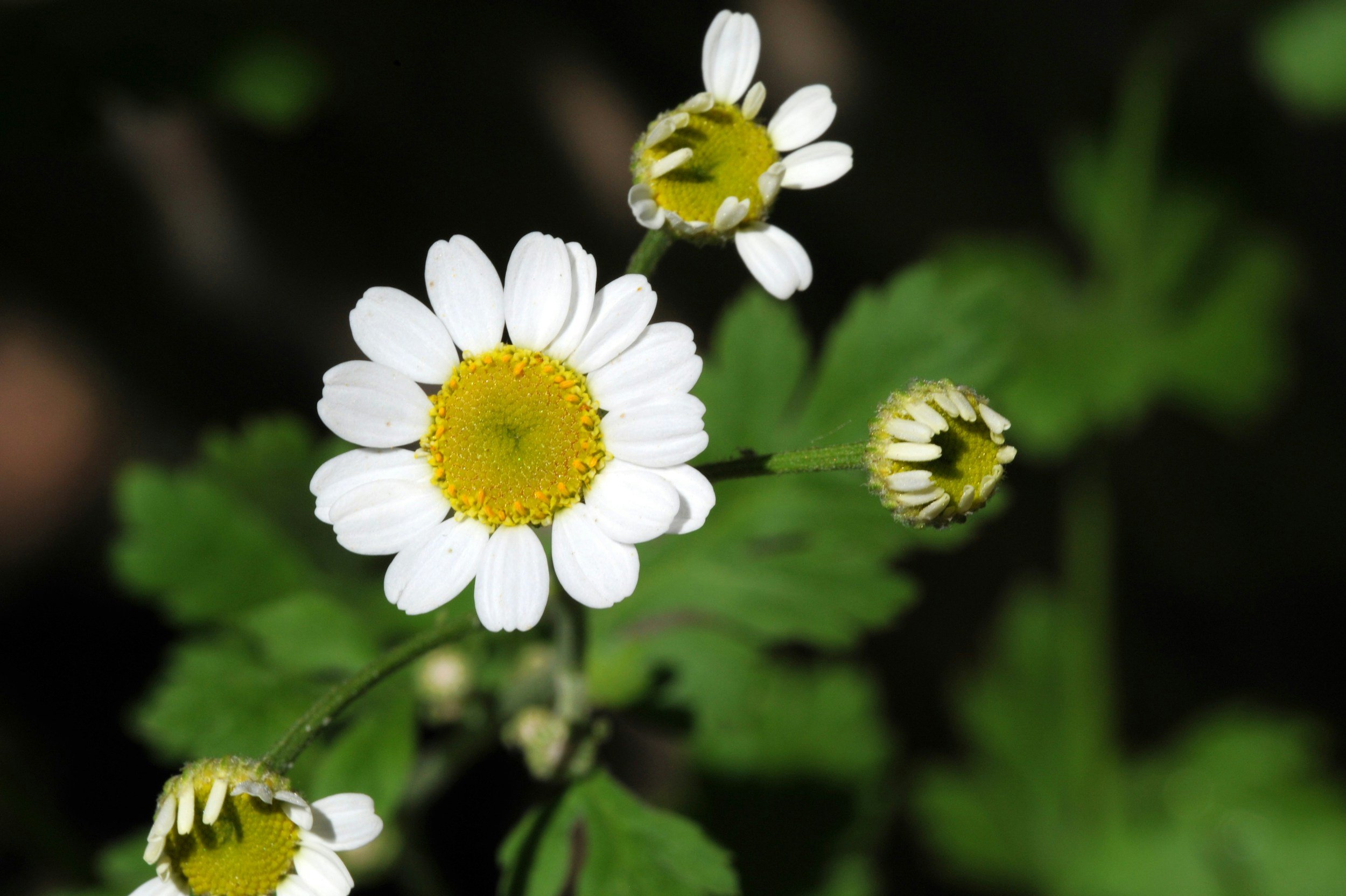
Feverfew is a daisy-like perennial herb with finely divided leaves and small white flowers surrounding yellow centers. Long recognized in traditional European herbalism, it has been approached as a focused medicinal plant rather than a casual household herb. Feverfew is most commonly associated with Medicinal, Herbal Tea, and Traditional Garden uses.
Read to the end for all details.
Traditional & Common Uses
Feverfew has a long and well-documented place in historical herbal traditions, often valued for specific, repeated applications rather than broad, everyday use, as described below.
-

Medicinal
In traditional European herbalism, feverfew was associated with fever management and head-related discomfort, which is reflected in its common name. It is commonly used for migraines, fevers, menstrual issues, and arthritis, with its main active compound, parthenolide, potentially reducing migraine frequency, pain, nausea, and light/noise sensitivity. Historically, the leaves & flowers were used fresh or dried and appeared in teas, tinctures, and powders. Feverfew has generally been viewed as a plant used with consistency and intention, rather than sporadically.
Primary Uses: Migraine Prevention (most studied use): may reduce frequency, severity, pain, nausea, vomiting, and light/noise sensitivity, often needing consistent use over time; Fever & Pain: used for fevers, headaches (including tension headaches), arthritis, and toothaches, acting as an anti-inflammatory; Menstrual Health: used for menstrual cramps, irregularities, and to aid labor; Digestive Aid: Used for indigestion, flatulence, and as a general tonic.
Other Traditional Uses: Skin Conditions: Topical application for itching, psoriasis, and irritation; Respiratory: For asthma and allergies, Other: Tinnitus, insect bites, vertigo, and even infertility.
-

Metaphysical/Spiritual
Metaphysically, feverfew is a potent herb for protection, purification, and healing, warding off negative energies, accidents, and illness, while also fostering emotional balance, clarity, and love. It's used in charms, sachets, and smudging for safeguarding homes and travelers, breaking hexes, and calming the mind, aligning with the planet Venus and the Water element for heart chakra work.
Key Metaphysical Properties: Protection: Guards against accidents, sickness, hexes, evil spirits, and negative energies, especially during travel or in sacred spaces; Purification: Cleanses spaces and individuals from unwanted influences, used in smudging rituals; Healing & Balance: Promotes emotional stability, clarity, focus, and can be used in spiritual healing to release fear and worry; Love & Harmony: Incorporated into love spells and rituals for promoting positive vibrations; Breaking Spells: Acts as a counter-charm to break binding spells and jinxes.
How It's Used: Charms & Sachets: Dried leaves and flowers placed in bags for personal protection or love magic; Incense/ Smudging: Burned to cleanse a space and invite protective energy; Rituals: Sprinkled around sacred areas or used in candle magic for focus and well-being.
-
Herbal Teas
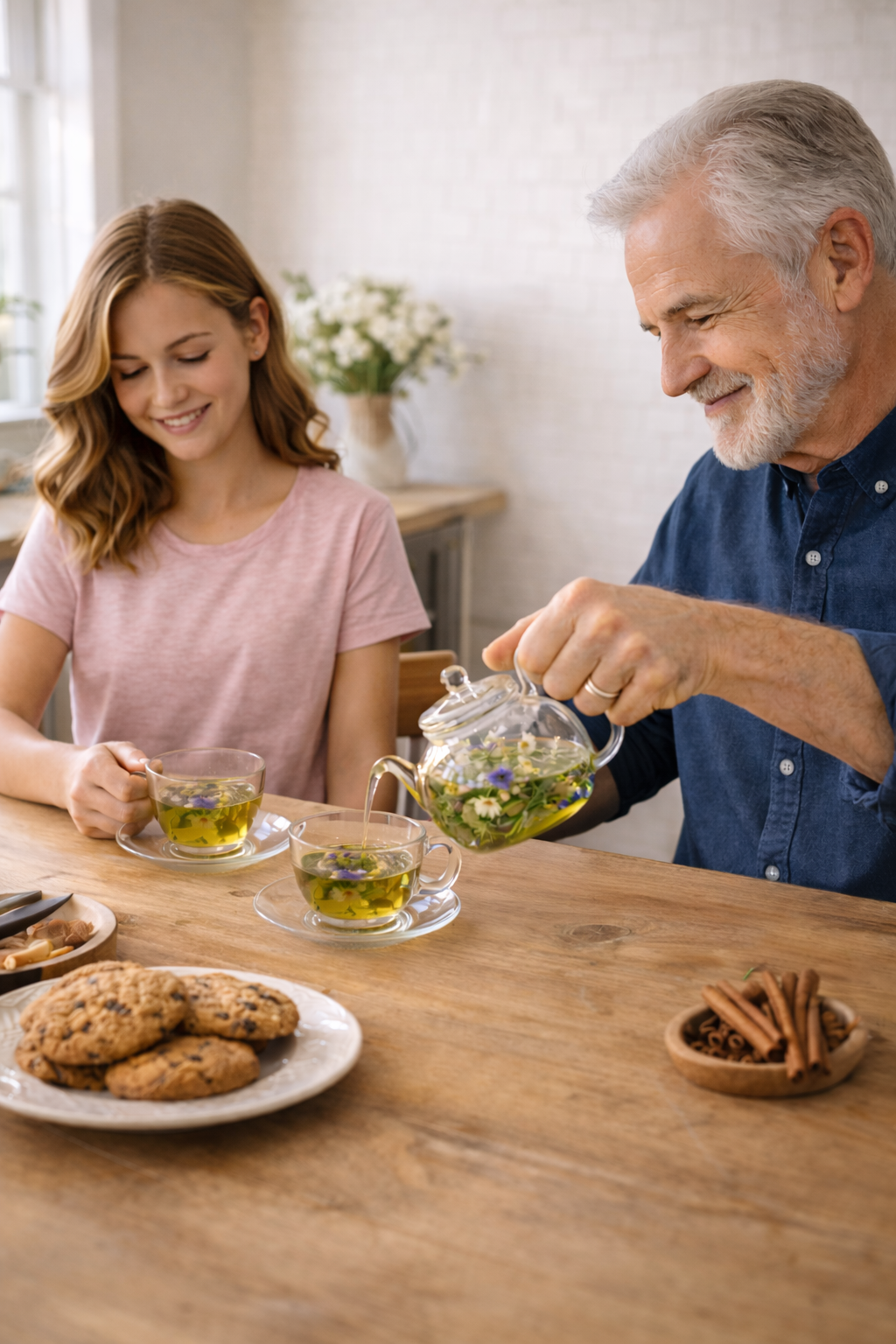
Feverfew has traditionally been prepared as a bitter infusion, sometimes blended with other herbs to soften its flavor. Because of its intensity, it was often used in small amounts rather than as a casual beverage, more for its medicinal benefits than for enjoyment.
Our Current Relationship With This Plant
Feverfew is a plant we struggled with in the beginning but we’ve finally discovered a location where it likes to grow. The harvest period is fairly long, so we usually have a good supply on hand.
Learn more about how we grow and harvest our herbs.
Typical Availability
Summer: Fresh feverfew
Year-Round: Dried leaf and flower
Form: Loose dried herb or fresh bundles
Plant Starts: Possibly available in the spring
Visit our Farm Products page for current availability.
A Gentle Note
Feverfew is considered a more potent medicinal herb and may not be appropriate for everyone. Traditional guidance often suggests avoiding use during pregnancy and exercising caution for individuals sensitive to plants in the Asteraceae family.
Feverfew has also been associated with mouth irritation when fresh and may interact with certain medications. Because it is often used over time rather than occasionally, careful research and professional guidance are encouraged before use.
Information here reflects traditional use, observation, and personal experience, shared for educational purposes. How a plant is used—or whether it’s appropriate for you—can vary. Please research individual herbs or consult a qualified professional when needed.