
Herbal Profile
Lavender
Lavandula
Family: Lamiaceae
At a Glance
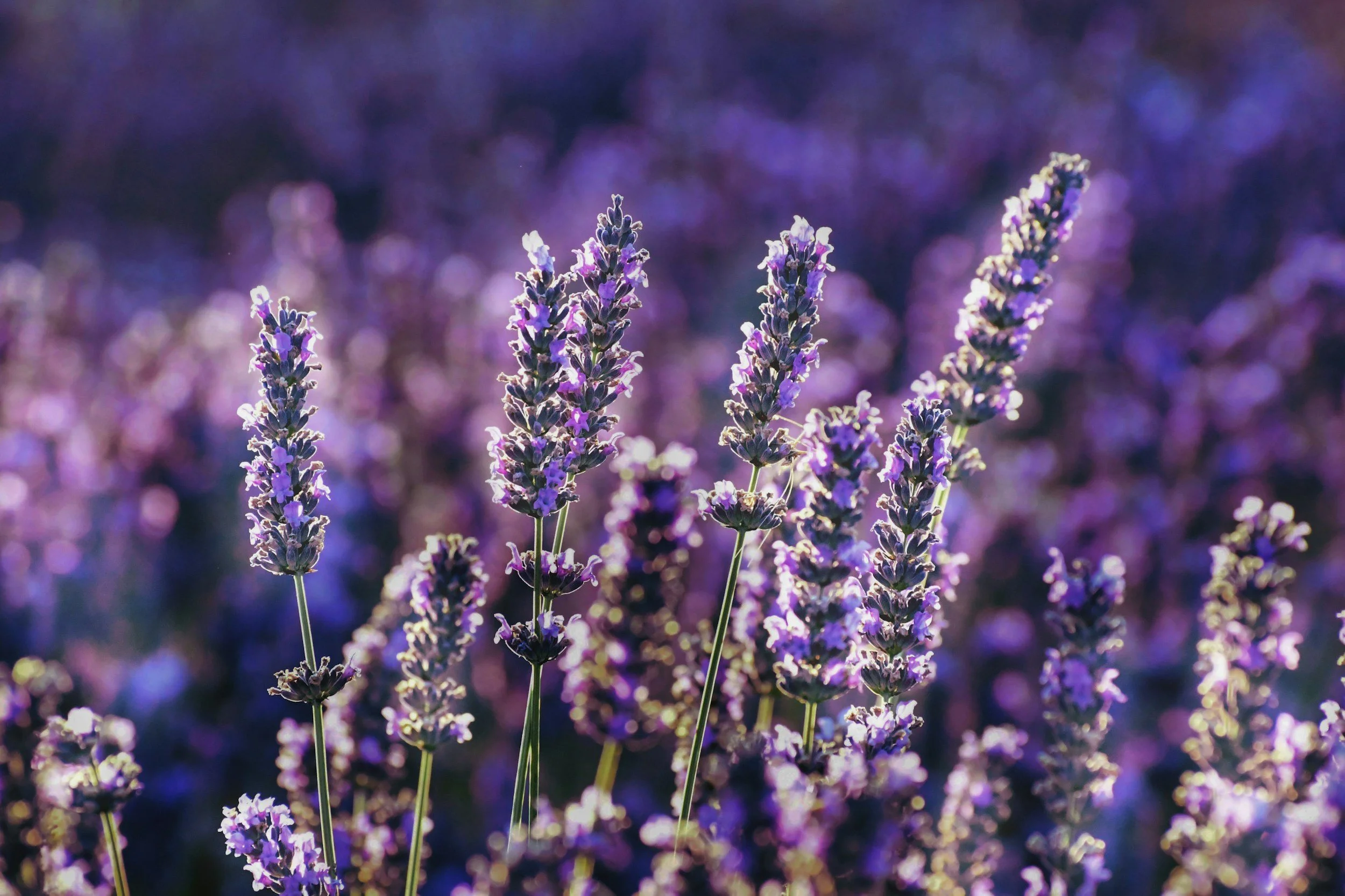
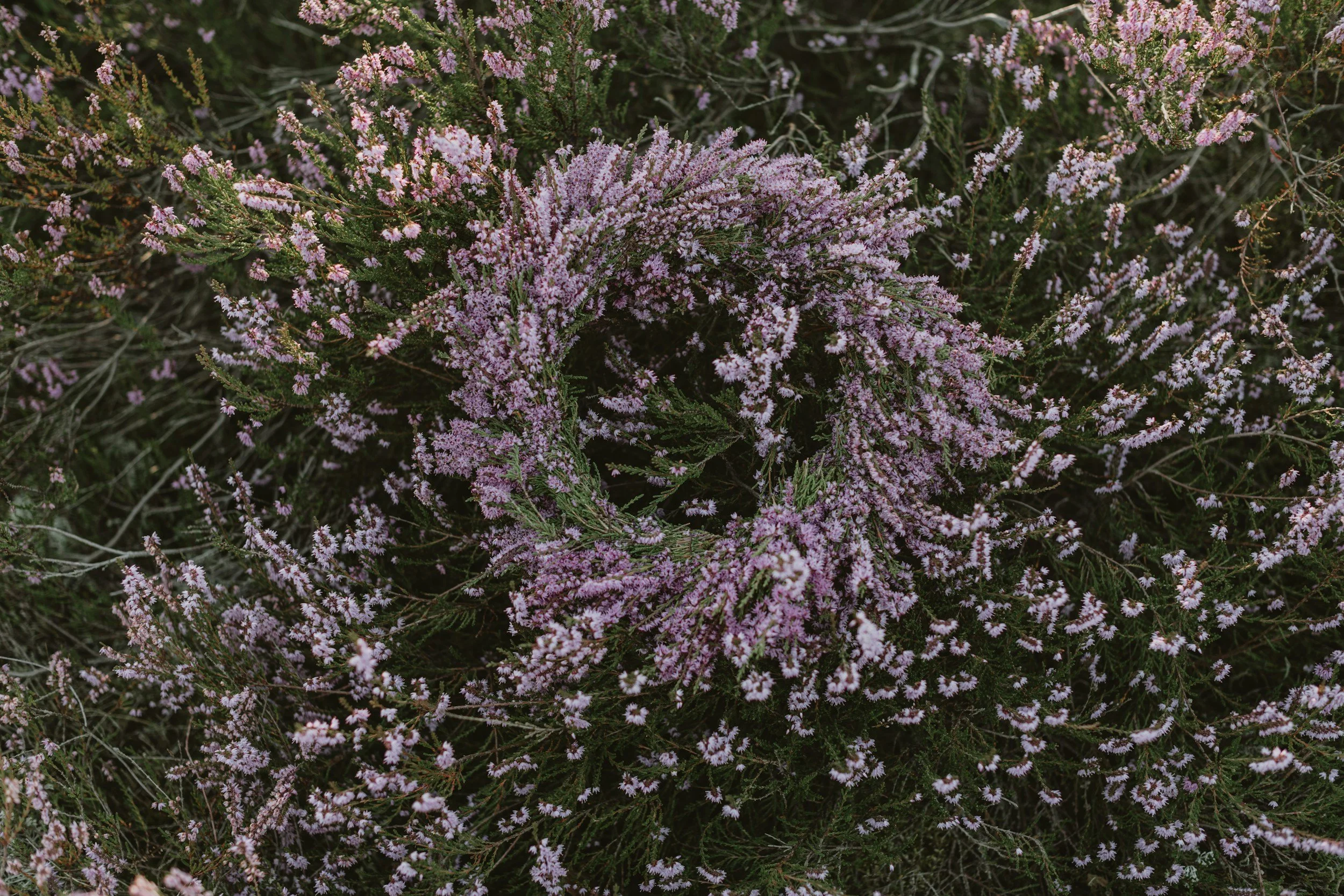
Lavender, a beautiful perineal, is one of the most beloved aromatic plants in the garden, known for its soft purple blooms and calming fragrance. Long associated with culinary, medicinal, spiritual, cosmetic and artistic uses, it’s a plant that invites slowing down and paying attention.
Read to the end for all details
Traditional & Common Uses
Herbs often serve more than one purpose, and lavender is a classic example of a plant that crosses many boundaries, as explained below.
-

Culinary
In small amounts, lavender has traditionally been used to add a floral note to baked goods, syrups, sugars, and honey. It pairs especially well with lemon, berries, and shortbread-style pastries.
-
Medicinal
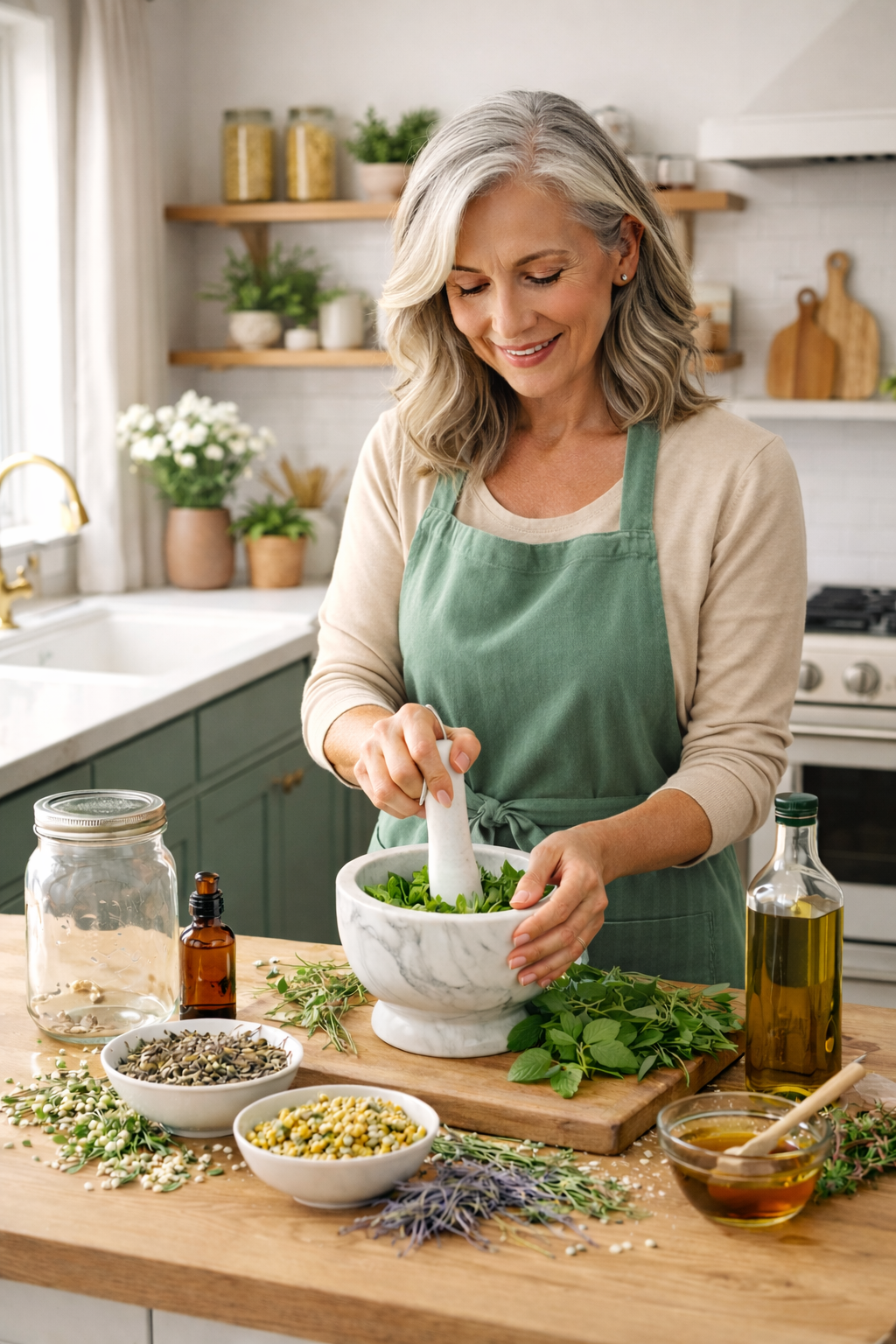
Lavender has a long history in traditional home herbalism, often associated with relaxation, rest, and emotional balance. Medicinal uses include calming anxiety, improving sleep, fighting inflammation, and acting as an antimicrobial. It is used topically for skin issues, aromatically for stress relief, and internally (often in capsules) for mood/sleep, with benefits extending to pain, digestion, and even menstrual cramps.
-
Metaphysical/Spiritual
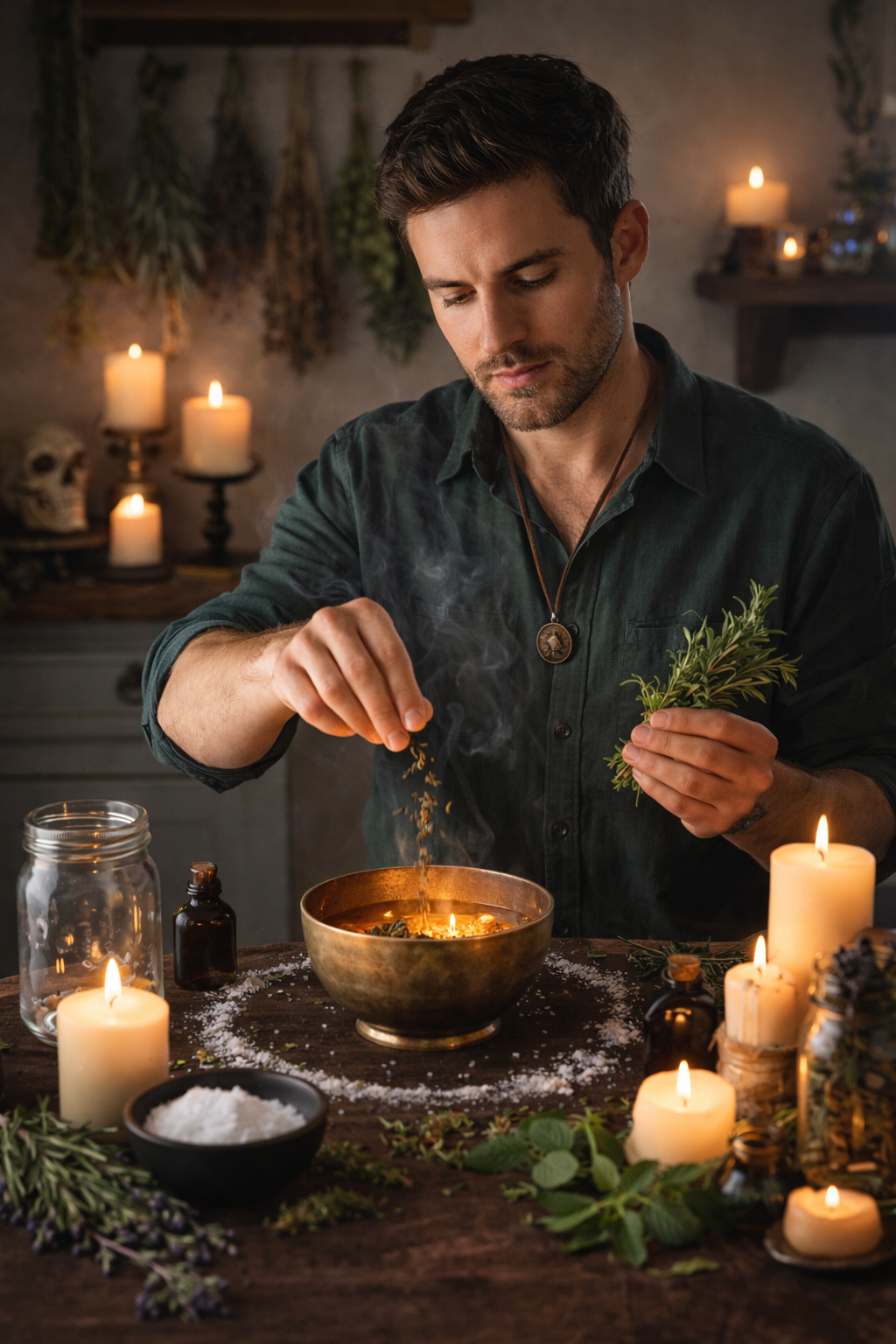
Across cultures, lavender has been associated with calm, protection, purification, and peace. Lavender's metaphysical properties center on peace, protection, love, and spiritual awareness, acting as a bridge to higher consciousness, calming the mind, purifying spaces through smudging, attracting devotion, and aiding in healing and sleep through its connection to the Crown Chakra and divine feminine energy. It wards off negativity, enhances intuition, and symbolizes purity, devotion, and tranquility in traditions from ancient Rome to modern witchcraft, used in baths, sachets, oils, and spells.
-
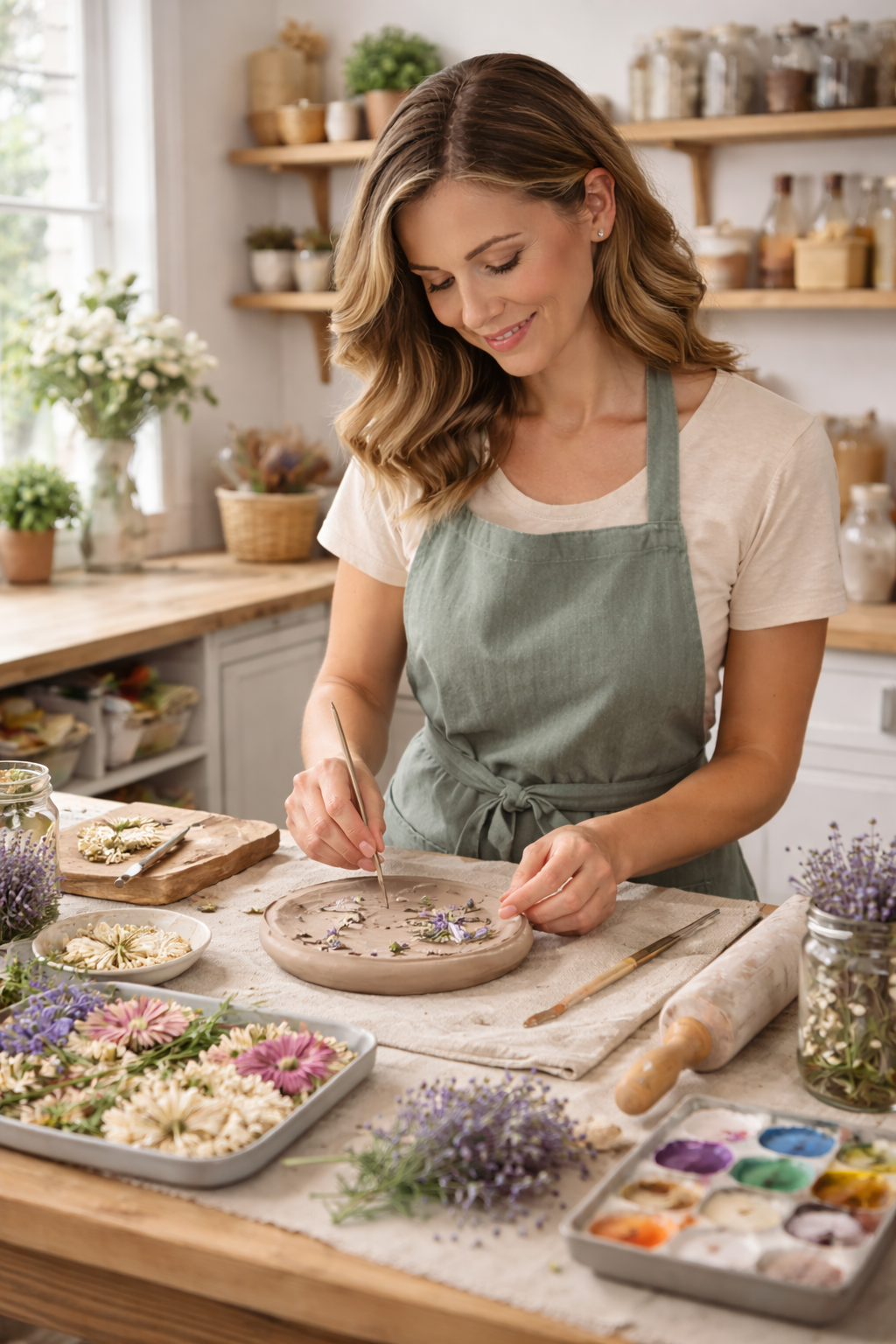
Artistic/Crafting
Dried lavender is widely used in wreaths, bundles, sachets, simmer pots and decorative arrangements. Lavender seeds are often thrown at weddings as an alternative to rice, which an be harmful to birds. Sprigs of lavender can be tied in napkins for weddings. Lavender’s color, form, and scent make it especially well suited for crafts that bring a sense of the garden indoors.
-
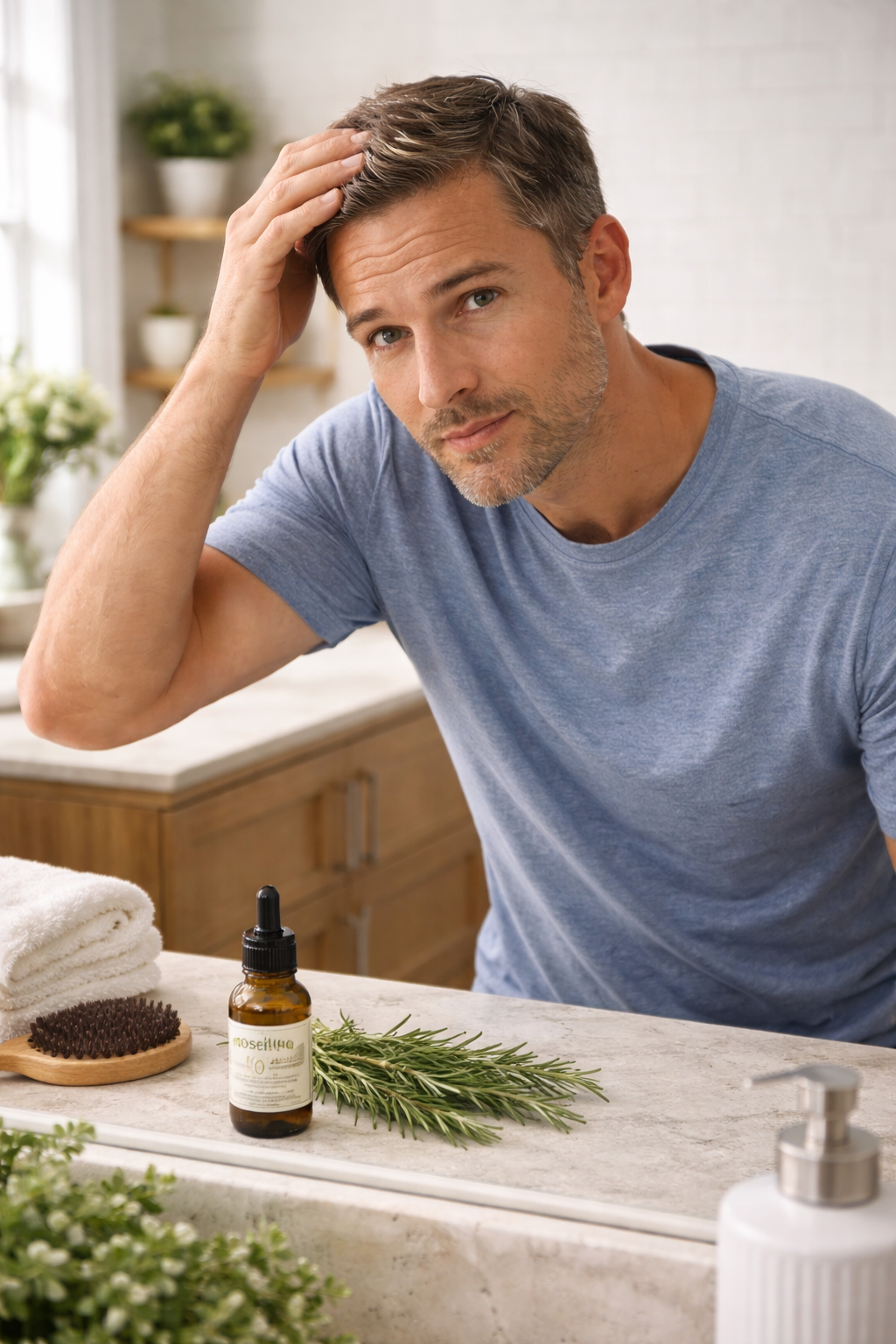
Cosmetic
Lavender’s fragrance has made it a favorite in soaps, oils, salves, and other body-care preparations. Traditionally, it has been used for its aromatic qualities and as part of soothing, plant-based skincare.
-
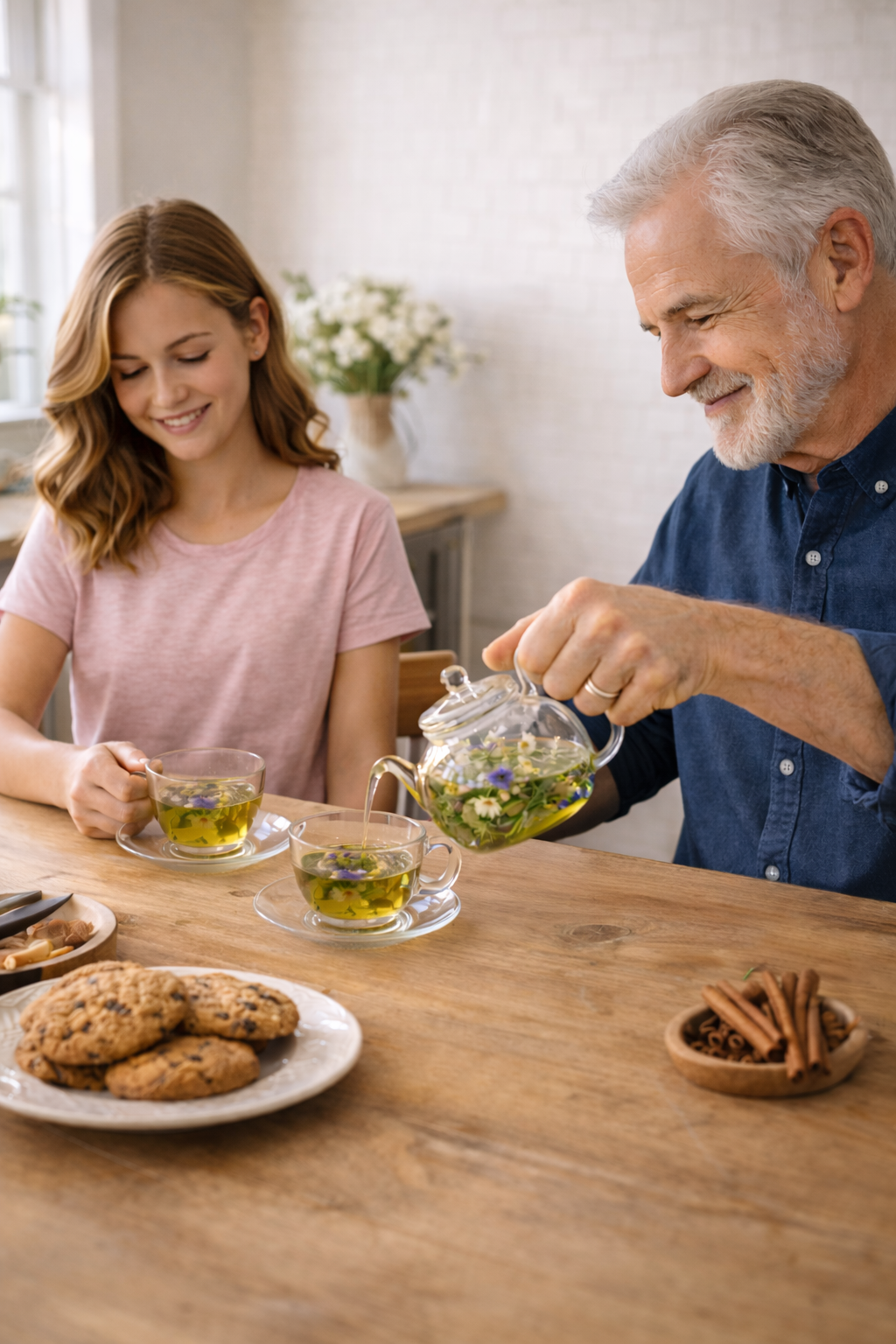
Herbal Teas
Lavender flowers are sometimes used sparingly in herbal teas, either on their own or blended with other herbs. The flavor is floral and aromatic and is traditionally enjoyed in small amounts.
Our Current Relationship With This Plant
Several different good friends gifted me lavender from their own gardens in recent years, which kicked off my love of this beautiful and aromatic plant. Lavender represents both familiarity and experimentation for us. It’s a plant many people recognize and love, yet each variety behaves differently depending on where it’s grown. Right now, we’re focused on learning which types are happiest here and how they fit into the broader vision of Heart of Rock Farm.
Learn more about how we grow and harvest our herbs.
Availability
Winter: Dried flower heads, stalks and seeds.
Spring, Summer & early Fall: Fresh and dried.
Plant Starts: Available in the spring
Visit our Farm Products page for current availability
A Gentle Note
Essential oils can be toxic, so always dilute or use as aromatherapy.
(Information here reflects traditional use, observation, and personal experience, shared for educational purposes. How a plant is used—or whether it’s appropriate for you—can vary. Please research individual herbs or consult a qualified professional when needed.