
Herbal Profile
Mullein
Verbascum Thapsus (common mullein)
Family: Scrophulariaceae (Figwort Family)
Pronounced “MULL-in”
At a Glance
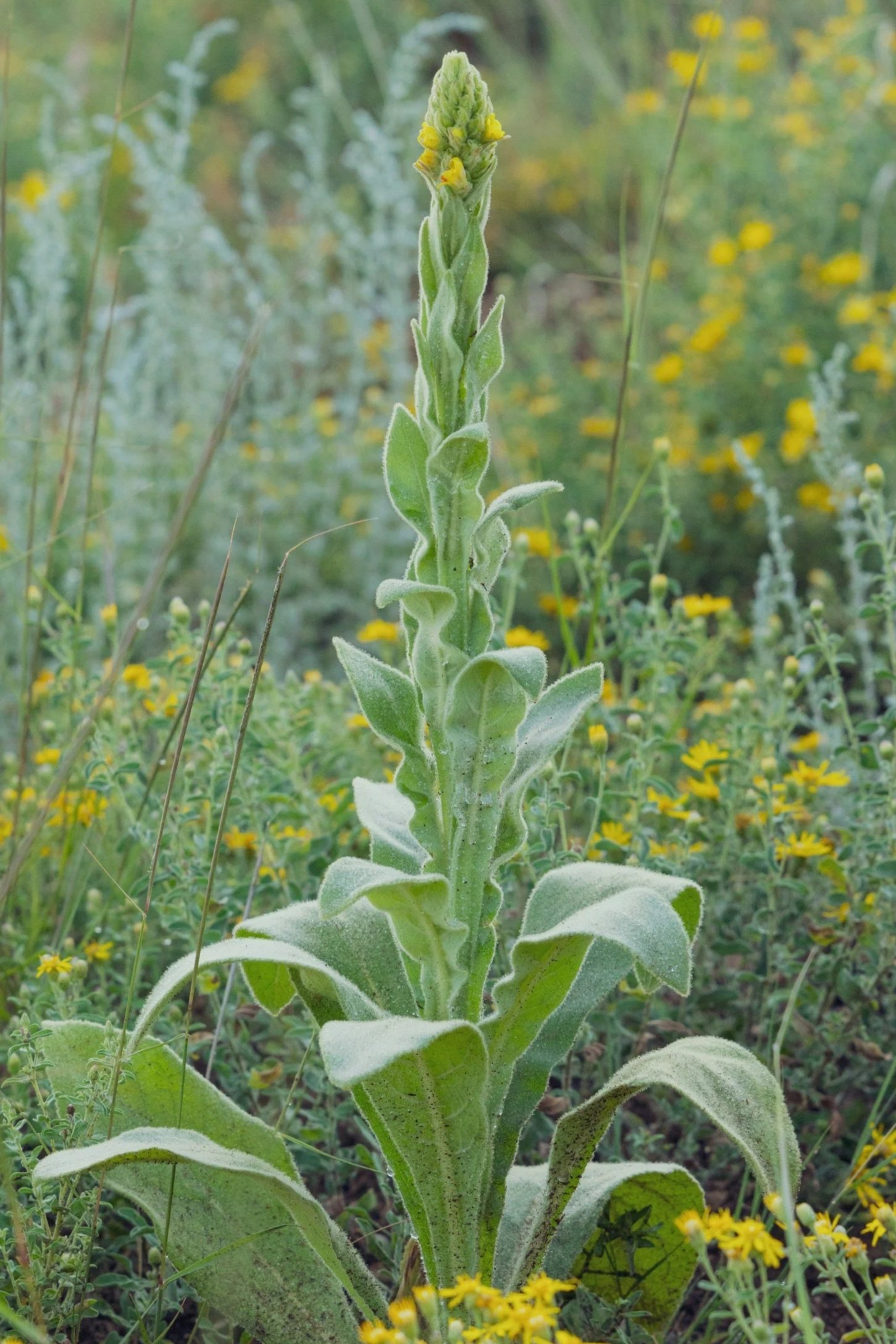
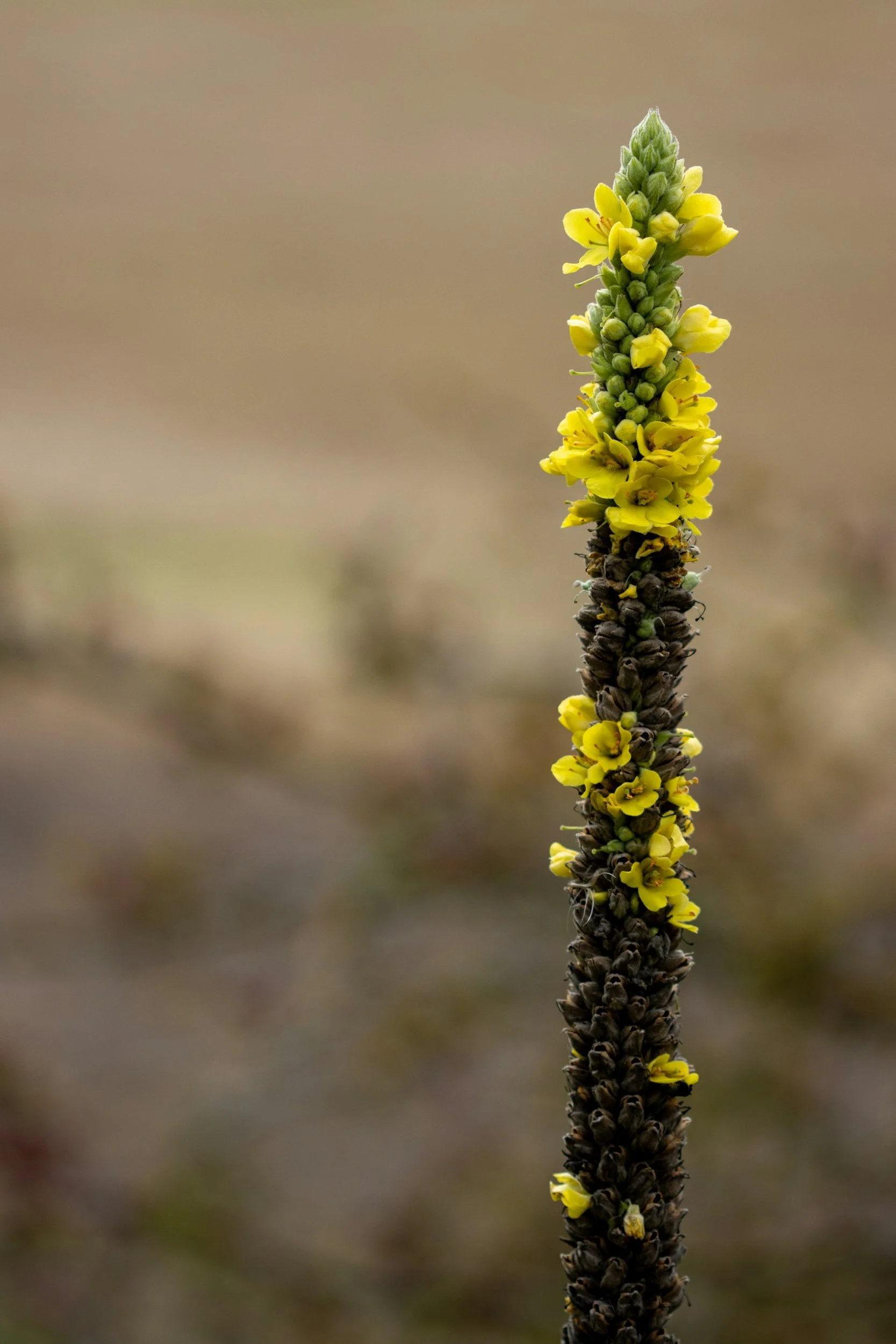
Mullein is a striking biennial plant known for its soft, velvety leaves and tall flowering stalks. Often found growing in open, disturbed ground, it has a long history in traditional herbal practices and folk traditions. On our farm, mullein is part of our exploration of hardy, resilient plants that seem to choose their own places to grow.
(Read all the way to the bottom for full details.)
Traditional & Common Uses
Herbs often serve more than one purpose, and mullein has been valued in many ways across cultures and generations, as described below.
-
Medicinal
Mullein has a long history in traditional home herbalism, Historically, its leaves, flowers and roots have been used in infusions, oils, and other preparations as part of folk wellness traditions. It is famous for soothing respiratory issues like coughs, asthma, and bronchitis by loosening mucus and calming inflamed airways, acting as an expectorant and demulcent. It's also used topically for skin conditions (eczema, wounds) and inflammation, often as oils or poultices, and traditionally for earaches (flower oil drops), diarrhea, and even migraines. It’s leaves and roots also offer pain relieving properties. Whole soft leaves can be placed inside shoes to help alleviate foot pain.
-
Metaphysical/Spiritual
In folklore and traditional symbolism, mullein has often been associated with protection, courage, and guidance. Its tall flower stalks and presence along pathways have linked it to themes of illumination and boundary-marking in various cultural traditions. The dried stalks can be dipped in wax to create traditional “hag torches” for ritual use.
-
Artistic/Crafting
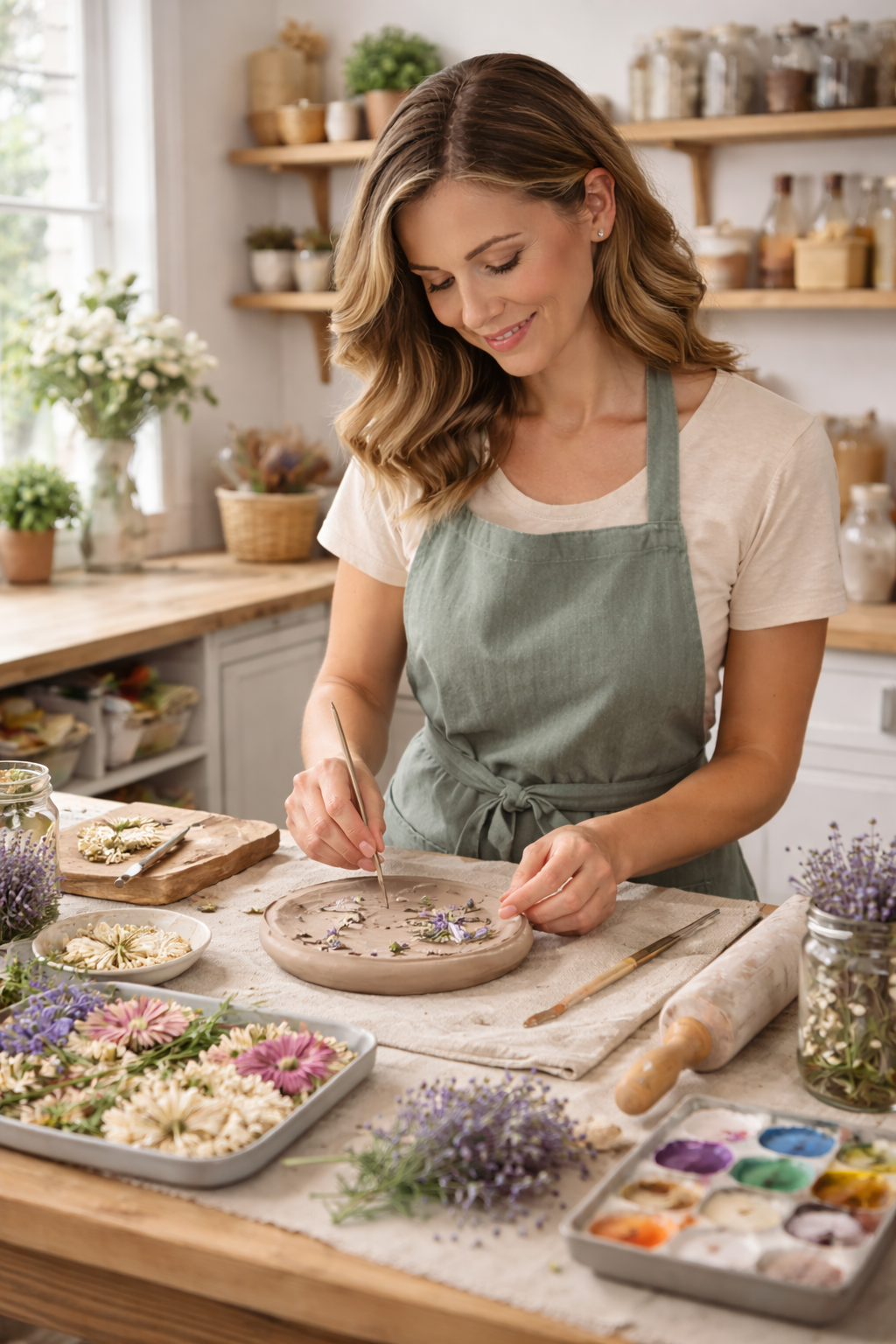
With its large, fuzzy leaves and architectural flower stalks, mullein lends itself well to dried arrangements, natural craft projects, and visual storytelling. Historically, dried stalks were even used as torches, adding to the plant’s rich folklore. The pretty yellow flowers can be used in decoupage projects, and possibly fro printmaking (although I haven’t tried it.)
-

Cosmetic
Mullein flowers have traditionally been infused into oils for topical use, often valued for their gentle nature and bright, golden color. Leaves are sometimes included in herbal preparations where softness and texture are part of the appeal.
-
Herbal Teas
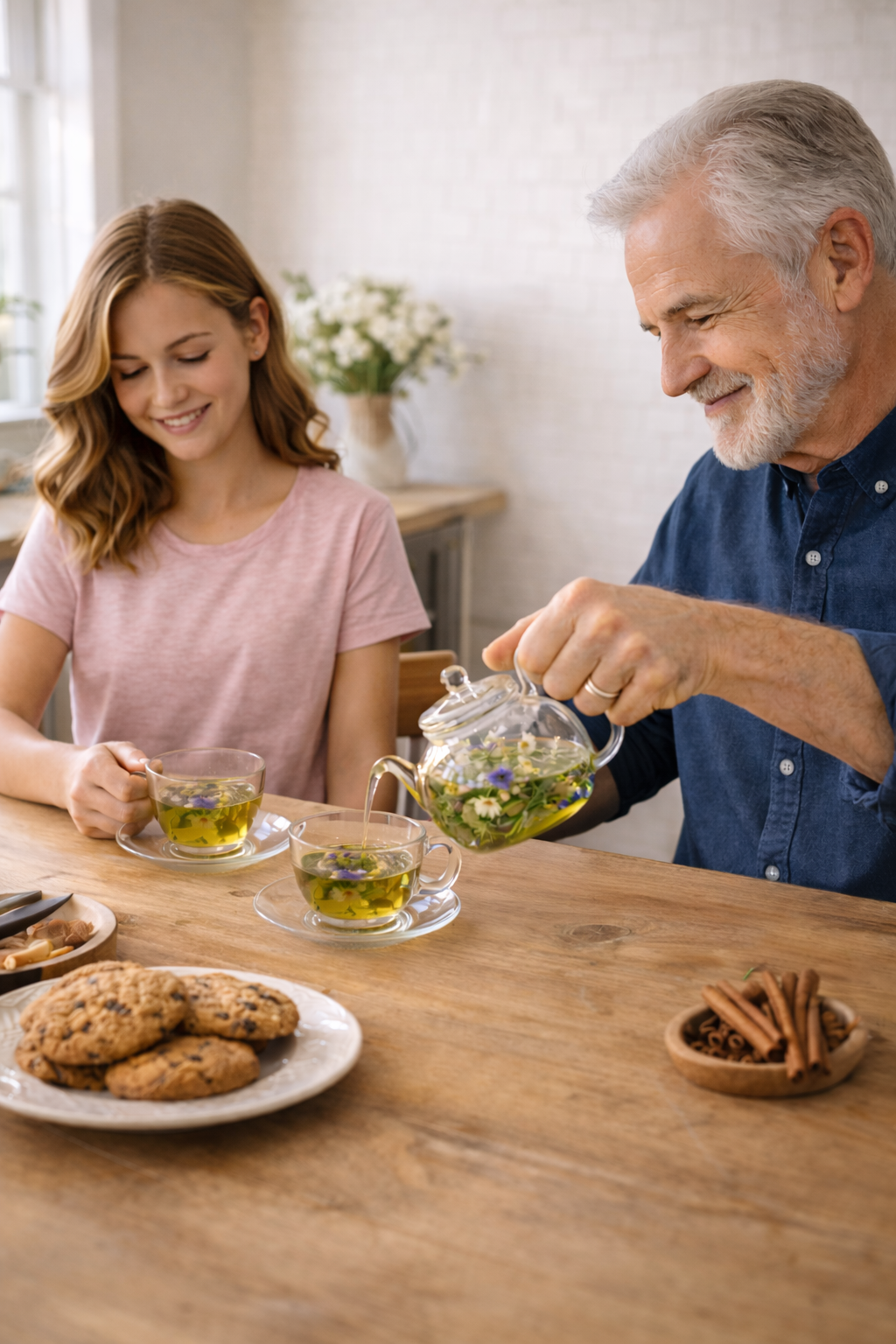
Mullein leaves have traditionally been used in herbal infusions, such as teas. The tea must be strained thoroughly due to the fine hairs on the leaves. These teas have been part of longstanding folk practices rather than modern beverage traditions. Typically mullein might be combined with other herbs, such as marshmallow, as a treatment for respiratory conditions.
Our Current Relationship With This Plant
Mullein is one of the herbs closest to my heart. Every plant on the farm originated from a handful I dug up while visiting my sister-in-law in Idaho. In the last year of my father’s life, mullein tea and tinctures were the only things that brought relief from years of severe COPD.
Every part offers hope, and the plant is a thing of beauty. Uncultivated, it grows where it’s needed, often in unexpected places. It tends to help clean the air in its environment. Mullein is a reminder that not all valuable plants are tidy or cultivated in straight rows.
We’re beginning our third year of growing intentionally-planted Mullein. It has started to occur naturally on the property (self-seeded from our original plants), so our mullein is both cultivated and foraged. We’re paying close attention to how it establishes itself, how it interacts with the surrounding landscape, and how it behaves across seasons—particularly with its first-year rosette and second-year flowering cycle.
Learn more about how we grow and harvest our herbs.
Typical Availability
Winter: Dried leaves, flowers and sometimes stalks
Spring, Summer & Fall: Fresh and dried leaves & Flowers
Plant Starts: Available in the spring
Visit our Farm Products page for current availability
A Couple of Gentle Notes
Mullein’s fuzzy leaves are covered in tiny hairs that irritate some folks’ skin while handling the plant, especially during harvesting. The fresh and dried leaves we offer include those hairs, so it’s important to strain teas and tinctures to remove the hairs. (I use folded cheesecloth.) Smoke inhaled from burned leaves does not present this challenge. If placing whole leaves in shoes for foot pain, some folks need to use thin socks. Others are not bothered at all. The hairs are not present on the flowers.
If you see it growing wild alongside a roadway, leave it be: it has already absorbed pollution from the vehicles that have traveled that road — or it might have already been sprayed — and is not safe to use.
Information here reflects traditional use, observation, and personal experience, shared for educational purposes. How a plant is used—or whether it’s appropriate for you—can vary. Please research individual herbs or consult a qualified professional when needed.