
Herbal Profile
Hops
Humulus lupulus
Family: Cannabaceae (Hemp family)
Also known as: Common hops
Pronounced “HOPZ”
At a Glance
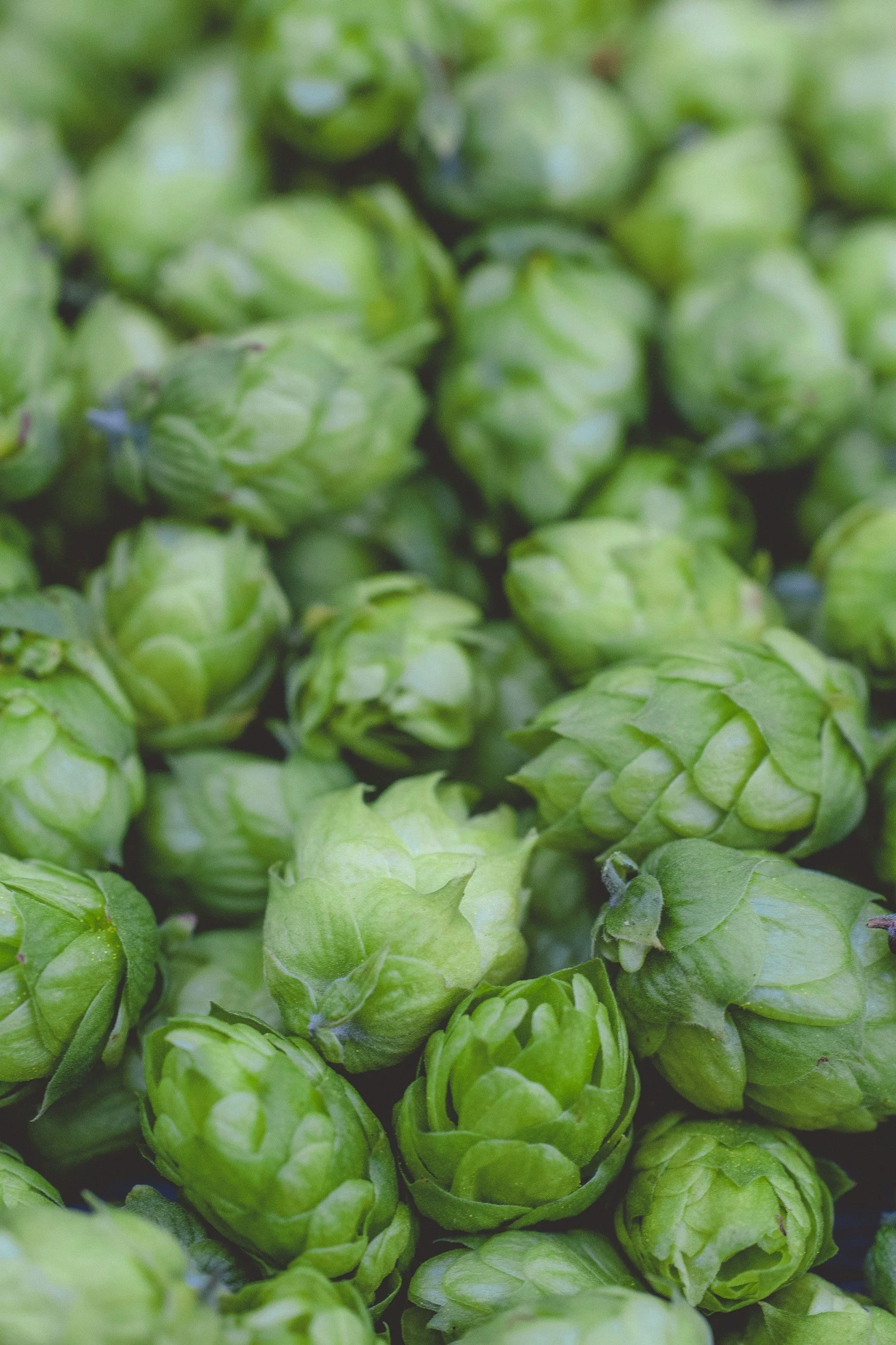
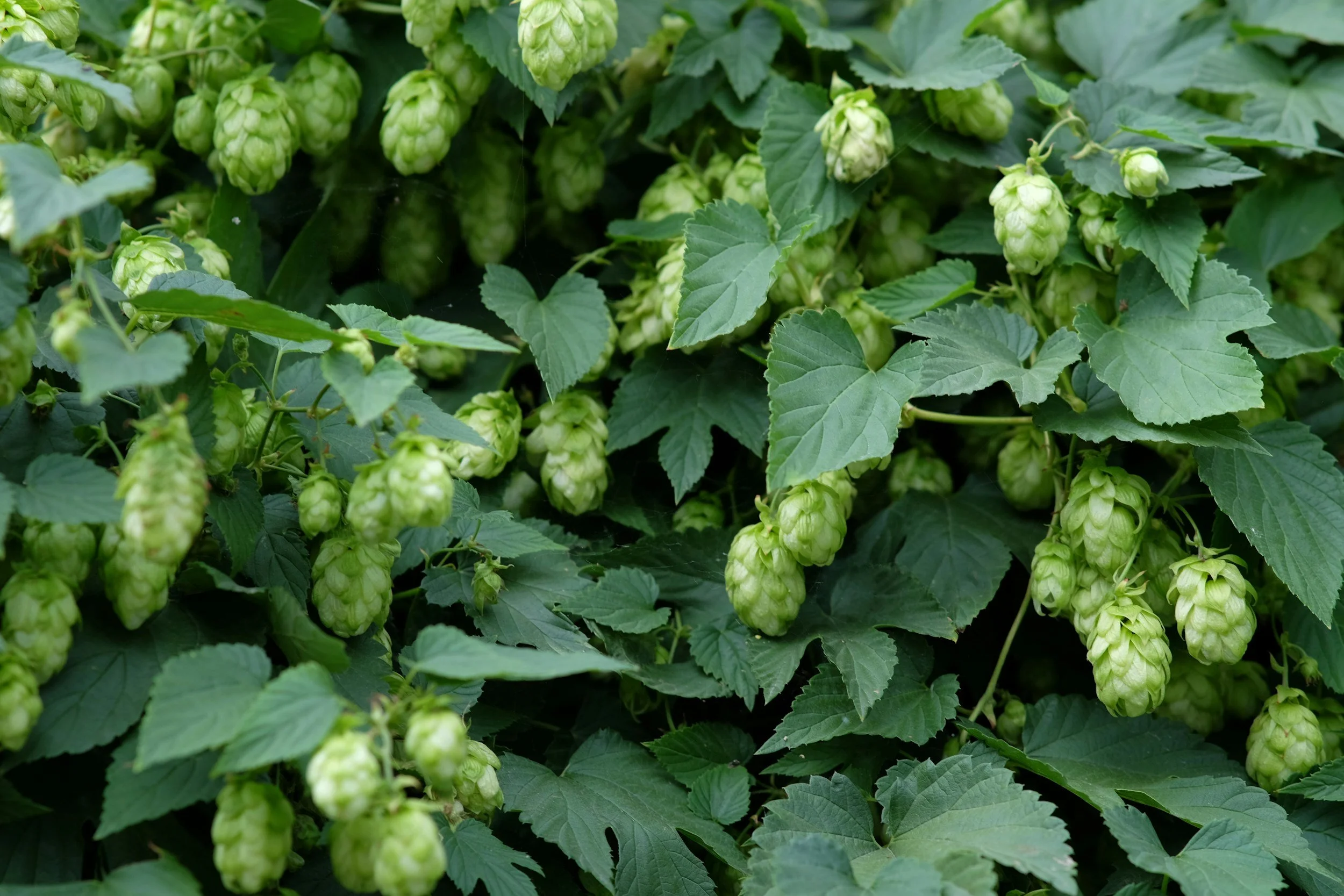
Hops is a vigorous, climbing perennial bine known for its twining growth habit and distinctive cone-shaped female flowers. Best known for its role in brewing, hops also carries a long history of use in traditional herbalism and folk practices centered on relaxation and rest. Hops is most commonly associated with Culinary, Medicinal, Metaphysical/ Spiritual, and Herbal Tea uses.
Read to the end for all details.
Traditional & Common Uses
Hops has been approached historically as both a practical agricultural crop and a soothing, aromatic plant, with uses shaped by its bitterness, aroma, and seasonal abundance. It’s common uses are described below:
-

Culinary
Hops are most famously used in brewing, where the dried female cones contribute bitterness, flavor, aroma, and preservative qualities to beer.
Historically, young hop shoots were also eaten as a seasonal spring vegetable in some European traditions, prepared similarly to asparagus.
-

Medicinal
In traditional European herbalism, hops are associated with calming and sleep-supporting traditions. Historically, it has been used in teas, tinctures, pillows, and baths, often in combination with other gentle nervine herbs.
Traditionally associated with relaxation and rest, hops was commonly used in the form of dried cones for infusions, sachets, and external preparations. The female flower (cone) is the primary part used, and preparations were typically short-term or situational rather than daily tonics. The primary use is as a mild sedative for anxiety, stress, and insomnia, often combined with valerian; they also historically aid digestion, treat menopausal symptoms due to phytoestrogens, and possess antibacterial, anti-inflammatory, and antioxidant properties. Topically, hops were used for skin issues and muscle spasms, while internal uses included treating digestive problems and bladder issues
-

Metaphysical/Spiritual
Hops appear in folk traditions connected to rest, peace, and the easing of mental or emotional tension. They are symbolically associated with letting go, dreamwork, and nighttime rituals. Correspondences include calm, surrender, and gentle protection.
Metaphysical Properties: Sleep & Dreams: Used to induce sleep, prevent nightmares, and aid dream work, often by stuffing pillows; Calming & Nervous System: Used in workings to balance nervous tension, anxiety, and restlessness, easing stress and promoting peace; Healing: Used in healing magic for general well-being and to open obstructions in the body; Prosperity: Symbolizes wealth and abundance, reflecting its importance in brewing; Feminine Energy: Considered feminine due to the female flowers (strobiles) and phytoestrogen content, used for connecting with goddesses and divine feminine energies. In some practices, its energy is considered masculine & expressive.
Common Uses in Magick: Teas (Tisanes): For calming, sleep, and digestive issues; Incense: For relaxation and dream work; Sachets & Pillows: Filled with dried hops for sleep and peaceful dreams; Offerings: To goddesses or female ancestors.
-

Artistic/Crafting
Hop vines are often used in weddings to decorate an arch or wedding pavilion.
In the Pacific Northwest, fresh hop vines are typically available from late summer through early fall (August to September/October), coinciding with the hop harvest. Late August and September are prime months for lush, green vines with cones, while dried hops can be used year-round after the season.
-

Herbal Teas
Hops cones have traditionally been prepared as a bitter infusion, often blended with other herbs to soften flavor and effect. Tea use was typically modest and intentional rather than casual, typically associated with Medicinal or Spiritual uses.
Our Current Relationship With This Plant
Hops is a plant we’re actively getting to know as part of our farm’s evolution. We’re fascinated by its rapid growth and architectural presence. We originally grew hops to create a leafy tunnel leading away from our back deck to the raised bed garden. In our second year of experimentation, we’re learning how hops fits into both our landscape and our long-term plans, balancing curiosity with patience.
Learn more about how we grow and harvest our herbs.
Typical Availability
Late Summer–Early Fall: Fresh hop cones, and a limited amount of hop vines for decoration
Year-Round: Dried hop cones
Form: Whole dried & fresh cones, fresh vines
Plant Starts: Possibly available in spring
We currently do not produce enough hops in one season for beer-making purposes.
Visit our Farm Products page for current availability.
A Gentle Note
Hops is a potent herb, particularly in concentrated preparations. Traditional sources often advise caution during pregnancy, and hops may not be appropriate for individuals with hormone-sensitive conditions.
Because of its sedative associations, care is also advised when combined with other calming herbs or medications.
Information here reflects traditional use, observation, and personal experience, shared for educational purposes. How a plant is used —or whether it’s appropriate for you— can vary. Please be mindful of allergies. Research individual herbs thoroughly and consult a qualified professional when needed.