
Herbal Profile
Red Clover (blossoms)
Trifolium pratense
Family: Fabaceae (Legume family)
Also known as: Meadow clover
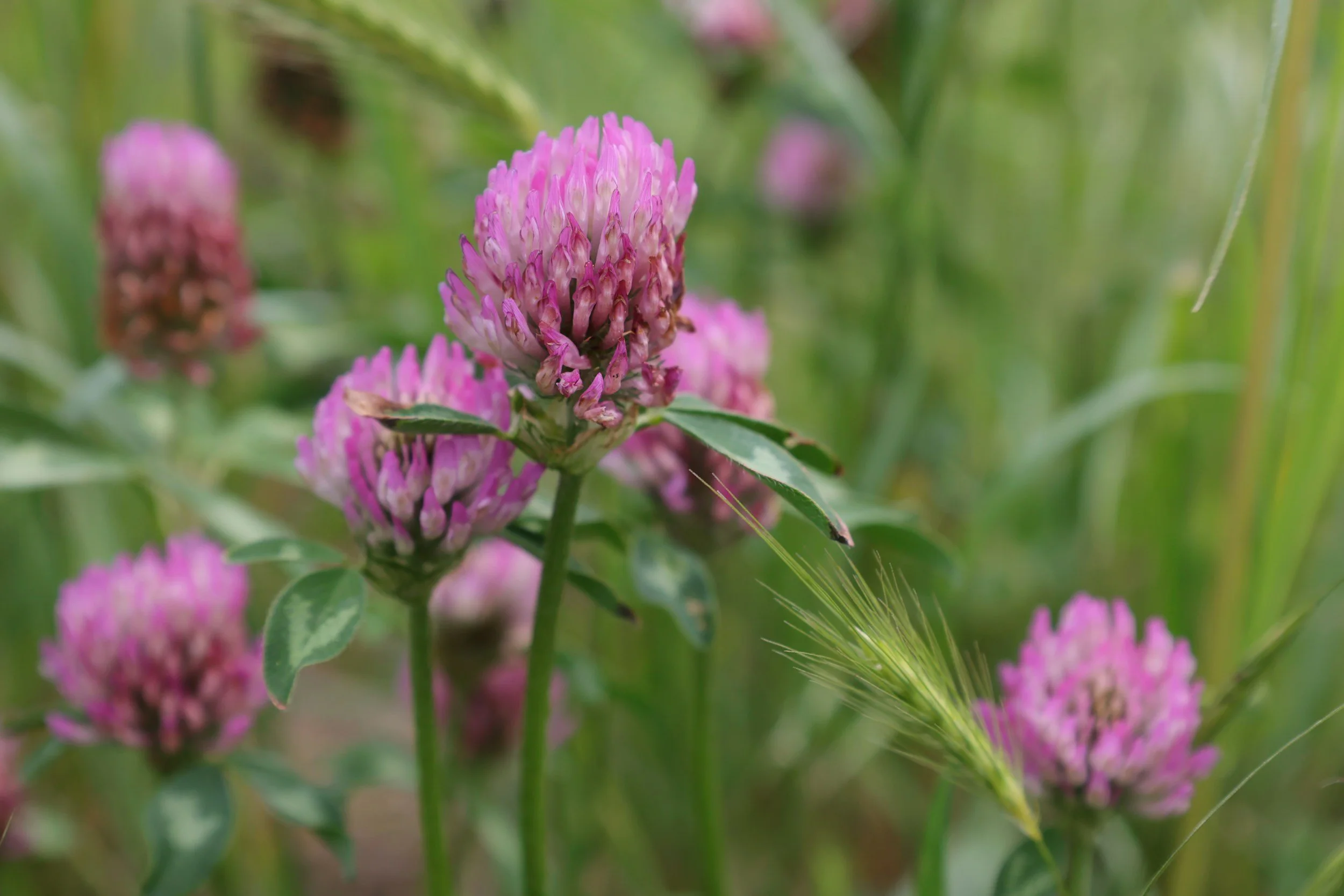
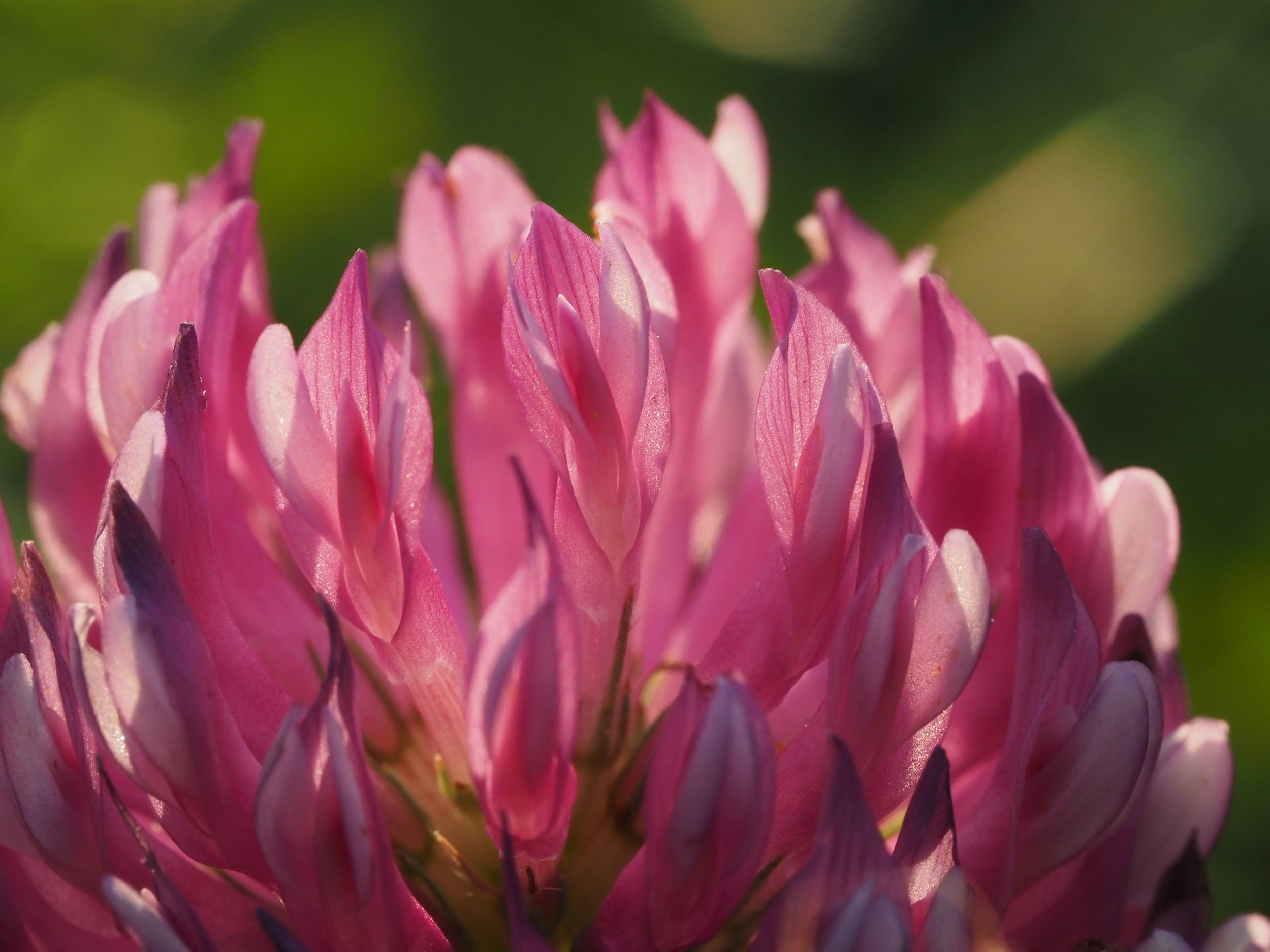
At a Glance
Red clover is a soft, nitrogen-fixing perennial known for its rounded pink-purple blossoms and ability to enrich the land where it grows.
Often associated with renewal, balance, and nourishment, it has a long history of use in meadow-based herbal traditions. Red clover is commonly associated with Medicinal, Herbal Tea, Metaphysical/Spiritual, and Artistic/Crafting uses..
Read to the end for all details.
Traditional & Common Uses
Red clover has traditionally been viewed as a gentle, restorative plant, with a variety of uses, as described below.
-
Medicinal
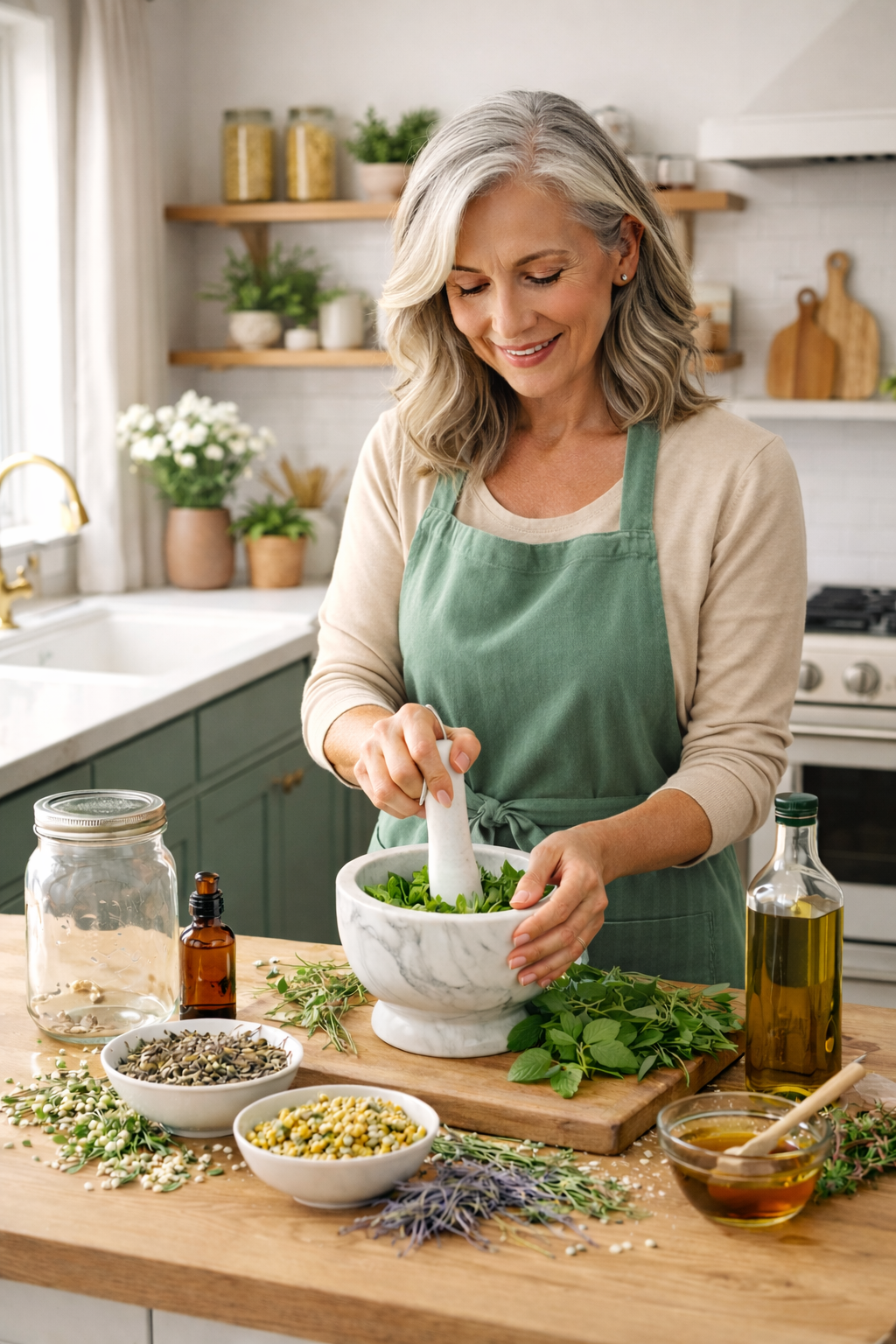
In traditional herbalism, red clover has been associated with cleansing and supportive practices. Historically, it has been used in teas, infusions, and extracts as part of broader wellness traditions rather than for acute use.
Red clover contains isoflavones (plant estrogens) used traditionally for menopause, skin issues like eczema, and "blood purification," potentially aiding cardiovascular health and osteoporosis by mimicking estrogen, though research on these benefits is mixed. Isoflavones may help relieve hot flashes and night sweats by mimicking estrogen.
-
Metaphysical/Spiritual
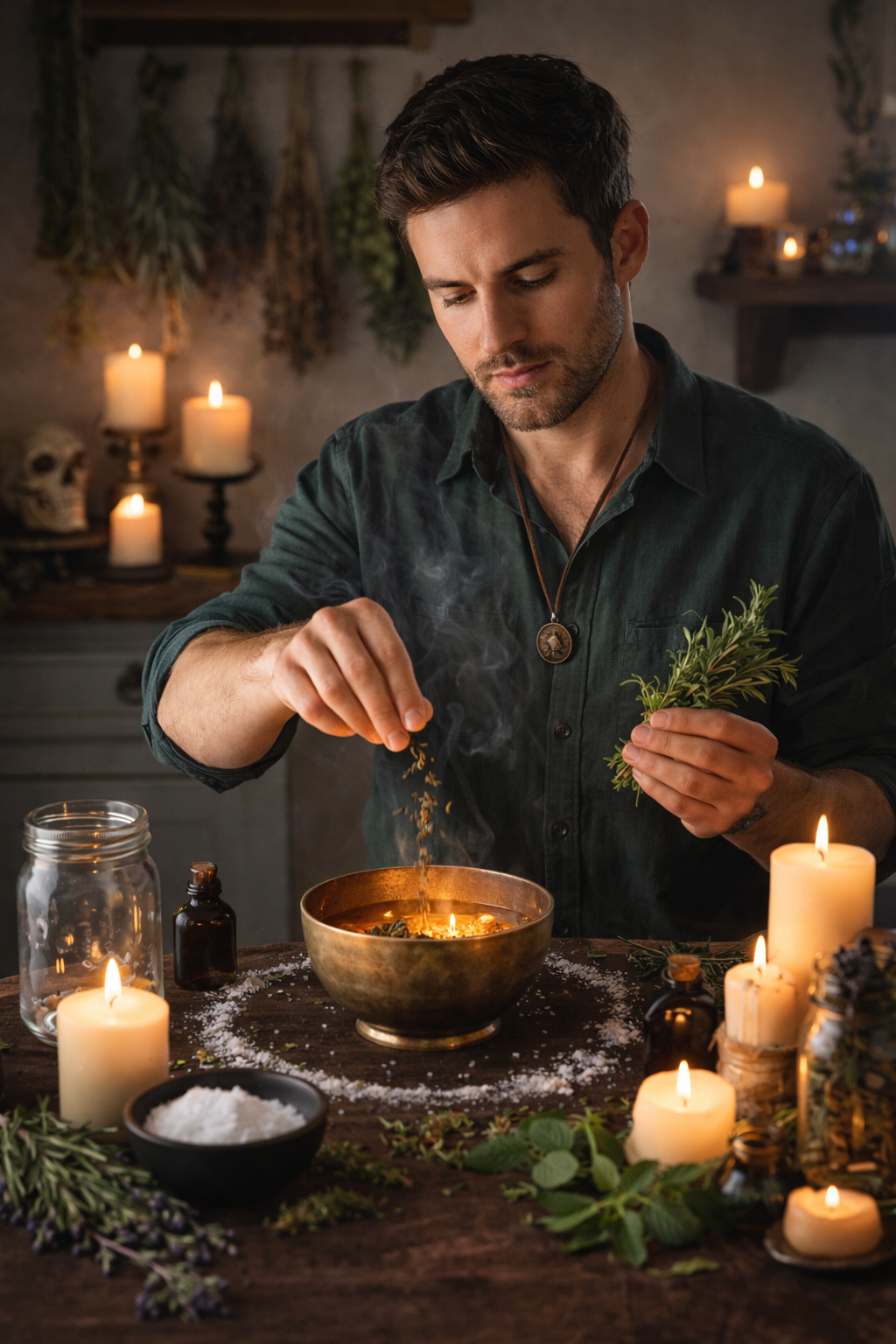
Metaphysically, red clover is a powerful herb for luck, abundance, and protection, used in spells for wealth, fertility, and good fortune, often linked to the Triple Goddess due to its three-leaf structure.
It is believed to purify auras, enhance intuition, open spiritual pathways, and offer protection during spiritual journeys, while its four-leaf variant specifically brings happiness and can ward off evil.
-
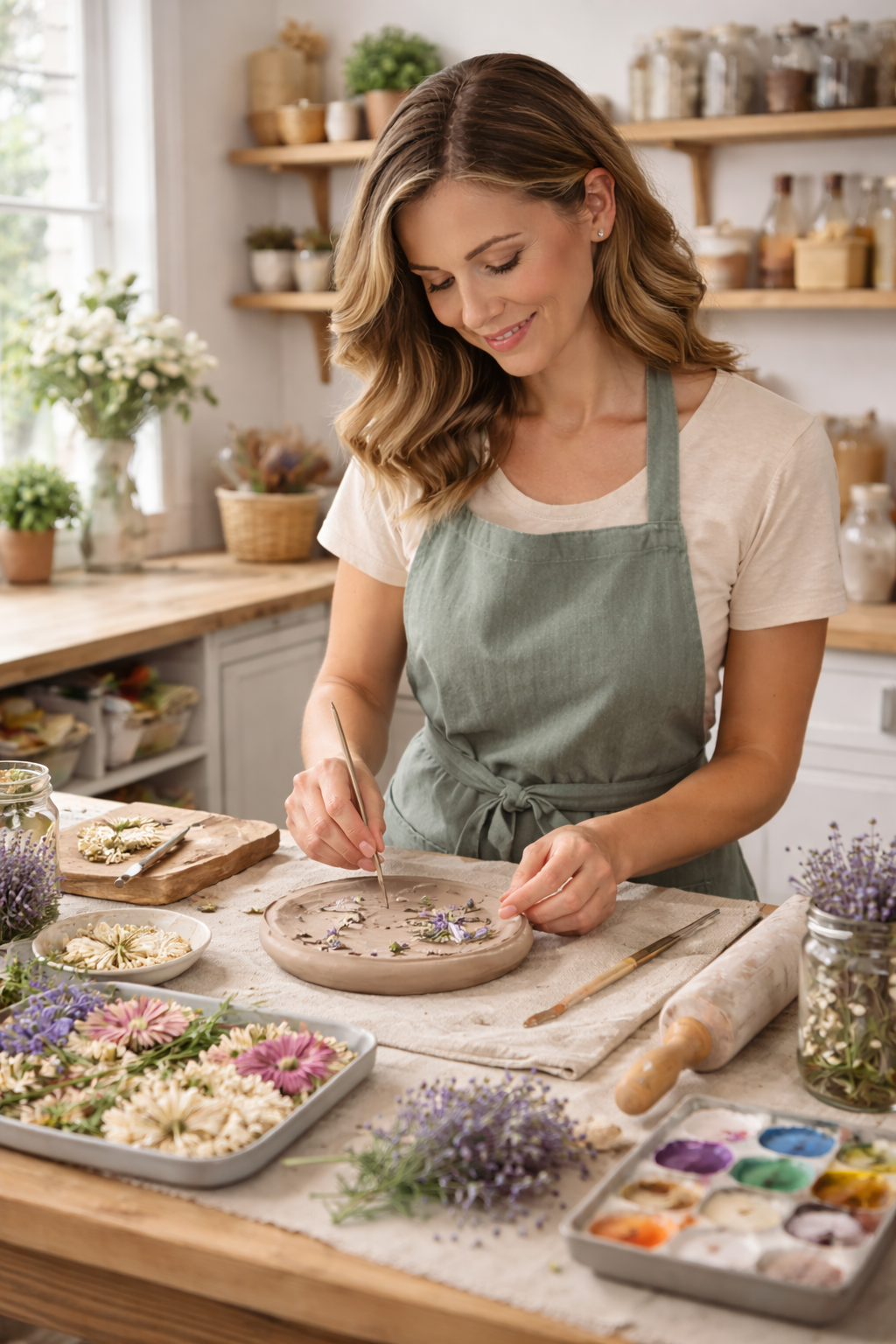
Artistic/Crafting
The bright blossoms of red clover are often used in pressing, wreaths, and visual craft projects. When dried carefully, they retain much of their color and add a soft meadow feel to seasonal arrangements.
-
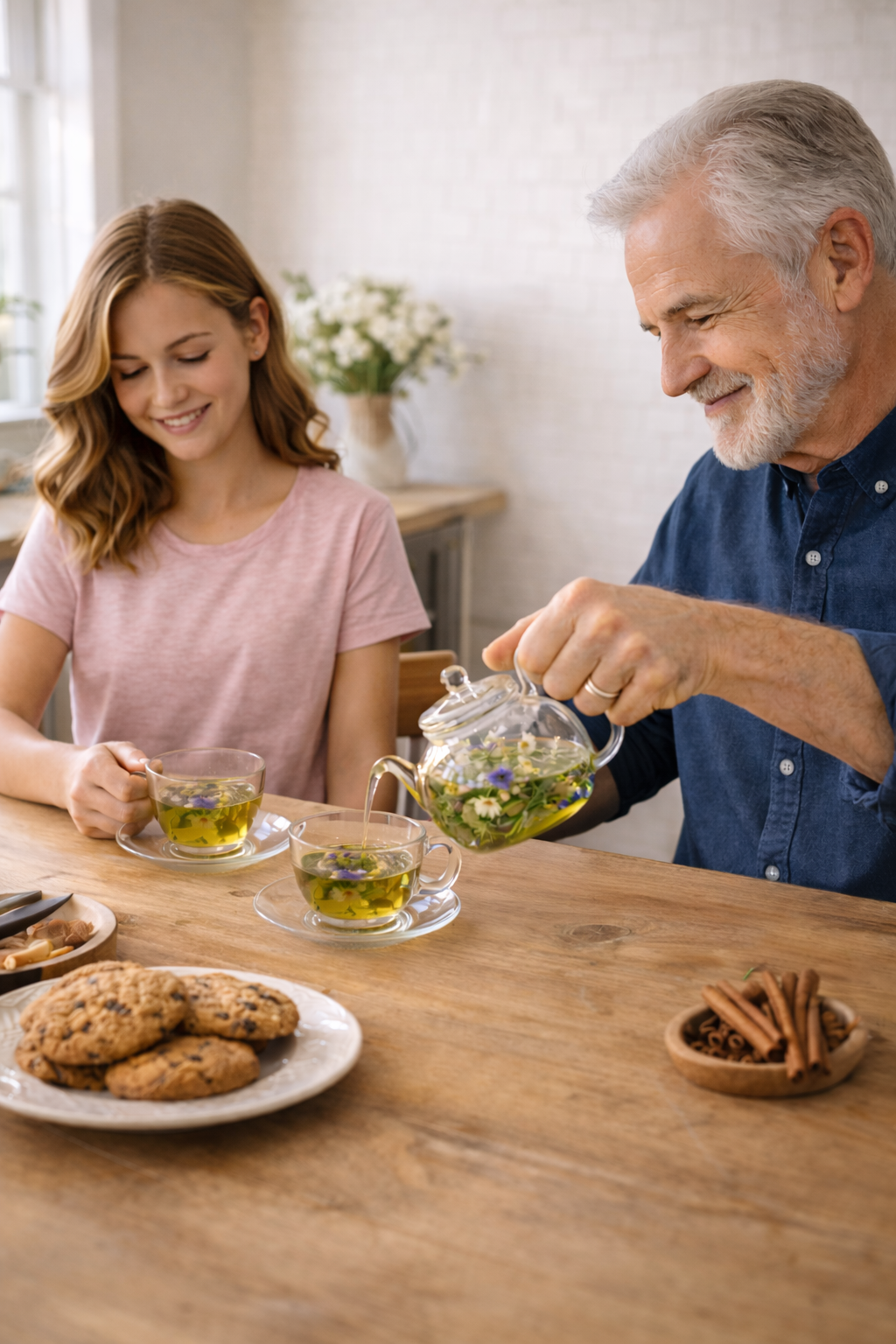
Herbal Teas
Red clover blossoms are traditionally prepared as a mild, slightly sweet infusion. The tea is often enjoyed on its own or blended with other gentle herbs, especially in seasonal or nourishing blends.
Our Current Relationship With This Plant
Red clover is a plant that belongs to the land as much as to the apothecary. We’re drawn to its role in supporting soil health, pollinators, and biodiversity, as well as its long-standing place in gentle herbal traditions. On the farm, we continue learning the best timing for harvest and how its presence shifts across the growing season.
Learn more about how we grow and harvest our herbs.
Typical Availability
Late Spring–Summer: Fresh red clover blossoms
Year-Round: Dried red clover blossoms (as available)
Form: Loose blossoms
Visit our Farm Products page for current availability.
A Gentle Note
Red clover should be avoided with any condition that might be made worse by estrogen, such as breast, uterine, or ovarian cancer, endometriosis, or uterine fibroids.
Do not use if pregnant or breastfeeding, as its hormonal effects could disrupt normal hormone balances.
Information here reflects traditional use, observation, and personal experience, shared for educational purposes. How a plant is used—or whether it’s appropriate for you—can vary. Please research individual herbs or consult a qualified professional when needed.