
Herbal Profile
Rosemary
Rosmarinus Officinalis
Family: Lamiaceae (Mint family)
At a Glance
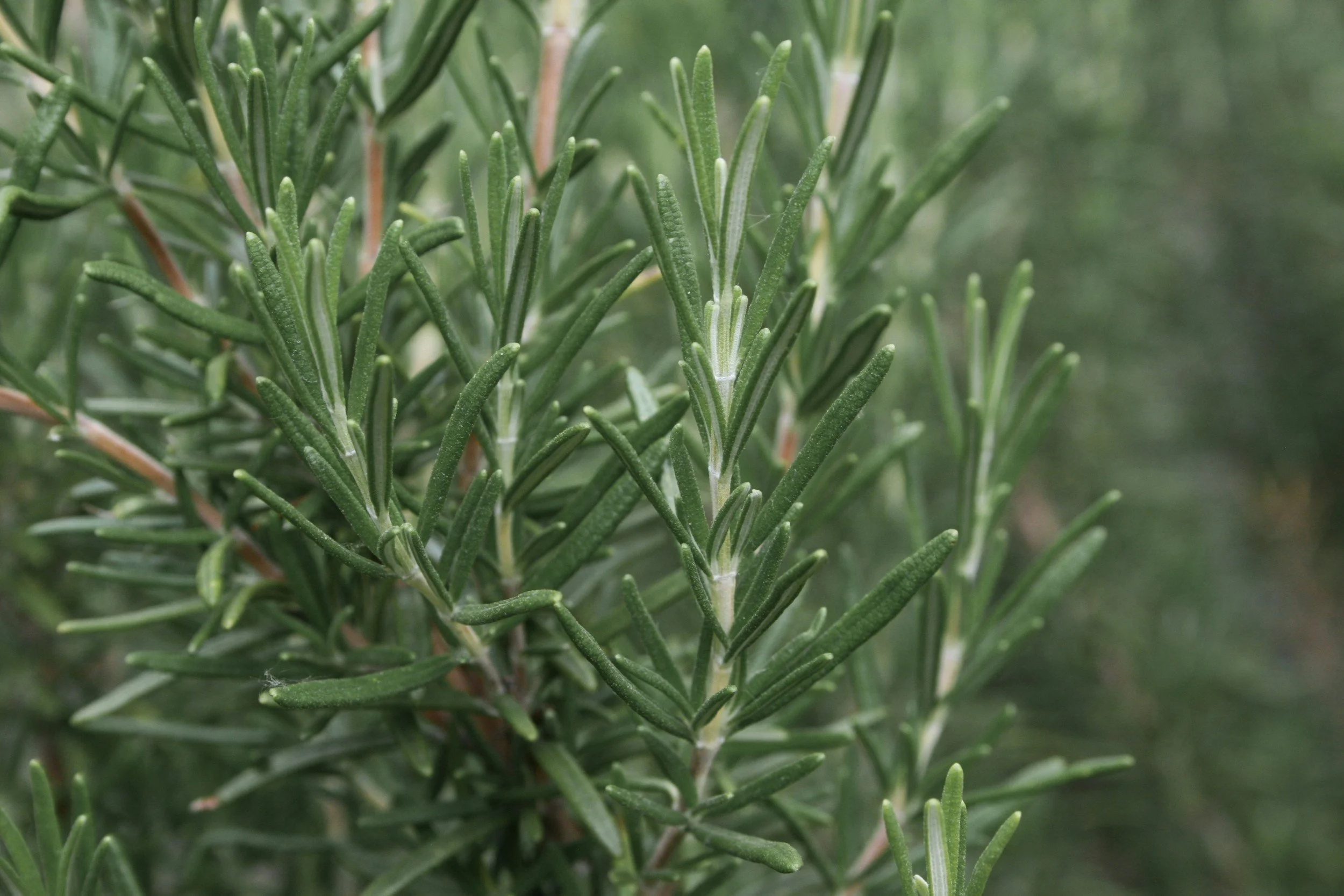
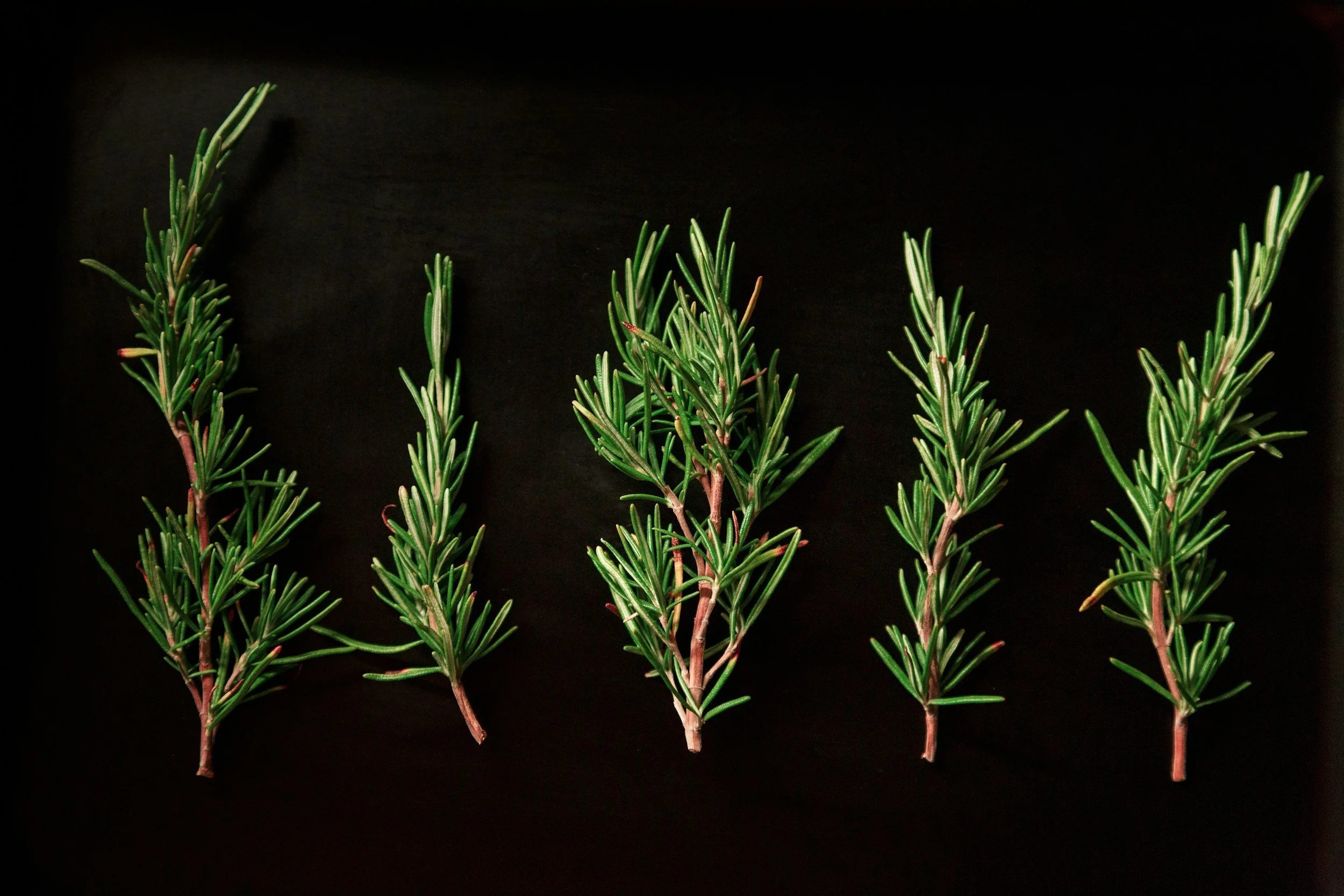
Rosemary is a woody, aromatic evergreen herb long associated with both the kitchen and the garden. With its needle-like leaves and unmistakable scent, it has been valued for centuries as a plant of memory, flavor, and resilience. On our farm, rosemary is part of our ongoing exploration of perennial herbs and how they establish over time in this landscape.
Read to the end for all details.
Traditional & Common Uses
Herbs often serve more than one purpose, and rosemary’s strong character has earned it a place in many traditions, as described below.
-

Culinary
has been widely used in cooking, particularly with roasted vegetables, meats, breads, and oils. Its bold, piney flavor holds up well to heat and pairs naturally with garlic, lemon, and olive oil. I personally enjoy the strong flavor of rosemary tincture in my morning coffee, and I love to use it to make rosemary simple syrup. We also use it in our Herbed Wine Salt (available on the Farm Productspage).
-
Medicinal
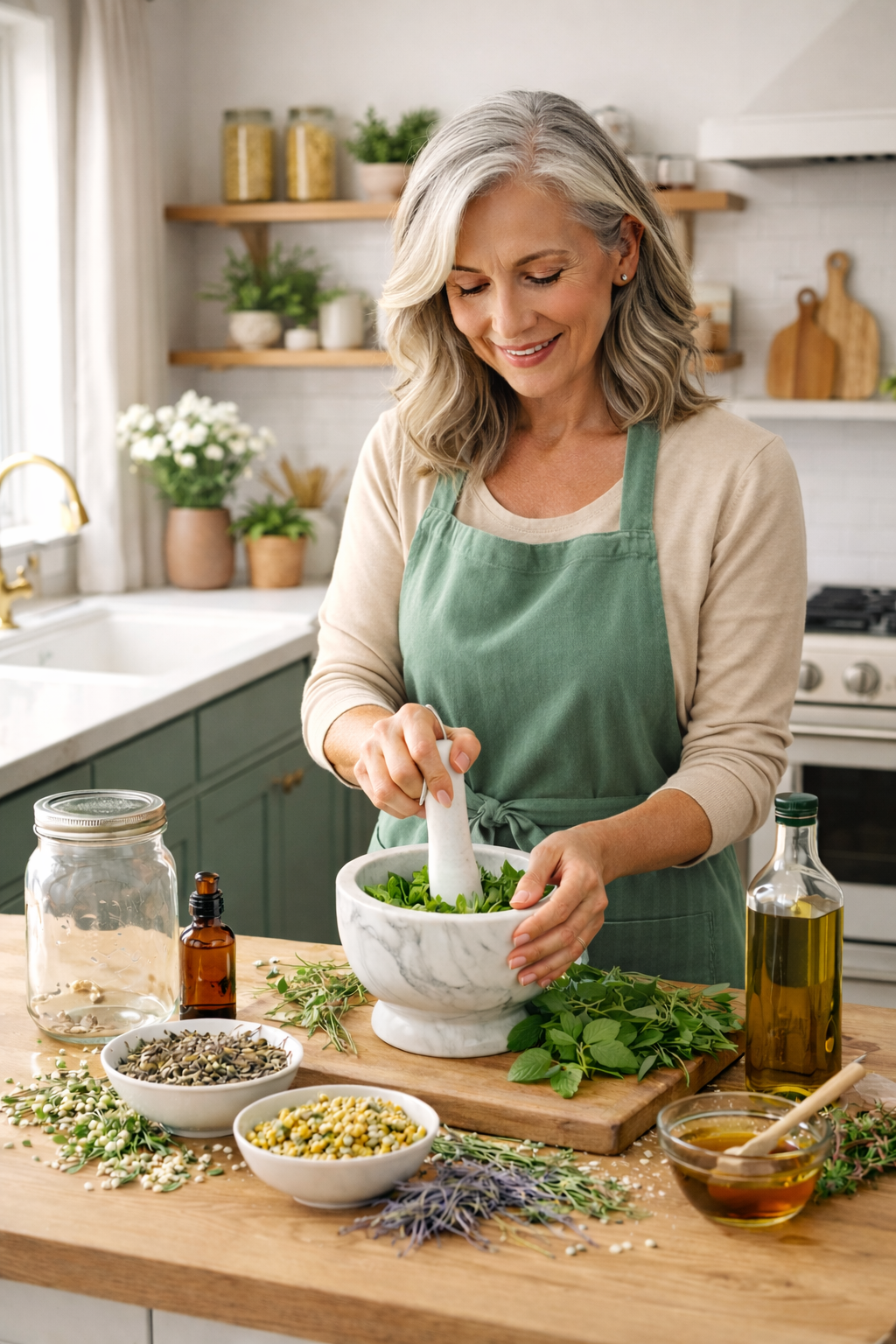
In traditional home herbalism, rosemary has often been associated with mental clarity, circulation, and overall vitality. Historically, it has appeared in infusions, tinctures, and topical preparations as part of everyday wellness traditions. It is packed with antioxidants and anti-inflammatory compounds, offering benefits for memory, mood, and circulation. It's used in folk medicine for stress relief, better digestion, pain, and hair growth, with studies showing promise for cognitive function, immune support, and antimicrobial effects, making it a versatile herb for overall wellness, although high doses need caution.
-
Metaphysical/Spiritual
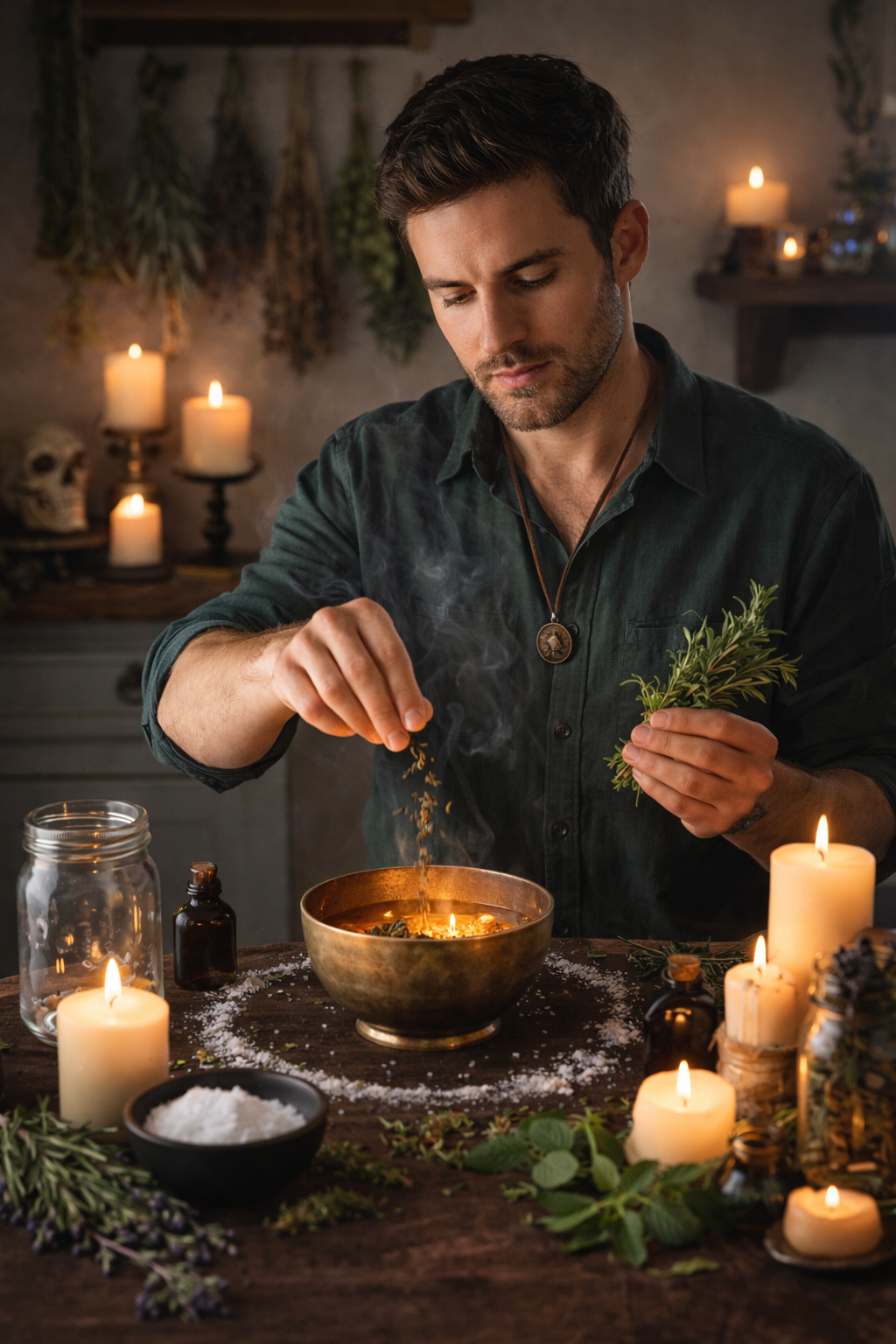
Rosemary's metaphysical properties center on purification, protection, memory, and love/fidelity. It is used in traditions for cleansing spaces (burning as incense or smudging), enhancing mental clarity and recall, improving focus, warding off negativity, promoting healing, psychic protection, and spiritual cleansing. It is used symbolically in weddings, funerals, and rites of passage, as well as in smudging rituals intended to clear or protect a space.
-
Artistic/Crafting
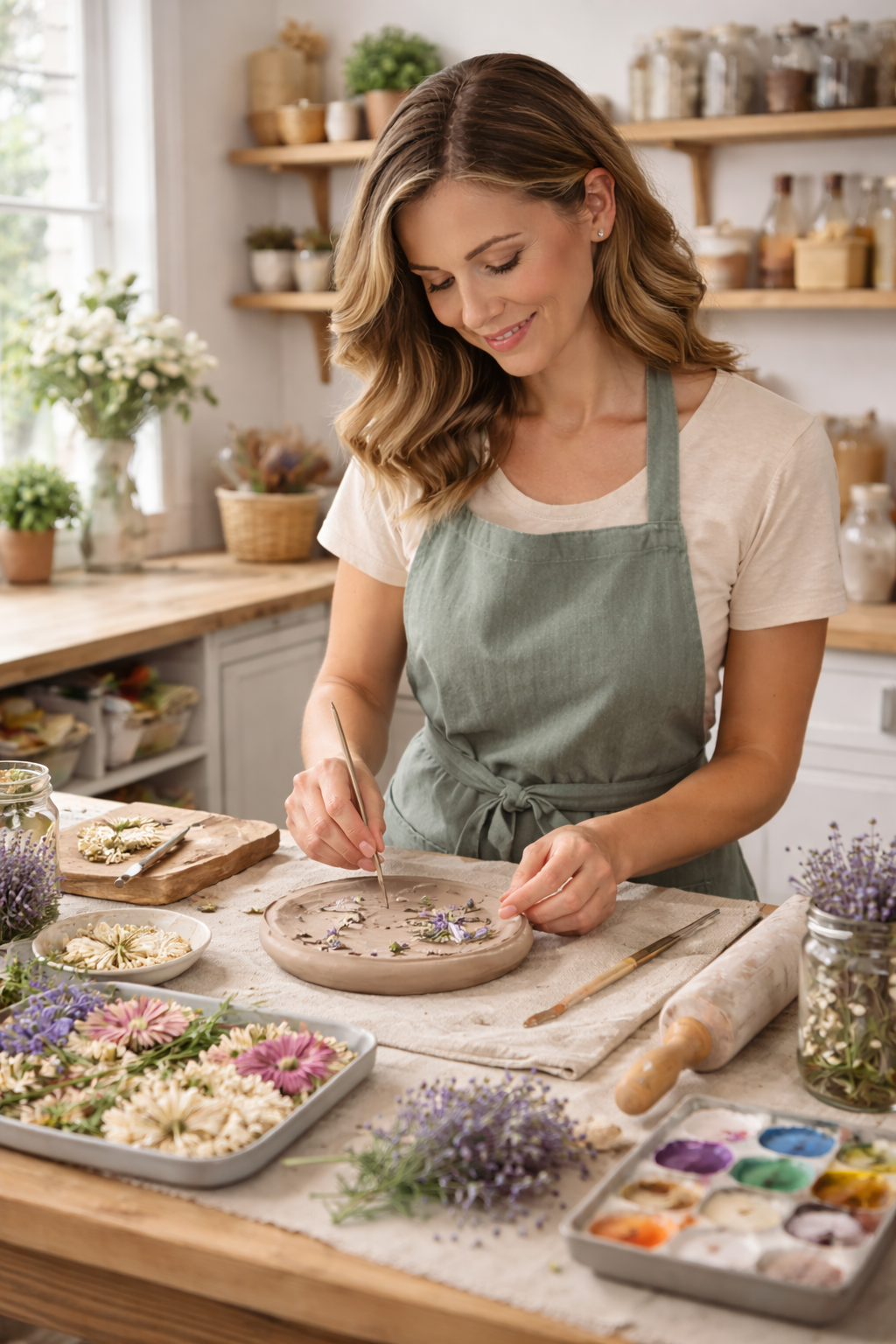
With its evergreen form and sturdy stems, rosemary works well in wreaths, bundles, and seasonal décor. It dries beautifully and retains much of its fragrance, making it a favorite for long-lasting craft projects as well as simmer pots and potpourri. Fresh sprigs tied to folded napkins or added to bouquets provide a fragrant and woodsy touch for weddings.
-

Cosmetic
Rosemary has traditionally been included in hair and skin preparations, valued for both its scent and its presence in cleansing or invigorating formulas. Infused oils and rinses appear frequently in historical cosmetic use. Rosemary oils and rinses are commonly used to promote hair growth and improve hair condition.
-
Herbal Teas
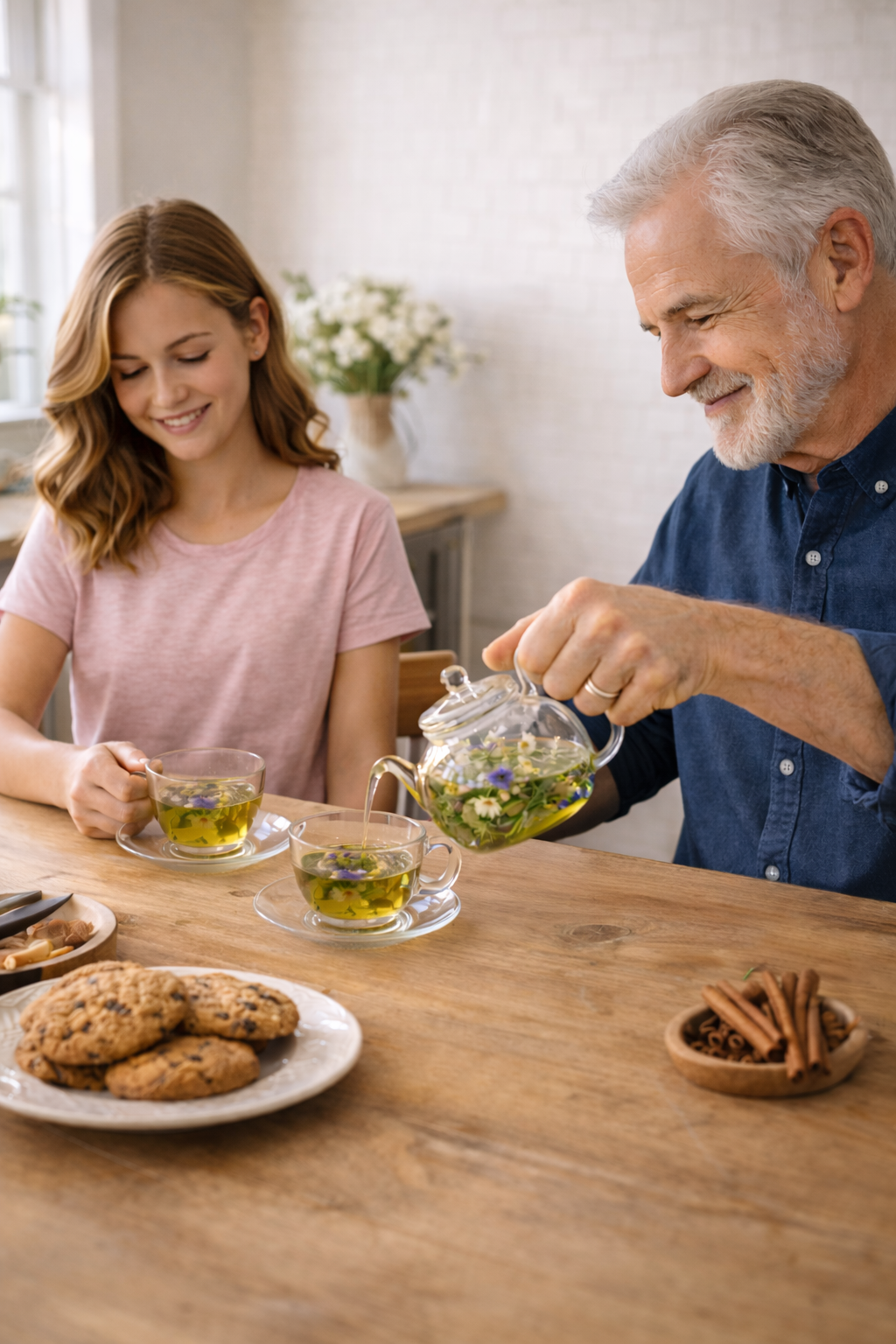
Rosemary is in herbal infusions, either alone or blended with other herbs. The flavor is strong and aromatic and is traditionally enjoyed in moderation, typically as a blend.
Typical Availability
Winter: Dried and a limited amout of fresh
Spring, Summer & Fall: Fresh & dried
Form: Sprigs (and sometimes destemmed needles)
Plant Starts: Might be available in the spring
Check the Farm Products page for current availability.
Our Current Relationship With This Plant
Rosemary feels like a bridge between our past and the present. It is familiar as a kitchen staple, and we often used it in the weddings we hosted here for many years. Now it offers new lessons as a staple crop. It’s a favorite herb that we’ve been working with for several years and it seems to do well here. We’re observing cold tolerance, growth habits, and overall vigor, as well as how well it adapts to our soil and seasonal conditions. As a perennial, it represents a longer-term investment and a lesson in patience.
Learn more about how we grow and harvest our herbs.
A Gentle Note
While beneficial, very high doses (such as consuming many leaves or a lot of oil) can be toxic, causing vomiting or other serious issues. Use in moderation.
Information here reflects traditional use, observation, and personal experience, shared for educational purposes. How a plant is used—or whether it’s appropriate for you—can vary. Please research individual herbs or consult a qualified professional when needed.