
Herbal Profile
Sage
Salvia Officinalis
Family: Lamiaceae (Mint family)
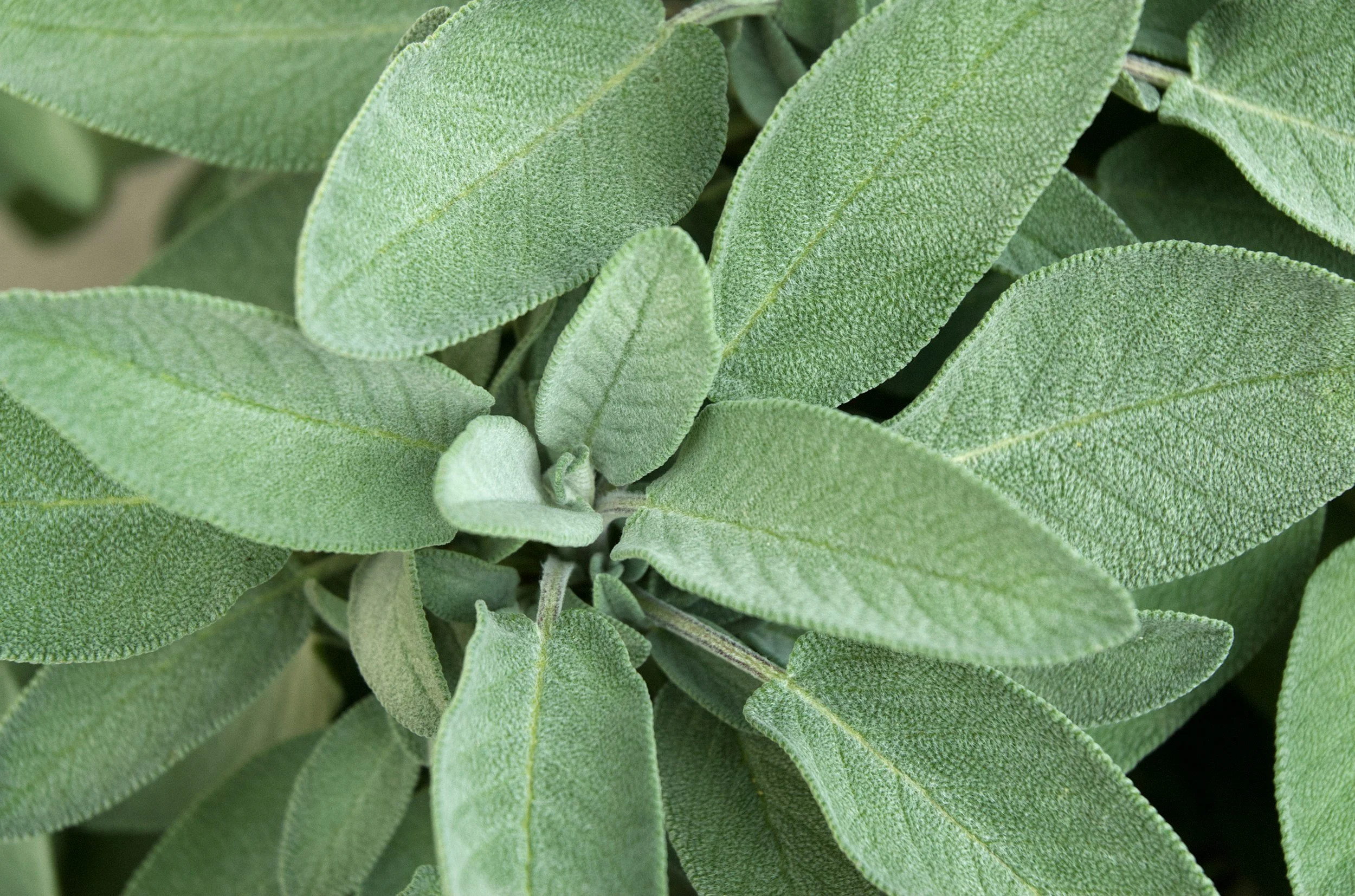
Garden Sage
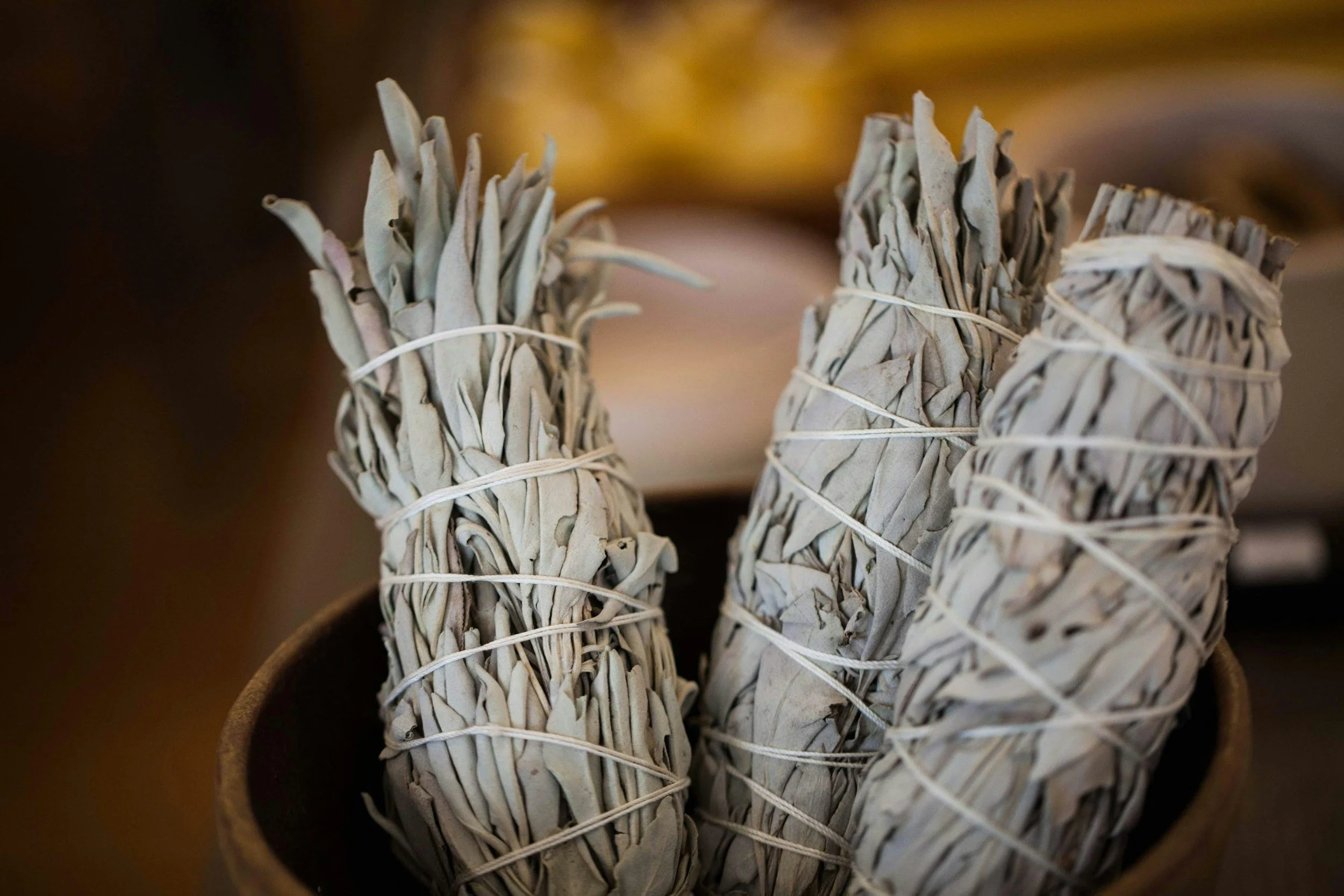
Tied White Sage
At a Glance
Sage is a hardy, aromatic perennial herb long valued for its earthy scent, culinary strength, and symbolic meaning. With soft, silvery-green leaves and a deep-rooted presence in gardens and traditions alike, sage is a plant that feels both practical and ceremonial. On our farm, it represents continuity, resilience, and the quiet power of well-established herbs.
Read to the end for all details.
Traditional & Common Uses
Herbs often serve more than one purpose, and sage has held a prominent place across many cultures and eras, as described below.
-

Culinary
Sage has been widely used in cooking, particularly in savory dishes, stuffings, sausages, and roasted vegetables. Its bold, earthy flavor pairs well with rich foods, butter, squash, poultry, and root vegetables.
We use it in our Herbed Wine Salt (available on the Farm Products page).
-
Medicinal
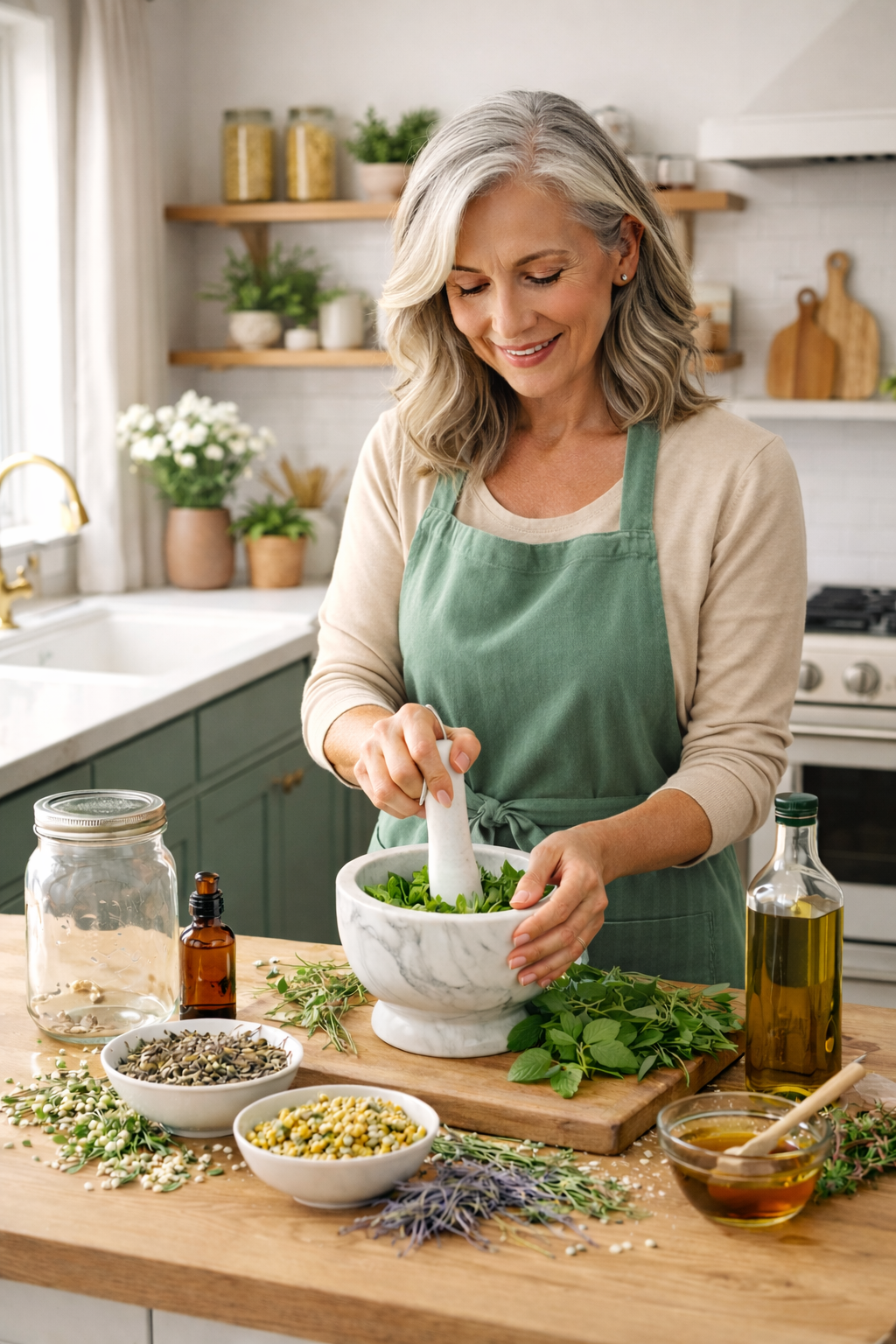
In traditional home herbalism, sage is associated with throat support, digestion, and overall balance. Historically, it has been prepared as teas, gargles, and infusions as part of everyday wellness practices. is used medicinally for menopause relief (hot flashes), cognitive support (memory), digestive issues (gas, indigestion, diarrhea), sore throats, blood sugar control, and as an antiseptic for infections, benefiting oral health, skin, and wounds, though pregnant women should avoid it. Its antioxidant and antimicrobial properties support overall wellness.
-
Metaphysical/Spiritual
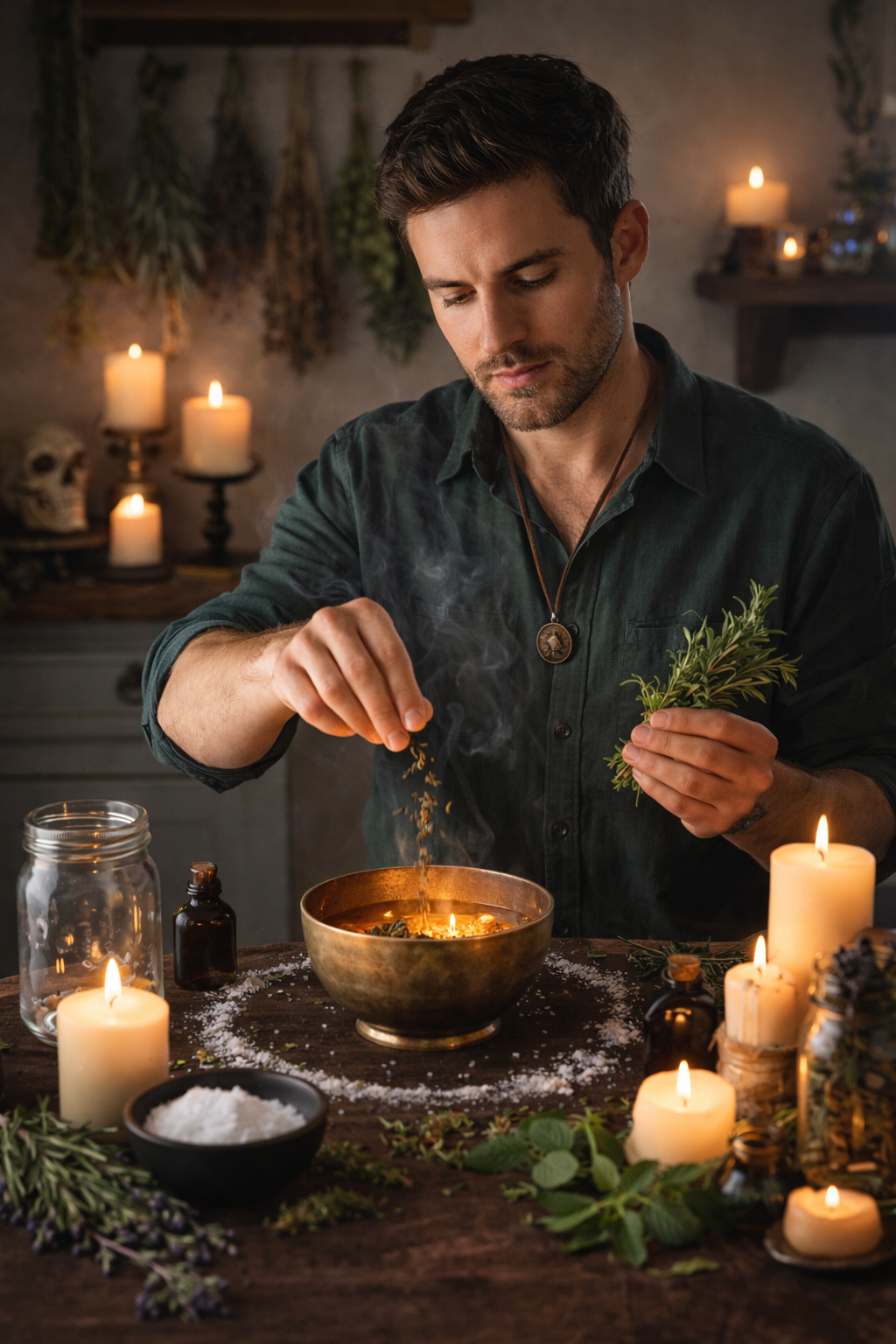
Sage’s primary metaphysical properties are purification, protection, and wisdom. It is used traditionally for clearing negative energy from spaces, people, and objects, enhancing intuition, promoting healing (especially grief), in practices tied to memory and ancestral knowledge, and fostering spiritual connection, often through the practice of smudging (burning dried sage).
White sage (Salvia apiana) is especially revered for powerful purification, protection, and spiritual cleansing, dispelling negative energies, promoting inner peace, clarity, and wisdom through smudging rituals, and fostering deep spiritual connection, healing, and balance in spaces and auras. It's used to clear old energies, welcome new beginnings, and create harmonious, positive atmospheres, symbolizing wisdom, strength, and connection to the earth.
-
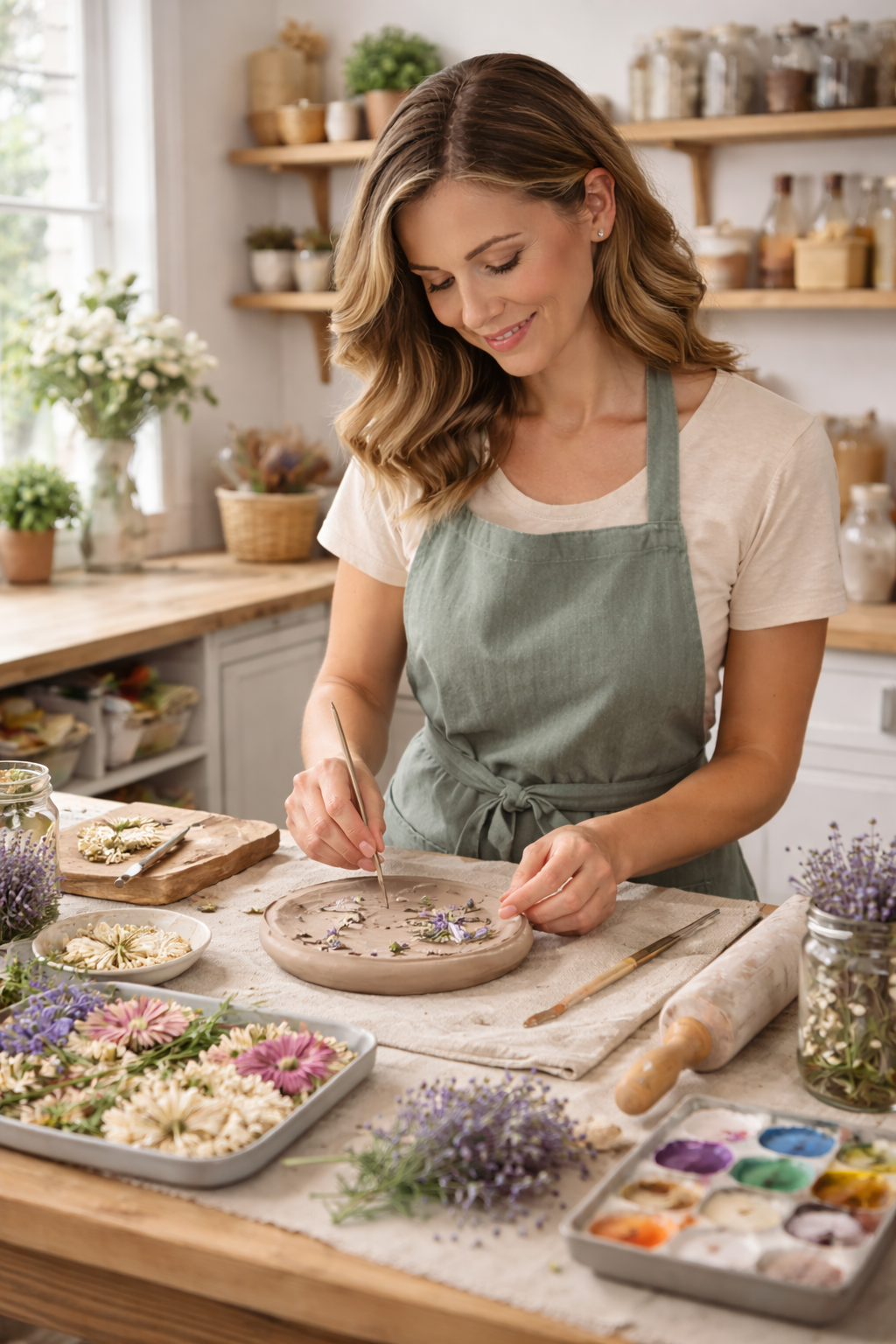
Artistic/Crafting
With its sturdy stems and soft, textured leaves, sage works well in bundles, wreaths, and dried arrangements. Its muted color palette makes it especially appealing for natural and seasonal craft projects
-

Cosmetic
Sage has traditionally appeared in skin and hair preparations, often valued for its scent and inclusion in cleansing or clarifying formulas. Infused oils and rinses are common in historical cosmetic use.
-
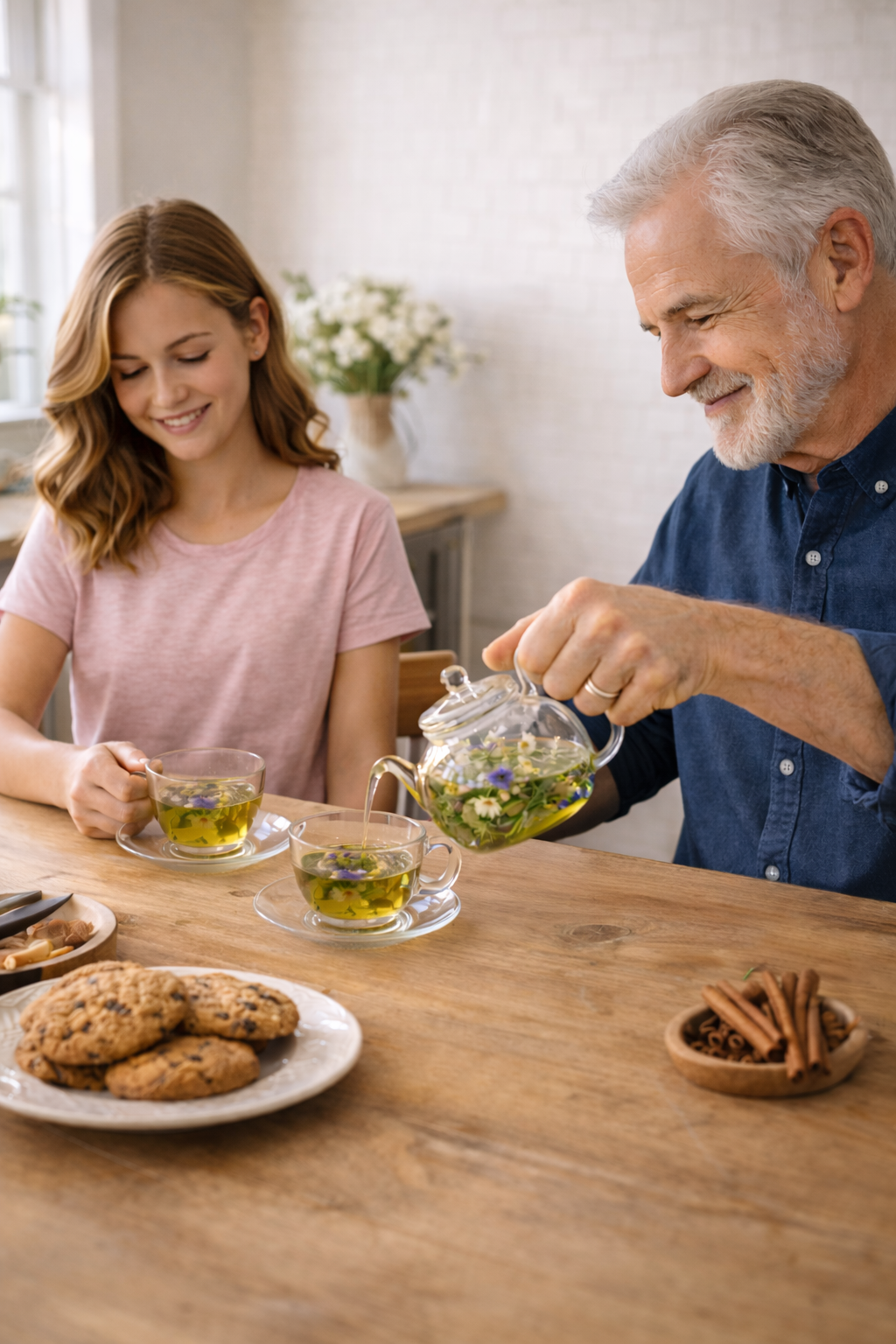
Herbal Teas
Sage has been used in herbal infusions, often enjoyed warm and in moderation. The flavor is strong and savory, and it has traditionally been prepared as a simple tea or blended with other herbs.
Our Current Relationship With This Plant
Sage is being grown intentionally in our garden beds in two varieties — garden sage and white sage. We started experimenting with it two years ago. We’re observing how it establishes over time, responds to pruning, and handles seasonal shifts. As a perennial herb, sage offers insight into longer-term planting decisions and the rhythms of tending plants that return year after year. We’re learning how it adapts to our soil, how harvesting affects long-term health, and how it may fit into future offerings, whether culinary, ceremonial, or craft-focused.
Learn more about how we grow and harvest our herbs.
Typical Availability
Winter: Dried
Spring, Summer & Fall: Fresh & dried
Form: Dry chopped, fresh leaves or bundles, tied sage sticks for smudging
Plant Starts: Posibly available in the spring
Check the Farm Products page for current availability.
A Gentle Note
Pregnancy/Nursing: Avoid sage unless directed by a doctor, as it can affect hormones.
Diabetes: Monitor blood sugar closely if using for diabetes.
Information here reflects traditional use, observation, and personal experience, shared for educational purposes. How a plant is used—or whether it’s appropriate for you—can vary. Please research individual herbs or consult a qualified professional when needed.