
Herbal Profile
Lemon Balm (Melissa)
Melissa Officinalis
Family: Lamiaceae (Mint family)
At a Glance
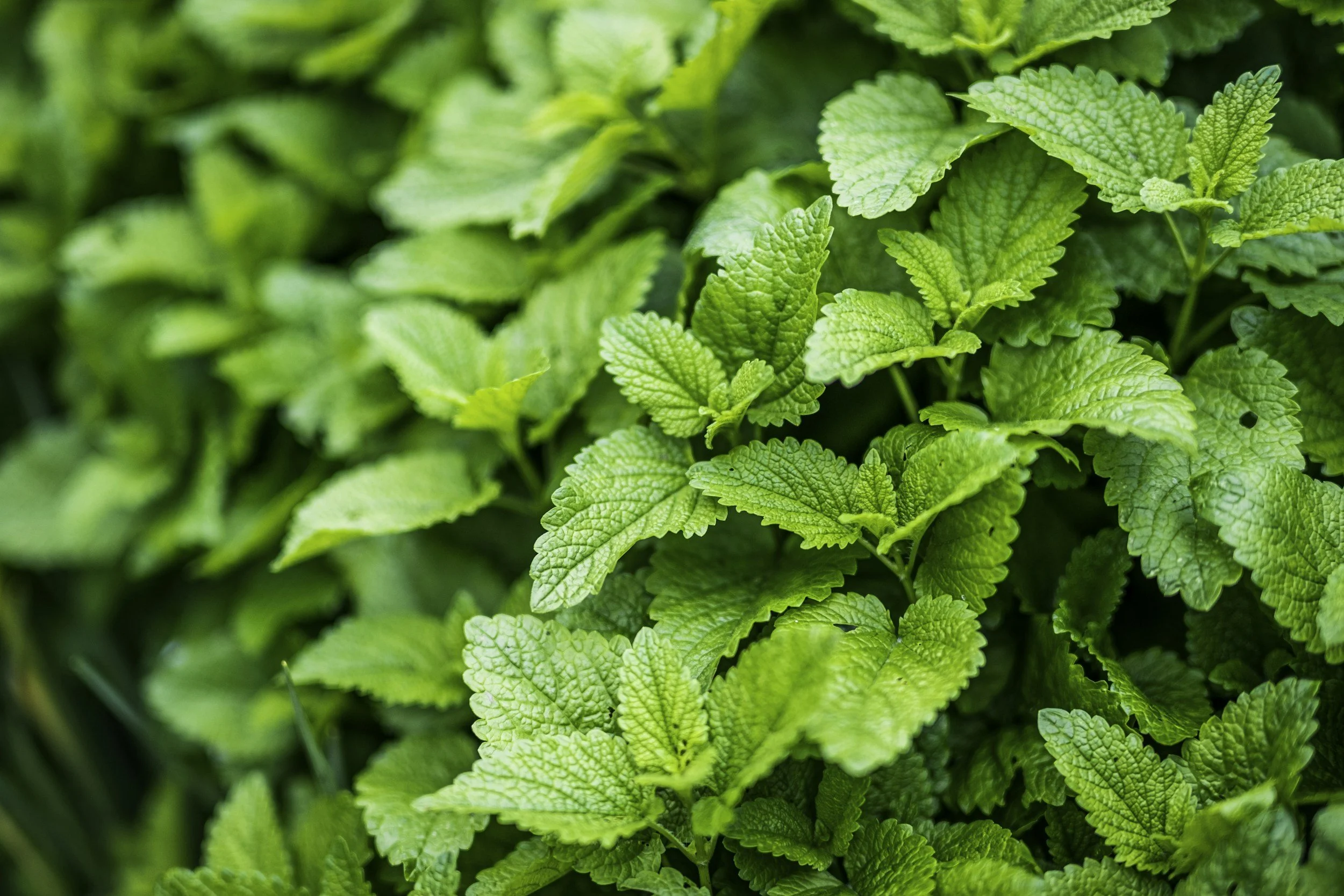
Lemon balm is a bright, lemon-scented perennial herb with a long history of use in gardens, kitchens, and home herbal traditions. It is commonly associated with Culinary, Medicinal, Metaphysical/Spiritual, Cosmetic, and Herbal Tea uses, and is especially valued for its gentle, uplifting nature.
Read to the end for all details.
Traditional & Common Uses
Herbs often serve more than one purpose and uses can vary widely by culture and tradition, as described below.
-

Culinary
Lemon balm has traditionally been used to add a light citrus note to foods and beverages. It appears in salads, desserts, syrups, vinegars, summer drinks and herbal teas, and is often paired with fruit, honey, and mild herbs.
-
Medicinal
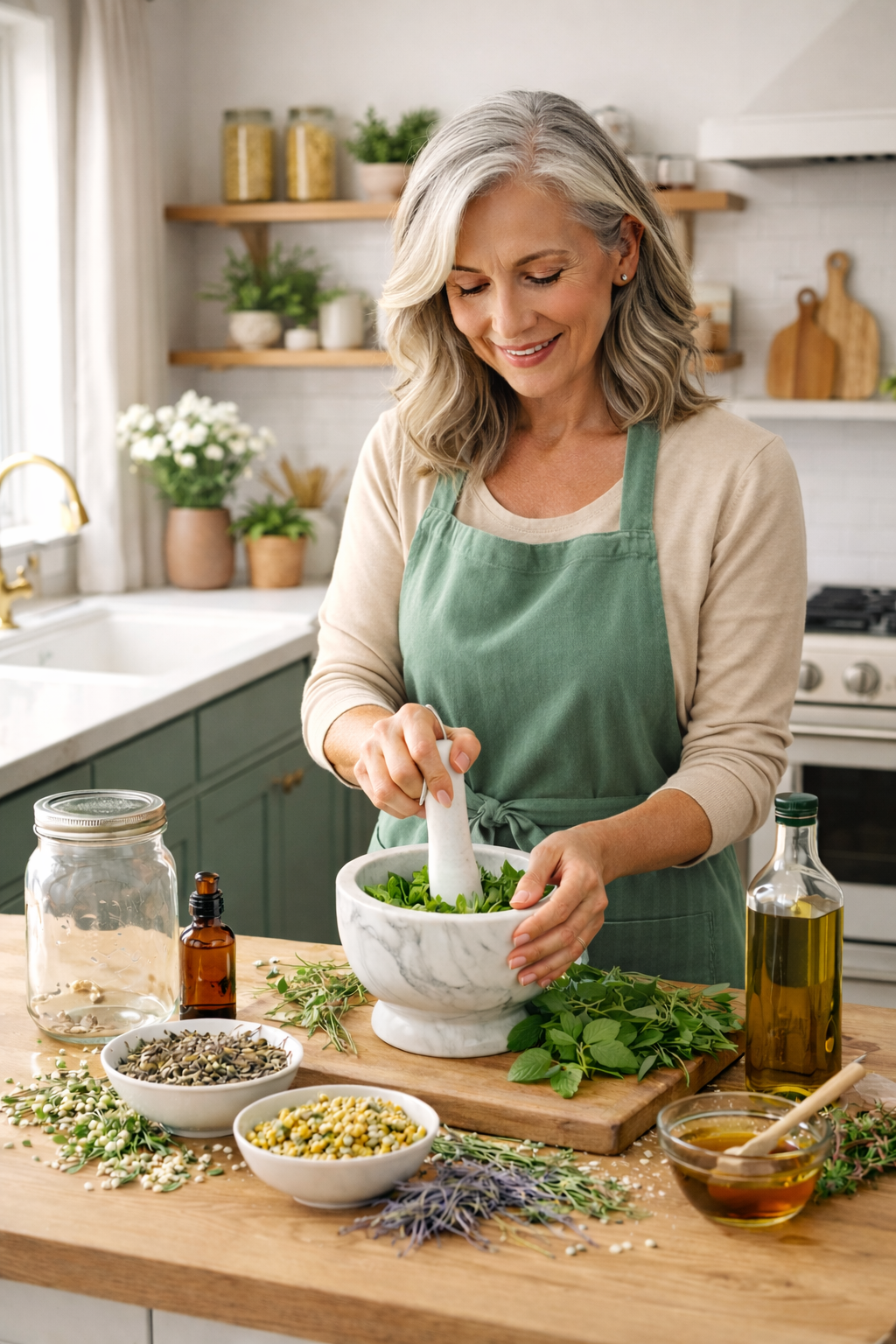
Lemon balm has a long history in traditional home herbalism and European folk medicine.
Traditionally used for calming the nervous system and supporting emotional balance. Historically associated with relaxation, mood support, and gentle digestive comfort. Lemon balm offers benefits for stress, sleep, digestion, and skin, primarily due to its calming, antioxidant, and antiviral properties, helping reduce anxiety, ease insomnia, soothe bloating, and fight cold sores. It is used as tea, supplements, or topical creams to improve mood, cognitive function, PMS, and even potentially help with herpes simplex virus (HSV-1). -
Metaphysical/Spiritual
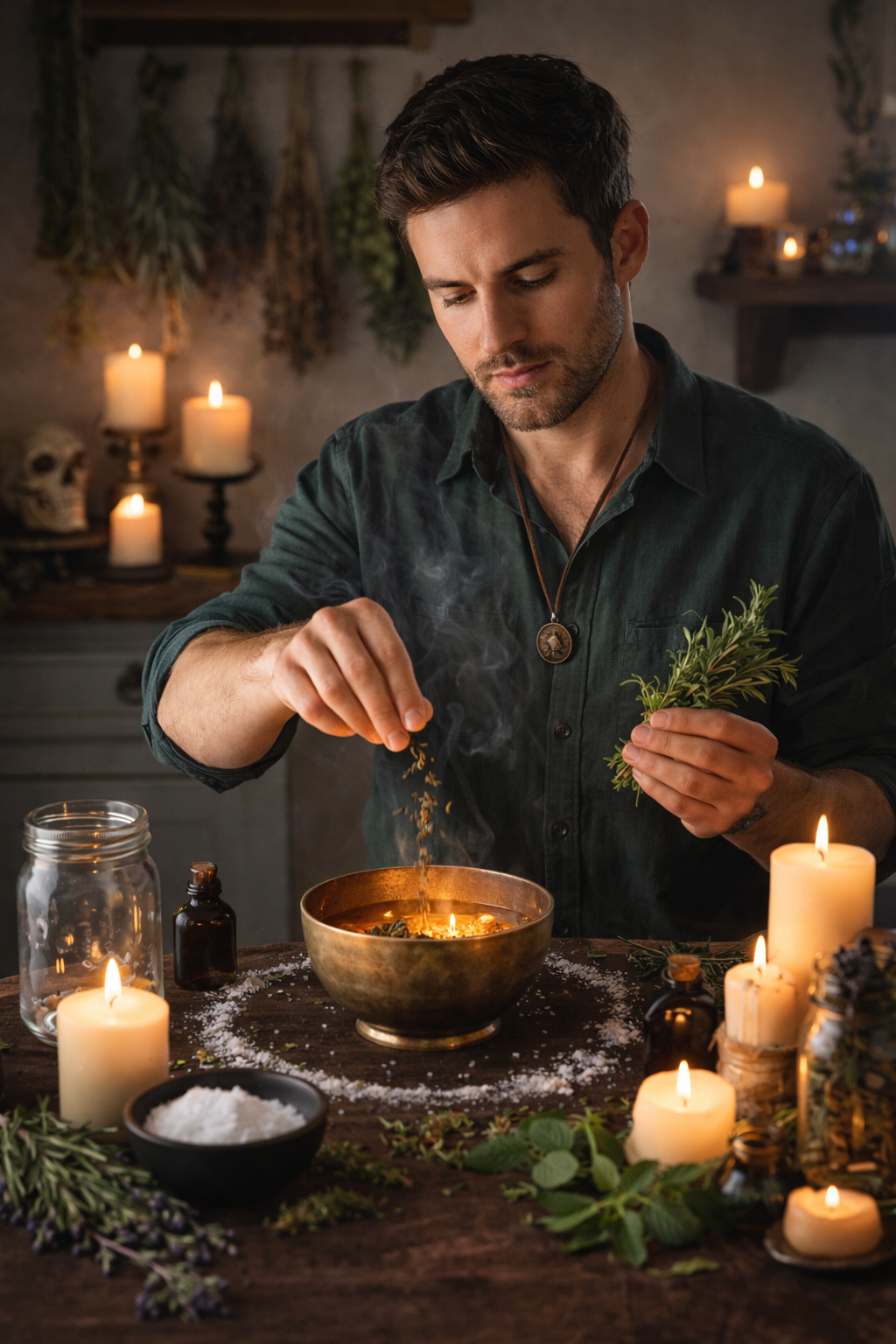
Lemon balm has been symbolically associated with joy, emotional healing, uplifted spirits and gentle renewal. In folklore and spiritual traditions, it is often linked with easing heavy emotions, encouraging openness, and bringing a sense of lightness to both people and spaces. It is used in workings for stress relief, attracting friendship/love, mending hearts, boosting intuition, cleansing spaces, and promoting abundance through its bright, sunny, and lunar vibes.
-
Artistic/Crafting
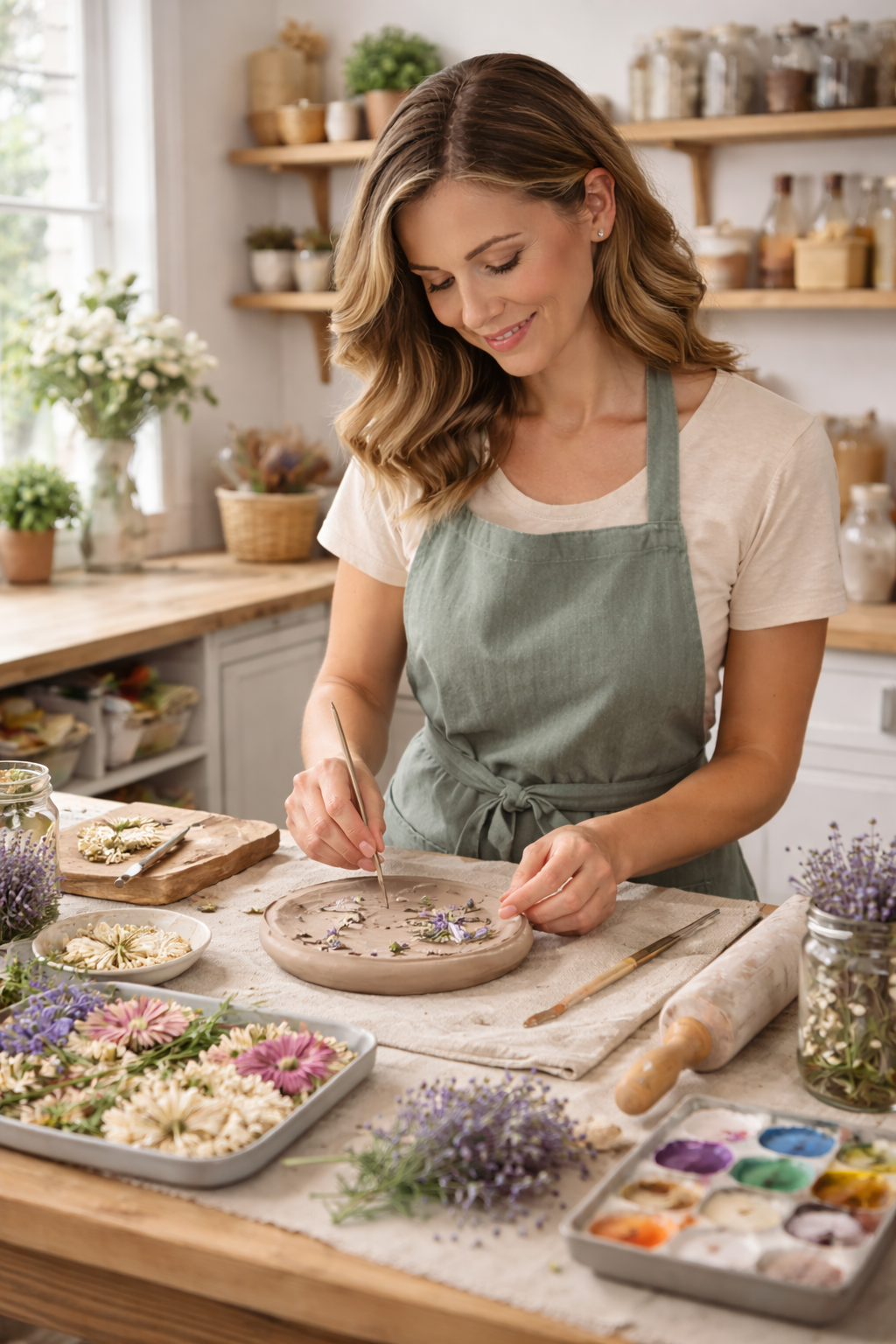
With its soft green leaves and fresh aroma, lemon balm is sometimes included in herbal bundles, sachets, and sensory craft projects. Its scent makes it especially appealing for hands-on and aromatic creations, such as simmer pots and potpourri.
-

Cosmetic
Lemon balm has traditionally appeared in topical and aromatic preparations, valued for its fresh scent and inclusion in gentle skin and body-care traditions. It has been used in infused oils, balms, and waters intended for everyday care.
-
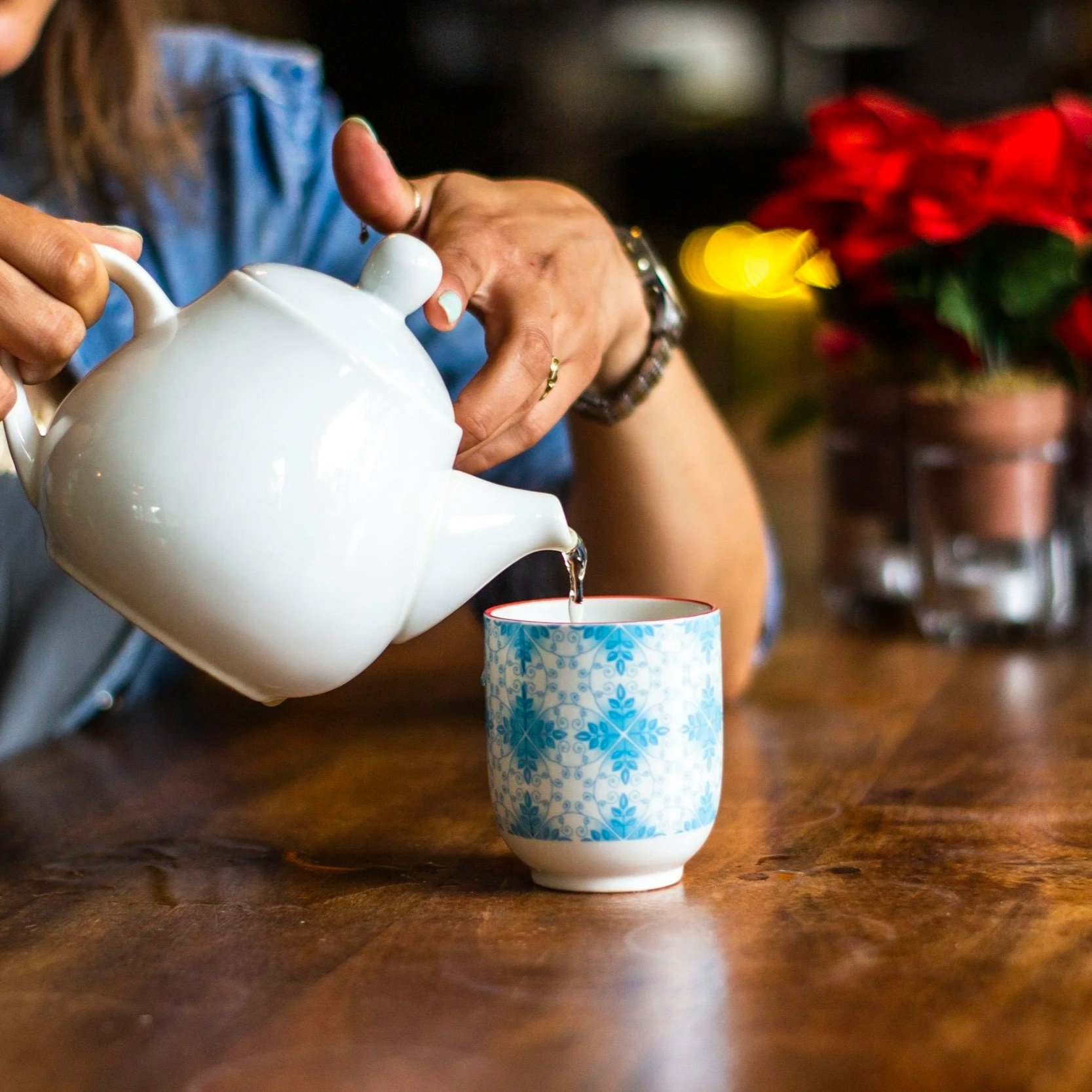
Herbal Teas
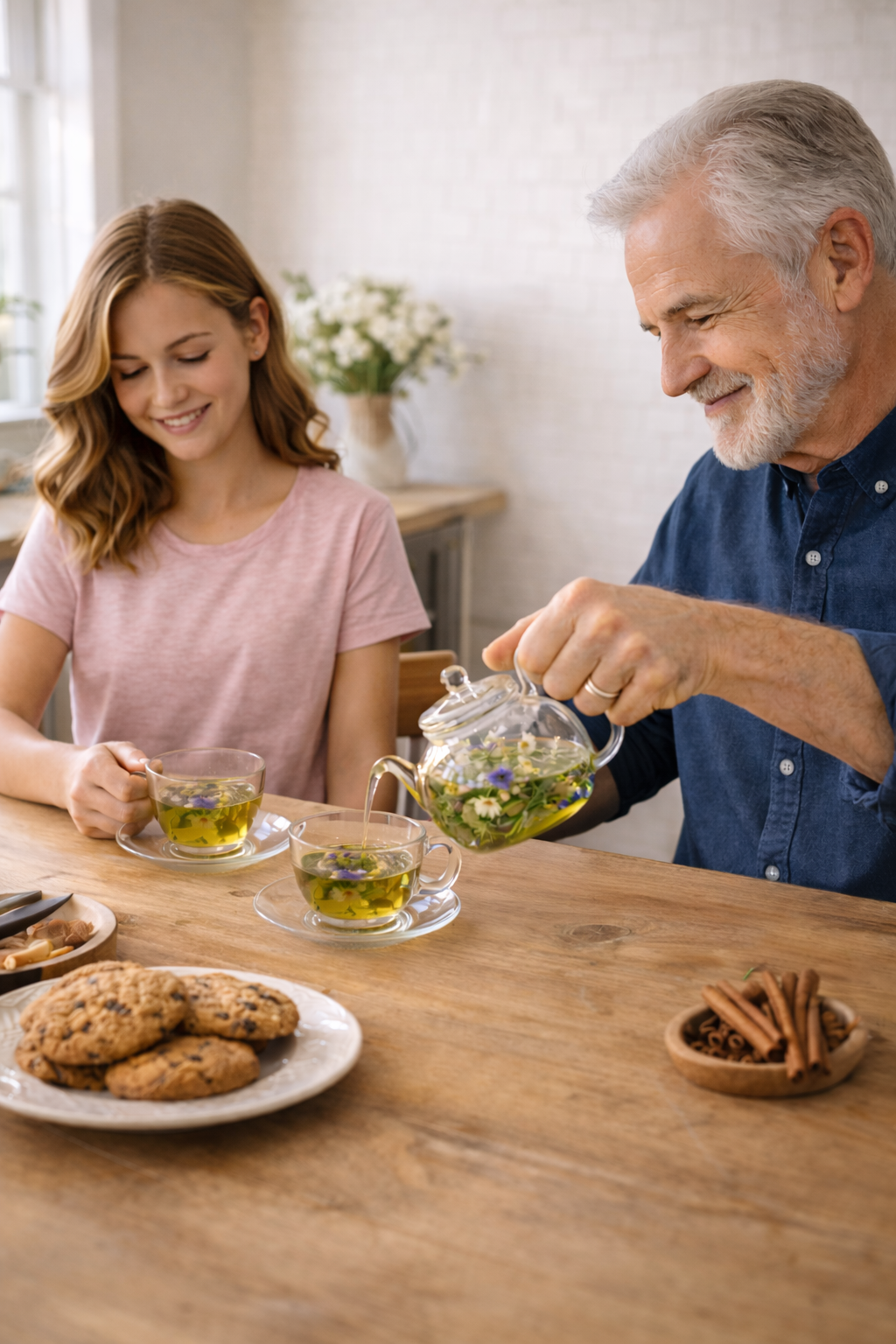
Lemon balm is widely used as an herbal tea, either on its own or blended with other calming or aromatic herbs. The flavor is mild, lemony, and slightly sweet, making it a popular choice for evening or reflective teas.
Our Current Relationship With This Plant
Lemon balm feels generous and welcoming—a plant that grows readily and invites frequent harvesting. We’re just beginning to cultivate this herb and learn it’s value. We’re learning how it spreads, how harvest timing affects aroma, and how it might fit into future offerings across multiple use categories, from teas to topical preparations.
Learn more about how we grow and harvest our herbs.
Typical Availability
Winter: Dried
Spring, Summer & Fall: Fresh & dried
Form: Loose leaf, bundled
Check the Farm Products page for current availability.
A Gentle Note
There are several precautions associated with lemon balm, primarily involving its use during pregnancy and breastfeeding, interactions with certain medications (especially sedatives and thyroid drugs), and specific medical conditions like thyroid disease.
Information here reflects traditional use, observation, and personal experience, shared for educational purposes. How a plant is used —or whether it’s appropriate for you— can vary. Please research individual herbs or consult a qualified professional when needed.