
Herbal Profile
Self Heal
Prunella vulgaris
Family: Lamiaceae (Mint family)
Also known as: Heal-All, All-Heal, Woundwort
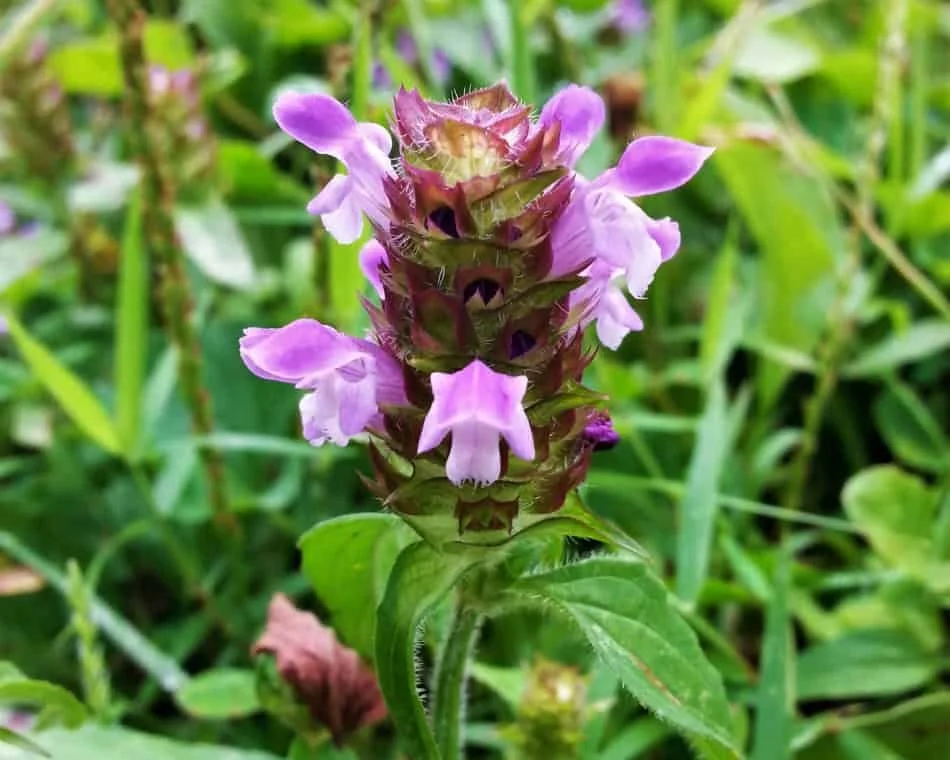
At a Glance
Self Heal is a low-growing perennial herb with small purple flowers and a long history of use in traditional herbal practices. Often found in meadows and open spaces, it has been valued across cultures for its resilience and adaptability. Self Heal is commonly associated with Medicinal, Metaphysical/Spiritual, Artistic/Crafting, and Herbal Tea traditions.
Read to the end for all details.
Traditional & Common Uses
Herbs often serve more than one purpose, and uses can vary widely by culture and tradition, as described below.
-
Medicinal
Self Heal has a long history in traditional home herbalism and folk medicine. Historically, it has appeared in teas, infusions, poultices, and topical preparations. Historically, self-heal was a primary "Wound Herb," used as a poultice or wash to stop bleeding, prevent infection, and accelerate the healing of cuts, scrapes, burns, boils, and ulcers. It is also used for Skin Conditions, Mouth and Throat Issues, Eye Ailments, Inflammation and Pain, Fever Reducer, Digestion and Liver Support, and Immune and Respiratory Support.
-
Metaphysical/Spiritual
In symbolic and spiritual traditions, Self Heal is often associated with restoration, renewal, and inner resilience. Its very name reflects themes of wholeness and self-repair, and it has been used in practices centered on recovery, grounding, and personal empowerment. Overall, the metaphysical properties of self-heal center on fostering a belief in one's intrinsic ability to heal and providing the emotional and energetic support needed to pursue holistic wellness.
-
Artistic/Crafting
With its compact form and purple flower spikes, Self Heal is sometimes used in dried arrangements, pressed botanical art, and nature-based crafts. Its subtle beauty lends itself well to projects that celebrate wild or meadow-inspired aesthetics.
-
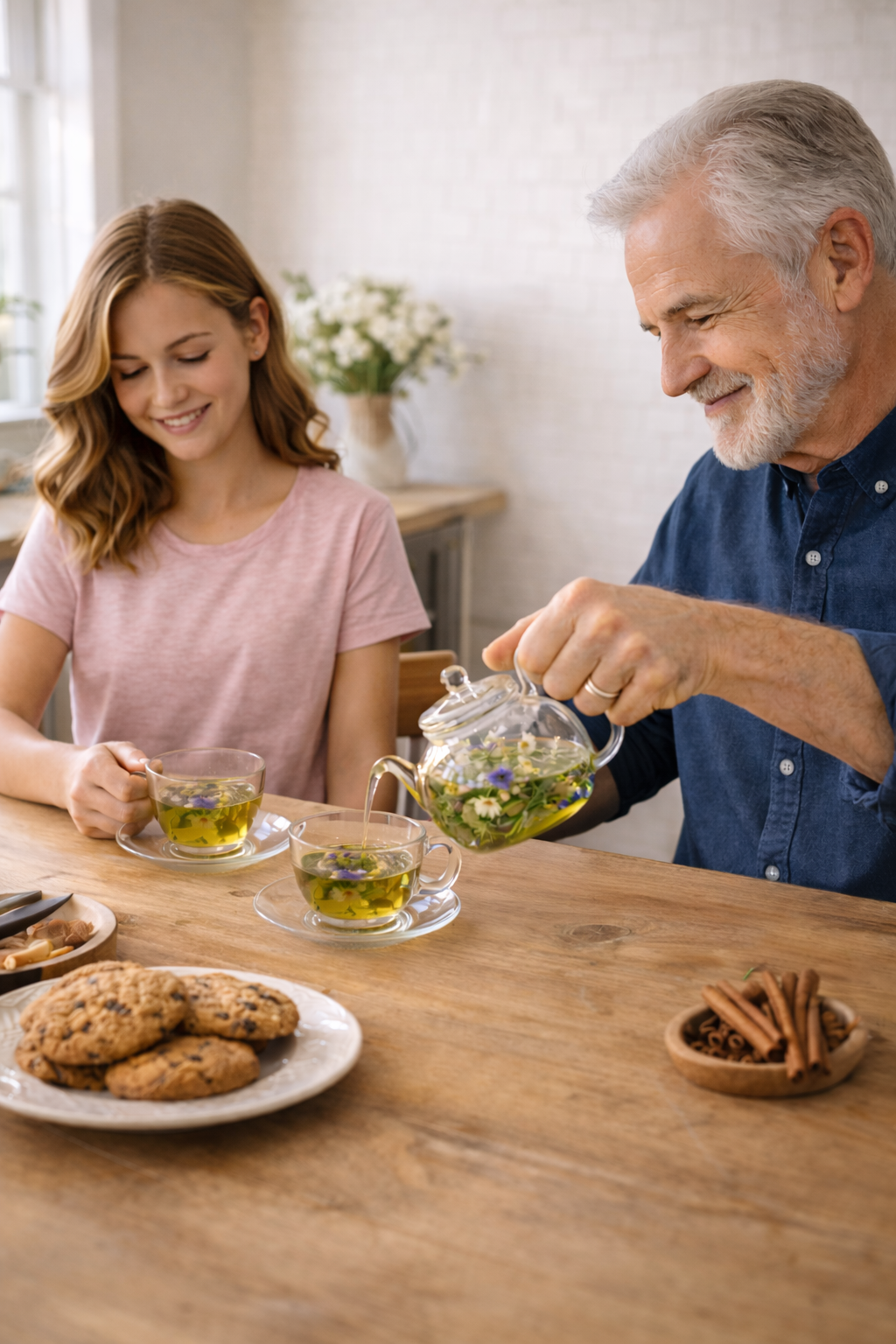
Herbal Teas
Self Heal has traditionally been used in herbal teas, either alone or blended with other gentle herbs. The flavor is mild and earthy, making it well suited to simple infusions.
Our Current Relationship With This Plant
Self Heal is a quiet but powerful presence on our land—unassuming, resilient, and generous. We’re drawn to how naturally it grows and spreads, and to the long tradition of respect it has earned through everyday use rather than spectacle. As we work with this plant, we continue learning how best to harvest it thoughtfully and how it may fit into future farm offerings.
Learn more about how we grow and harvest our herbs.
Typical Availability
Fall & Winter: Dried
Spring & Summer & Fall: Fresh & dried
Form: Flower heads
Check the Farm Products page for current availability.
A Gentle Note
Self-heal may interact with certain medications, including blood thinners, immune-modulating drugs, insulin and hypoglycemic medications.
Self-heal may have liver-stimulating qualities that could potentially reduce the absorption or effectiveness of other prescription drugs.
Large amounts of self-heal taken over time could potentially harm someone with pre-existing weak digestion.
Information here reflects traditional use, observation, and personal experience, shared for educational purposes. How a plant is used —or whether it’s appropriate for you— can vary. Please research individual herbs or consult a qualified professional when needed.