
Herbal Profile
Blue Vervain
Verbena hastata
Family: Verbenaceae (Vervain family)
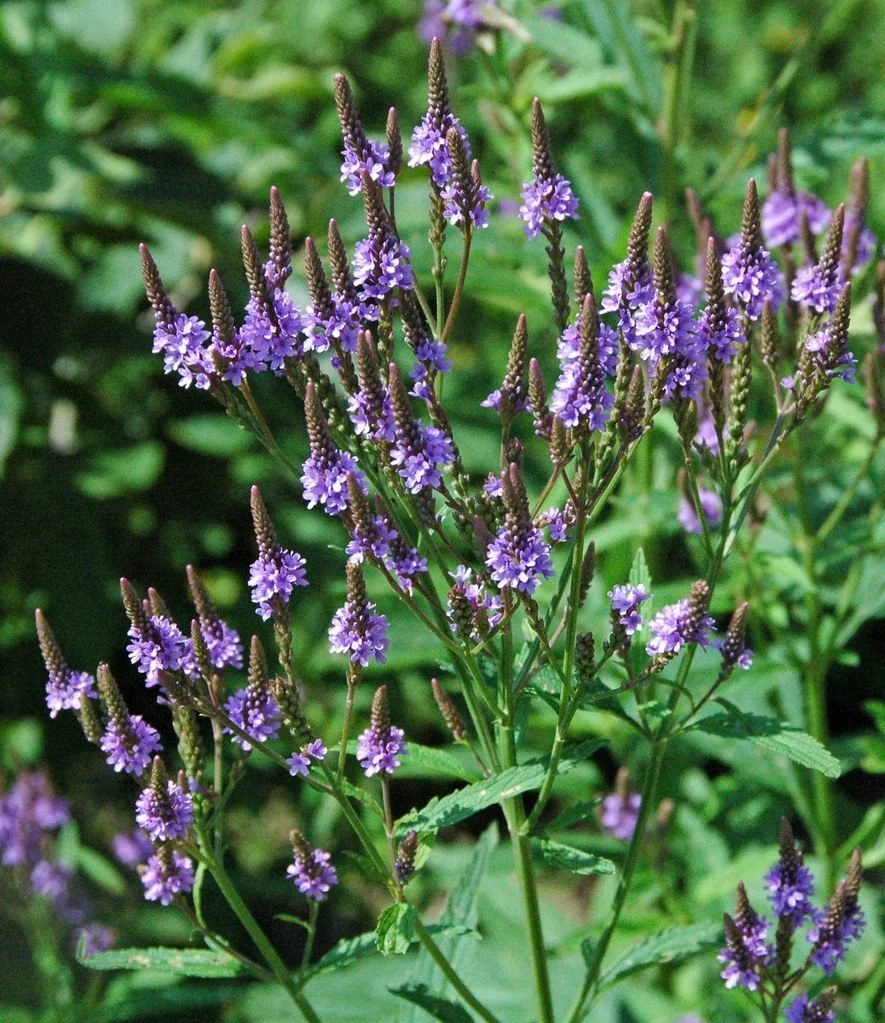
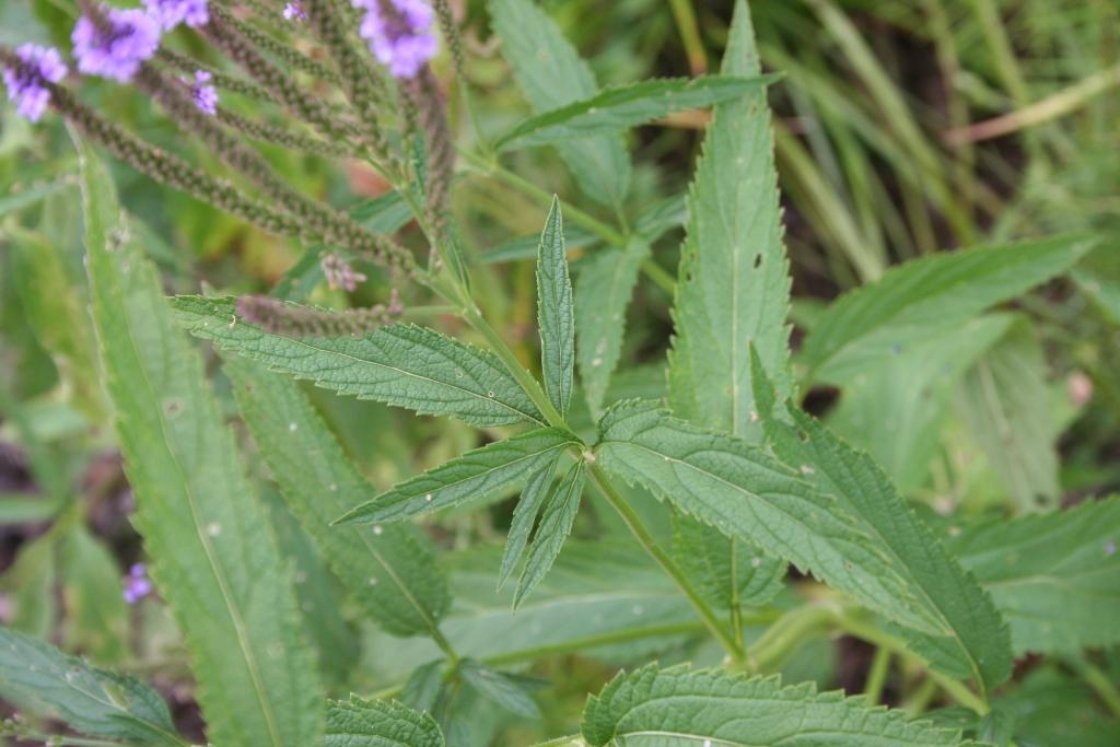
At a Glance
Blue vervain is a hardy perennial herb with tall spikes of small purple-blue flowers and a long history of traditional use. Often found near water and open fields, it has been valued in herbal, spiritual, and folk traditions for centuries. Blue vervain is most commonly associated with Medicinal, Metaphysical/Spiritual, and Herbal Tea use.
Read to the end for all details.
Traditional & Common Uses
As detailed below, blue vervain has been worked with across many cultures, often as a plant of balance and transition, with uses shaped by both place and tradition.
-
Medicinal
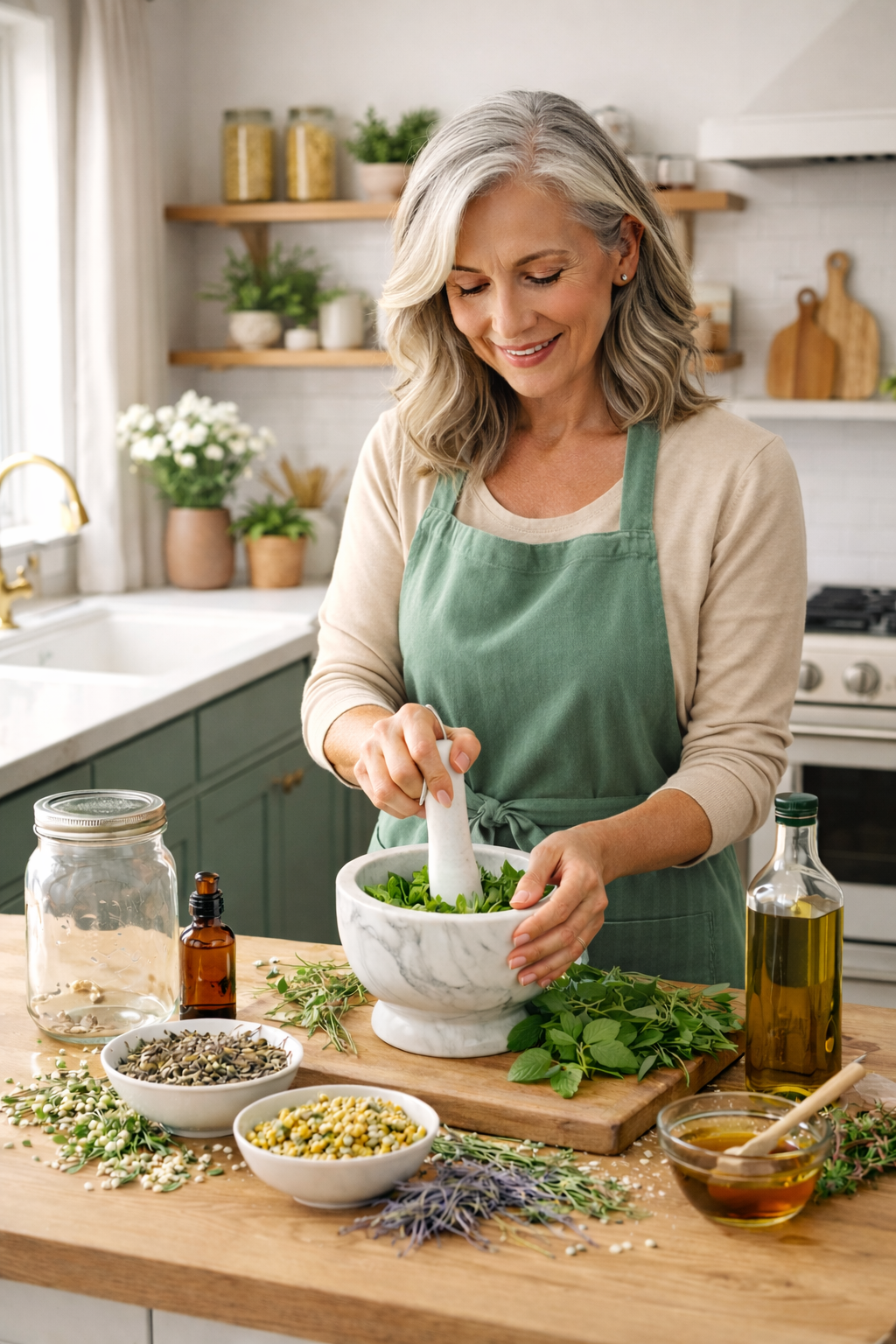
Blue vervain (Verbena hastata) is a versatile herb widely used in traditional medicine for its calming, anti-inflammatory, and detoxifying properties. It is historically associated with nervous system support, tension, and overall balance. It appears in many folk traditions as a plant used during times of stress or transition and has commonly been prepared as teas or tinctures. It contains active compounds such as iridoid glycosides and flavonoids that contribute to its therapeutic effects, primarily targeting the nervous system, digestive system, and female reproductive system.
-
Metaphysical/Spiritual
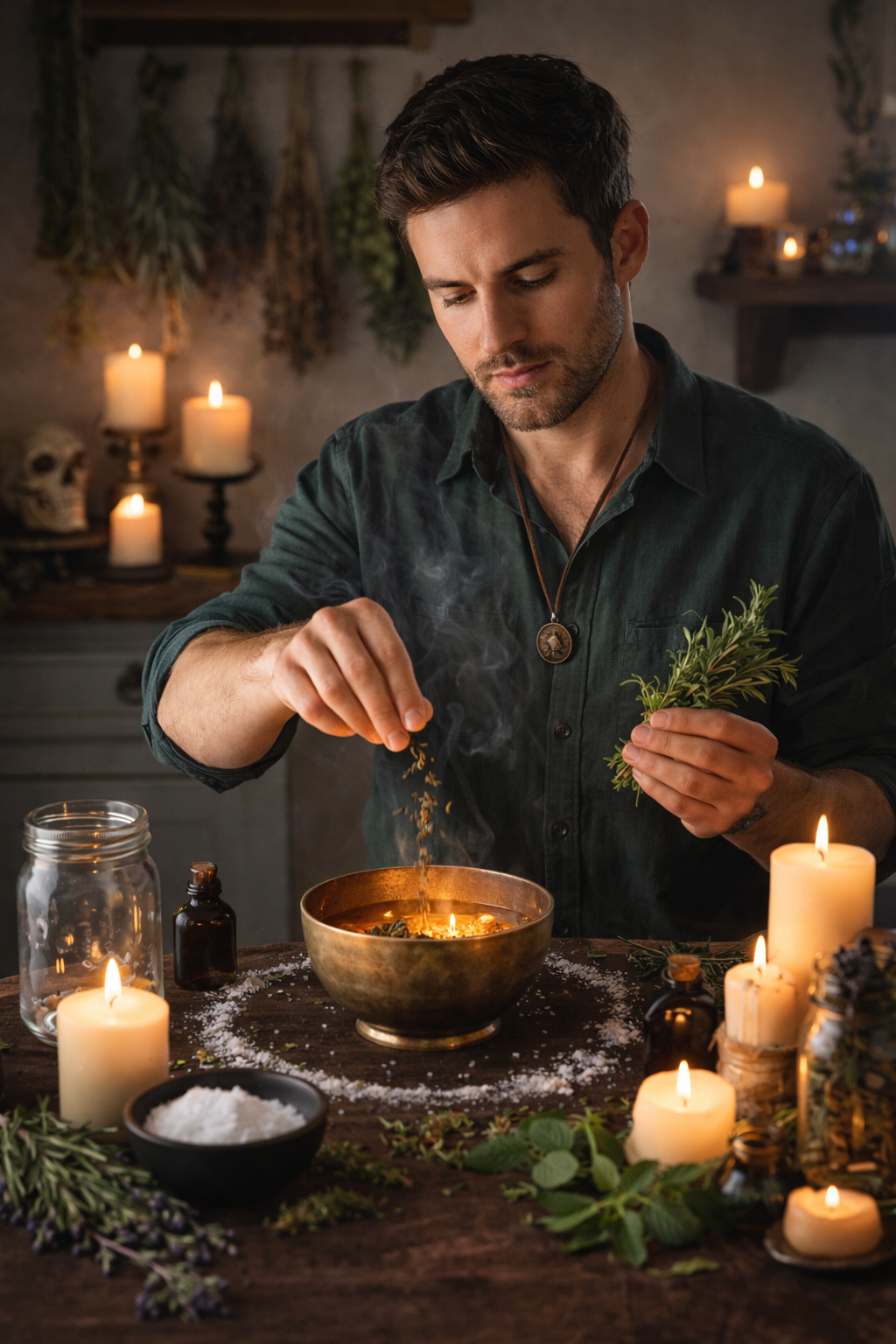
Blue vervain has a long-standing reputation as a sacred and protective plant. In various traditions, it has been associated with purification, protection, divination, and spiritual clarity. It is often connected with rites of passage, boundary-setting, and practices intended to support emotional or energetic balance.
Metaphysical properties center on protection, purification, and spirit work, historically used by ancients for warding off negativity, enhancing divination, and calming the nerves to improve spiritual connection, making it great for stress relief, dream work, enhancing psychic senses, and promoting emotional balance and peace in rituals or charms
-
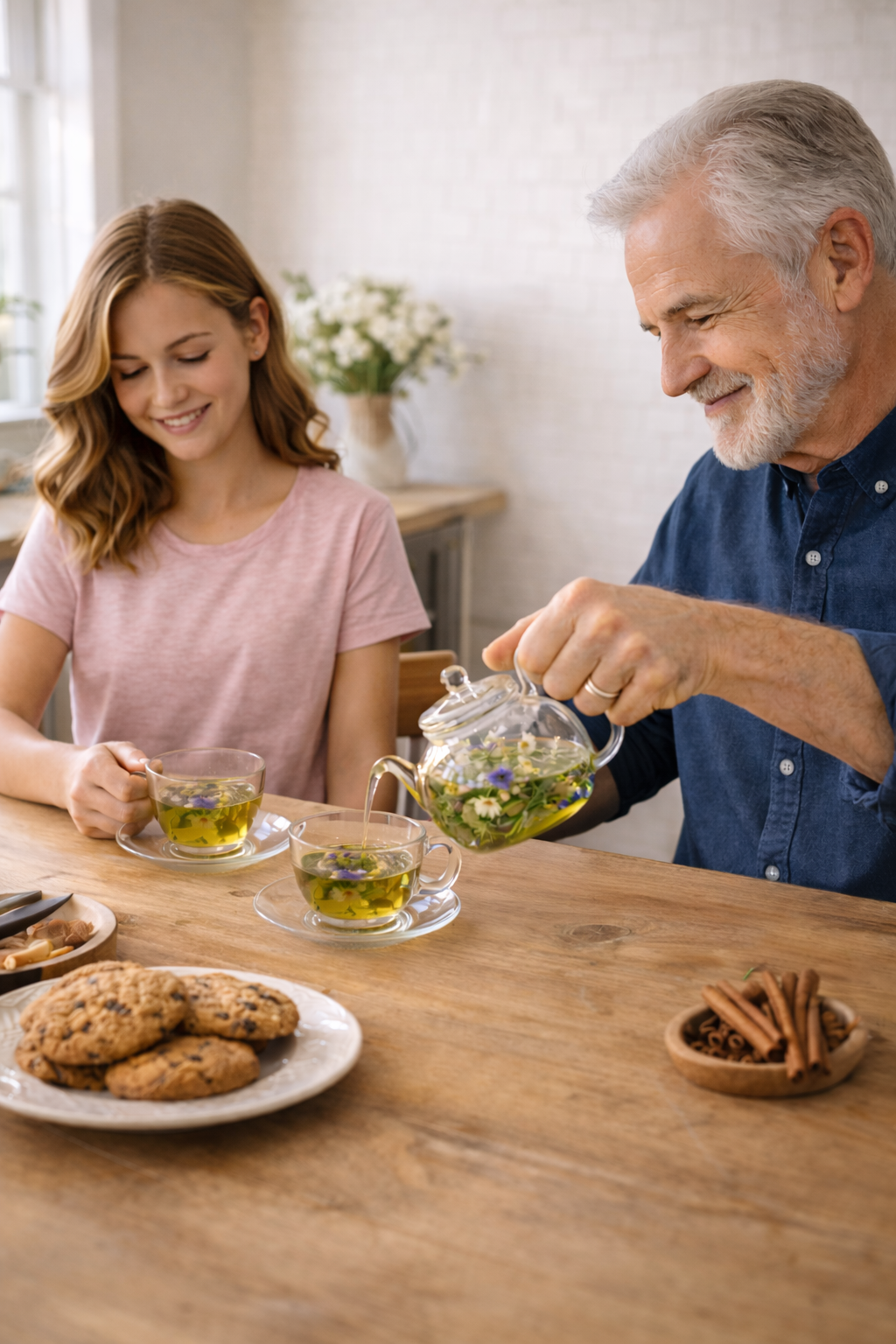
Herbal Teas
Blue vervain has traditionally been used as an herbal infusion (tea), often prepared on its own or blended with other herbs. The flavor is distinctly bitter and earthy, and it has historically been consumed in small amounts rather than as a casual beverage.
Our Current Relationship With This Plant
Blue vervain seems like a plant that asks for attentiveness rather than abundance. We’re drawn to it for its deep roots in traditional herbal and spiritual practices, as well as its natural affinity for liminal spaces—edges of fields, waterways, and transitions. As we continue learning, we’re paying close attention to where it thrives, how it behaves across seasons, and how to work with it respectfully and intentionally.
Learn more about how we grow and harvest our herbs.
Typical Availability
Fall & Winter: Dried leaves and flowers
Spring: Fresh & dried leaves
Summer: Fresh & dried leaves and flowers
Form: Loose dried herb, occasional fresh harvest
Plant Starts: Possibly available in the spring
Check the Farm Products page for current availability.
A Gentle Note
While blue vervain is generally recognized as safe when consumed in moderation, there are several significant precautions and potential interactions to be aware of.
Blue vervain is not recommended during pregnancy because it may stimulate the uterus and induce contractions.
Consult a healthcare provider before use if you are taking blood thinners, blood pressure medications, sedatives, liver-metabolized medications, or hormone therapy, and possibly others.
People with serious medical conditions, including kidney or liver disease, should consult a healthcare provider before using blue vervain.
Information here reflects traditional use, observation, and personal experience, shared for educational purposes. How a plant is used —or whether it’s appropriate for you— can vary. Please research individual herbs or consult a qualified professional when needed.