
Herbal Profile
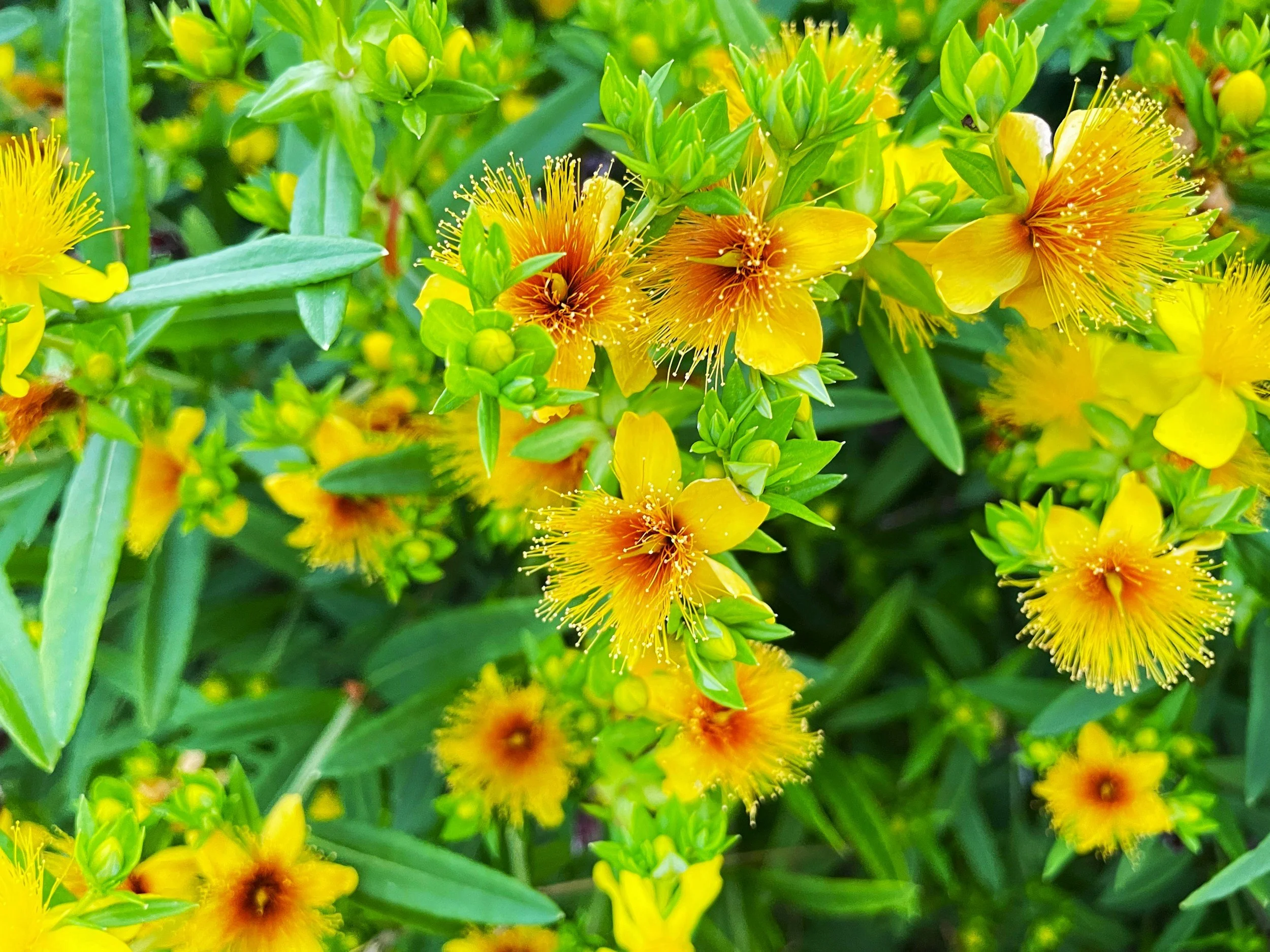
St. John's Wort
Hypericum perforatum
Family: Hypericaceae (St. John’s Wort family)
At a Glance
St. John’s Wort is a sun-loving perennial with bright yellow flowers that bloom around the height of summer. Long associated with light, protection, and seasonal transitions, it has played a significant role in traditional herbal and folk practices across Europe and beyond. This plant is most commonly associated with Medicinal, Metaphysical/ Spiritual, Artistic/Crafting, and Herbal Tea traditions.
Read to the end for all details.
Traditional & Common Uses
St. John’s Wort has historically been worked with carefully and intentionally, with traditions shaped by seasonal timing, cultural beliefs, and an understanding of the plant’s strength.
Herbs such as this one often serve more than one purpose, as described below.
-
Medicinal
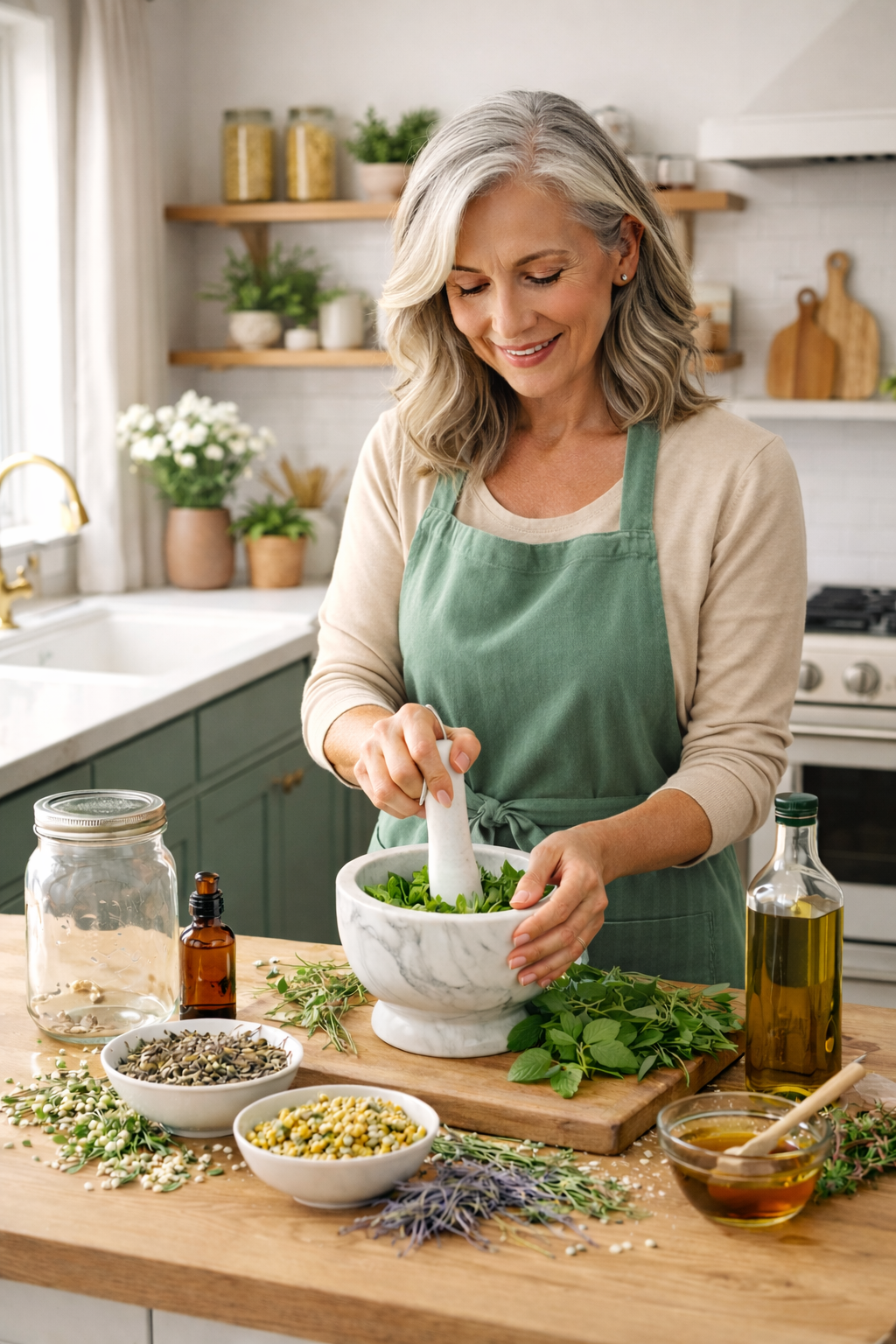
St. John’s Wort has a long history in traditional herbalism. It has several healing properties, with the strongest evidence supporting its use for mild to moderate depression and as a topical agent for minor wounds and skin inflammation. St. John's Wort has also been explored for Nerve Pain, Menopause and PMS Symptoms, Anxiety and Nervous Tension (traditionally used as a calming tonic for anxiety, stress, and sleep disturbances), and Viral Infections (herpes simplex (cold sores) and influenza, for example). The infused oil is used for topical applications to help with nerve pain, muscle aches, and various skin conditions.
-
Metaphysical/Spiritual
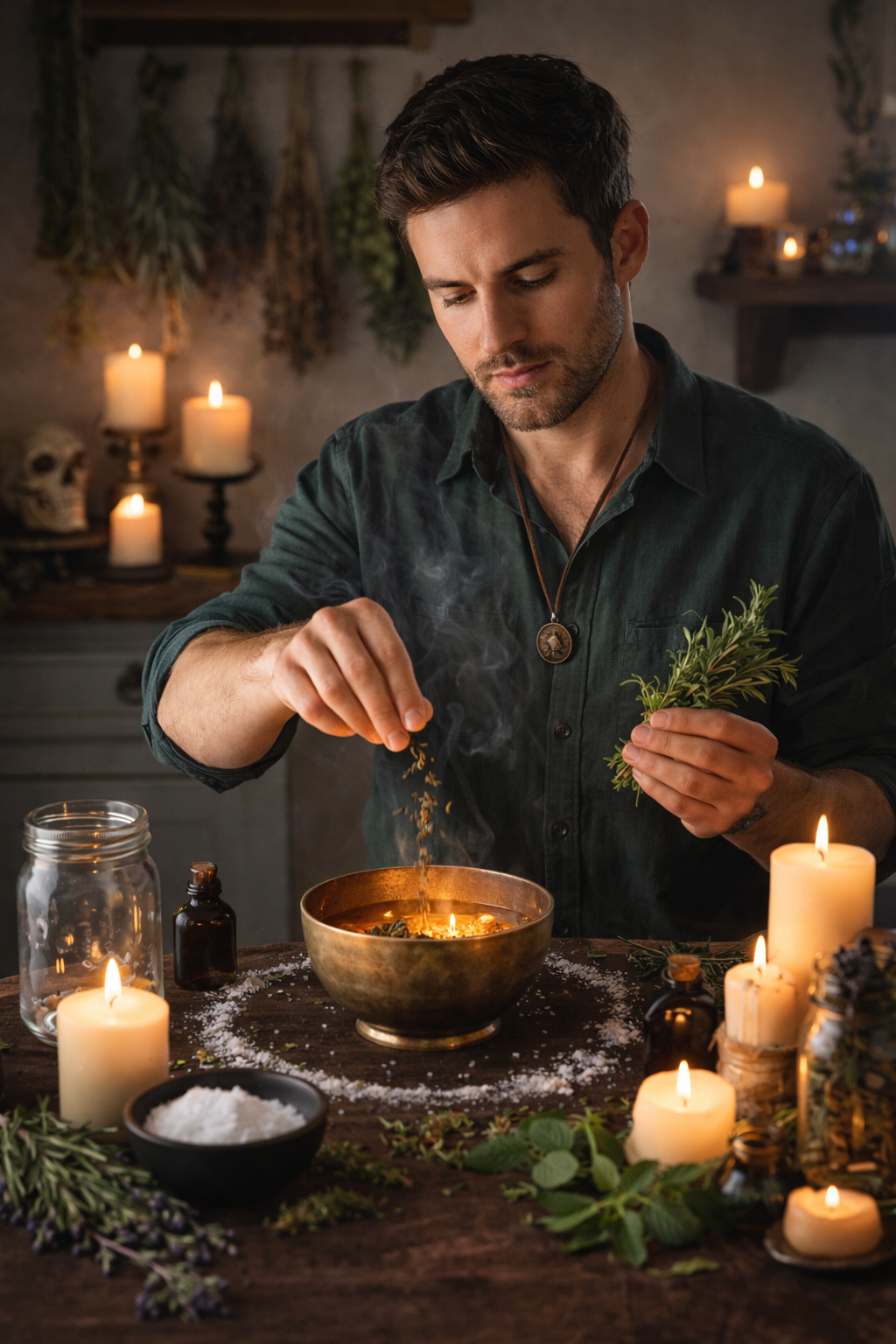
St. John’s Wort is deeply rooted in folklore and spiritual tradition. Associated with midsummer celebrations and the feast of St. John, it has long been connected with protection, warding, courage, & light during times of darkness. It was traditionally hung in homes or carried as a talisman to guard against ill fortune and negative influences. Linked metaphysically to sunlight and overcoming darkness, it embodies masculine solar energy to banish negativity, evil spirits, and melancholy, while attracting love, strength, and inner light. It is often used in spellwork sachets, and for dream recall, with its perforated leaves acting as portals for spirits.
-
Artistic/Crafting
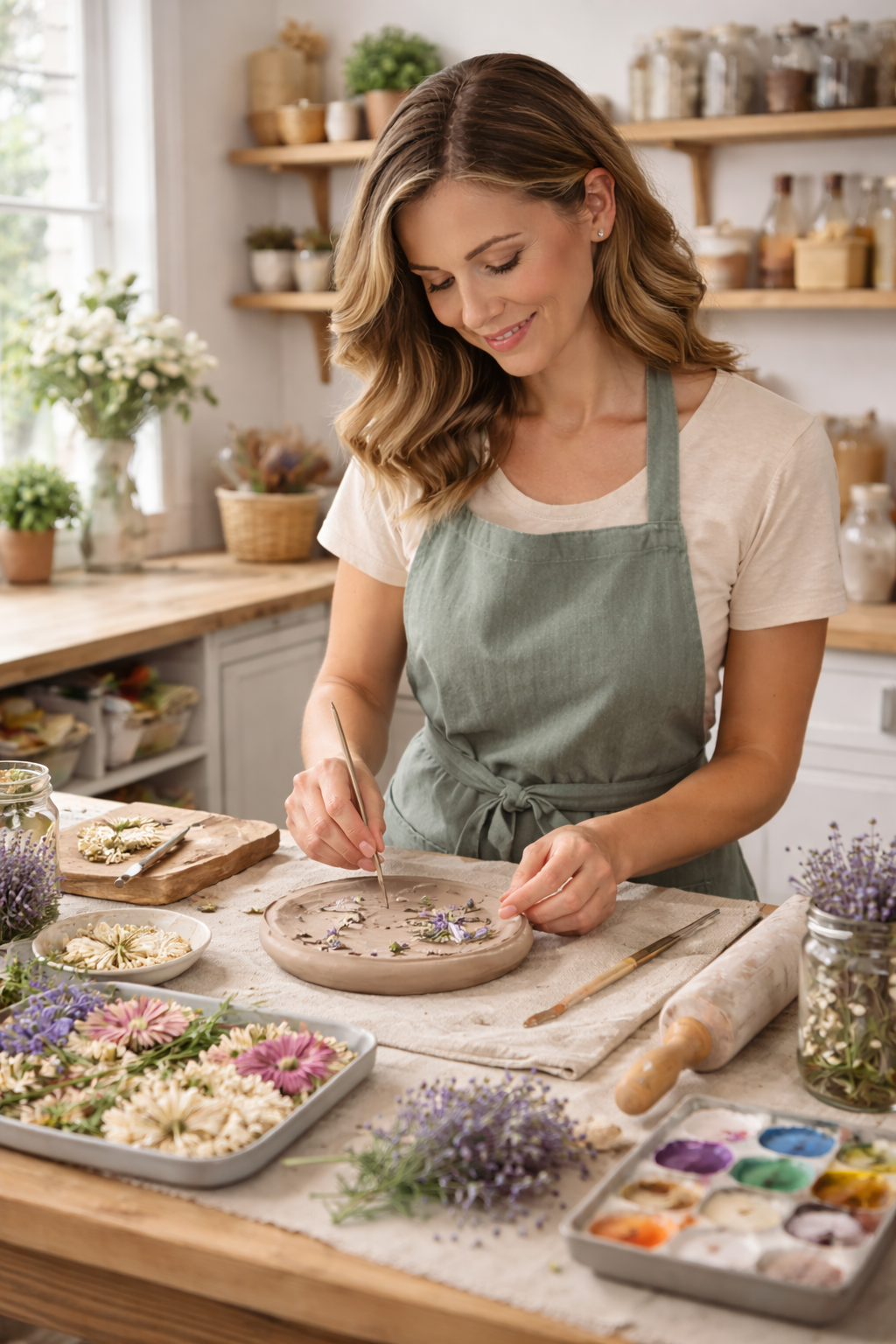
The vivid yellow flowers of St. John’s Wort have been used in wreaths, bundles, and seasonal decorations, particularly those marking the summer solstice. When infused in oil, the flowers famously produce a deep red color, a transformation that has fascinated herbalists and artists alike.
-
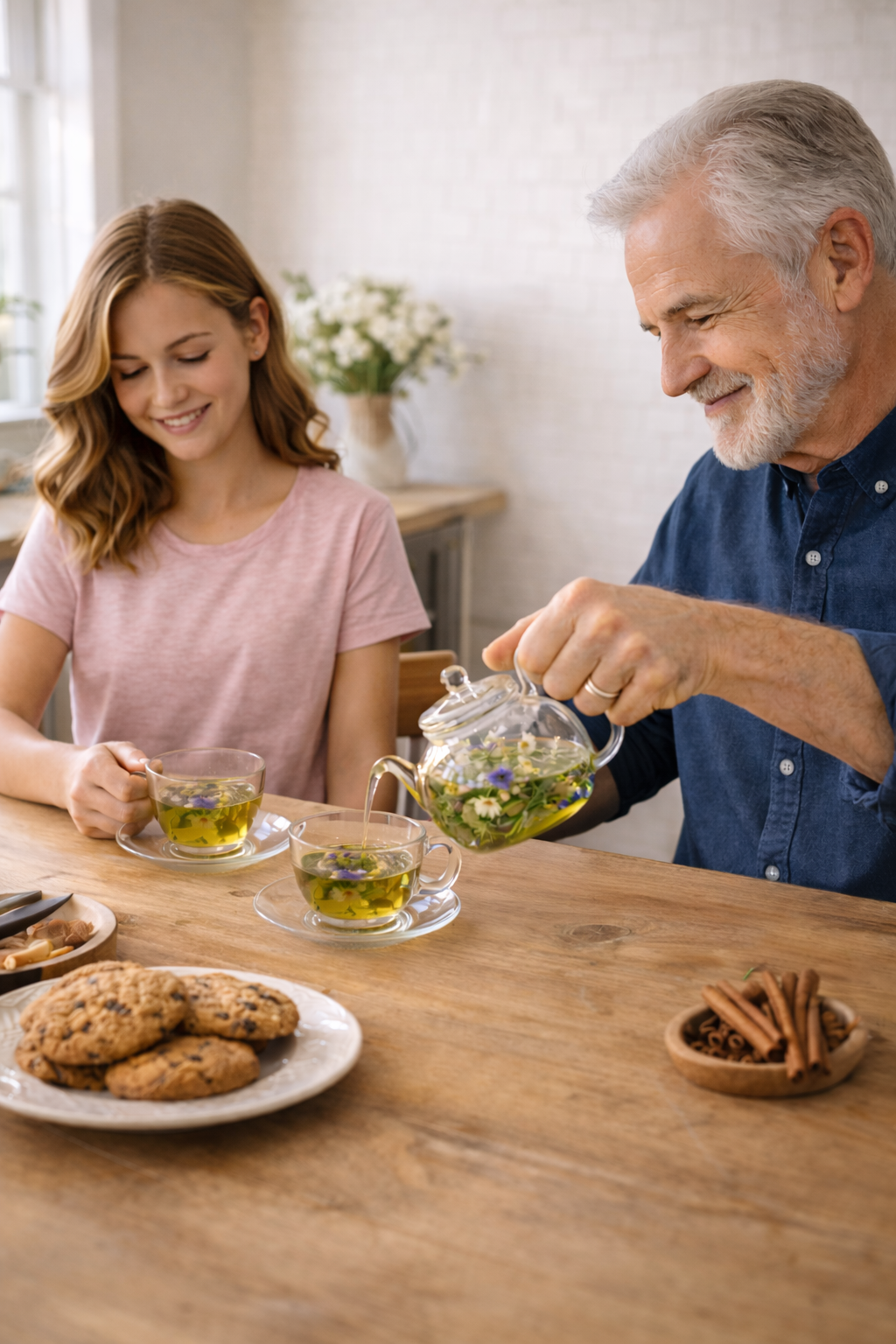
Herbal Teas
St. John’s Wort has traditionally been prepared as an herbal infusion, often used sparingly and with intention rather than as an everyday tea. The flavor is mildly bitter and resinous.
Our Current Relationship With This Plant
St. John’s Wort is a plant we approach with respect and attentiveness. We’re interested in its long-standing relationship with seasonal light, its powerful symbolic presence, and its careful place in traditional herbalism. It originally joined our herb garden as a volunteer, and it has become one of my favorite plants.
Typical Availability
Summer: Fresh flowering tops (
Year-Round: Dried flowering tops
Form: Flowering tops, dried herb, infused oil (as available)
Visit our Farm Products page for current availability.
A Gentle Note
There are significant precautions associated with internal use of St. John's wort, primarily around prescription drug interactions and specific health conditions. When used alone in appropriate doses, side effects are generally mild. Talk with a doctor or pharmacist.
Major Drug Interactions: St. John's wort affects liver enzymes, which can make many conventional medications less effective or increase their side effects.
Possibly unsafe during pregnancy, and it is not recommended while breastfeeding.
People with bipolar disorder or schizophrenia should avoid it, as it may trigger mania, impulsive behavior, or psychosis. It should not be used for severe depression.
Information here reflects traditional use, observation, and personal experience, shared for educational purposes. How a plant is used—or whether it’s appropriate for you—can vary. Please research individual herbs or consult a qualified professional when needed.