
Herbal Profile
Linden
Tilia spp.
Family: Malvaceae (Mallow family)
Also known as: Lime tree
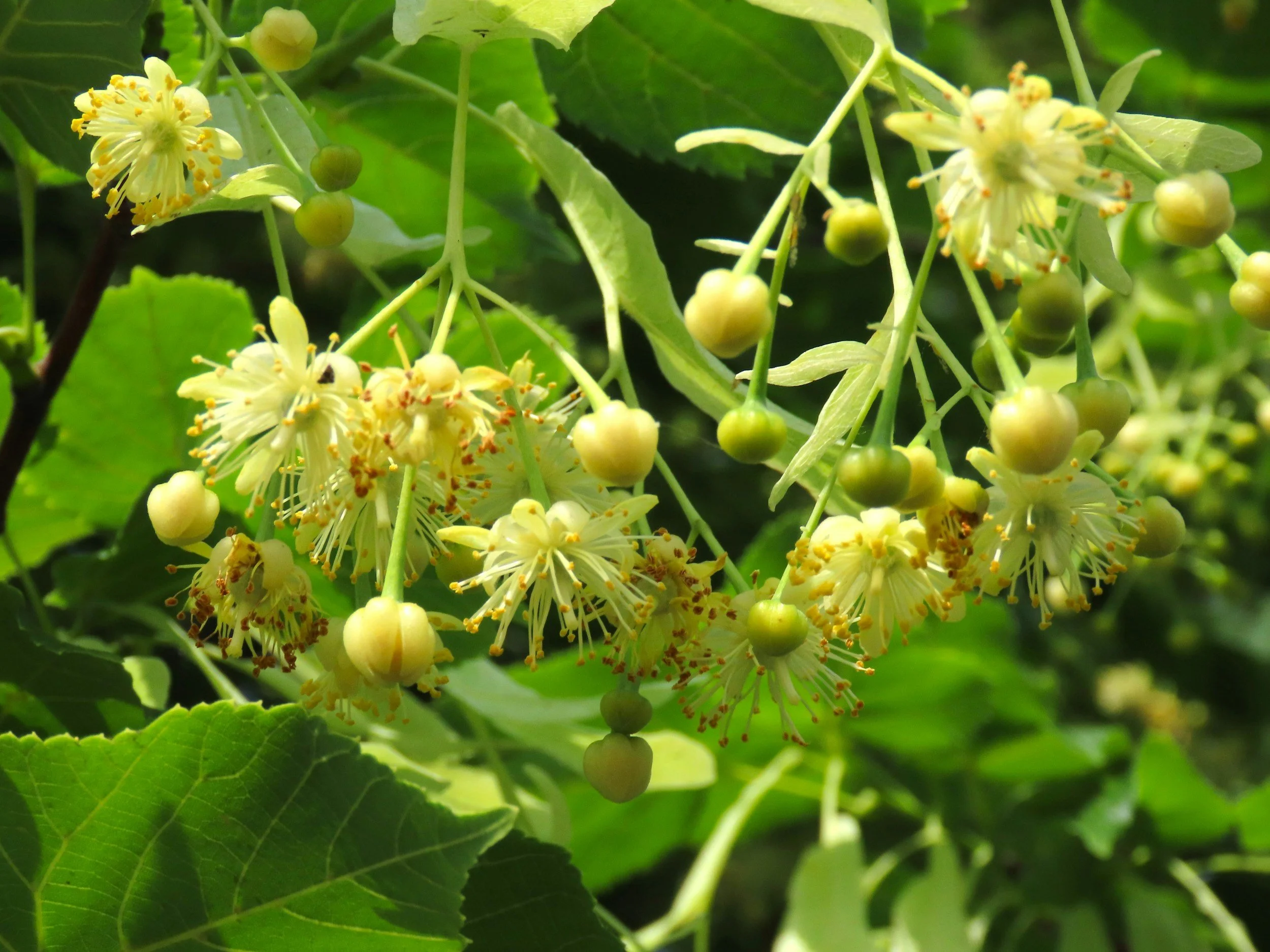
Linden Flower
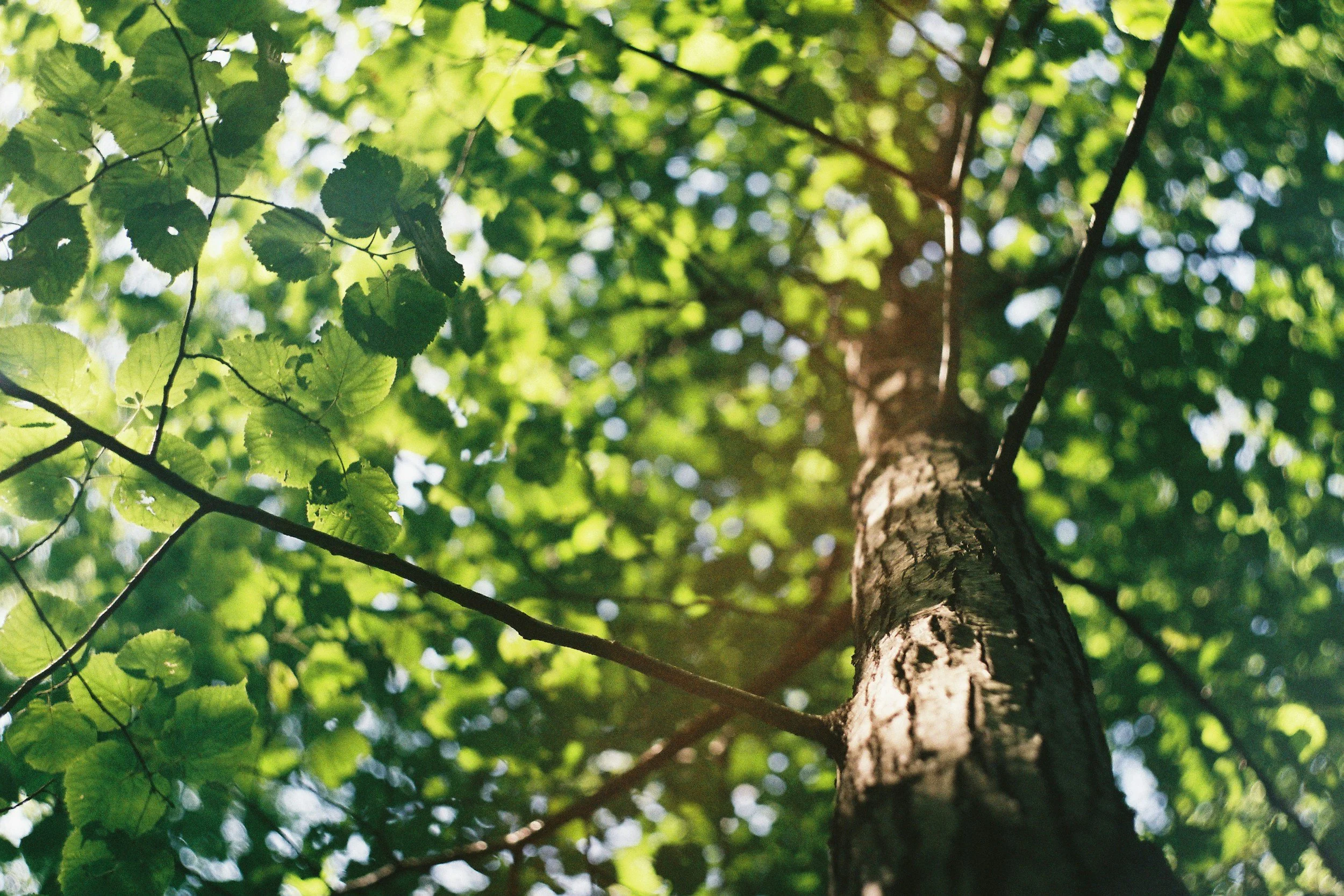
Linden Tree
At a Glance
Linden is a deciduous tree known for its heart-shaped leaves and fragrant summer flowers. Traditionally valued for its calming presence and gentle nature, linden has been used for centuries in herbal, culinary, and cultural traditions. As a flowering tree, it represents long-term stewardship and seasonal rhythms rather than quick harvests, offering both beauty and usefulness over time.
Read to the end for all details.
Traditional & Common Uses
Linden has often been approached as a nurturing, community-centered plant, with different parts of the tree valued across cultures and generations. Some of it’s uses are described below.
-

Culinary
Linden flowers have traditionally been used to flavor honey, syrups, and sweet infusions. Young leaves were sometimes eaten fresh or cooked in historical food traditions, valued more for nourishment than strong flavor. Bee keepers favor Linden trees for the flavor the flower imparts to honey.
-
Medicinal
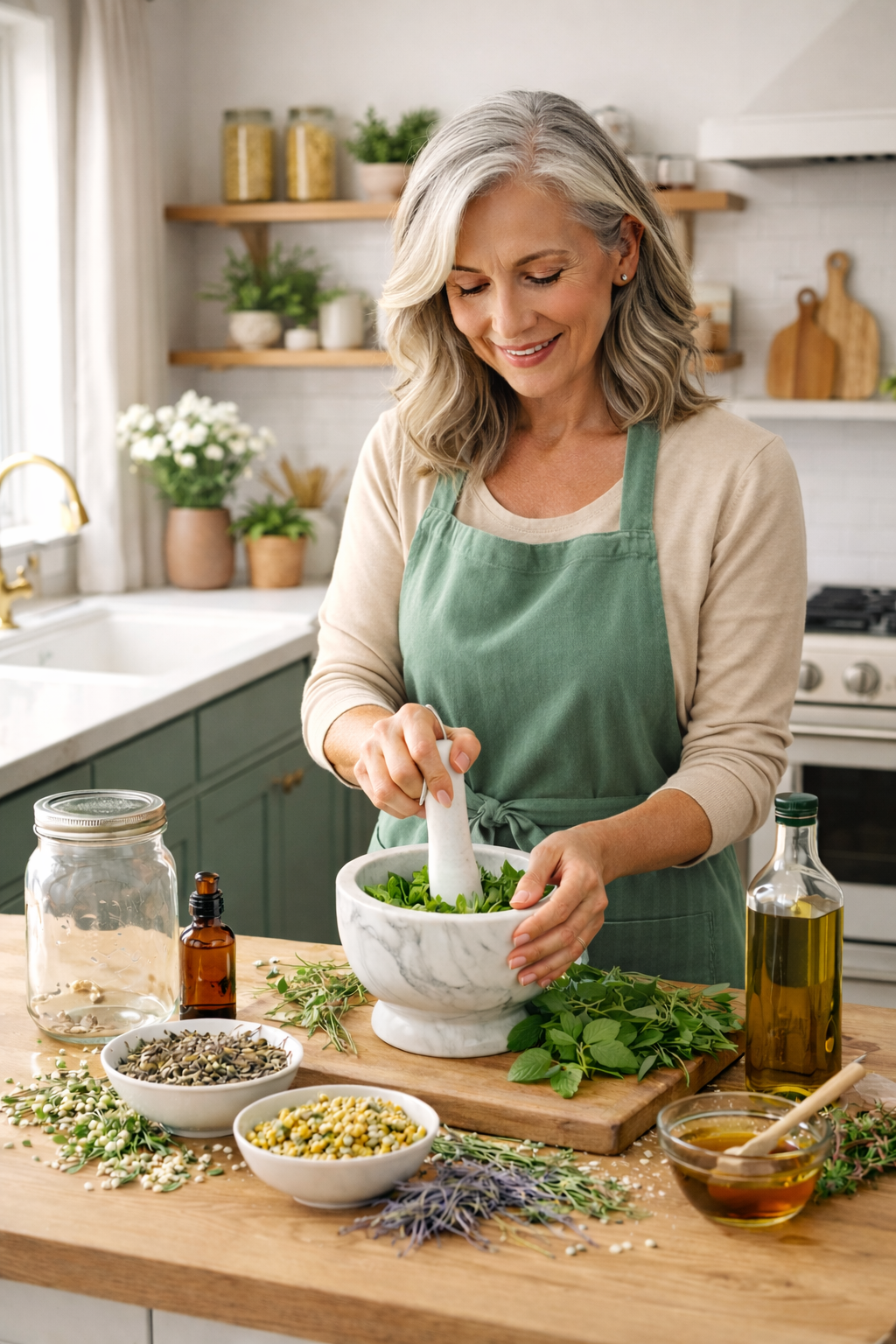
Linden has a long history in traditional European and folk herbalism, where the flowers were commonly associated with relaxation, emotional comfort, and rest. Historically, linden blossoms were prepared as teas or infusions. The most common use of linden is as a Sedative/Nervine, to calm and soothe the nervous system, potentially by mimicking the brain chemical GABA. It relieves stress, anxiety, nervous tension, and insomnia. Linden also has anti-inflammatory & antioxidant properties.
-
Metaphysical/Spiritual
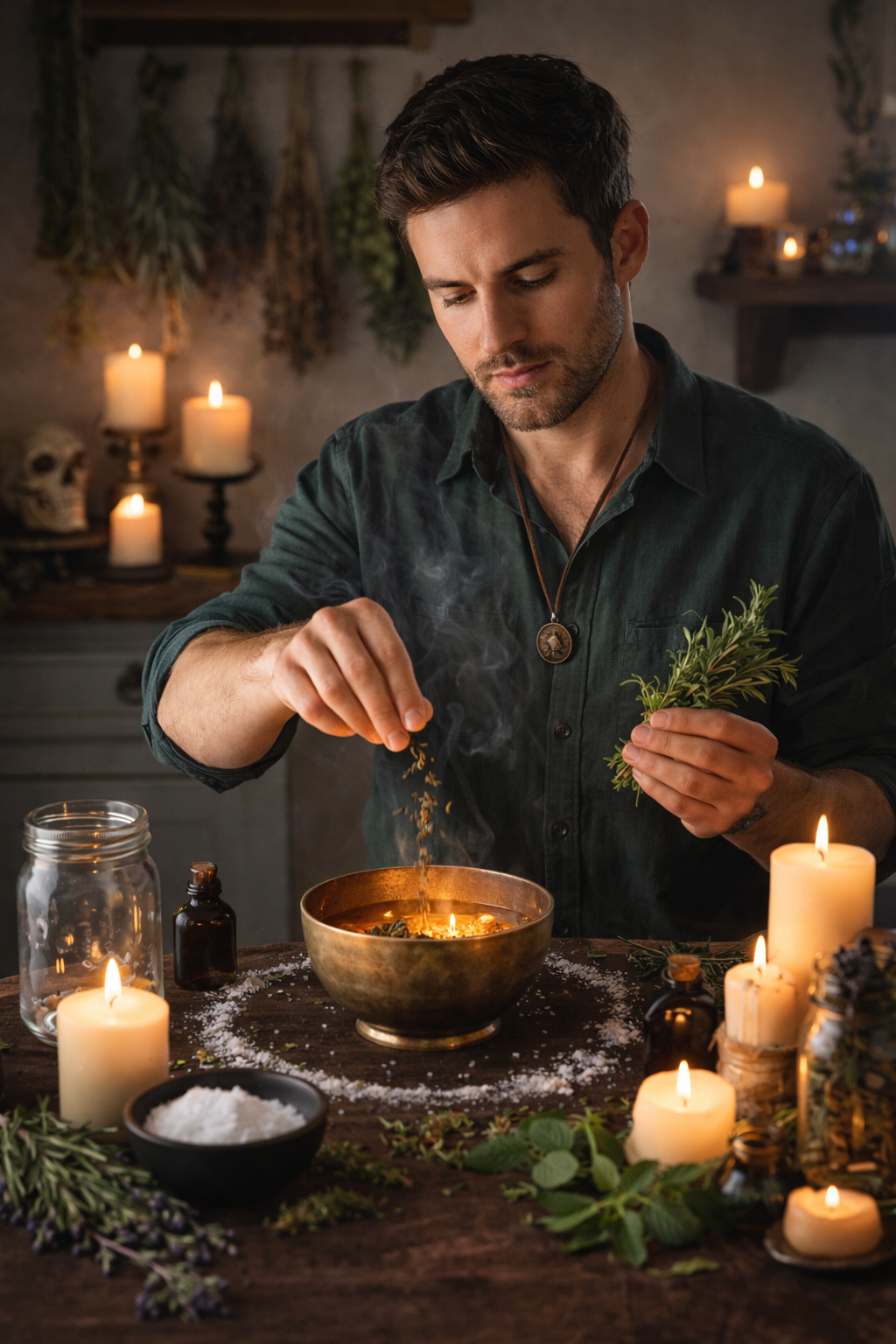
Linden has strong associations with peace, protection, love, fertility and community. In folklore, linden trees were often planted in village centers as gathering places and symbols of harmony, justice, and shelter. The tree is frequently connected with heart-centered energy and emotional balance. Linden is believed to ward off negativity, promote emotional calm, and connect realms of life and death. Its heart-shaped leaves and calming blossoms enhance these attributes, making it a feminine tree associated with nurturing the heart, both physical and emotional.
-

Cosmetic
Linden flowers have occasionally been included in gentle skin preparations and aromatic blends, valued for their subtle fragrance and soothing qualities.
-
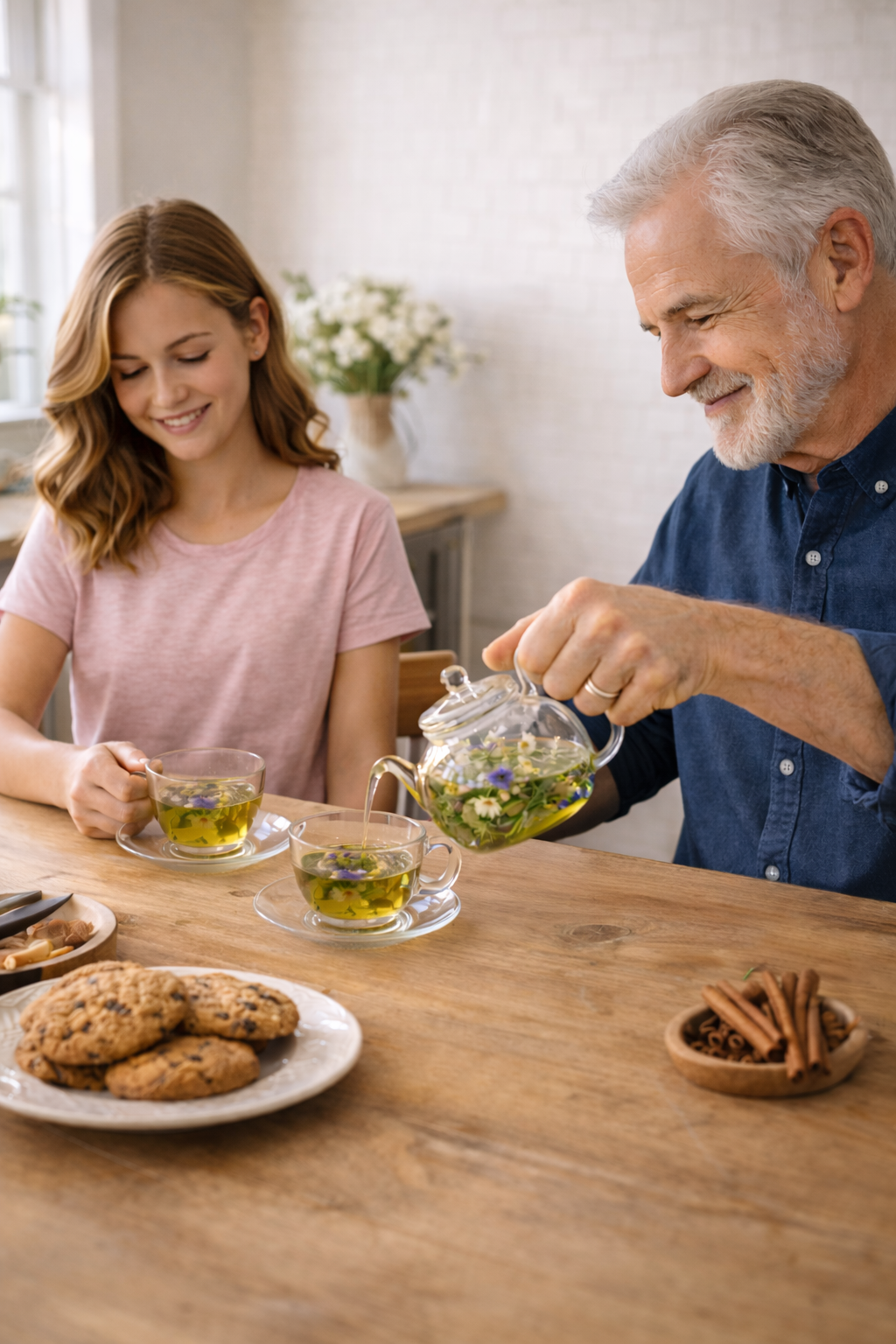
Herbal Teas
Linden flower tea has been enjoyed for centuries, appreciated for its mild, slightly sweet flavor and floral aroma. Traditionally, it has been used as a calming evening infusion, often on its own rather than heavily blended.
Our Current Relationship With This Tree
We regard our linden trees as the sacred elders of our farm. They were planted by the original homesteaders to support their honey bees and for the shade they provide, which still keeps our old farmhouse cool. The four remaining trees — which are more than a hundred years old — are tall, gnarled and magnificent. We’re learning their seasonal patterns, paying close attention to bloom timing, and considering how best to work with a tree that offers generously while asking for patience in return. Their presence reminds us that some of the most meaningful relationships on the farm unfold over decades, not seasons.
Trees are long-term partners on the land. We approach them with patience, care, and respect for their role in the ecosystem. Any traditional uses we share are offered for educational purposes and reflect selective, thoughtful relationships rather than routine harvesting.
Learn more about how we grow and harvest our herbs.
Typical Availability
Summer: Fresh blossoms (very limited, seasonal)
Year-Round: Dried
Form: leaves and flowers
Check the Farm Products page for current availability.
A Gentle Note
Frequent or excessive use of linden tea has been rarely linked to heart muscle damage in susceptible individuals. Individuals with a history of heart disease should avoid linden or use it only under the strict supervision of a healthcare provider.
Linden has mild sedative properties and can cause drowsiness. Avoid driving or operating heavy machinery after consuming it until you know how it affects you.
Information here reflects traditional use, observation, and personal experience, shared for educational purposes. How a plant is used —or whether it’s appropriate for you— can vary. Please research individual herbs or consult a qualified professional when needed.