
Herbal Profile
Anise Hyssop
Agastache foeniculum
Family: Lamiaceae (Mint family)
Pronounced: “uh-NEESS HISS-up”
At a Glance
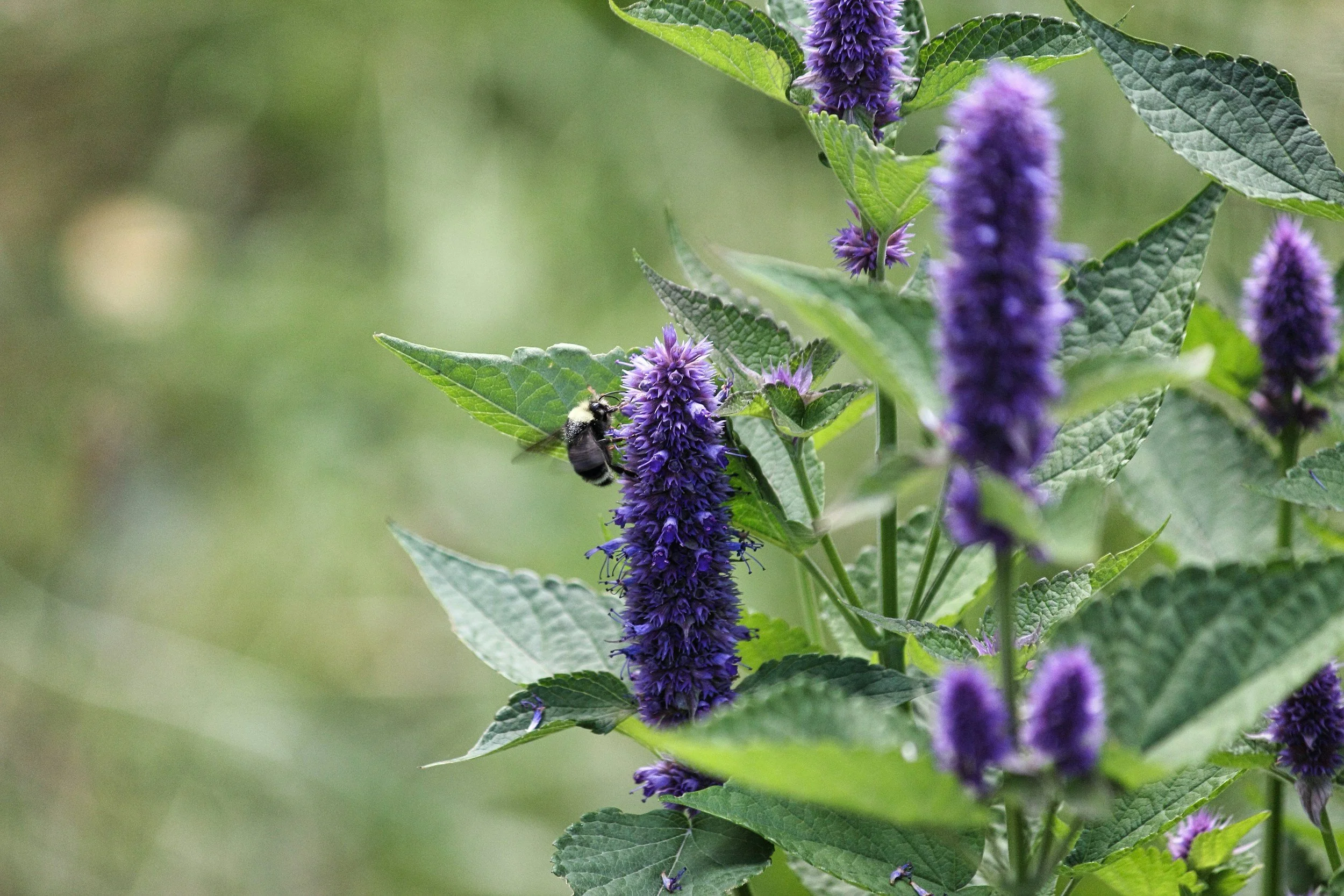
Anise hyssop is a hardy, aromatic perennial with soft green leaves and tall spikes of purple flowers. Known for its sweet, licorice-like scent and flavor, it has been widely used in kitchens, tea blends, and traditional herbal practices. This pollinator-friendly plant is commonly associated with Culinary, Medicinal, Metaphysical/Spiritual, Artistic/Crafting, and Herbal Tea uses.
Read to the end for all details.
Traditional & Common Uses
Anise hyssop has a long history of use across many regions, with traditions shaped by local needs, cultural context, and personal practice, as described below.
-

Culinary
Anise hyssop leaves and flowers have traditionally been used to flavor baked goods, salads, syrups, and honey. The taste is gently sweet and reminiscent of anise or licorice, making it a natural pairing with fruit, citrus, and desserts and in teas.
-

Medicinal
Traditionally used in folk and traditional medicine, anise hyssop has historically appeared in teas and simple preparations. It is a versatile herb used for respiratory issues (coughs, colds, congestion), digestive problems (gas, bloating, indigestion), and to induce sweating for fevers, acting as an expectorant and diaphoretic. It also offers antimicrobial, antiviral, anti-inflammatory, and antioxidant benefits. It is used topically for burns, wounds, skin irritations, and internally as a calming tea for stress and anxiety.
-
Metaphysical/Spiritual
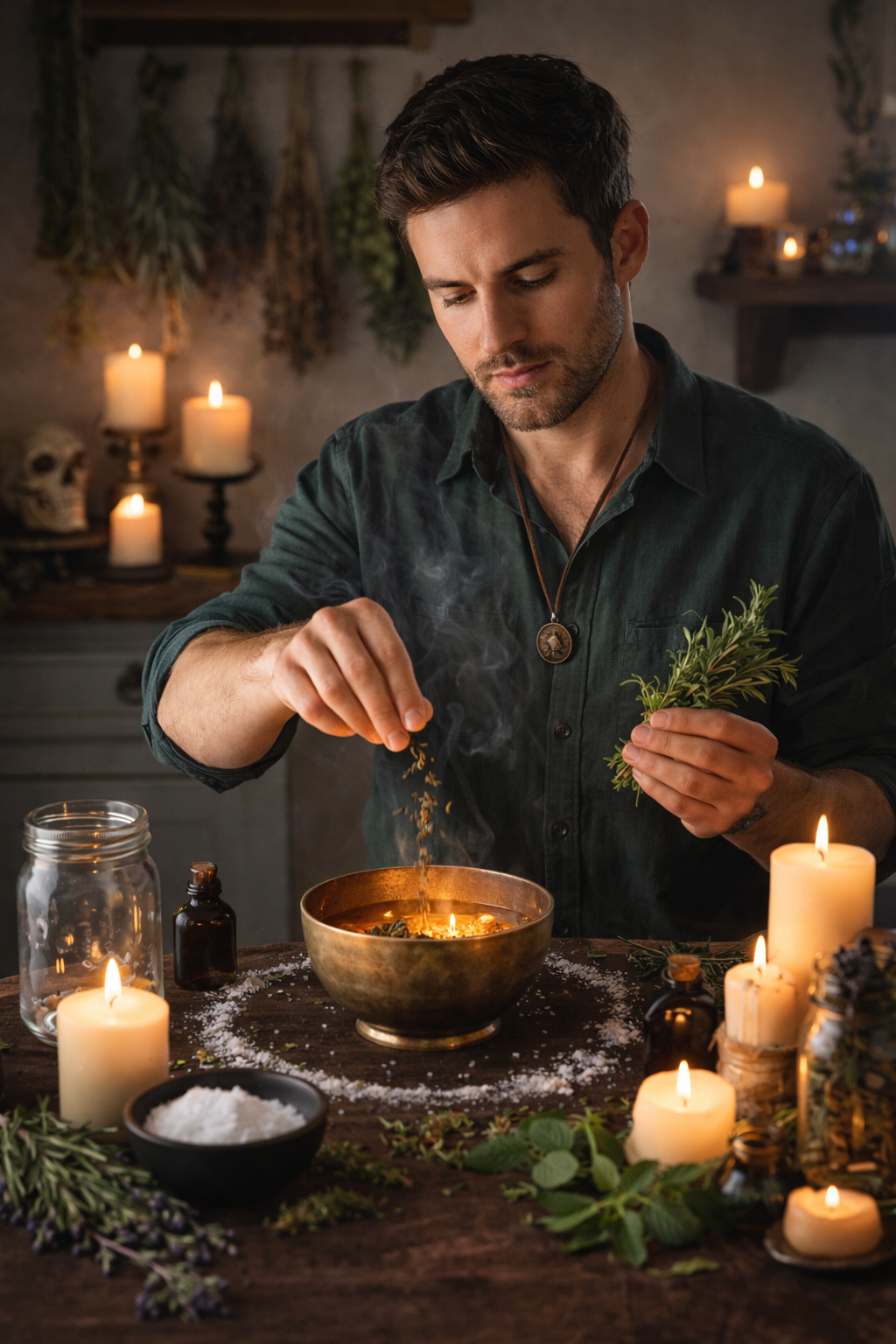
In symbolic and folk traditions, anise hyssop is associated with purification, clarity, and gentle protection. It is sometimes included in rituals or practices intended to support emotional balance and clear communication.
M:etaphysical properties include purification, protection, spiritual clarity, and divine connection, rooted in its use in Native American traditions for smudging and its association with biblical hyssop for cleansing sins and negative spells. It's used to attract positive energy, ward off evil, soothe anxiety, enhance mood, and support spiritual growth, linking themes of royalty (purple flowers) and the divine feminine to its calming, sweet, licorice-like fragrance.
-

Artistic/Crafting
With its tall flower spikes and soft purple blooms, anise hyssop is well suited for dried arrangements and, bundles. The flowers retain both color and form when dried, making them useful for decorative and seasonal crafts.
-
Herbal Teas
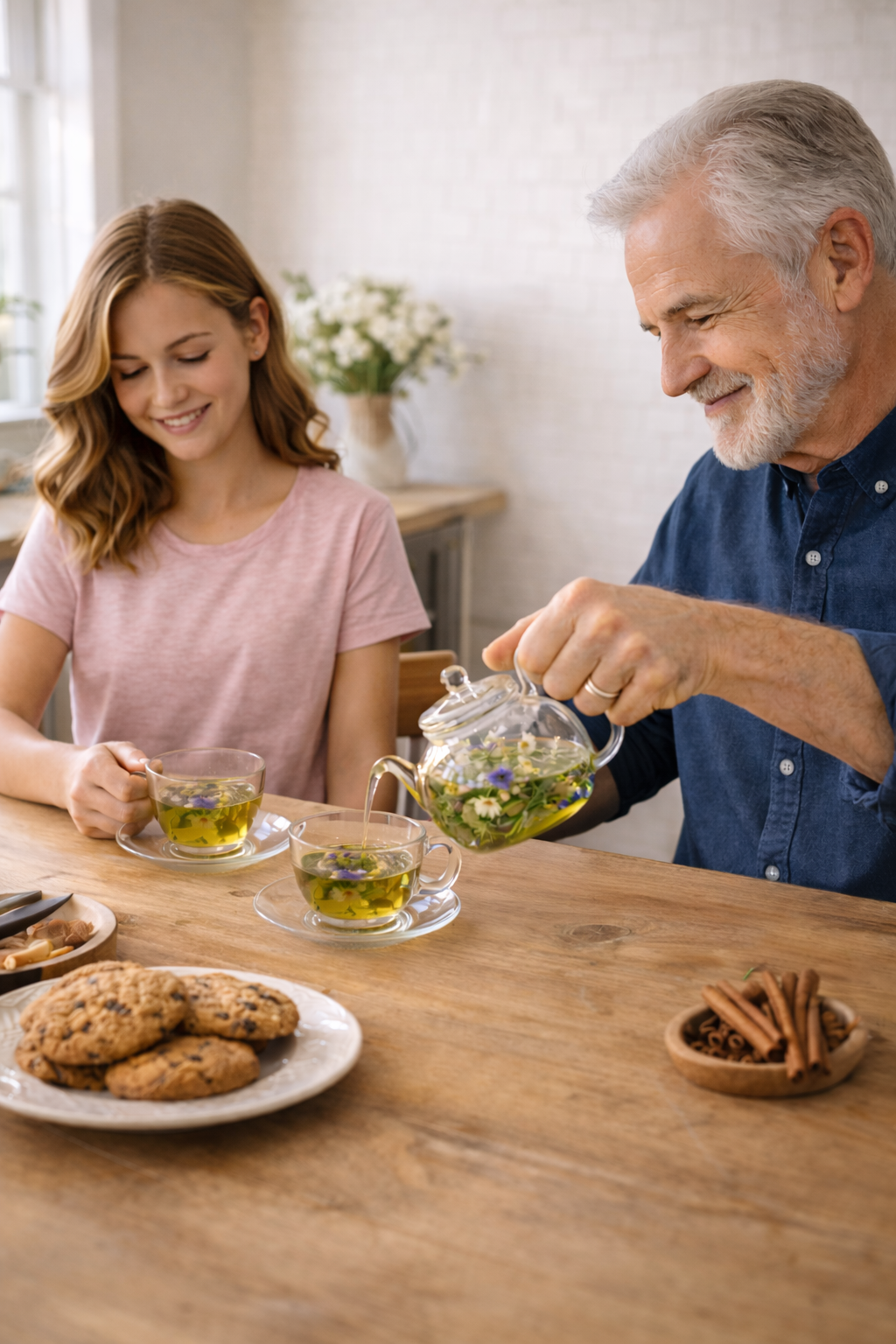
Anise hyssop is widely enjoyed as an herbal tea. The infusion is naturally sweet, aromatic, and soothing, and it blends well with herbs such as lemon balm, mint, or lavender.
Our Current Relationship With This Plant
Anise hyssop is a plant we value for both its generosity and its adaptability. It returns reliably each year, supports pollinators, and offers multiple points of harvest throughout the season. We’re continuing to learn how it fits into the long-term rhythm of the farm and which uses make the most sense as our herbal offerings evolve.
Learn more about how we grow and harvest our herbs.
Typical Availability
Winter: Dried leaves & flowers
Spring, Summer & Fall: Fresh & dried leaves & flowers
Form: Loose leaf, bundled
Plant Starts: Possibly available in the spring
Visit our Farm Products page for current availability.
A Gentle Note
Although culinary use in moderation is generally safe; consult a doctor before using it medicinally, especially if you have conditions like epilepsy or high blood pressure
Information here reflects traditional use, observation, and personal experience, shared for educational purposes. How a plant is used—or whether it’s appropriate for you—can vary. Please research individual herbs or consult a qualified professional when needed.