
Herbal Profile
Curly Willowherb
Epilobium ciliatum
Family: Onagraceae (Evening Primrose family)
Pronounced: “WILL-oh-herb”
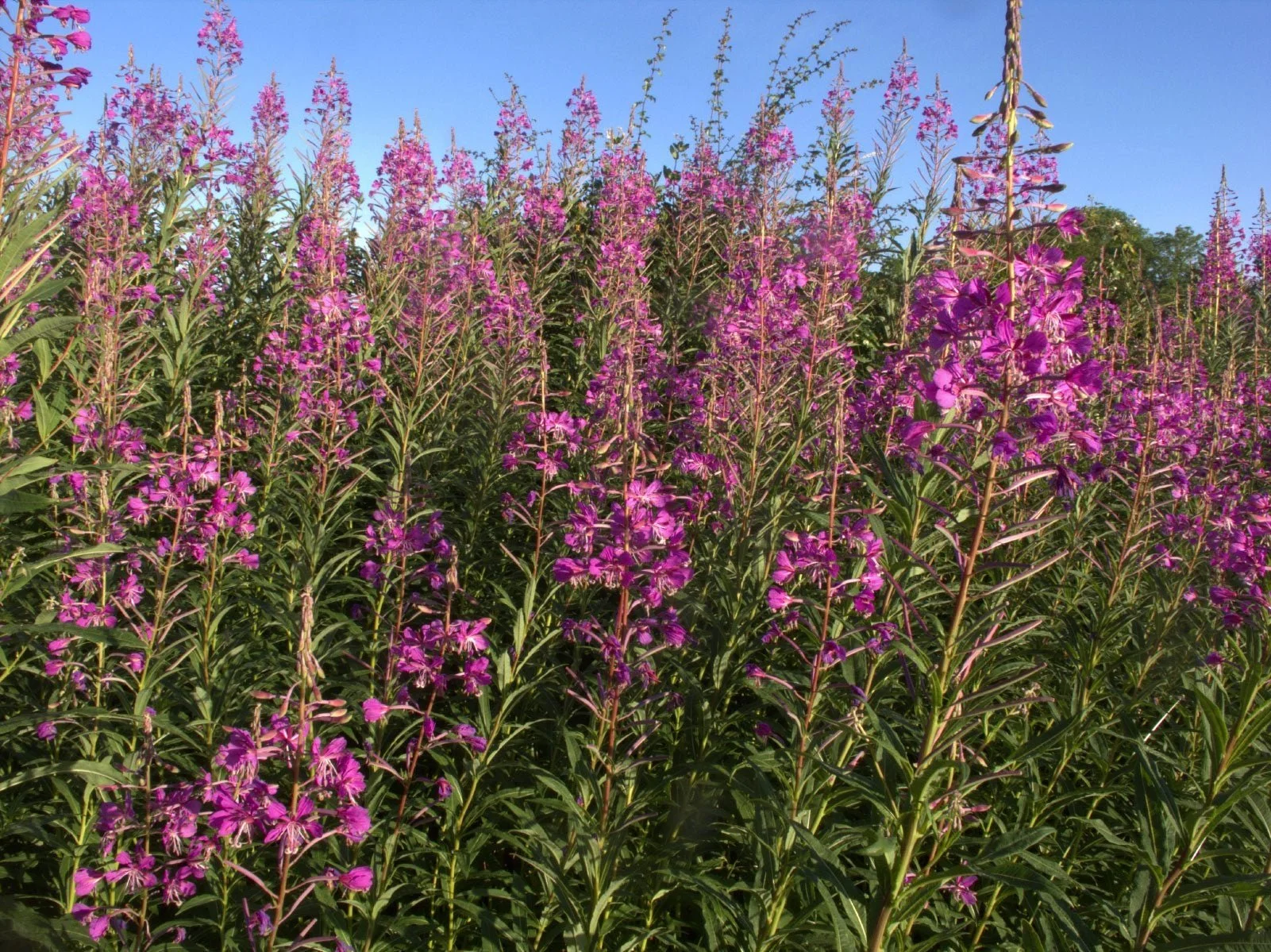
At a Glance
Willowherb is a perennial herbaceous plant known for its slender leaves and delicate pink to purple flowers. Curly willowherb refers to various willowherb species known for their distinctive curled leaves. These plants are found in moist areas, have serrated leaves, and produce pink flowers, often acting as adaptable weeds with potential medicinal uses. Willowherb has a long history of use in traditional herbal practices. It is most often associated with Medicinal, Metaphysical/Spiritual, and Herbal Tea uses.
Read to the end for all details.
Traditional & Common Uses
Willowherb has been worked with in different ways depending on the species, region, and cultural tradition, and its uses often reflect its role as a plant of renewal and adaptation, as described below.
-

Medicinal
Willowherb has been used in gentle, supportive ways, particularly in European and North American folk traditions. Historically, it appeared in teas and simple preparations associated with digestion, skin care, and seasonal balance. Different species have been used somewhat differently, and identification has always mattered.
Curly willowherb has significant traditional and emerging medicinal uses, primarily for urinary and prostate health, with anti-inflammatory, antioxidant, and antimicrobial properties.
-
Metaphysical/Spiritual
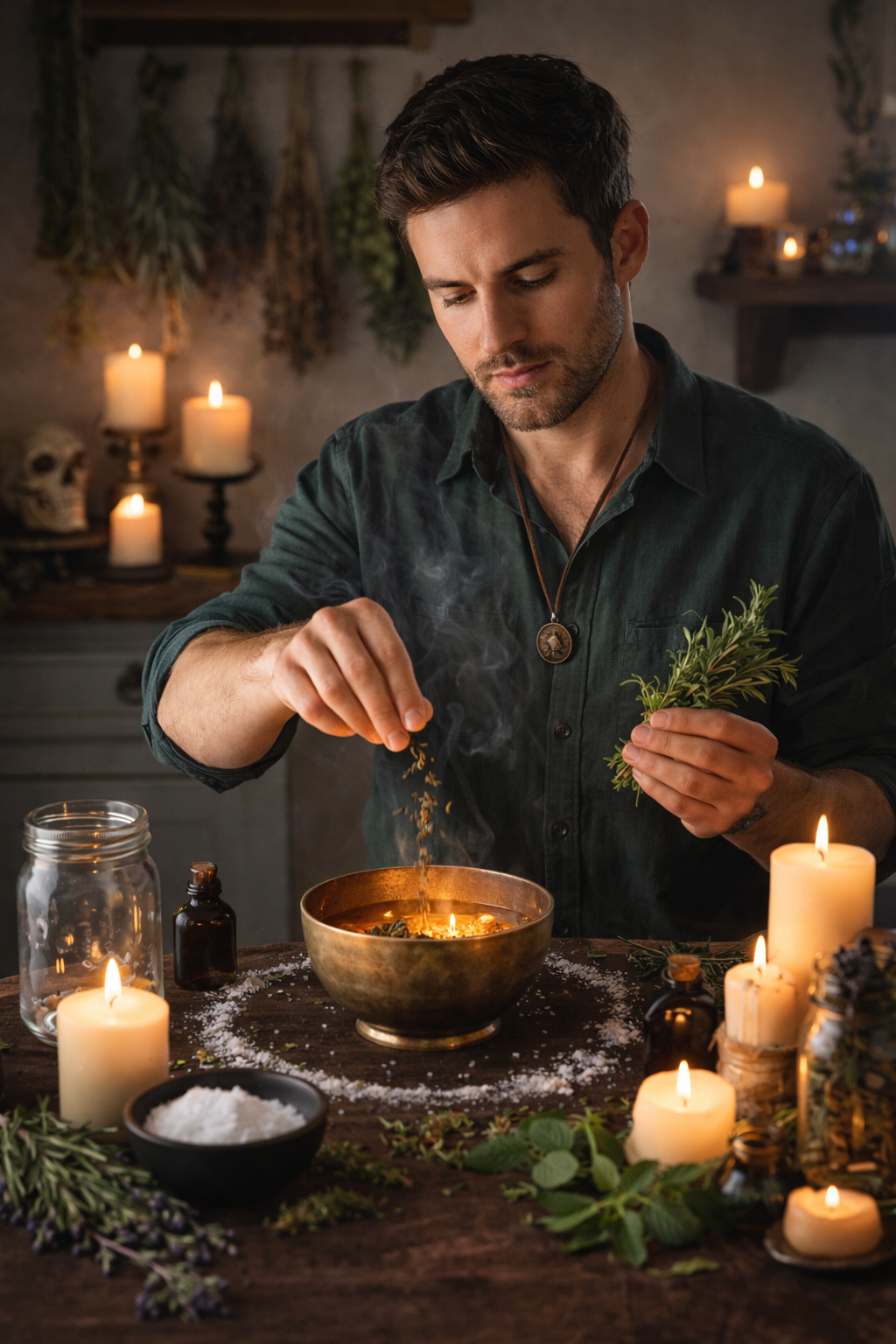
Willowherb is often symbolically associated with resilience, recovery, and new beginnings. Because many species readily colonize disturbed ground, the plant has been viewed as a marker of healing landscapes and renewal after change. It has sometimes been included in practices focused on transition, grounding, and restoration.
In European folklore, Hoary Willowherb was associated with themes of protection, healing, and resilience, with some cultures believing that the plant possessed magical properties or could ward off evil spirits.
-
Herbal Teas
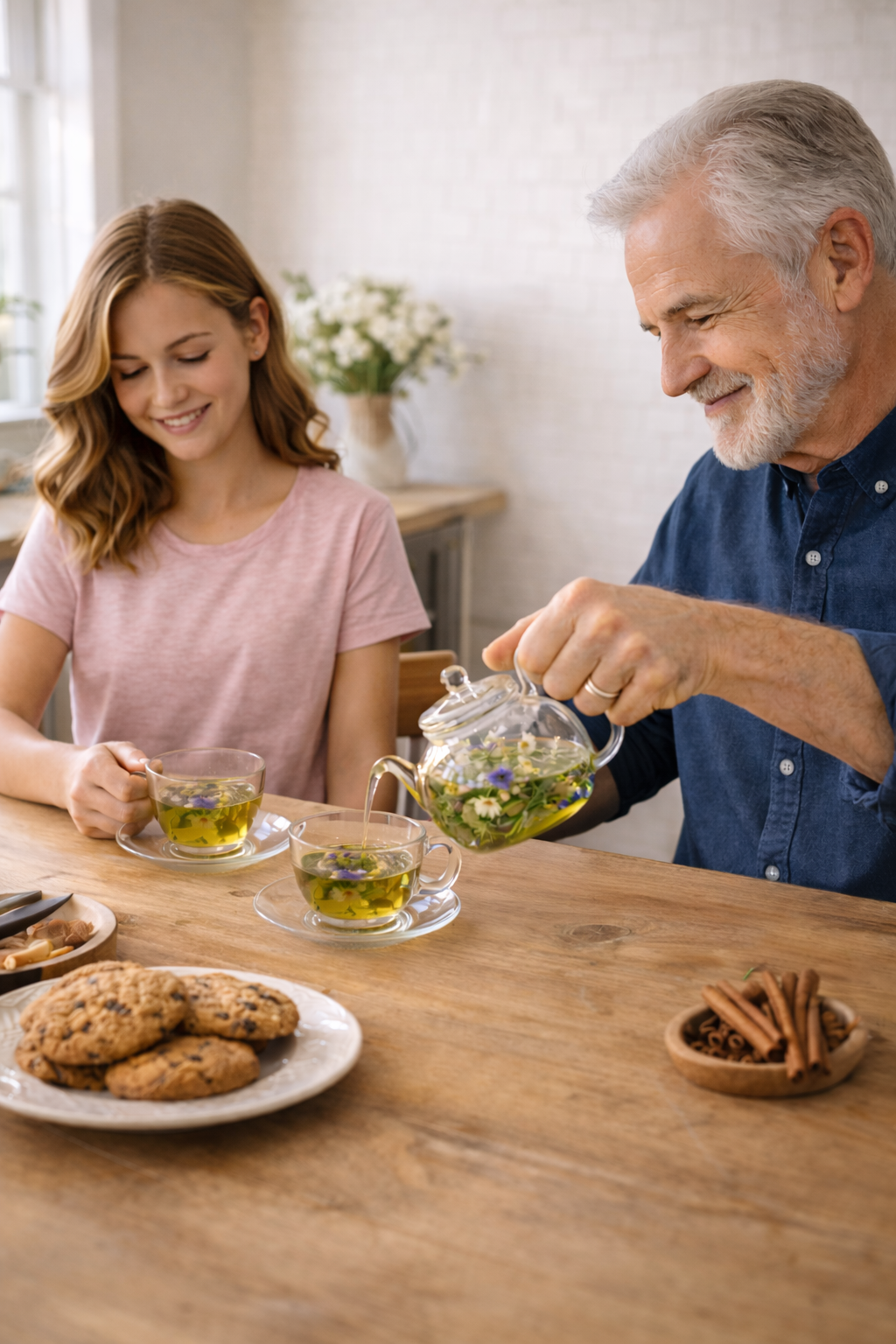
Certain species of willowherb have traditionally been used as herbal infusions. The flavor is generally mild and grassy, and teas were often prepared simply or blended with other gentle herbs rather than consumed as a strong standalone beverage.
Our Current Relationship With This Plant
Willowherb feels like a teacher of place and timing. It helps itself to space in or herb gardens. Because it’s pretty and useful, we welcome it.
Typical Availability
Summer: Fresh aerial parts
Year-Round: Dried herb
Form: Loose dried herb, occasional fresh harvest
Visit our Farm Products page for current availability.
A Gentle Note
Willowherb generally has few side effects for most adults when used appropriately, but precautions include avoiding it in pregnancy/lactation, ensuring serious conditions like prostate cancer are ruled out before using for urinary issues, and consulting a doctor due to potential interactions with medications (like blood thinners) and sensitivities.
Information here reflects traditional use, observation, and personal experience, shared for educational purposes. How a plant is used—or whether it’s appropriate for you—can vary. Please research individual herbs or consult a qualified professional when needed.