
Herbal Profile
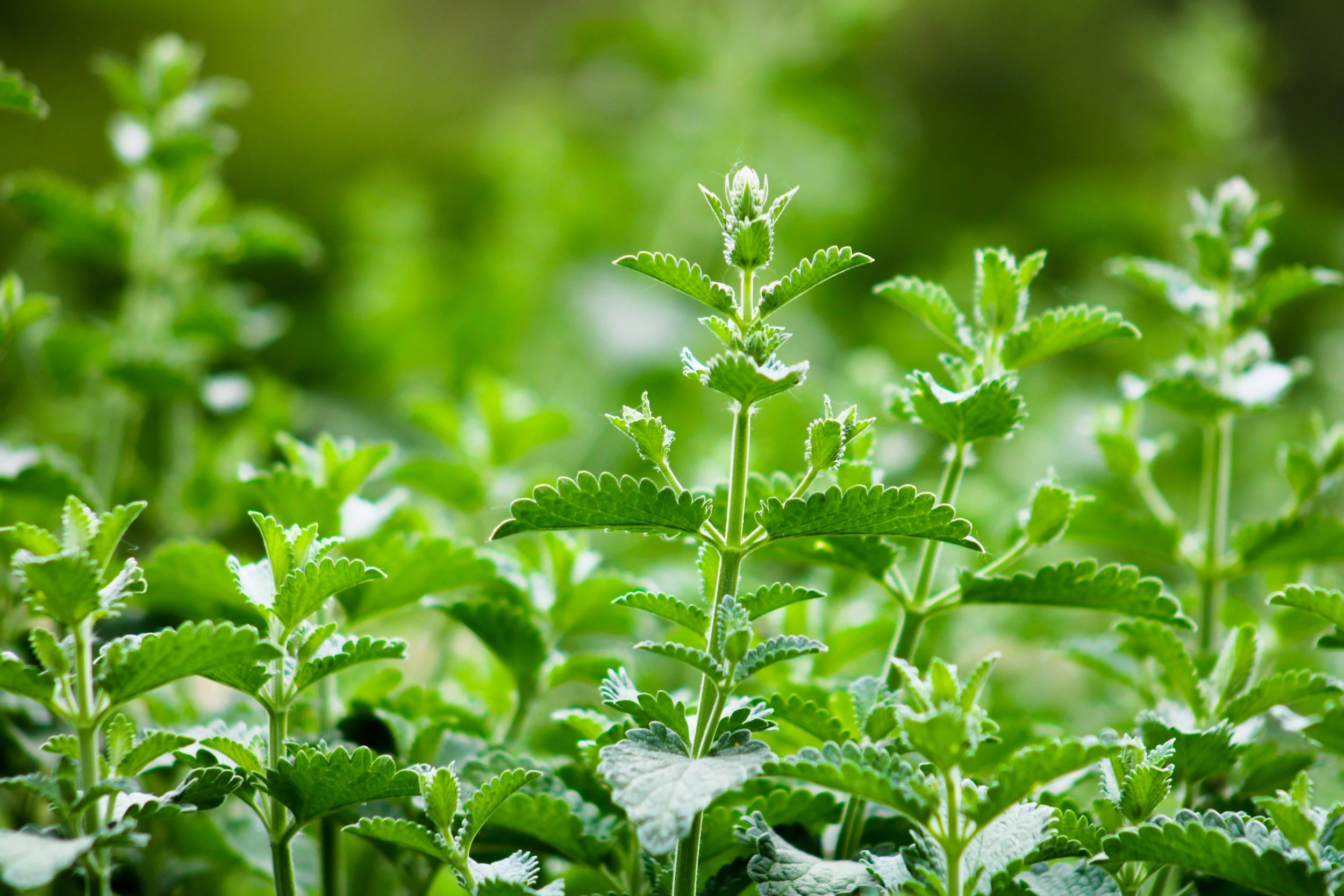
Catnip
Nepeta cataria
Family: Lamiaceae (Mint family)
Also known as: Catmint

Baily (catnip overseer)
At a Glance
Catnip is a fragrant, easygoing perennial herb with soft gray-green leaves and small white or pale lavender flowers. While famously beloved by cats, it also has a long history of gentle use in folk herbal traditions for people. Catnip is commonly associated with Medicinal, Herbal Tea, Metaphysical/ Spiritual, and Artistic/Crafting uses.
Read to the end for all details.
Traditional & Common Uses
Catnip has been approached historically as a calming, comforting plant, valued for both its sensory qualities and its gentle nature.
Its uses are described below.
-

Medicinal
Catnip possesses several traditional medicinal properties, primarily a calming, sedative effect and as an aid for digestive issues. It is often used as a mild, short-term herb rather than a long-term tonic. It does not produce a "high" or have addictive properties for humans.
Medicinal Uses for Humans: Sedative & Anxiety Relief: Used as a mild nervine to promote relaxation, reduce anxiety, and ease nervousness. It is a popular traditional remedy for insomnia and restlessness, often consumed as a tea before bedtime; Digestive Aid: It serves as an antispasmodic and carminative, helping to relieve issues such as indigestion, gas, bloating, and cramps.: Cold & Flu Symptoms: Catnip has diaphoretic properties, meaning it can promote sweating to reduce fevers; Pain & Inflammation Relief: Anti-inflammatory properties may help alleviate pain from headaches, menstrual cramps, and muscle tension. Topically, a poultice or salve can reduce swelling and soothe skin irritations like hives or eczema; Antimicrobial: Studies suggest that catnip has some antibacterial and antimicrobial properties, which may help prevent certain infections..
Preparation and Use: The most common way to use catnip medicinally is by brewing its dried leaves and flowers into an herbal tea or infusion. It can also be prepared as a tincture, infused oil, or used in topical applications like poultices
-

Metaphysical/Spiritual
Catnip has been linked in folklore with happiness, attraction, and gentle joy. In some traditions, it has been used in charm work or carried as a symbol of comfort and positive energy.
Catnip's metaphysical properties center on love, happiness, attraction, and calm, linked to Venus and Water, used in spells for friendship, beauty, and soothing anger, also enhancing intuition and aiding in overcoming challenges or connecting with feline deities like Bast.
Its gentle, playful energy promotes emotional balance, relaxation, and harmony, working in charm bags, dream pillows, and infusions for general well-being, luck, and protection.
Magical Uses: Spellwork: Sewn into charm bags or poppets for love, sewn into sachets for good fortune; Baths: Infused in bathwater for beauty and attraction; Dream Work: Used in dream pillows for predictive dreams and spiritual connection; Household Magic: Placed in the home to invite friendly spirits and harmony.
And don’t forget…cats LOVE it!
-

Artistic/Crafting
Dried catnip is commonly used in sachets, pillows, and small handmade items—especially those intended for cats. Its soft leaves and subtle scent make it well suited to playful, practical craft traditions.
-

Herbal Teas
Catnip is traditionally prepared as a mild infusion with a soft, grassy flavor. It has been used alone or blended with other calming herbs, particularly in evening or seasonal tea blends.
Our Current Relationship With This Plant
Catnip brings a sense of lightness to the farm. It grows generously, attracts pollinators, and is watched over protectively by our farm cat, Baily. We enjoy observing how its energy seems to invite interaction—whether from cats, insects, or curious humans—and learning the best times to harvest for both scent and leaf quality.
Learn more about how we grow and harvest our herbs.
Typical Availability
Late Spring–Fall: Fresh catnip
Year-Round: Dried catnip
Form: Loose dried leaf, small bundles
Plant Starts: Possibly available in the spring
Visit our Farm Products page for current availability.
A Gentle Note
Catnip is generally considered a gentle herb for adult human use when prepared as a light infusion. As with many calming herbs, individual responses can vary.
Historically, it was used to soothe colic in infants, but this is now discouraged due to safety concerns and lack of research.
Information here reflects traditional use, observation, and personal experience, shared for educational purposes. How a plant is used—or whether it’s appropriate for you—can vary. Please research individual herbs or consult a qualified professional when needed.