
Herbal Profile
Roses
Rosa spp.
Family: Rosaceae (Rose family)
Also known as: Garden rose, wild rose (species dependent)
At a Glance
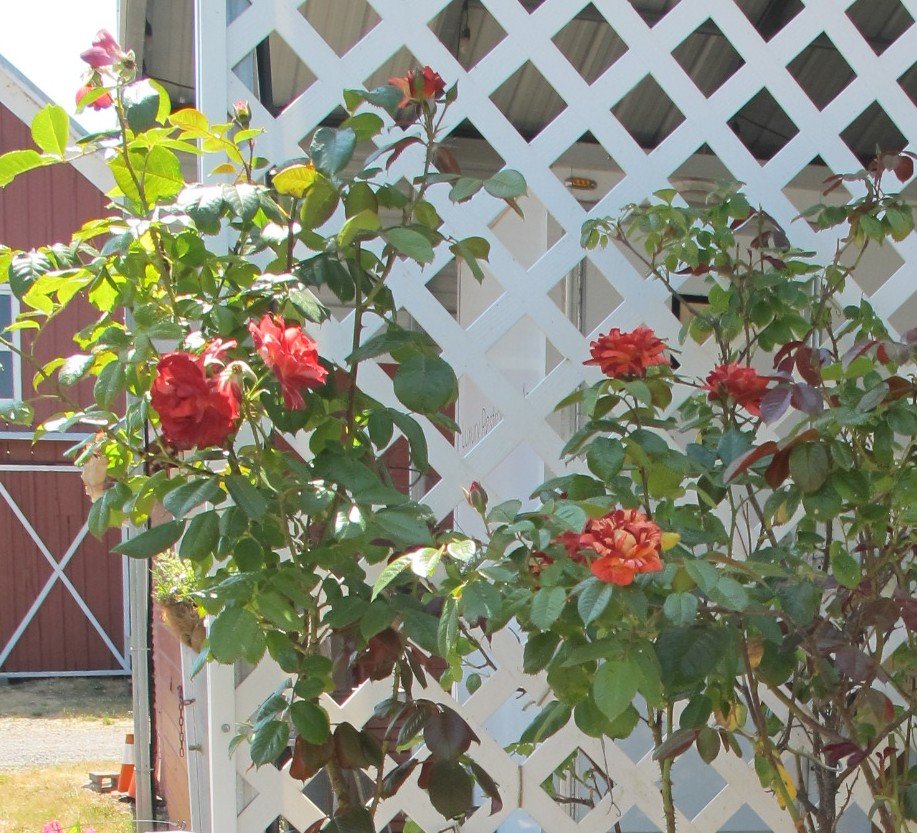
Rose is a long-lived perennial shrub celebrated for its fragrant blossoms, delicate petals, and symbolic presence across cultures. Valued for both beauty and usefulness, rose has played an enduring role in culinary, medicinal, cosmetic, artistic, and spiritual traditions. Different parts of the plant—especially petals and hips—have been used in distinct ways depending on species, place, and tradition.
(Our Nikki Rose is an honored presence on the farm, holding special spiritual meaning and deserving of its own profile.)
Read to the end for all details.
Traditional & Common Uses
Rose has been approached as both a practical and symbolic plant, with uses shaped by culture, season, and the specific part of the plant being worked with. Rose serves more than one purpose, as described below.
-

Culinary
Rose petals have traditionally been used to flavor syrups, honey, sugar, desserts, and beverages. Rose water and rose-infused preparations appear in many culinary traditions around the world, prized for their floral aroma rather than strong flavor. Rose hips, formed after flowering, have also been used historically in jams, teas, and preserves.
-
Medicinal
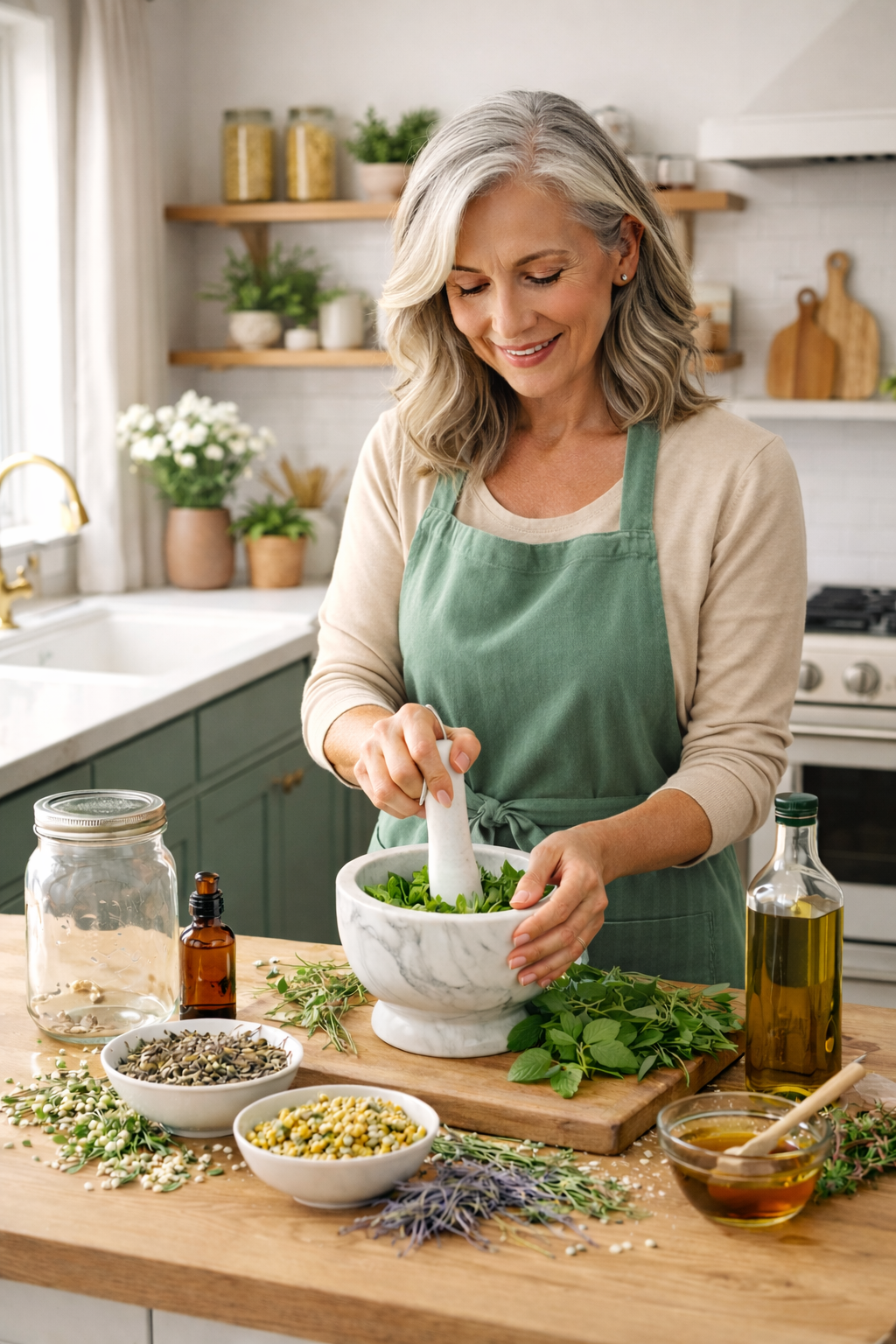
In traditional herbalism, rose is associated with emotional balance and heart-centered support. Petals and hips have appeared in teas, infusions, and syrups. Roses offer numerous medicinal benefits, with different parts of the plant used for various remedies. The primary medicinal parts are the petals and the hips (fruit).
Key medicinal benefits: Anti-inflammatory Effects, Rich in Antioxidants and Vitamin C, Emotional Well-being and Mood Enhancement, Digestive Health and Menstrual Health.
-
Metaphysical/Spiritual
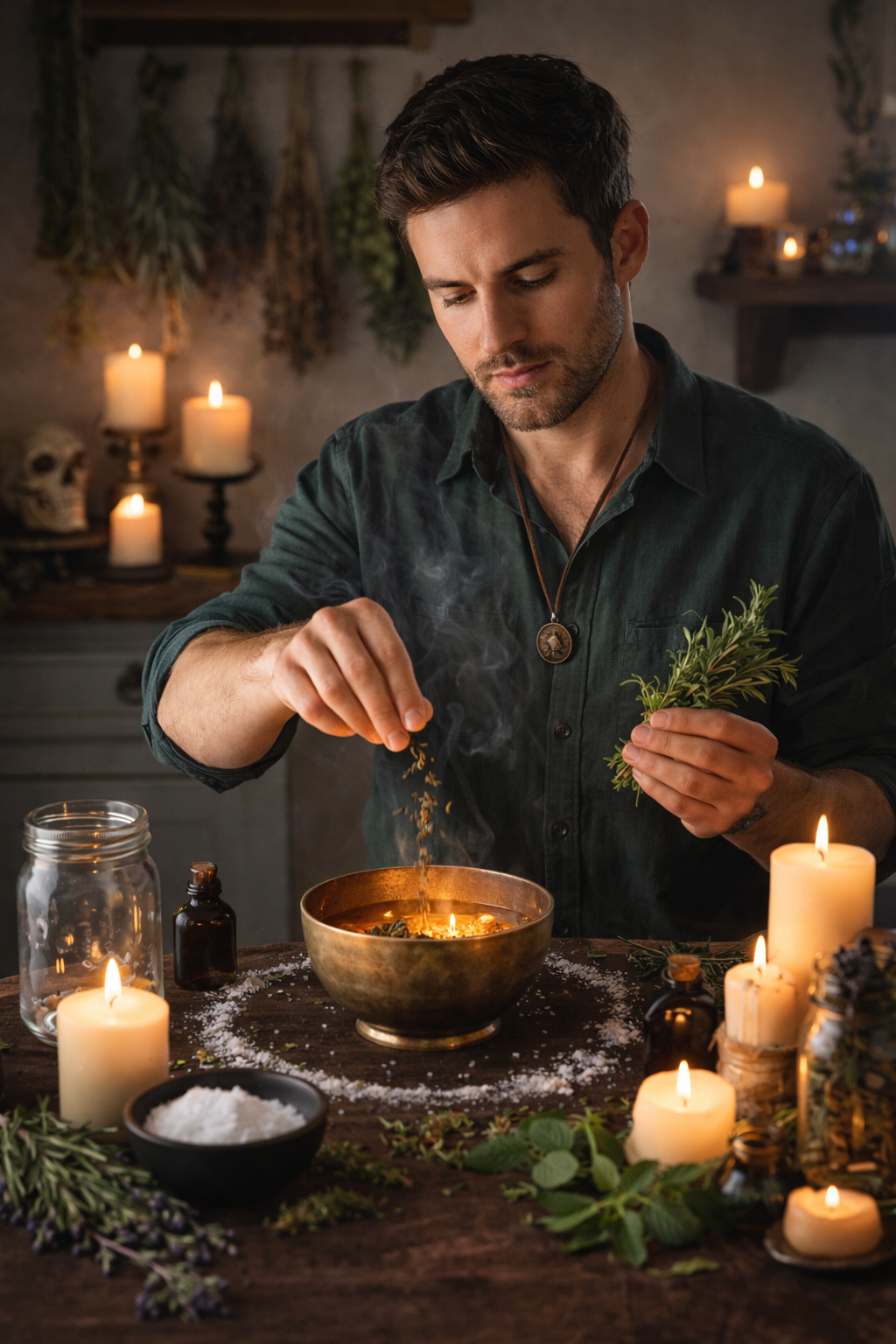
Rose holds powerful symbolic meaning across many spiritual and cultural traditions. Associated with love, devotion, protection, and the heart, rose has been used in rituals, offerings, and practices centered on emotional healing, beauty, and sacred space. It is frequently connected with themes of balance between softness and strength.
Metaphysically, the rose symbolizes love, beauty, passion, and divine connection, with its thorns and thorny branches representing protection and the balance between earthly and spiritual realms. Its correspondences include the planet Venus, the element of Water, and feminine energy, used in magic for attracting love, healing, and enhancing beauty, with specific colors carrying different meanings like red for passion, pink for self-love, and white for purity. -
Artistic/Crafting
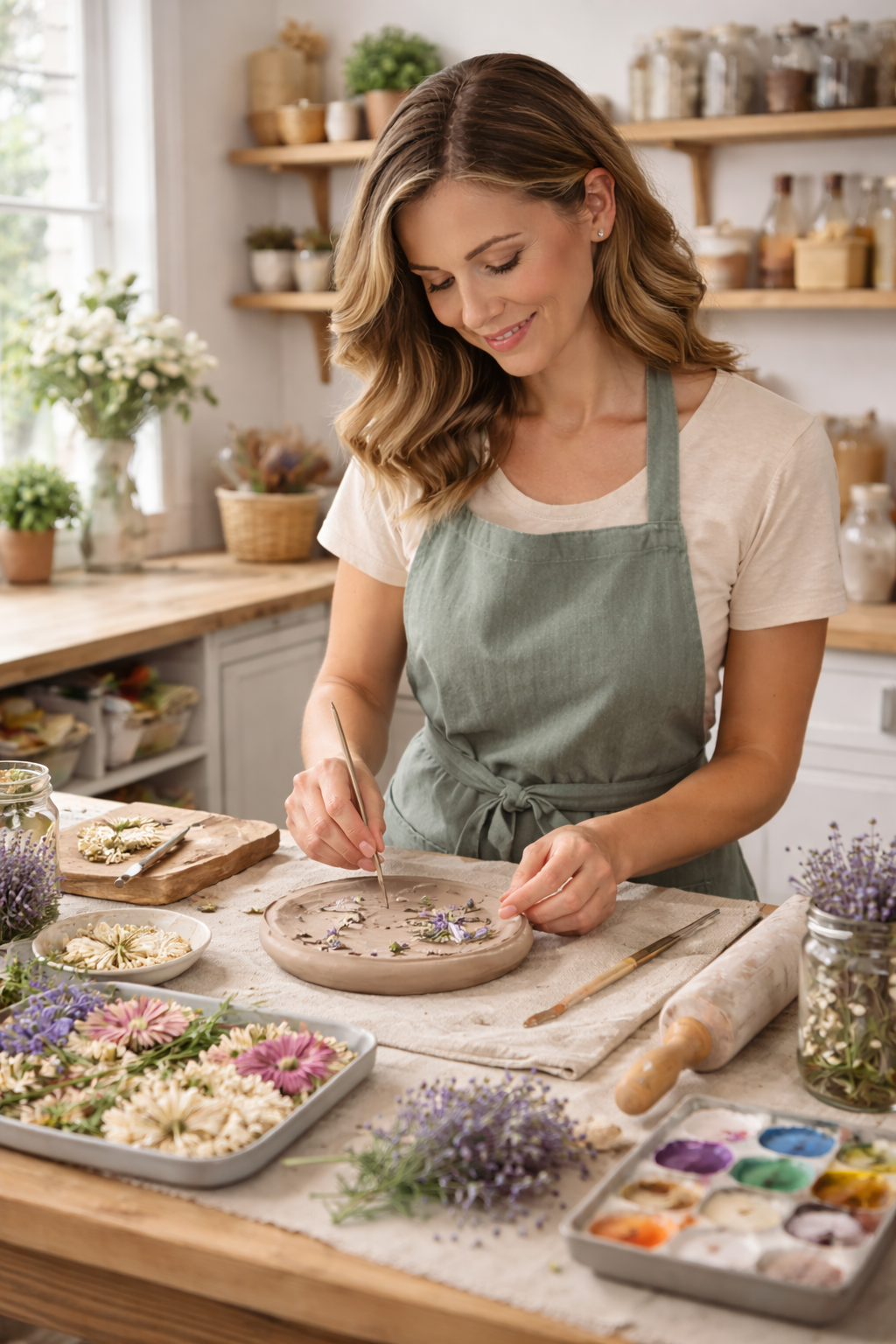
Rose petals are commonly used in dried arrangements, potpourri, sachets, and pressed botanical art. The flowers’ form, color, and symbolism make them a frequent subject in visual art and seasonal crafts.
-

Cosmetic
Rose has a long history in cosmetic and aromatic traditions. Rose water, infused oils, and floral preparations have been used in skin care, bathing, and fragrance practices, valued for their gentle nature and sensory richness. Skin Care and Anti-aging: Applied topically or consumed, rose helps maintain skin elasticity and hydration, reduce signs of aging (like wrinkles and age spots), and promote wound healing. Rose water is a popular natural toner that balances the skin's pH and tightens pores.
-
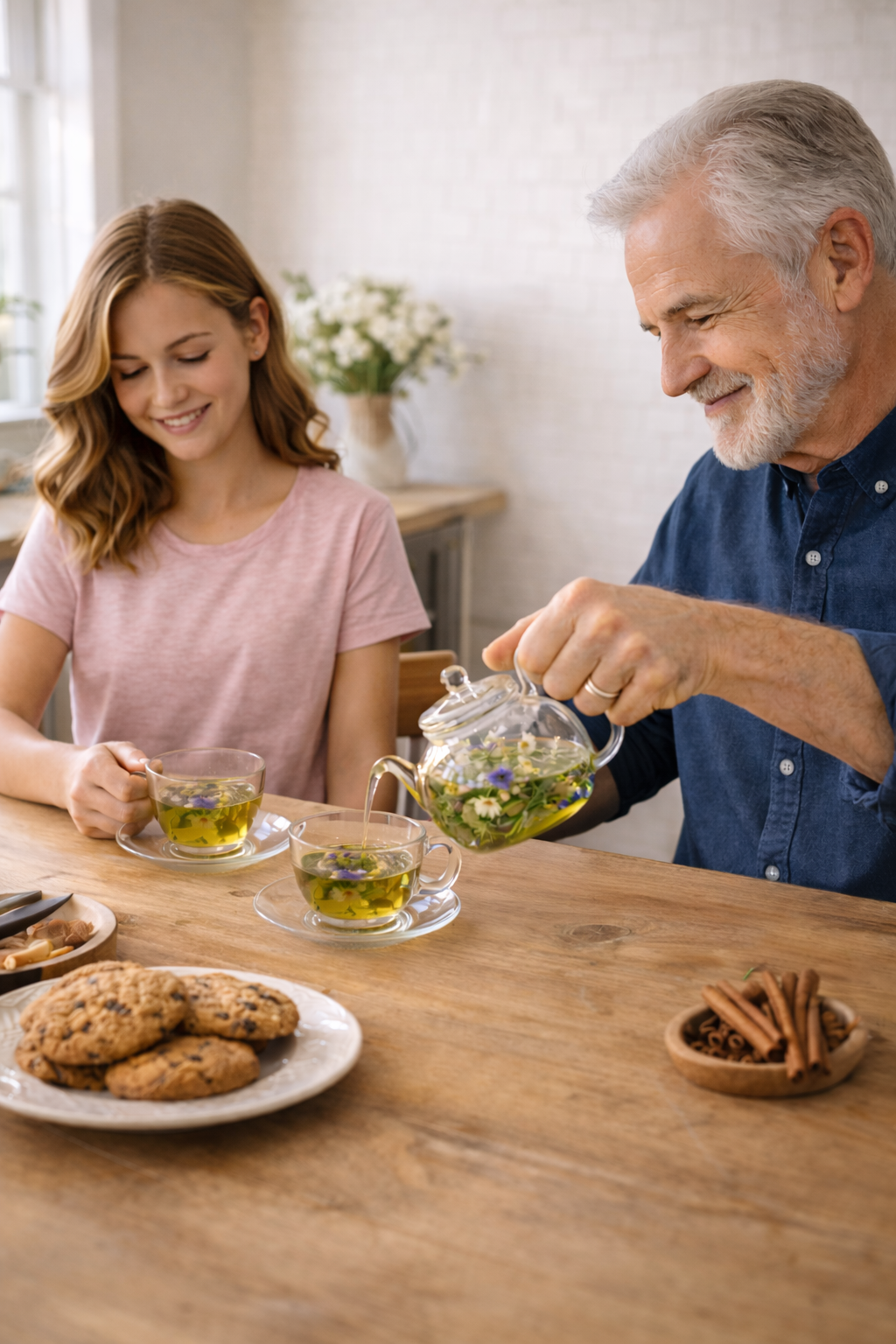
Herbal Teas
Rose petals and rose hips have traditionally been used in herbal teas, either alone or blended with other herbs.
Petal infusions are light and floral, while rose hip teas are deeper and more tangy, reflecting the different qualities of each plant part.
Our Current Relationship With This Plant
Rose is a plant that invites slowness and attentiveness. We’re learning which varieties thrive here, how bloom timing shifts with the seasons, and how to work respectfully with a plant that offers beauty first and harvest second. Our relationship with rose is as much about presence and observation as it is about use, and we’re allowing that relationship to unfold naturally over time.
Our Nikki Rose is an honored presence on the farm, holding special spiritual meaning and deserving of its own profile.
Learn more about how we grow and harvest our herbs & flowers
Typical Availability
Winter: Dried petals, rose heads and thorny branches
Spring, Summer & Fall: Fresh & dried petals, rose heads and thorny branches, with limited availability of cut roses
Form: Whole petals, dried petals & rose heads, rose hips, thorny stems
Visit our Farm Products page for current availability.
A Gentle Note
Surgery: Stop rose hip use at least 2 weeks before surgery due to potential bleeding risk.
Bleeding Disorders/Blood Thinners: Rose hips may increase bleeding risk: avoid with conditions like hemochromatosis, thalassemia, or anticoagulant meds.
Kidney Stones: High Vitamin C in rose hips can increase risk.
Diabetes: High Vitamin C in rose hips might affect blood sugar control.
G6PD Deficiency/Sickle Cell Disease: Use with caution or avoid.
Cancer Medications: May interact with some antitumor drugs.
Internal Use of Rose Water: Generally safe but consult a doctor for eye issues.
Rose Oil: Always dilute with a carrier oil; talk to a professional before treating medical conditions
Information here reflects traditional use, observation, and personal experience, shared for educational purposes. How a plant is used—or whether it’s appropriate for you—can vary. Please research individual herbs or consult a qualified professional when needed.