
Herbal Profile
Creeping Buttercup
Ranunculus repens
Family: Ranunculaceae (Buttercup family)
Also known as: Creeping crowfoot
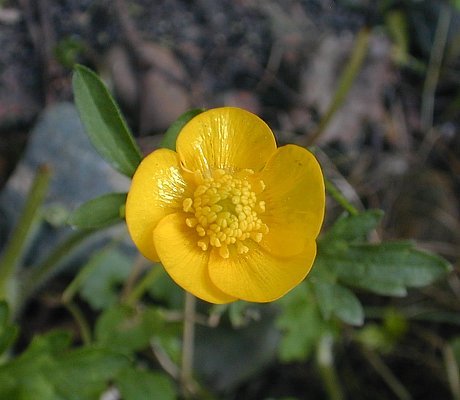
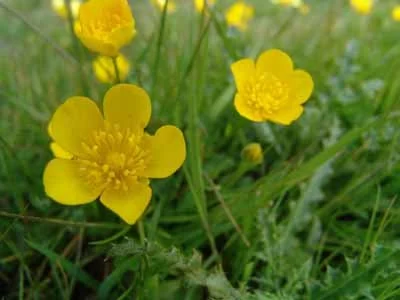
At a Glance
Creeping buttercup is a spreading perennial plant recognized by its tiny, bright, glossy yellow flowers and low, creeping growth habit.
Creeping buttercup is primarily associated with metaphysical/spiritual traditions and artistic uses rather than common culinary or folk remedy use.
Read to the end for all details.
Traditional & Common Uses
Buttercups as a group have a long presence in folklore, though they are approached cautiously in herbal contexts. Uses are described below.
-
Medicinal (not recommended)
Historically, some Ranunculus species appeared in folk medicinal practices, often topically and with caution. However, creeping buttercup contains compounds that can be irritating to skin when fresh, and it has not been widely used in gentle or everyday herbal traditions. Its presence in medicinal history is limited and typically framed by strong warnings.
(This information is included here to avoid confusion with other buttercup varieties.)
-
Metaphysical/Spiritual
Buttercups have long been associated with sunlight, cheerfulness, & childlike wonder in folklore. Creeping buttercup is symbolically linked to persistence, boundary-setting, and the quiet reclaiming of space.
Metaphysical Properties: Joy & Sunshine: The vibrant, glossy yellow petals link buttercups to solar energy, radiating happiness, optimism, and positive energy, capable of lifting spirits and dispelling dark thoughts; Resilience & Persistence: The creeping buttercup symbolizes endurance, determination, and the capacity to thrive despite opposition. It offers a lesson in maintaining a presence and finding strength; Connection to Nature Spirits/Fairies: In Celtic and European folklore, buttercups (often called "fairy cups") were believed to mark places where fairies gathered or danced, emphasizing the importance of respecting nature's boundaries and appreciating beauty without claiming it; Creativity & Self-Confidence: In some flower essence practices, the buttercup is used to help individuals find time for themselves, boost self-confidence, and access inner creativity and strength.
Caution: The plant contains toxic compounds (protoanemonin) that can cause skin irritation or internal distress if ingested. This lends a secondary reminder that beauty isn't always harmless.
-

Artistic/Crafting
The bright yellow flowers of creeping buttercup are typically used for visual appreciation, photography, or crafting purposes (decoupage, candles, pretty potpourri’s, print making, etc.)
We dry our creeping buttercup flowers in such a way that most of the little flower heads remain open-faced and pretty, despite their tiny size.
Our Current Relationship With This Plant
Creeping buttercup grows freely on our farm for a short season. Its presence tells us a great deal about soil moisture, compaction, and disturbance. Harvesting and drying it is time-consuming (a lot of effort with little to show), so I use it is an opportunity to get lost in my surroundings and let my mind wander.
Learn more about how we grow and harvest our herbs.
Typical Availability
Year-Round: Small amounts of dried flower heads
Visit our Farm Products page for current availability.
A Gentle Note
Creeping buttercup is not considered an appropriate herb for culinary, medicinal or tea use. Fresh plant material can be irritating to skin and mucous membranes.
Information here reflects traditional use, observation, and personal experience, shared for educational purposes. How a plant is used—or whether it’s appropriate for you—can vary. Please research individual herbs or consult a qualified professional when needed.