
Herbal Profile
Mugwort
Artemisia vulgaris
Family: Asteraceae (Sunflower family)
Pronounced “MUG-wurt”
At a Glance
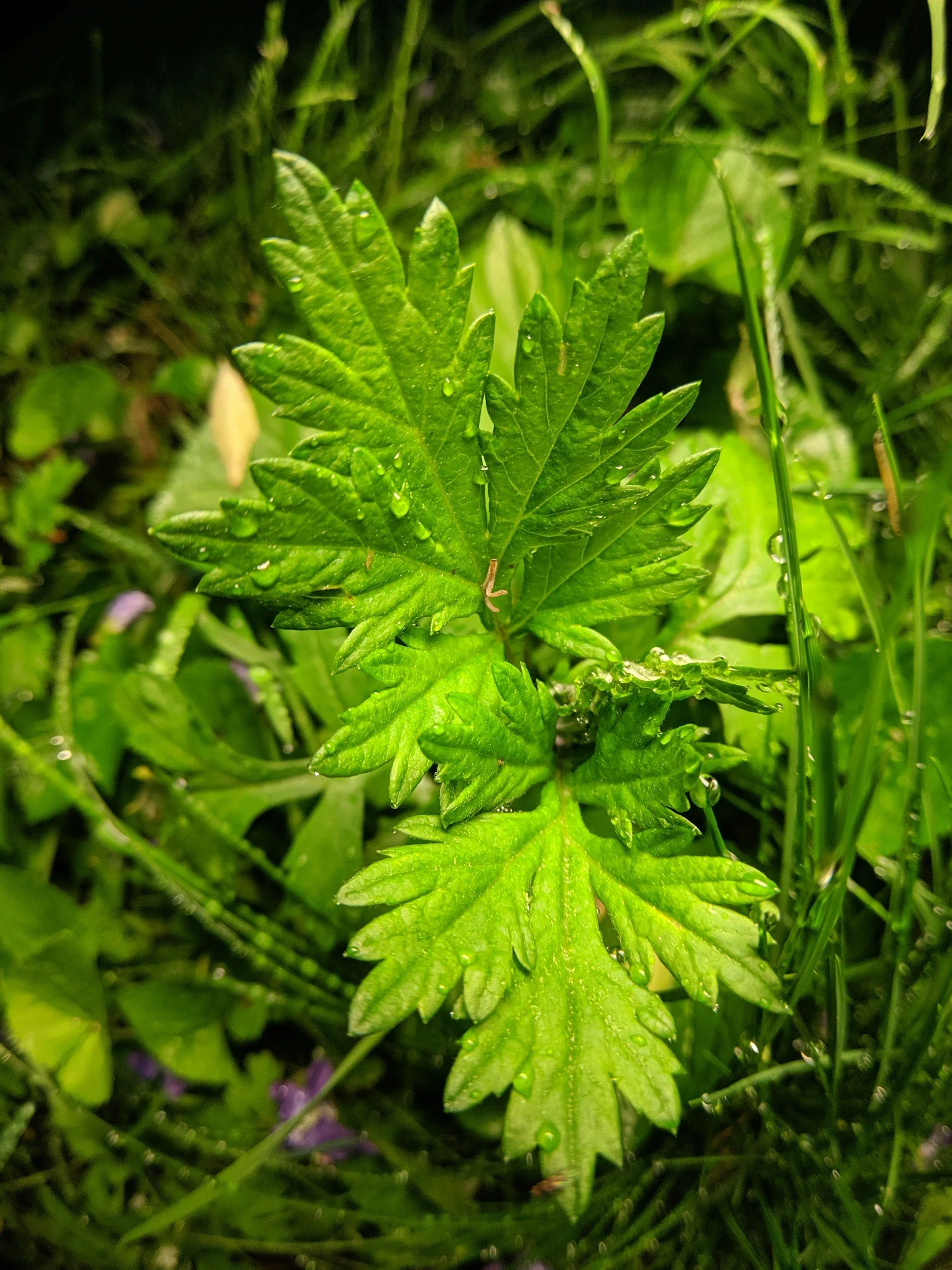
Mugwort is a hardy perennial herb known for its deeply lobed leaves, silvery undersides, and aromatic presence. Long associated with dreams, protection, and transition, it has been used across many cultures in medicinal, spiritual, and practical traditions. Mugwort is most commonly associated with Medicinal, Metaphysical/Spiritual, and Herbal Tea uses.
Read to the end for all details.
Traditional & Common Uses
Mugwort has historically been approached as a plant of threshold moments and altered states, with uses shaped by cultural context, timing, and careful intention, described below.
-

Medicinal
In traditional herbalism, mugwort has been used in a variety of preparations, particularly in European and Asian traditions. Historically, it has appeared in teas, tinctures, and topical preparations.
Mugwort boasts properties as an antioxidant, anti-inflammatory, digestive aid, and menstrual regulator. It is traditionally used for digestive issues, pain relief, fever and supporting women's health. Modern research suggests potential benefits for cholesterol, liver, and respiratory issues.
-
Metaphysical/Spiritual
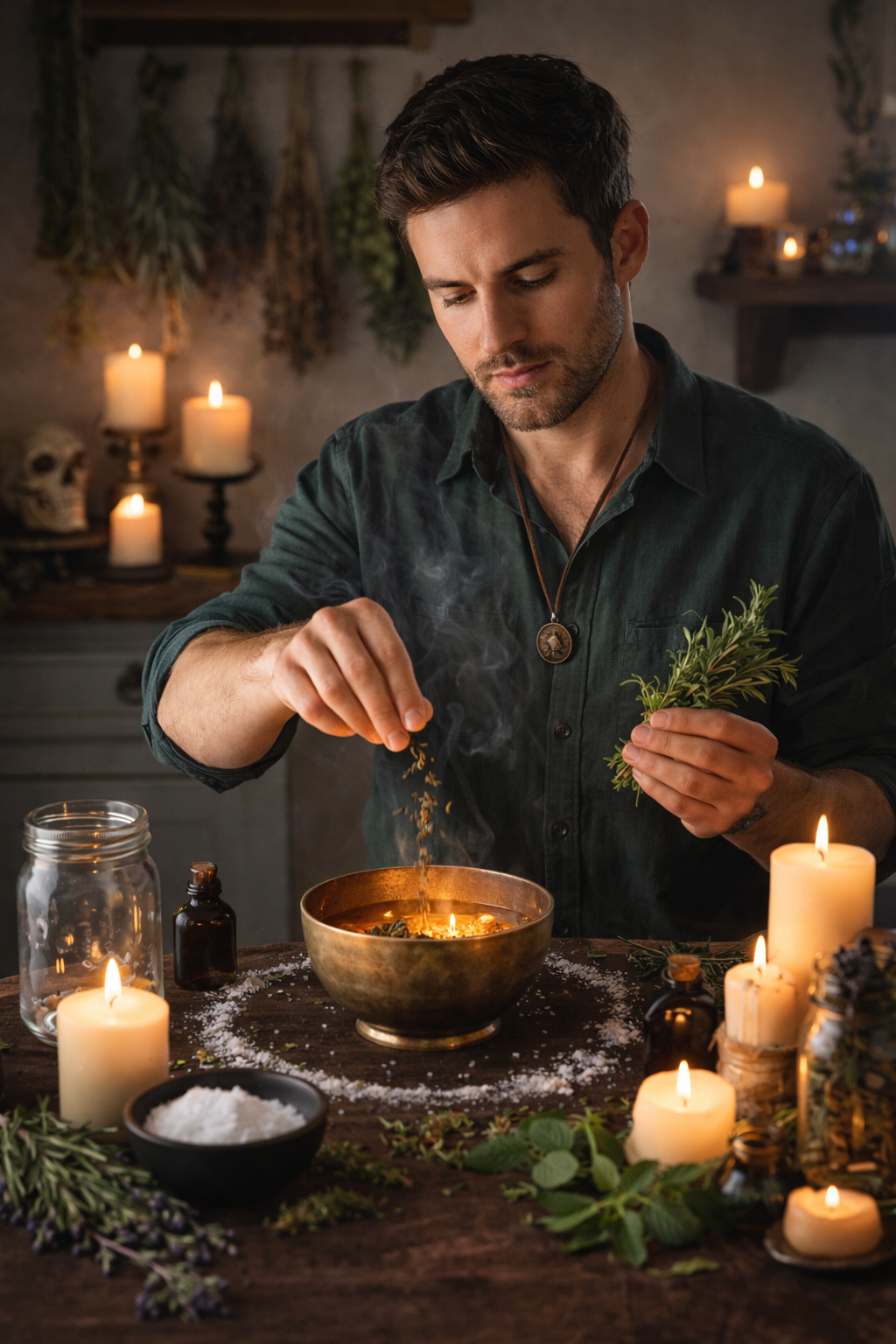
Mugwort has a strong presence in folklore and spiritual practice. Long associated with dreamwork, protection, divination, and liminal spaces , it is traditionally carried, burned, or placed near sleeping areas to support insight, clarity, or boundary work. Mugwort's key metaphysical properties center on dreamwork, intuition, protection & banishment, and spiritual vision — often linked to lunar magic and feminine energy, enhancing psychic abilities for divination, promoting vivid/lucid dreams, and warding off negativity. It's used to open psychic vision, facilitate astral travel, and connect with the subconscious, making it a potent herb for clairvoyance and spiritual insight.
Common Practices includeDream Pillows (stuffing pillows for enhanced dreams), Incense & Smudging (burning it to cleanse spaces and enhance spiritual work), Teas/Tinctures(consuming for psychic clarity or bathing with it for spiritual cleansing and empowerment), and Amulets (wearing or placing it for protection).
-

Herbal Teas
Mugwort has traditionally been prepared as an herbal infusion for medicinal and spiritual purposes, typically used sparingly and with intention rather than as an everyday tea. The flavor is bitter and aromatic, reflecting the plant’s potency.
Our Current Relationship With This Plant
Mugwort is a plant we approach with attentiveness and respect. We’re drawn to its long history of use in both practical and spiritual contexts, as well as its ability to thrive. We’re currently growing Common Mugwort and California Mugwort.
Learn more about how we grow and harvest our herbs.
Typical Availability
Spring-Fall: Fresh, and new plant starts
Year-Round: Dried
Form: Loose dried herb, bundles
Plant Starts: Available beginning in the spring
Visit our Farm Products page for current availability.
A Gentle Note
Mugwort has significant precautions, primarily related to pregnancy (can cause miscarriage), allergies (especially to ragweed, celery, birch), and potential toxicity from prolonged use due to a compound called thujone. Consultation with a healthcare provider is recommended, particularly for those with existing health conditions or on medications.
Information here reflects traditional use, observation, and personal experience, shared for educational purposes. How a plant is used—or whether it’s appropriate for you—can vary. Please research individual herbs or consult a qualified professional when needed.