
Herbal Profile
Ashwagandha
Withania somnifera
Family: Solanaceae (Nightshade family)
Also known as: Indian ginseng, winter cherry
Pronounced “ash-wuh-GAN-duh”
At a Glance
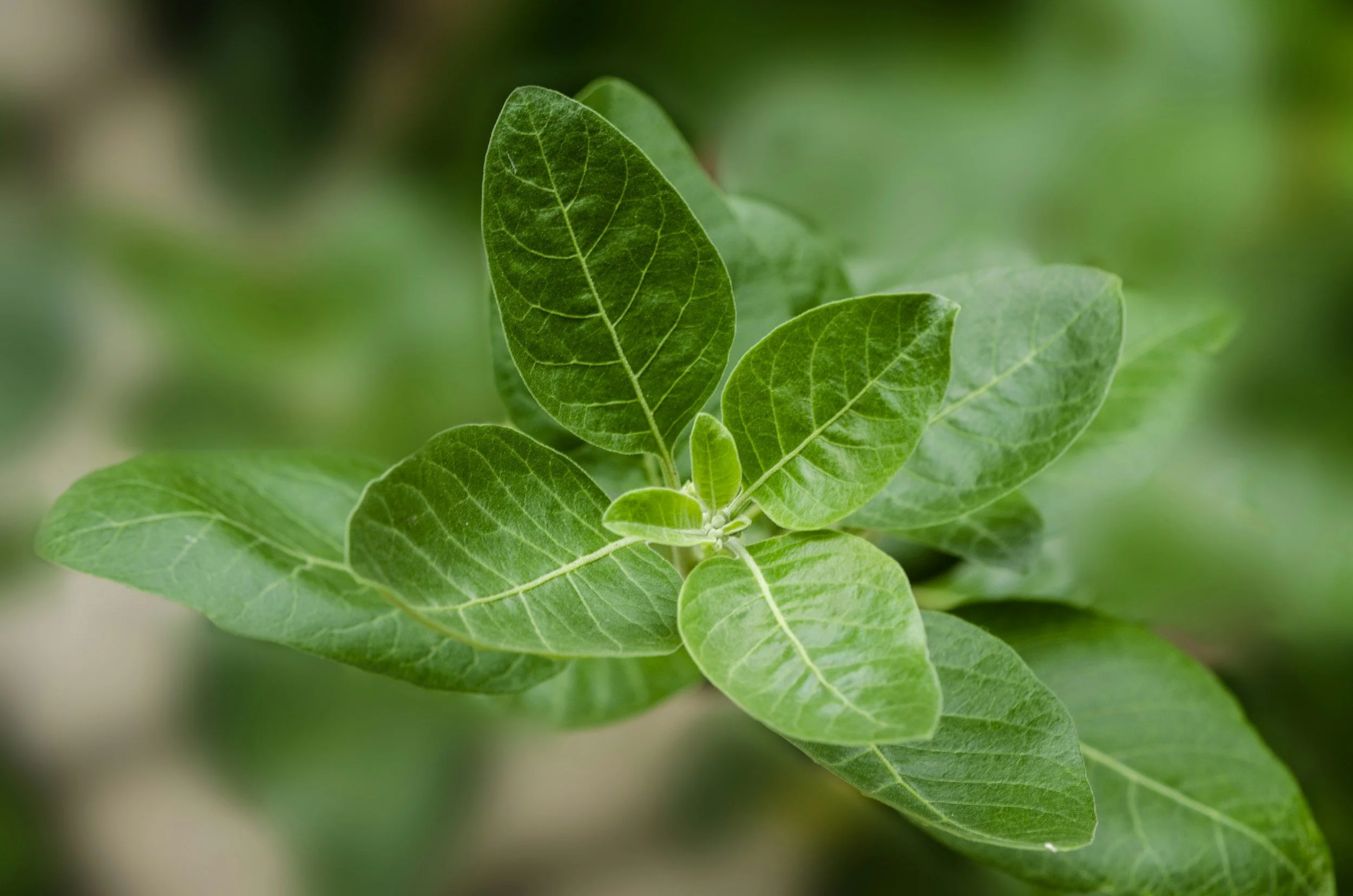
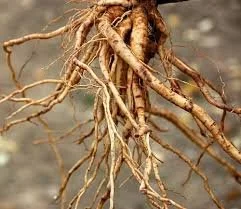
Ashwagandha is a tender perennial valued for its roots and long history in traditional wellness systems. Known as a grounding, restorative plant, it has been used for centuries in medicinal and spiritual traditions focused on resilience and balance. Ashwagandha is most commonly associated with Medicinal, Metaphysical/Spiritual, and Herbal Tea uses.
Read to the end for all details.
Traditional & Common Uses
Ashwagandha’s use is deeply rooted in long-term, whole-system traditions rather than quick or acute applications, as described below.
-

Medicinal
In traditional herbal systems, ashwagandha has been used as a tonic herb associated with strength, endurance, and restoration. Historically, the root is the primary part used and has appeared in powders, decoctions, and tinctures as part of longer-term herbal practices.
Ashwagandha's medicinal properties center on its adaptogenic effects, helping the body manage stress by lowering cortisol, reducing anxiety and fatigue, and improving sleep, while also possessing anti-inflammatory, antioxidant, and immunomodulating qualities, supporting thyroid function, boosting athletic performance, enhancing cognitive function, and potentially improving fertility and blood sugar control, with active compounds like withanolides driving these diverse effects.
Emotional Balance and Calm: As an adaptogen, it is believed to help the body adapt to physical and emotional stressors, fostering a sense of calm and emotional stability. It is used to soothe an agitated nervous system, reduce anxiety, and promote a balanced mood.
Mental Clarity and Focus: The herb is considered a Medhyarasayana in Ayurveda, a sub-group of rejuvenators that specifically enhance intellect and mental capacity. It is thought to improve memory, focus, and clarity of thought, helping to fight against brain fog and mental blockages.
Promoting Restorative Sleep: Its botanical name, somnifera (Latin for "sleep-inducing"), reflects its relaxing properties that support deeper, more restful sleep, helping to restore energy.
-

Metaphysical/Spiritual
In traditional Ayurvedic and modern holistic practices, ashwagandha is primarily valued for its adaptogenic and rejuvenating properties, which help to balance the mind, body, and spirit. Its metaphysical properties focus on promoting strength, stability, and emotional resilience, especially during periods of stress or transition.
Key metaphysical properties: Grounding & Stability: Strongly associated with balancing the root chakra, which is responsible for feelings of security and being connected to the earth. This helps ungrounded individuals feel more stable and centered; Strength & Vitality: The Sanskrit name "ashwagandha" translates to "smell of the horse," a reference to its traditional belief of imparting the strength and vitality of a stallion. It is used to build physical and mental endurance and resilience, especially in times of depletion or fatigue; Emotional Balance & Calm: As an adaptogen, it is believed to help the body adapt to physical and emotional stressors, fostering a sense of calm and emotional stability; Mental Clarity & Focus; Spiritual Uplifting & Longevity: Revered as a Rasayana (rejuvenative), it is used to enhance the essence of life (ojas and prana) and promote longevity, youthfulness, and overall well-being; Promoting Restorative Sleep; and Relationship Harmony: In contemporary spiritual practices, ashwagandha is sometimes viewed as an herb that promotes healthy boundaries, mutual trust, and compromise, making it valuable for rituals focused on bringing accord to relationships.
In essence, ashwagandha's metaphysical properties bridge physical vitality with spiritual enlightenment, helping the individual navigate life's challenges with greater ease and inner. The leaves and roots are used for these purposes.
-
Herbal Teas
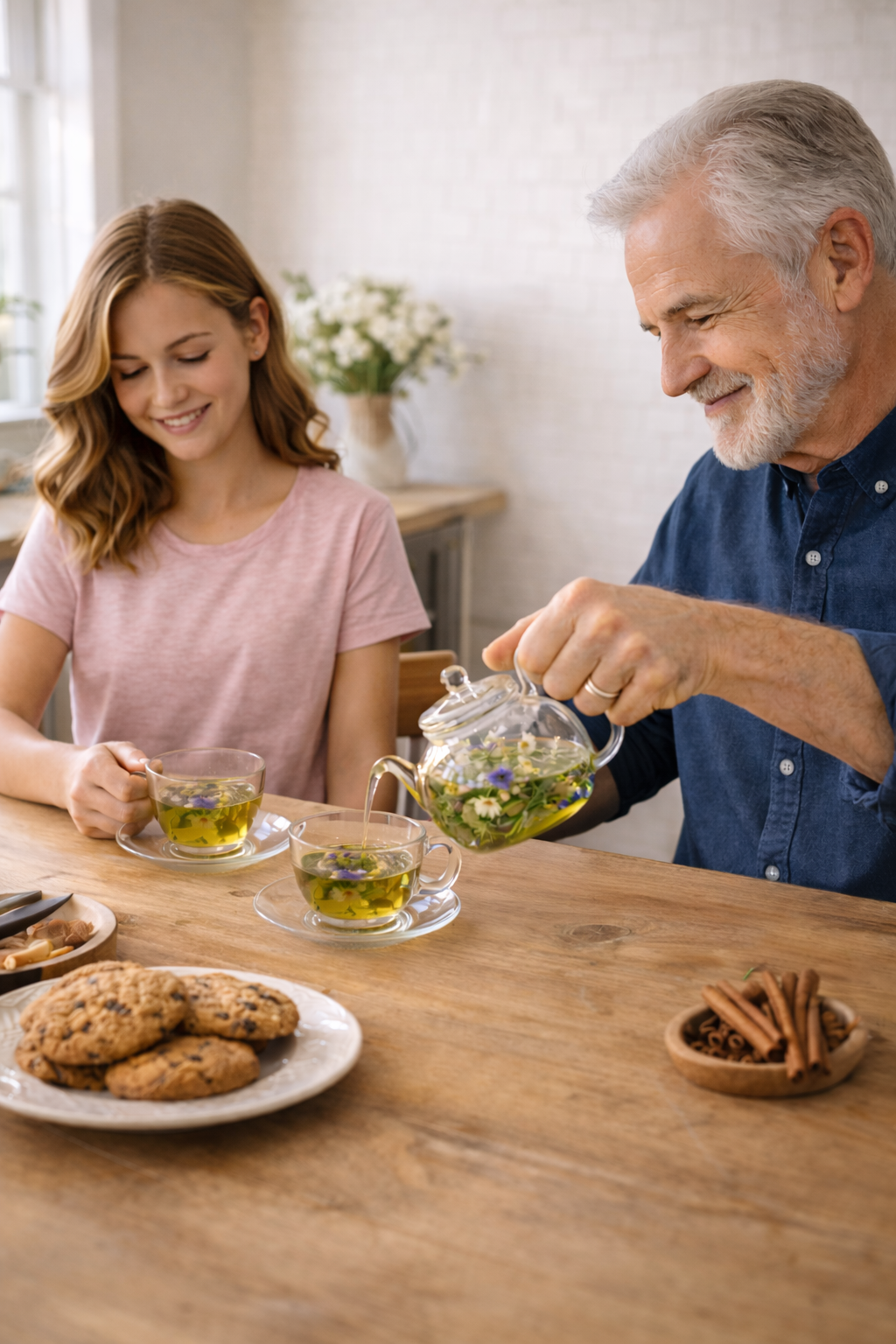
Ashwagandha root has traditionally been prepared as a decoction* rather than a light infusion.
The flavor is earthy and slightly bitter, and it is often blended with warming spices or other roots in traditional formulas.
Our Current Relationship With This Plant
Ashwagandha is a plant we approach thoughtfully and with curiosity. We’re interested in learning how it adapts to our climate, how long it takes to develop strong roots, and what it teaches us about patience and long-term cultivation. As with many roots, our relationship with this plant is slow by nature, shaped by observation and careful harvest timing. We have just begun experimenting with it and haven’t made the roots available for purchase yet.
Learn more about how we grow and harvest our herbs.
Future Availability
Fall: Fresh ashwagandha root (limited, seasonal)
Year-Round: Dried root
Form: Whole or cut dried root, loose leaves
Plant Starts: Possibly available in spring.
Visit our Farm Products page for current availability.
A Gentle Note
Ashwagandha is a potent herb with a long history of use, and it may not be appropriate for everyone. Traditionally, it has been avoided during pregnancy, and caution is often advised for individuals with thyroid conditions, autoimmune concerns, or those taking sedatives or certain medications. Because it is typically used over longer periods, thoughtful research and professional guidance are especially important.
Information here reflects traditional use, observation, and personal experience, shared for educational purposes. How a plant is used—or whether it’s appropriate for you—can vary. Please research individual herbs or consult a qualified professional when needed.