
Herbal Profile
Thyme
Thymus vulgaris
Family: Lamiaceae (Mint family)
Pronounced “TIME”
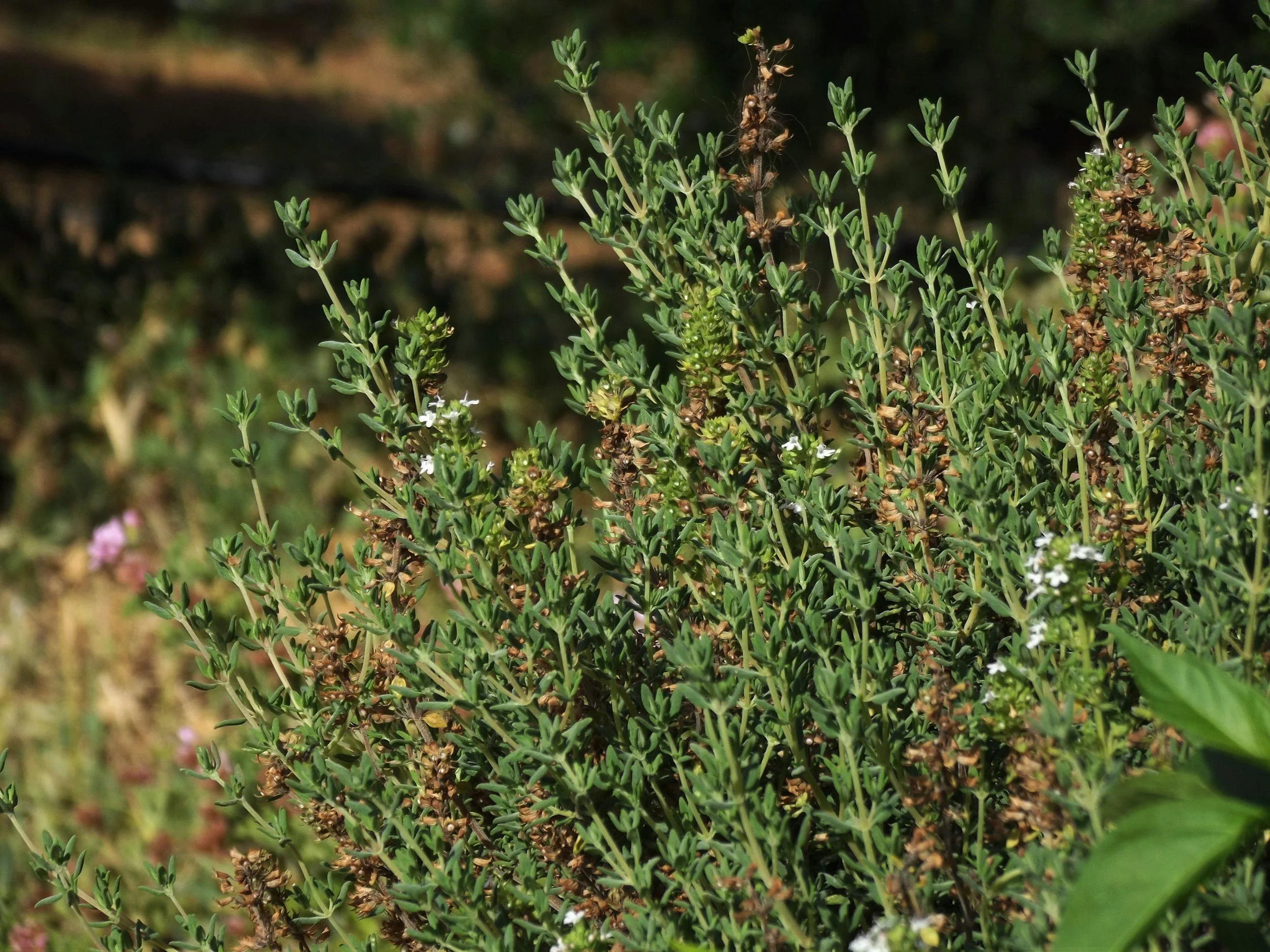
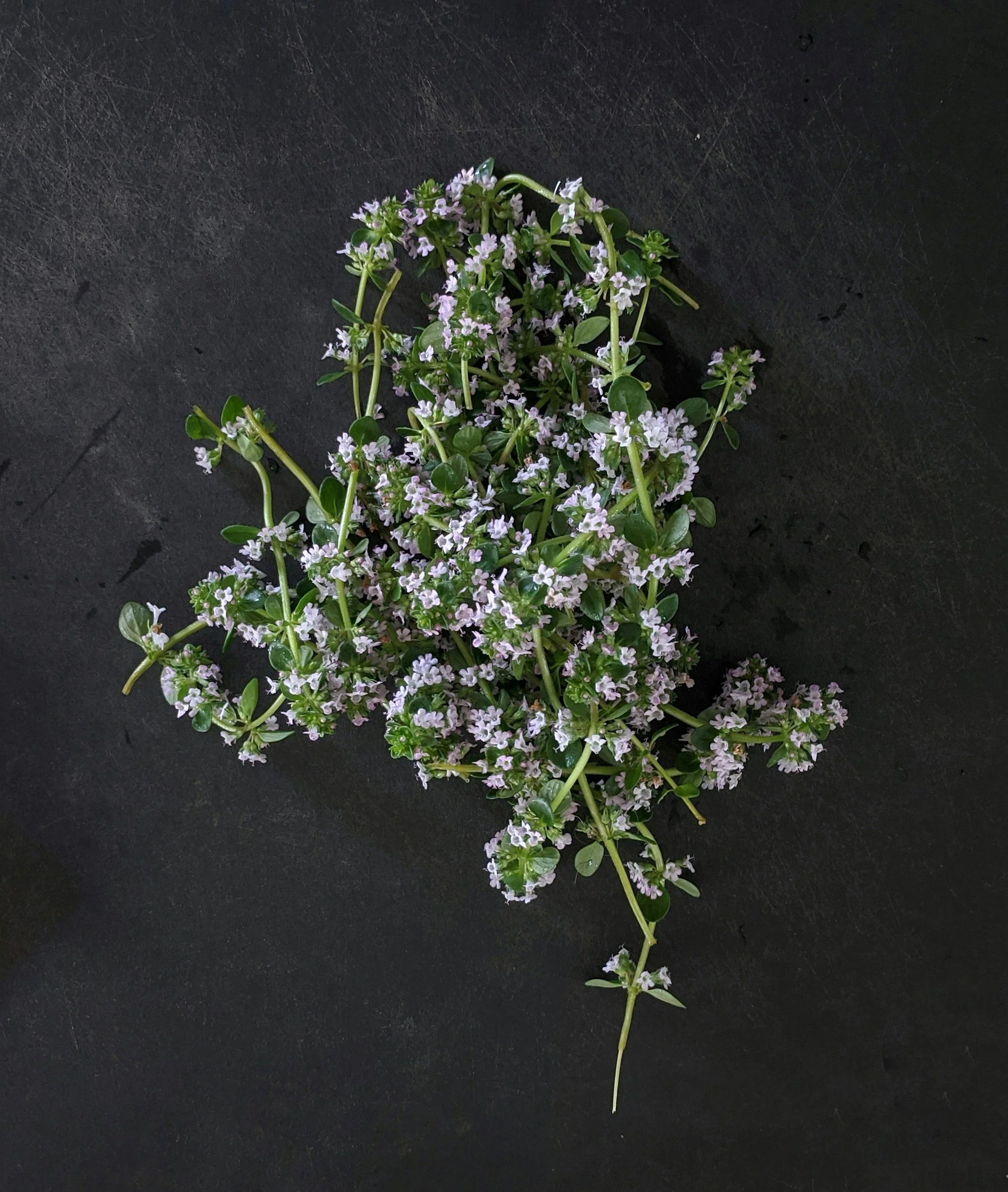
At a Glance
Thyme is a low-growing, aromatic perennial herb prized for its tiny leaves and powerful scent.
A familiar presence in kitchens and gardens, it also carries a long history of use in folk remedies, ritual traditions, and seasonal crafts. Thyme is commonly associated with Culinary, Medicinal, Metaphysical/Spiritual, Cosmetic, and Herbal Tea uses.
Read to the end for all details.
Traditional & Common Uses
Thyme is one of those plants whose usefulness spans the practical and the symbolic, appearing in everyday cooking as well as in traditional household and ceremonial practices, as described below.
-

Culinary
Thyme has been widely used as a culinary herb for centuries, valued for its warm, savory flavor that pairs well with vegetables, meats, beans, and soups. It is traditionally used both fresh and dried, and its flavor holds up well to long cooking.
The most unique culinary aspect of thyme is its ability to withstand and even benefit from long cooking times, where its robust, earthy flavor can slowly infuse into a dish without turning bitter or dissipating, unlike many other delicate herbs.
-

Medicinal
In traditional herbalism, thyme has appeared in teas, syrups, steams, and infused preparations. Thyme is a versatile herb, thanks to its anti-inflammatory, antioxidant, and antimicrobial properties from compounds like thymol.
Common Medicinal Uses: Respiratory Health: A popular remedy for coughs, bronchitis, and expelling phlegm, often as a tea or gargle; Digestive Aid: Eases upset stomachs, gas (flatulence), diarrhea, and painful menstrual cramps; Antiseptic & Antibacterial: Used for sore throats, bad breath, acne, and fungal infections; Skin: Helps with inflammation, minor cuts, and scrapes; Cardiovascular: May help lower blood pressure and cholesterol; and Mood & Cognitive Support: Can positively affect mood and potentially support cognitive function.
-
Metaphysical/Spiritual
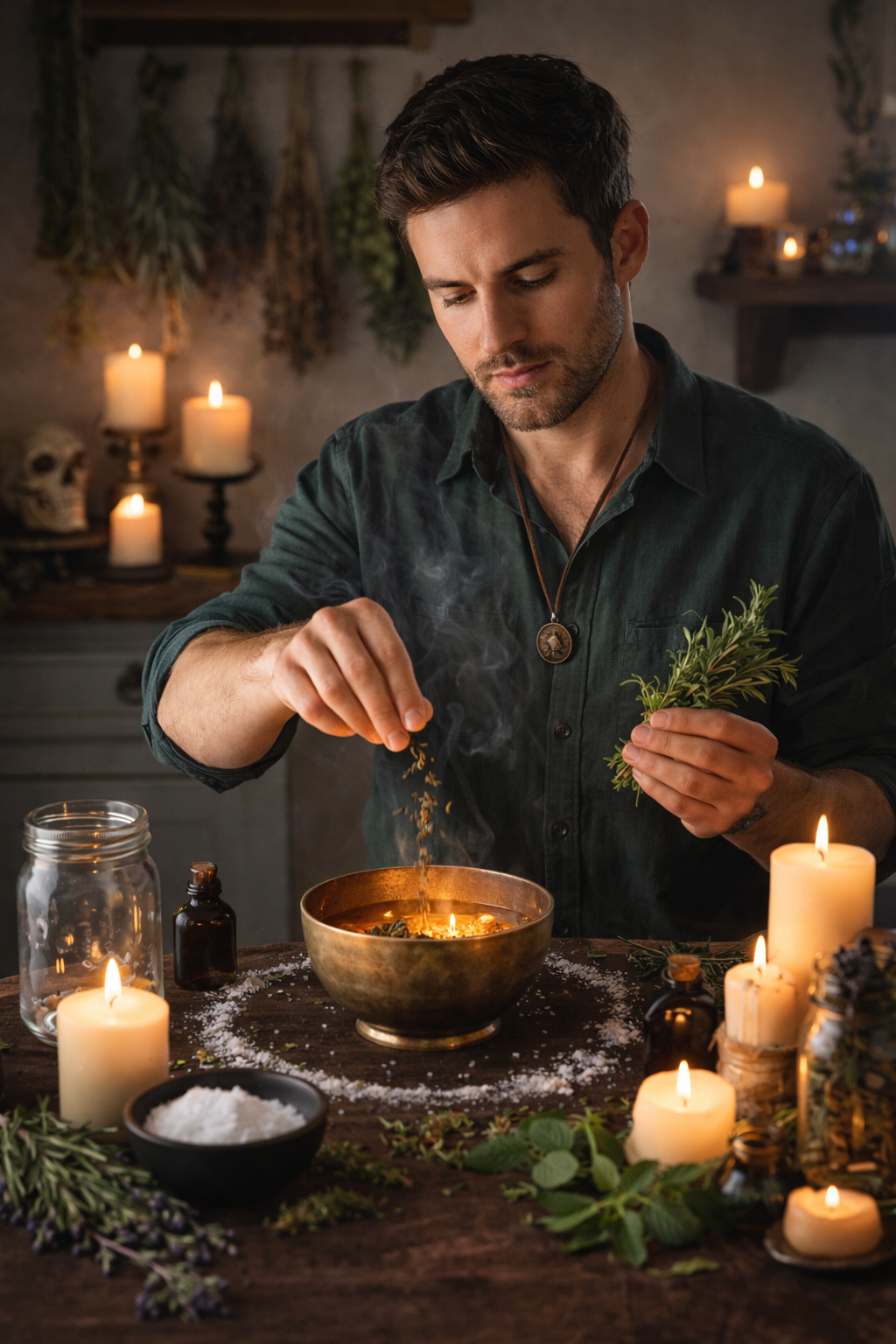
In folklore, thyme appears in ceremonial washes, incense blends, and protective charms, and was historically associated with strength of spirit and clear intention.
Thyme's metaphysical properties center on courage, purification, protection, and healing, drawing on its historical use in ancient temples for cleansing and strength, with its energy associated with Mars for bravery, clarity, and warding off negativity, while also inviting love, prosperity, good fortune, and aiding sleep and memory.
It is used in spells for cleansing spaces, enhancing focus, bringing emotional balance (Heart Chakra), and even facilitating connection with fairies.
-

Cosmetic
Thyme has been used in traditional skincare and bathing practices, often valued for its scent and inclusion in infused oils, soaps, and herbal rinses.
For hair, thyme can be applied to the scalp for dandruff and baldness.
-
Herbal Teas
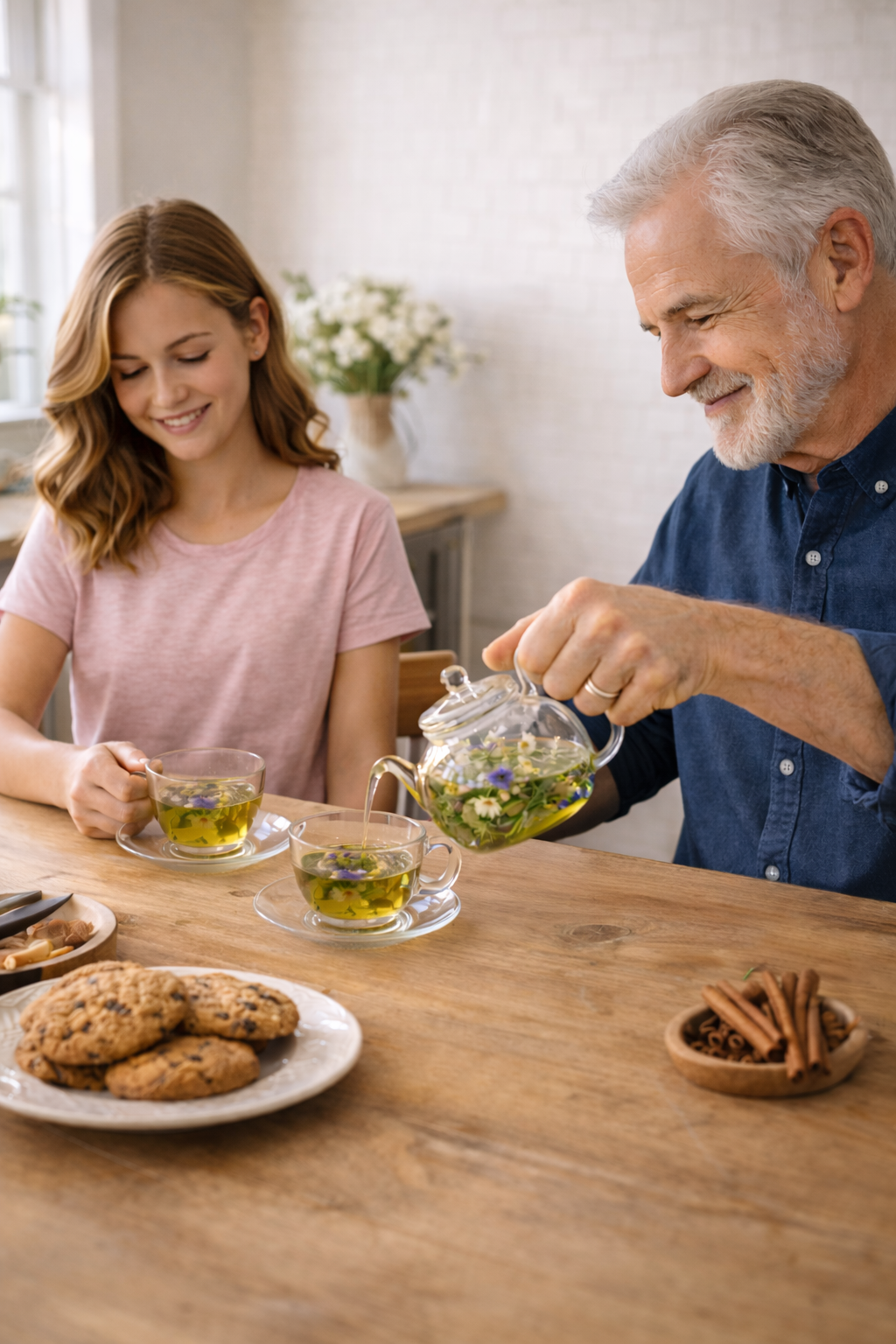
Thyme is traditionally prepared as a simple infusion, sometimes on its own and sometimes blended with other herbs. The flavor is warming and herbal, making it a common addition to seasonal tea blends.
Our Current Relationship With This Plant
Thyme is one of those steady, reliable plants that earns its place over time. We appreciate its resilience, its usefulness across so many traditions, and the way small harvests go a long way. On the farm, we continue to observe how different varieties perform, how flavor shifts through the season, and which harvest times feel most aligned with its aromatic strength.
Learn more about how we grow and harvest our herbs.
Typical Availability
Spring–Fall: Fresh thyme
Year-Round: Dried thyme
Form: Loose dried herb, small bundles
Visit our Farm Products page for current availability.
A Gentle Note
Information here reflects traditional use, observation, and personal experience, shared for educational purposes. How a plant is used —or whether it’s appropriate for you— can vary. Please research individual herbs or consult a qualified professional when needed.