
Herbal Profile
Profile Marigold
Tagetes spp.
Family: Asteraceae (Sunflower family)
Also known as: Garden marigold, French marigold, African marigold (depending on variety)
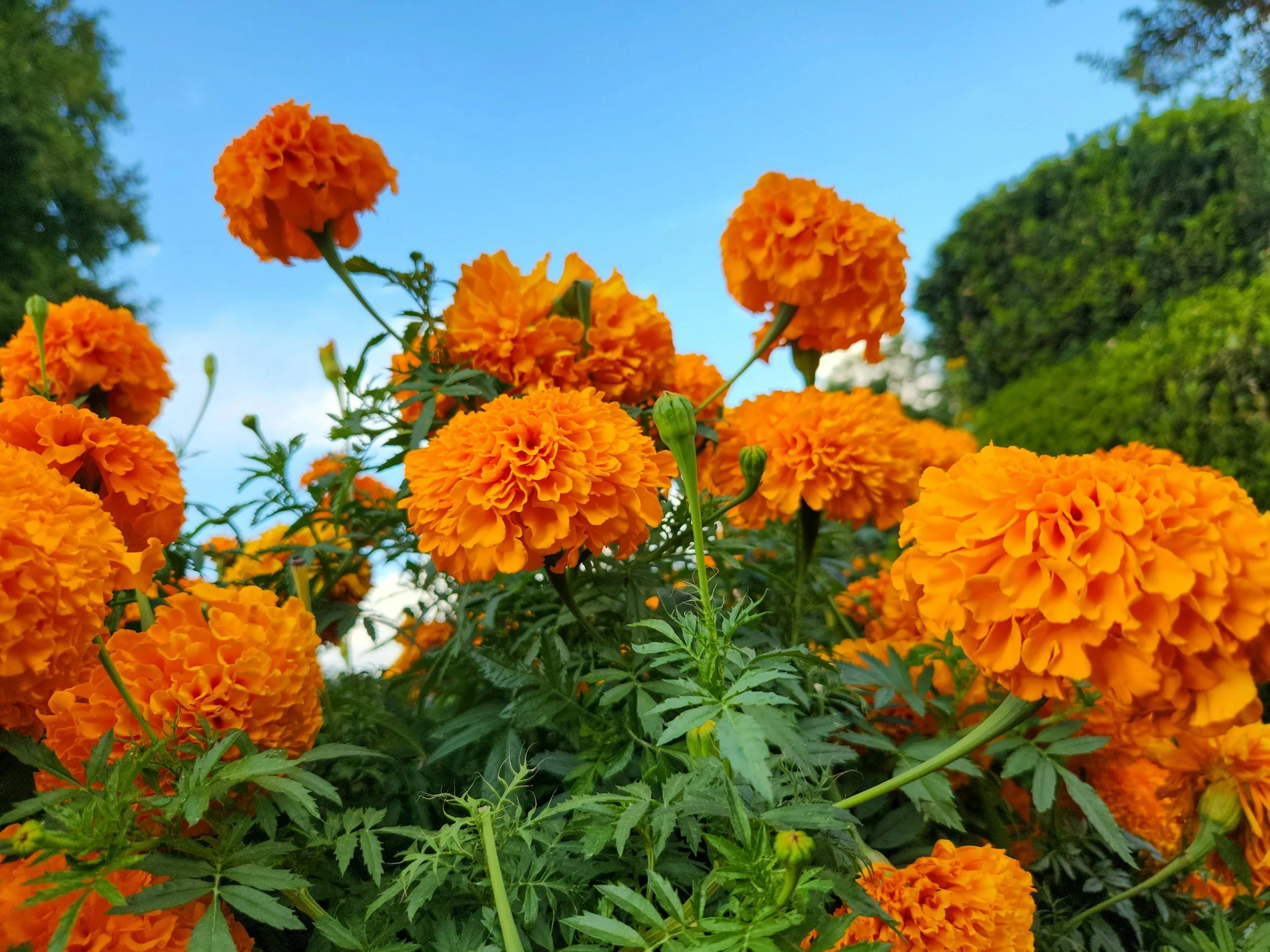
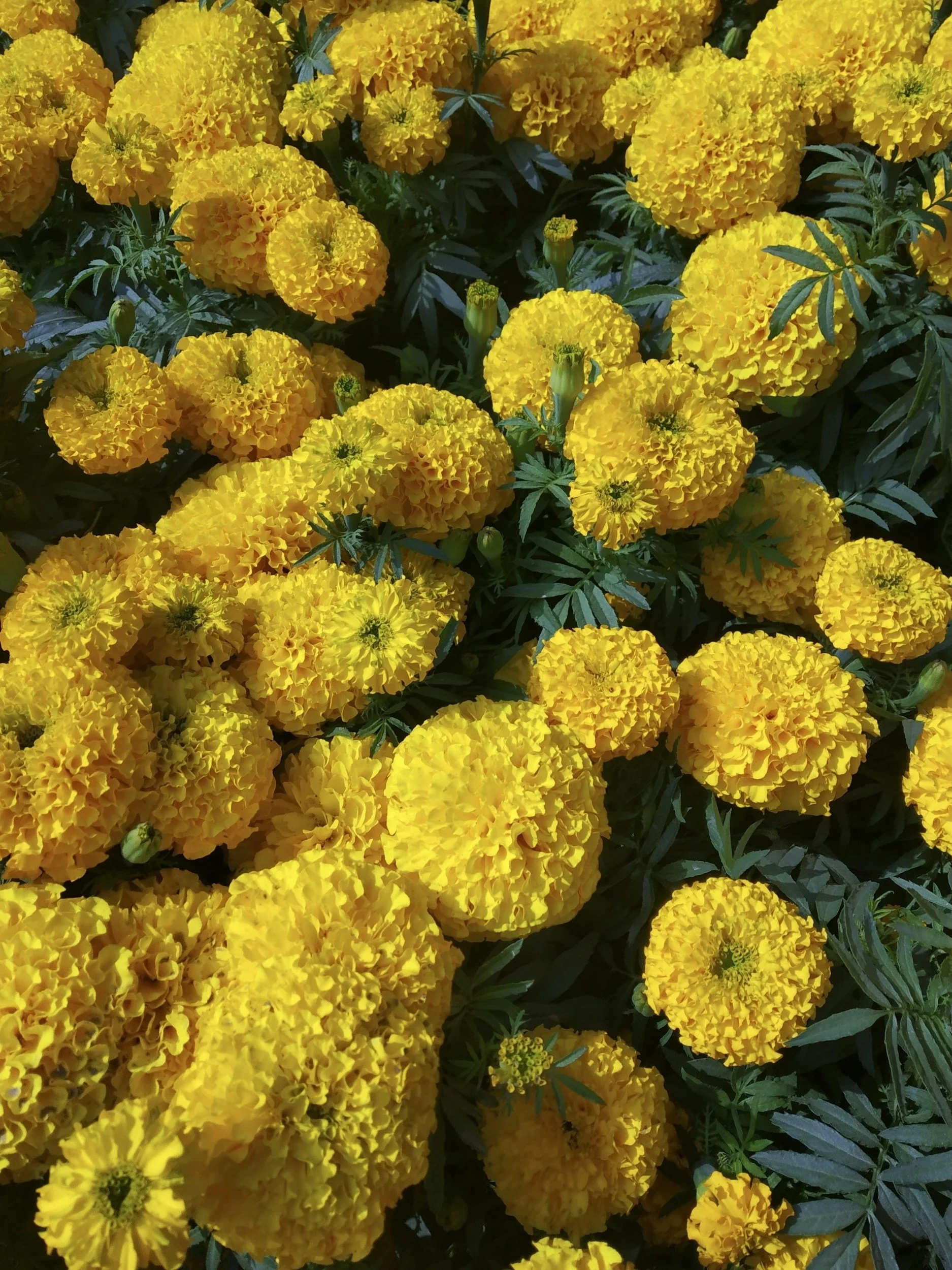
At a Glance
Marigold is a cheerful, aromatic annual known for its bright gold, orange, and rust-colored blooms. Widely grown in gardens for both beauty and function, marigold has a long history of use in culinary, ceremonial, and land-stewardship traditions. The type of marigold we grow is most commonly associated with Medicinal, Metaphysical/Spiritual, and Artistic/Crafting uses.
Read to the end for all details.
Traditional & Common Uses
Marigold’s uses have been shaped as much by its bold presence and scent as by its practical applications. Common uses are described below.
-
Medicinal
Marigold appears in traditional folk practices, though far less commonly than calendula (also known as Pot Marigold). Historical uses include aromatic and topical preparations rather than everyday internal use.
Marigolds possess rich medicinal properties, used in traditional remedies for their anti-inflammatory, antioxidant, antimicrobial, and antispasmodic effects, treating issues like fever, skin diseases, stomach problems, eye ailments (like conjunctivitis), and coughs, thanks to compounds like flavonoids and carotenoids.
-
Metaphysical/Spiritual
Marigolds have strong symbolic associations with the sun, protection, remembrance, and ancestral connection. They play an important role in ceremonial traditions such as Día de los Muertos, where they are used to honor the dead and guide spirits with their color and scent. They are associated with the spiritual journey between life and death, guiding souls and warding off negativity.
Metaphysical Properties: Sun Energy & Vitality: Their bright, sun-like colors connect them to the sun, representing life, warmth, & vitality, especially during dark times; Creativity & Joy: artistic expression, joy, and the vibrant magic of life; Prosperity & Abundance: Symbolizes wealth, success, & restored prosperity after difficulties; Protection & Negativity Warding: Their strong scent and spiritual significance are believed to ward off evil spirits & attract positive energy, helping to banish negativity; Purity & Divinity: Linked to purity and used in religious ceremonies to signify auspiciousness; Love & Passion: Represents love, fidelity, and passion; Healing & Rebirth: Offers comfort & grace. Associated with physical and emotional healing & cycles of renewal.
-
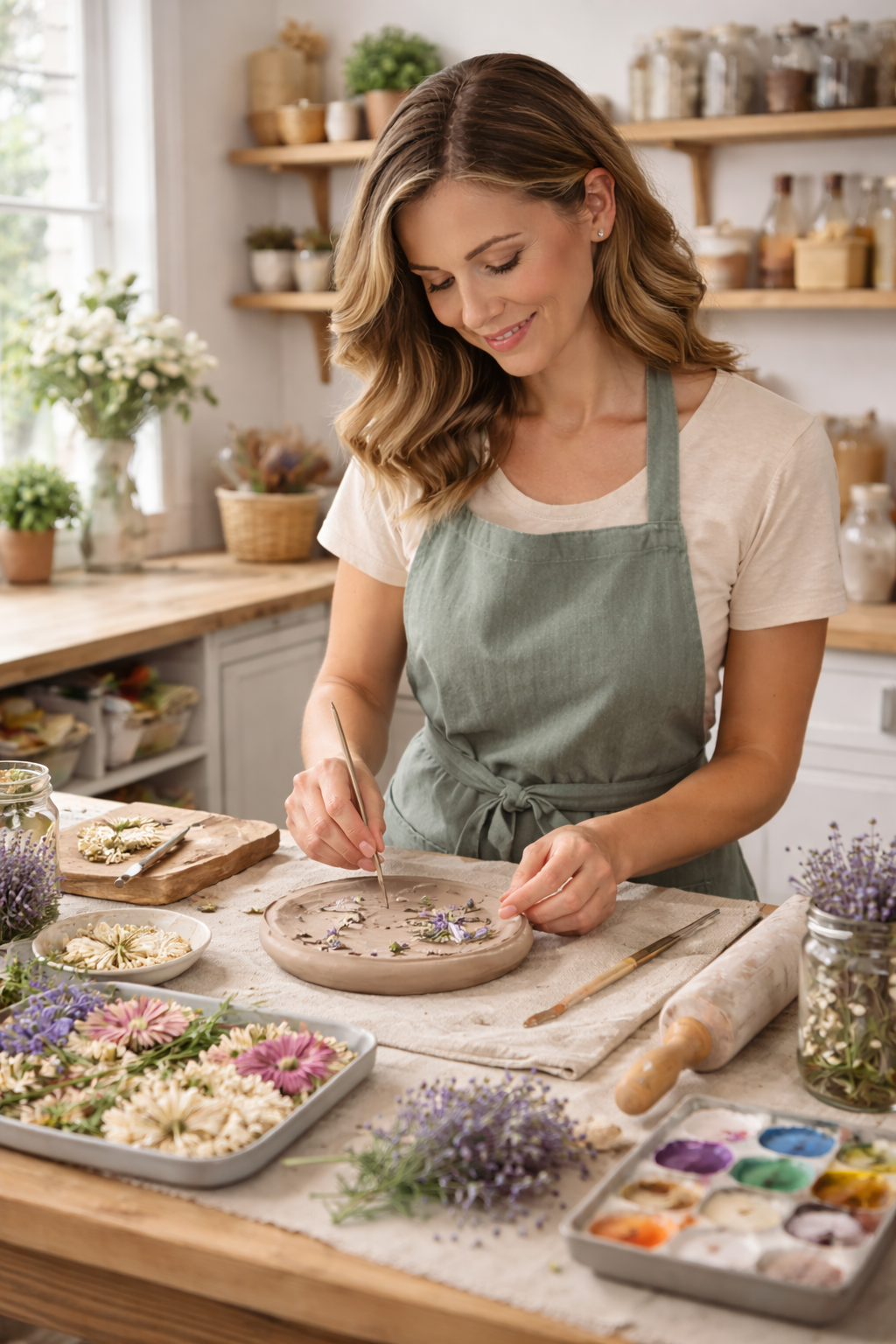
Artistic/Crafting
Marigold flowers are widely used in garlands, wreaths, floral offerings, and natural dye projects. The petals produce warm yellow and orange tones and hold their color well in short-term decorative uses.
Marigold is often used as companion plants in the garden to ward off pests naturally.
Our Current Relationship With This Plant
Marigolds are a plant we value for their presence as much as their usefulness. On the farm, we appreciate how they support garden balance, deter certain pests, and bring brightness to growing spaces. We continue to observe how different varieties behave, how scent varies by cultivar, and where marigolds fit best within mixed plantings.
Some species of marigold are used in herbal teas and for culinary purposes, but we don’t currently grow those varieties.
Learn more about how we grow and harvest our herbs.
Typical Availability
Summer–Fall: Fresh flowers
Year Round: Dried petals & flowers
Form: Fresh blooms, loose dried petals
Plant Starts: Possibly available in spring
Visit our Farm Products page for current availability.
A Gentle Note
Some individuals may experience skin sensitivity when handling fresh marigold plants.
When doing internet research, be sure to differentiate between Marigold (Tagetes spp.) and calendula (pot marigold) in your search terms. Both are wonderful flowers, but they each come with different properties.
Information here reflects traditional use, observation, and personal experience, shared for educational purposes. How a plant is used —or whether it’s appropriate for you— can vary. Please be mindful of allergies, and research individual herbs thoroughly and consult a qualified professional when needed.