
Herbal Profile
Hydrangea
Hydrangea spp. (commonly Hydrangea macrophylla, H. arborescens, H. paniculata)
Family: Hydrangeaceae (Hydrangea family)
Pronounced “hy-DRAN-juh”
At a Glance
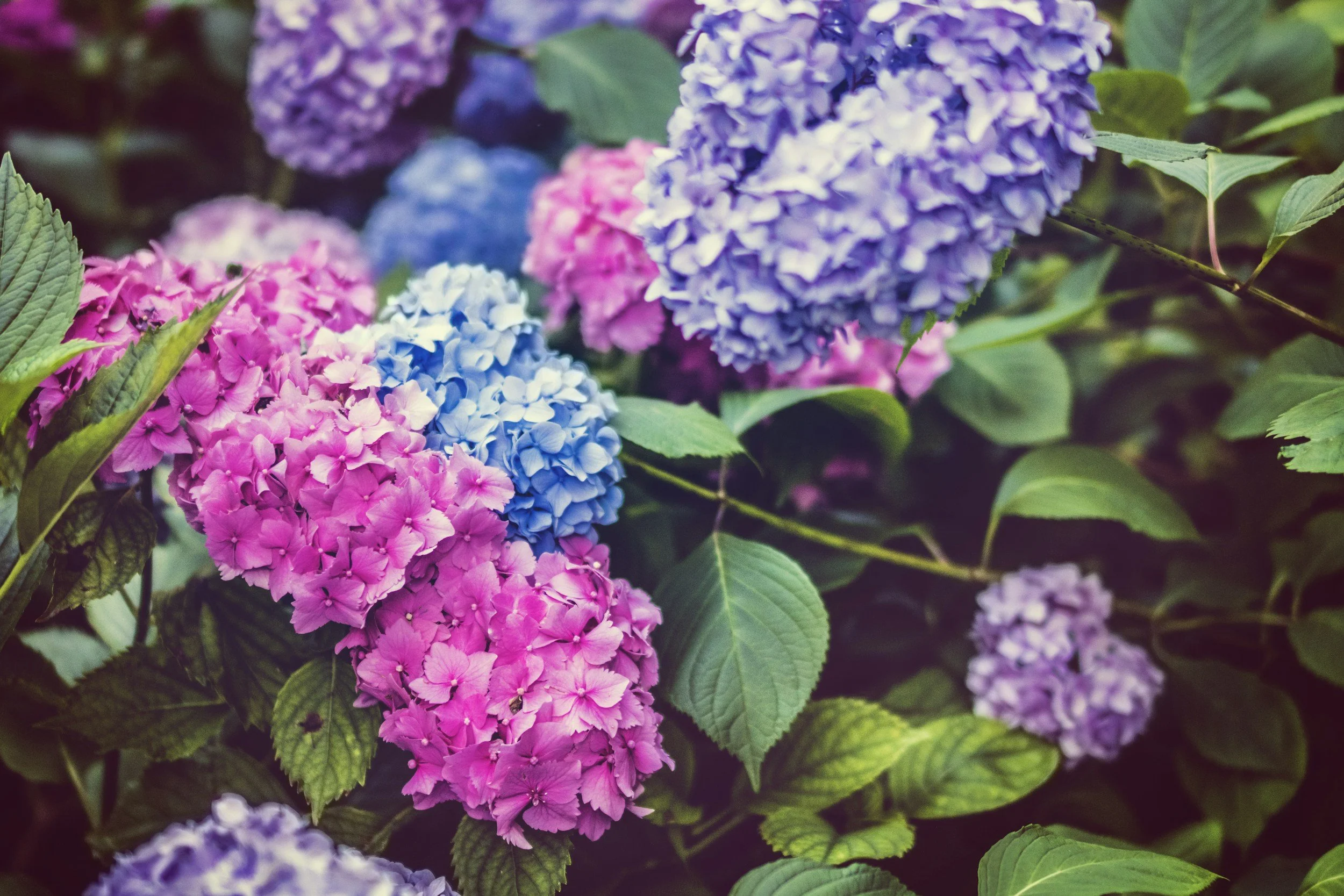
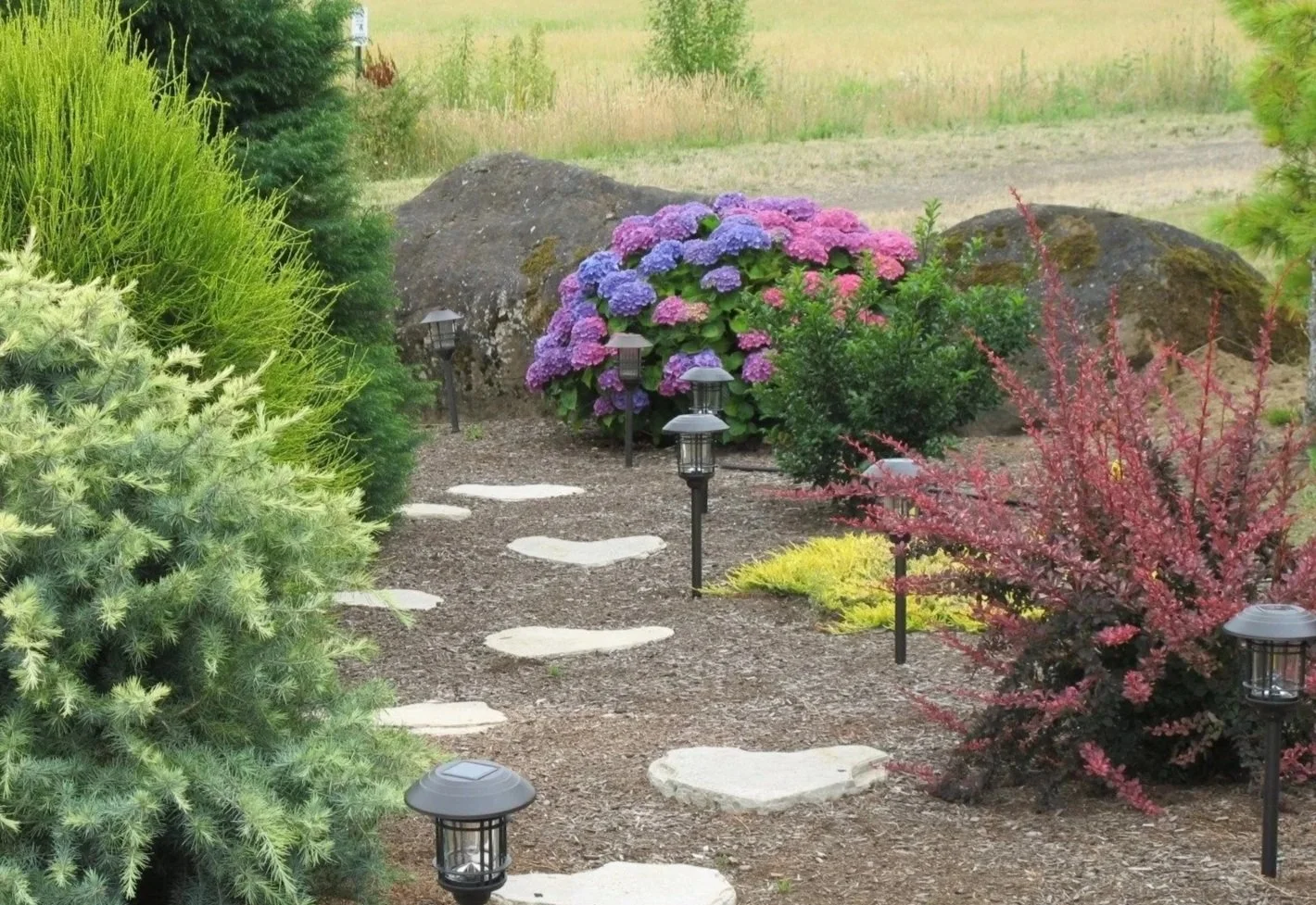
Hydrangea is a deciduous shrub known for its large, showy flower clusters and long bloom season. Widely cultivated for ornamental beauty, it has also held symbolic meaning in various cultural traditions. Hydrangea is most commonly associated with Metaphysical/Spiritual and Artistic/Crafting uses rather than culinary or internal medicinal practices.
Read to the end for all details.
Traditional & Common Uses
Hydrangea’s relationship with people has centered largely on beauty, symbolism, and presence rather than everyday practical use. Typical uses are described below.
-
Metaphysical/Spiritual
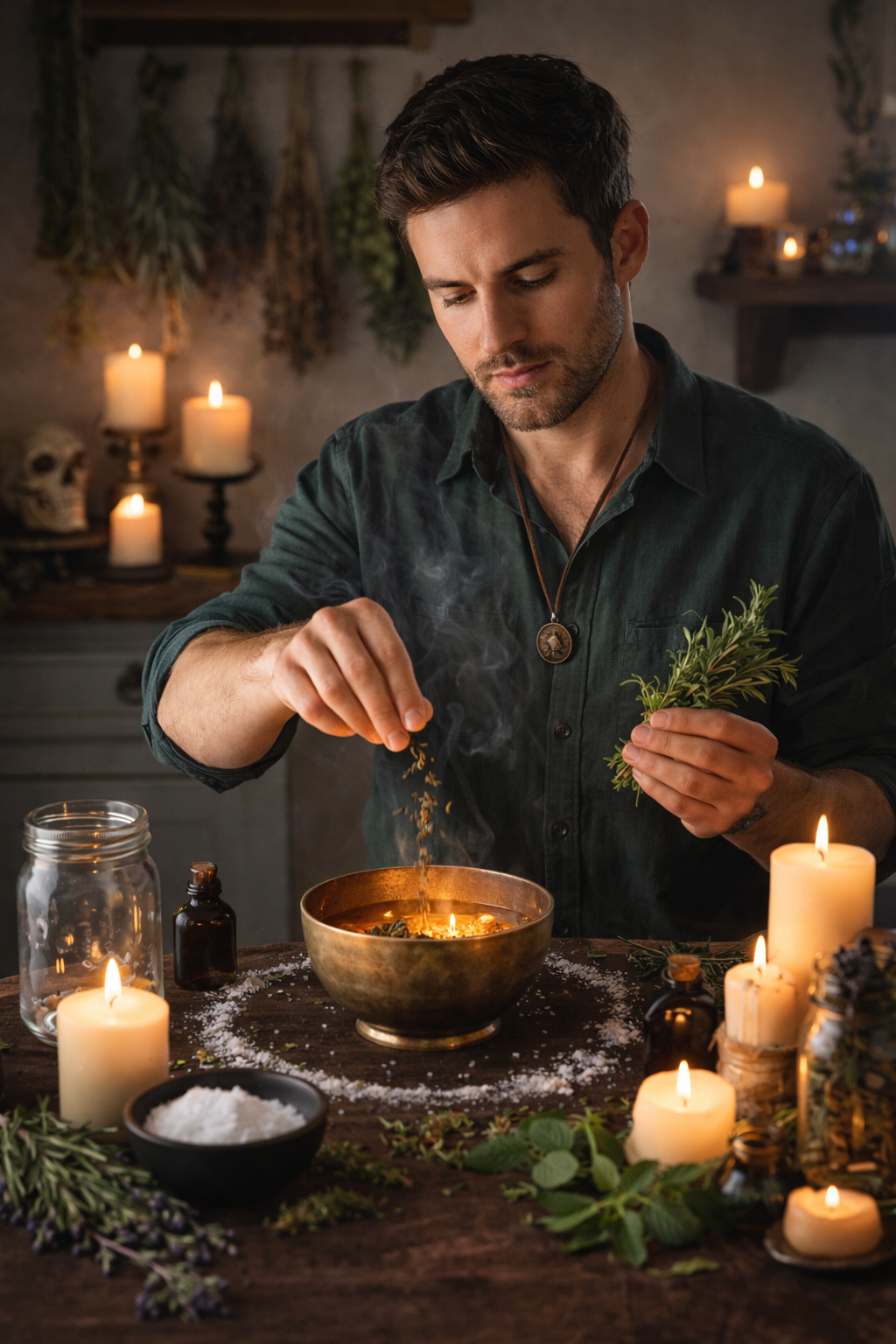
Hydrangea carries rich and sometimes complex symbolism. It has been associated with gratitude, grace, emotional depth, understanding, and heartfelt expression. In some traditions, the abundance of blossoms represents emotional overflow or the many layers of feeling held within the heart.
Metaphysically, hydrangea has been used in rituals or symbolic arrangements focused on emotional clarity, reconciliation, heartfelt communication, and honoring deep bonds. Its large flower heads are sometimes incorporated into altar work, memorial arrangements, or seasonal displays that emphasize reflection and emotional presence rather than action or protection.
-
Artistic/Crafting
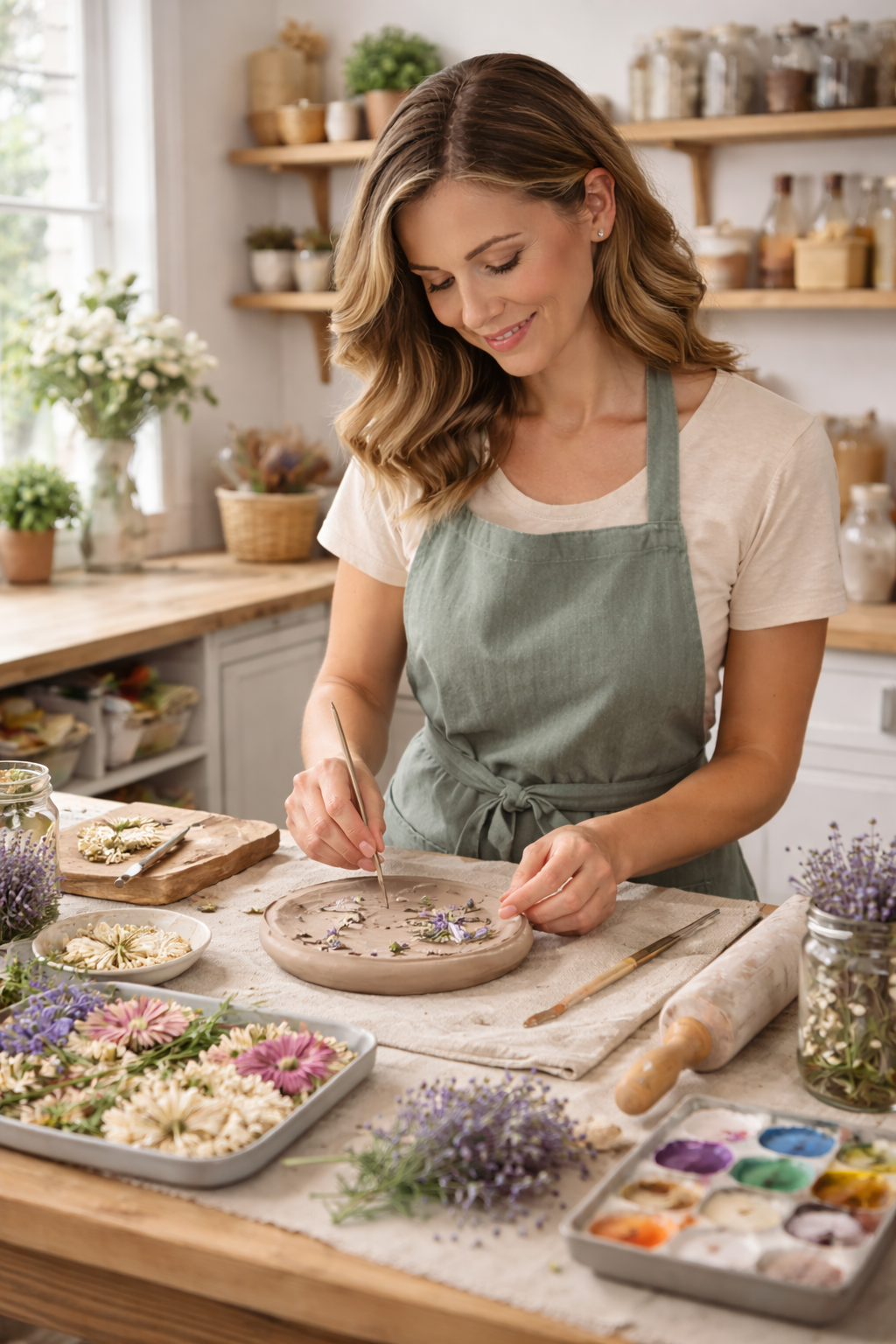
Hydrangea flowers are highly valued for floral design, wreath-making, candle decorating, and dried arrangements. When dried carefully, their blooms retain structure and muted color, making them popular in long-lasting decorative work. Pressed petals are occasionally used in paper crafts, though their thickness makes them better suited to three-dimensional designs.
In addition to drying full flower heads, we also collect and dry the petals in two different forms: petal clusters that appear as individual flowers, and tiny individual petals that work well as adornment for candles and decoupage work. You’ll see both petals styles offered on the Shop Hydrangea page
Our Current Relationship With This Plant
Hydrangea is a plant whose blooms mark moments of fullness and pause on the farm. It was one of he first plants we introduced to the farm when we came here in 2012, so its colorful bushes hold a special place of honor. Coloration tends to vary year to year as we experiment with soil amendments, but typically we see blue, pink and purple flowers.
Learn more about how we grow and harvest our herbs.
Typical Availability
Summer–Early Fall: Fresh flowers in several colors
Year Round: Dried flower heads and petals
Form: Fresh blooms, dried blooms, dried petals in two forms
Visit our Farm Products page for current availability.
A Gentle Reminder
Many hydrangea species contain compounds that can be toxic if ingested, so internal use is not recommended. This plant is best appreciated for its ornamental, symbolic, and artistic qualities. Hydrangea should never be consumed as food or tea.
Information here reflects traditional use, observation, and personal experience, shared for educational purposes. How a plant is used —or whether it’s appropriate for you— can vary. Please be mindful of allergies. Research individual herbs thoroughly and consult a qualified professional when needed.