
Mint Tea Blending
Companion Chart
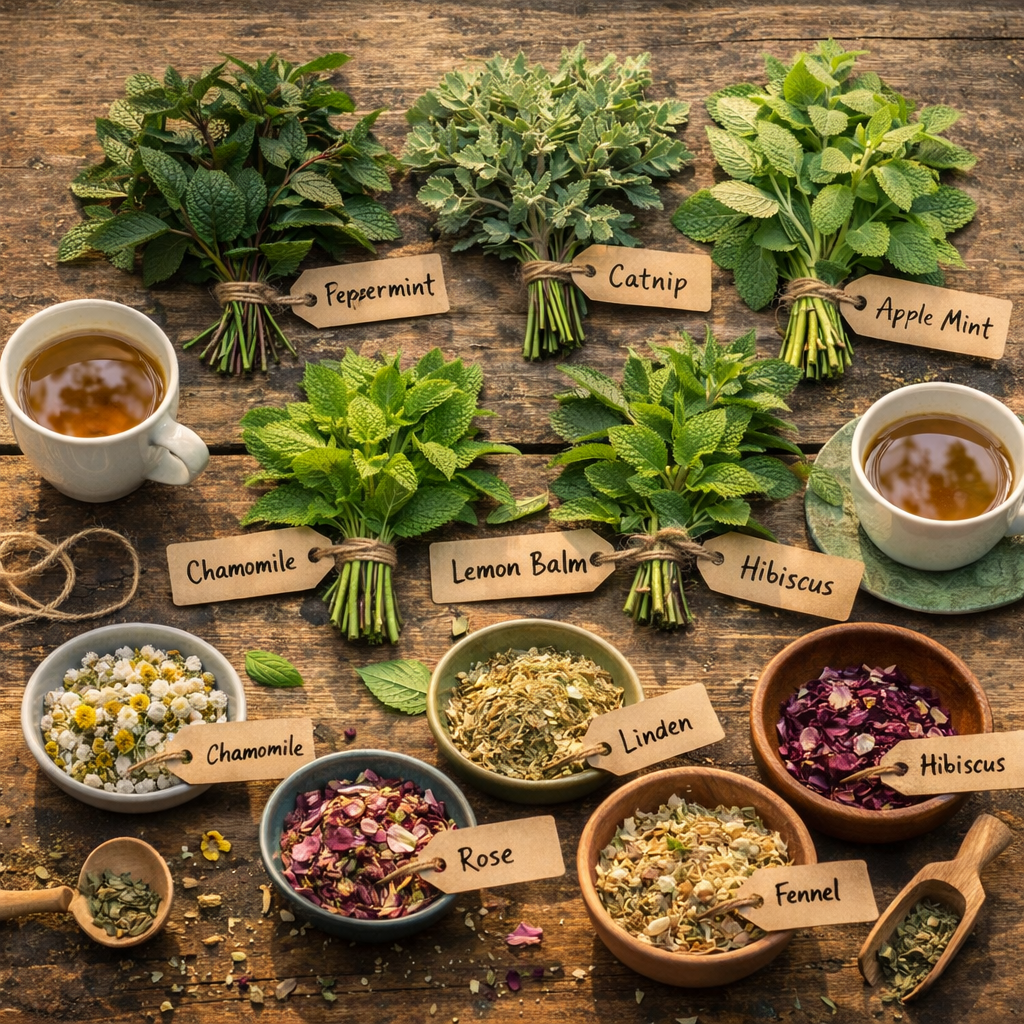
Mints are among the most versatile herbs for tea blending. Their aromatic leaves can stand alone or support other herbs by adding freshness, brightness, or gentle lift. This chart offers traditional, flavor-forward pairings rather than prescriptive formulas, inviting experimentation based on taste, mood, and season.
All blends listed here reflect historical use, observation, and common practice—not medical claims.
-
Peppermint
(Mentha × piperita)
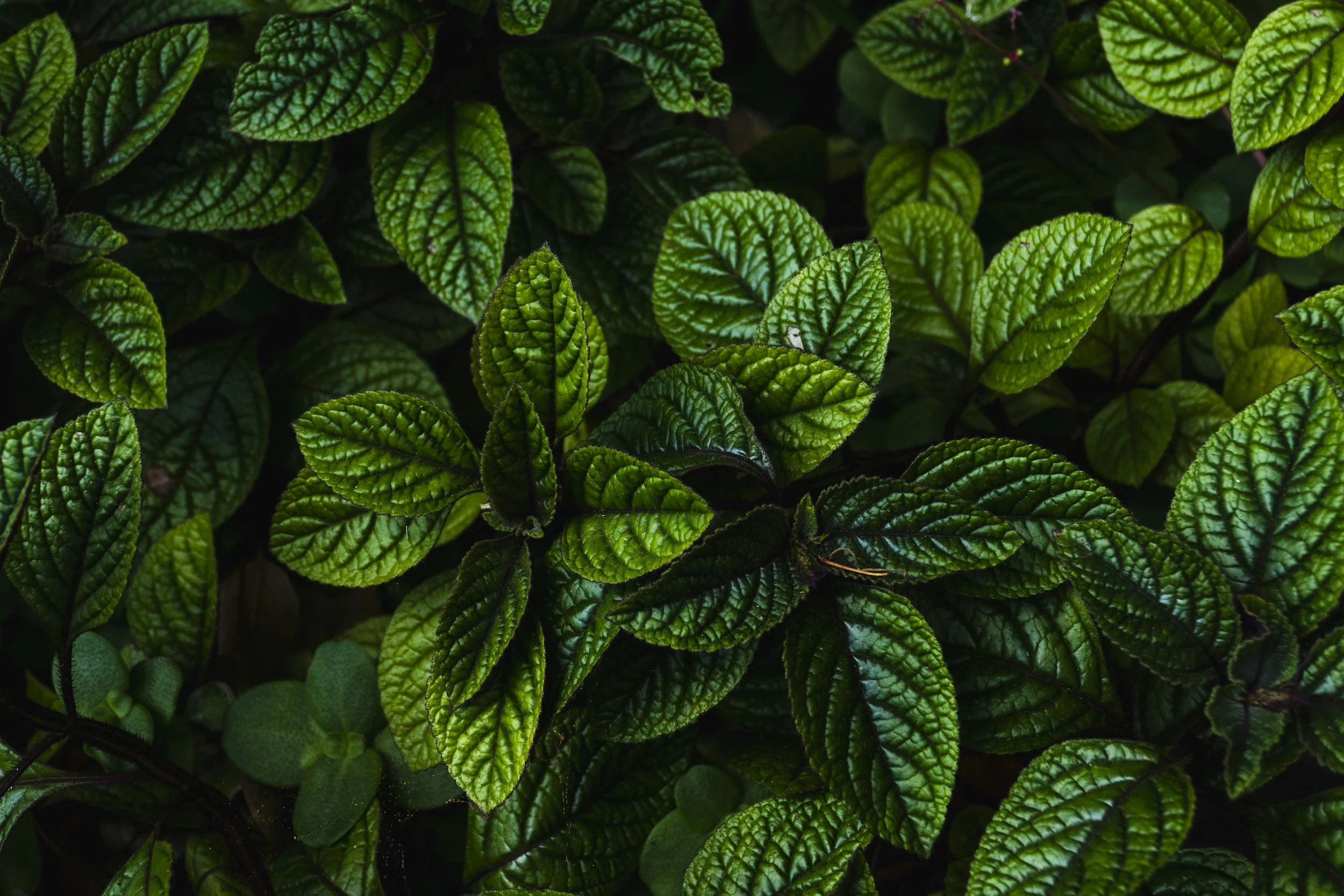
Flavor Role: Strong, cooling, clarifying
Best Used When: You want a bold mint presence or a finishing notePairs Well With:
Chamomile – softens intensity, classic evening blend
Fennel – traditional after-meal pairing
Rose – balances sharpness with floral depth
Lemon balm – bright but grounding
Ginger (dried) – warming/cooling contrast
Blending Tip: Use sparingly. Peppermint easily dominates a blend.
(More about Herbal Preparations.)
(Herbal Profile: Peppermint)
(Shop Peppermint) -
Spearmint
(Mentha spicata)
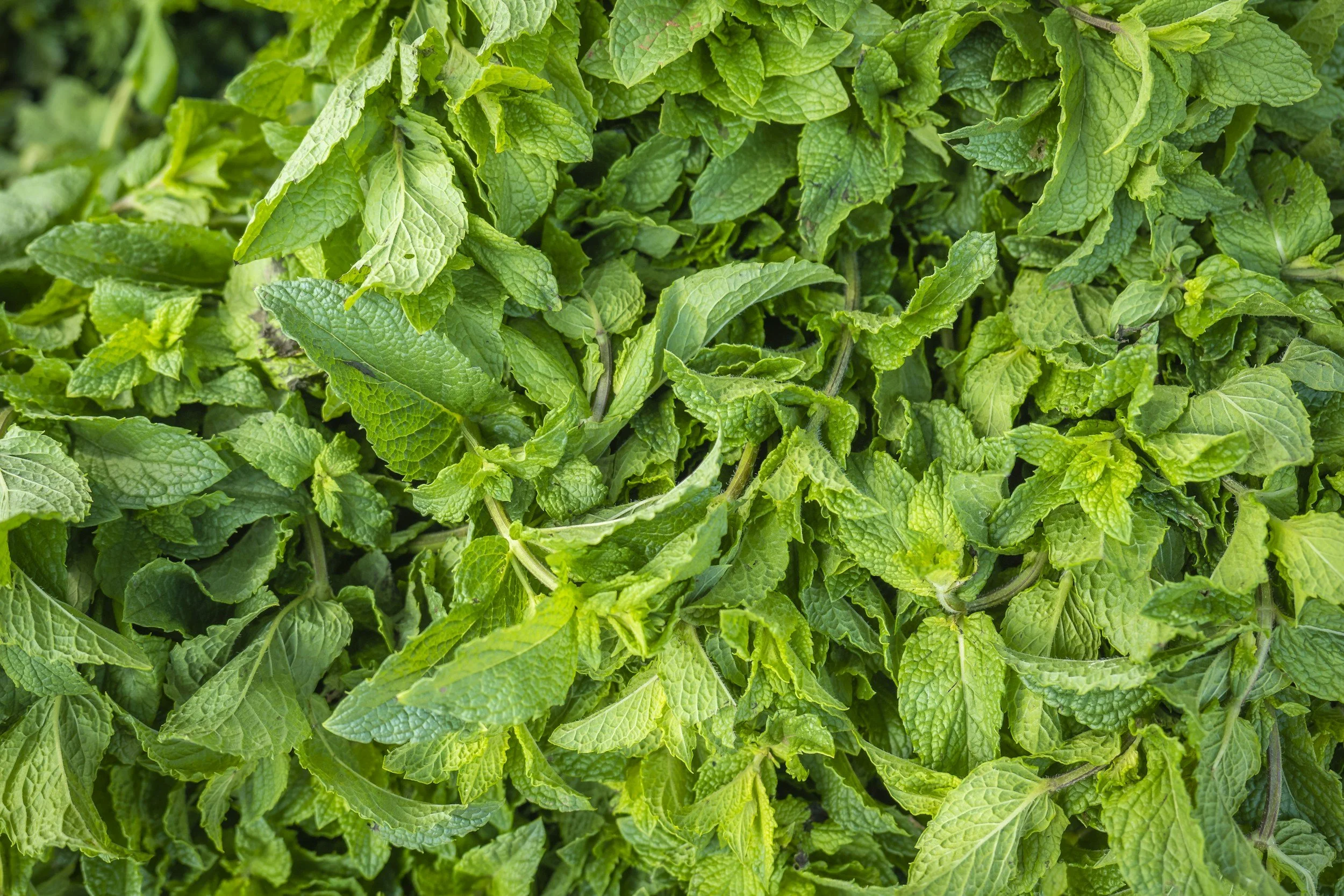
Flavor Role: Sweet, mild, refreshing
Best Used When: You want an everyday, friendly mint basePairs Well With:
Lemon balm– uplifting and gentle
Rose – sweet, aromatic harmony
Chamomile – mild and comforting
Lavender – floral without overpowering
Green tea – traditional and refreshing
Blending Tip: Spearmint is forgiving and works well as a base herb.
(More about Herbal Preparations.)
(Herbal Profile: Spearmint)
(Shop Spearmint) -
Lemon Balm
(Melissa officinalis)
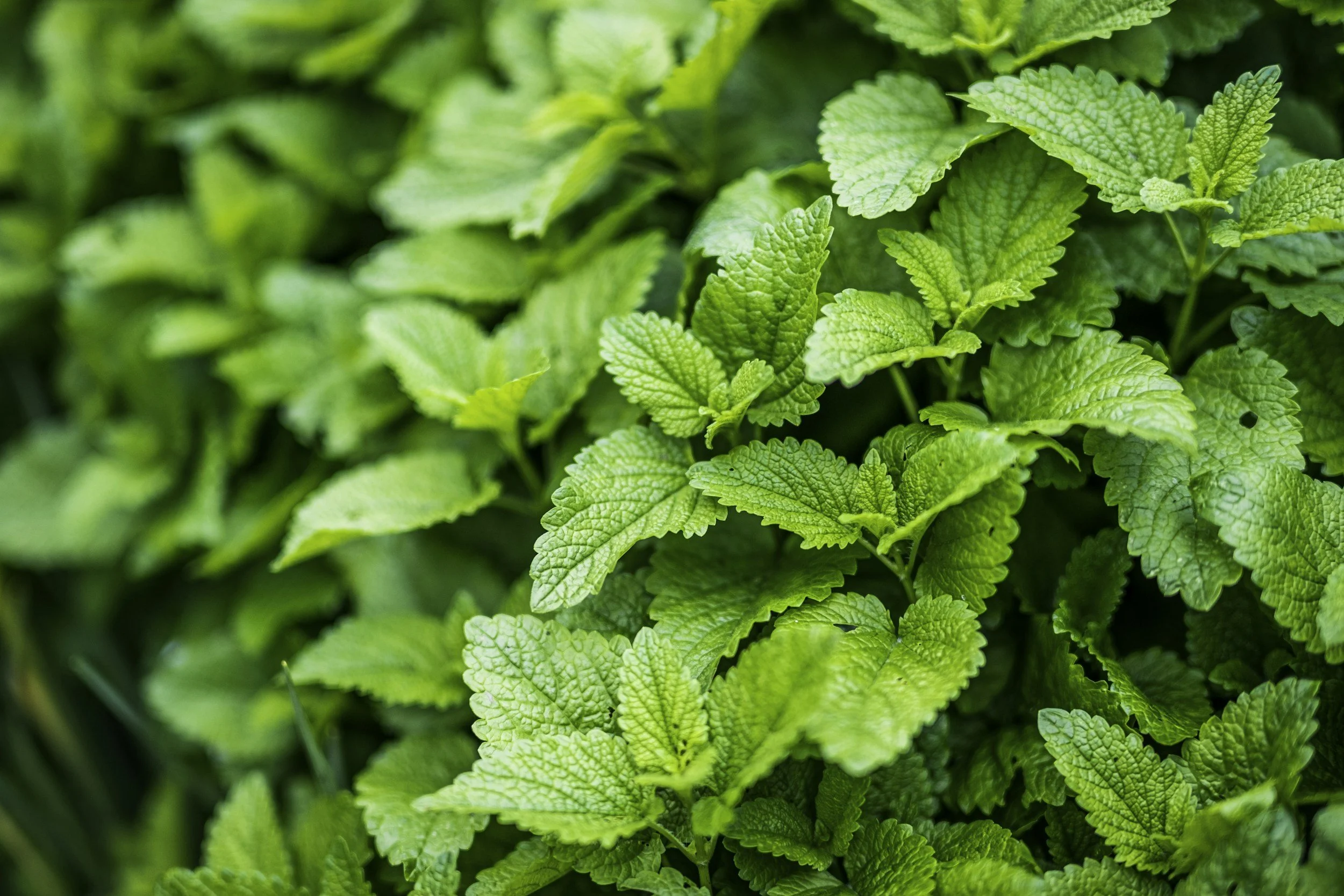
Flavor Role: Soft citrus, calming, rounded
Best Used When: You want comfort, reassurance, or emotional easePairs Well With:
Spearmint – bright yet soothing
Chamomile – classic calming blend
Linden – gentle and heart-centered
Rose – emotionally supportive and fragrant
Lavender – light, aromatic balance
Blending Tip: Lemon balm blends best with herbs of similar gentleness.
(More about Herbal Preparations.)
(Herbal Profile: Lemon Balm)
(Shop Lemon Balm) -
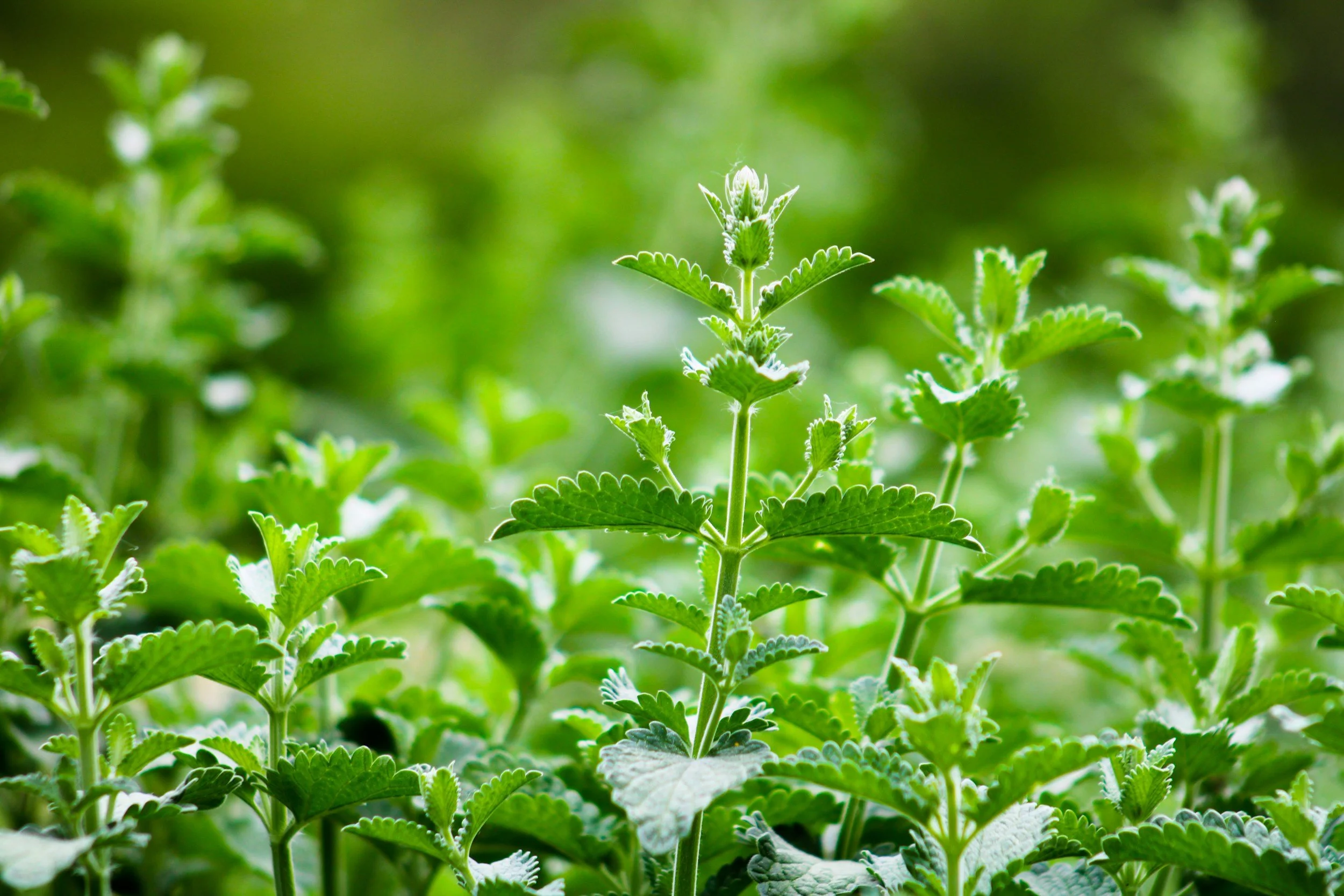
Catnip (Catmint)
(Nepeta cataria)
Flavor Role: Earthy, mild, grounding
Best Used When: You want softness without sweetnessPairs Well With:
Lemon balm – gentle and reassuring
Chamomile – deeply relaxing blend
Spearmint – lifts flavor without overstimulation
Linden – soft, evening-focused tea
Blending Tip: Catnip works best as a background herb rather than a lead.
(More about Herbal Preparations.)
(Herbal Profile: Catnip)
(Shop Catnip) -
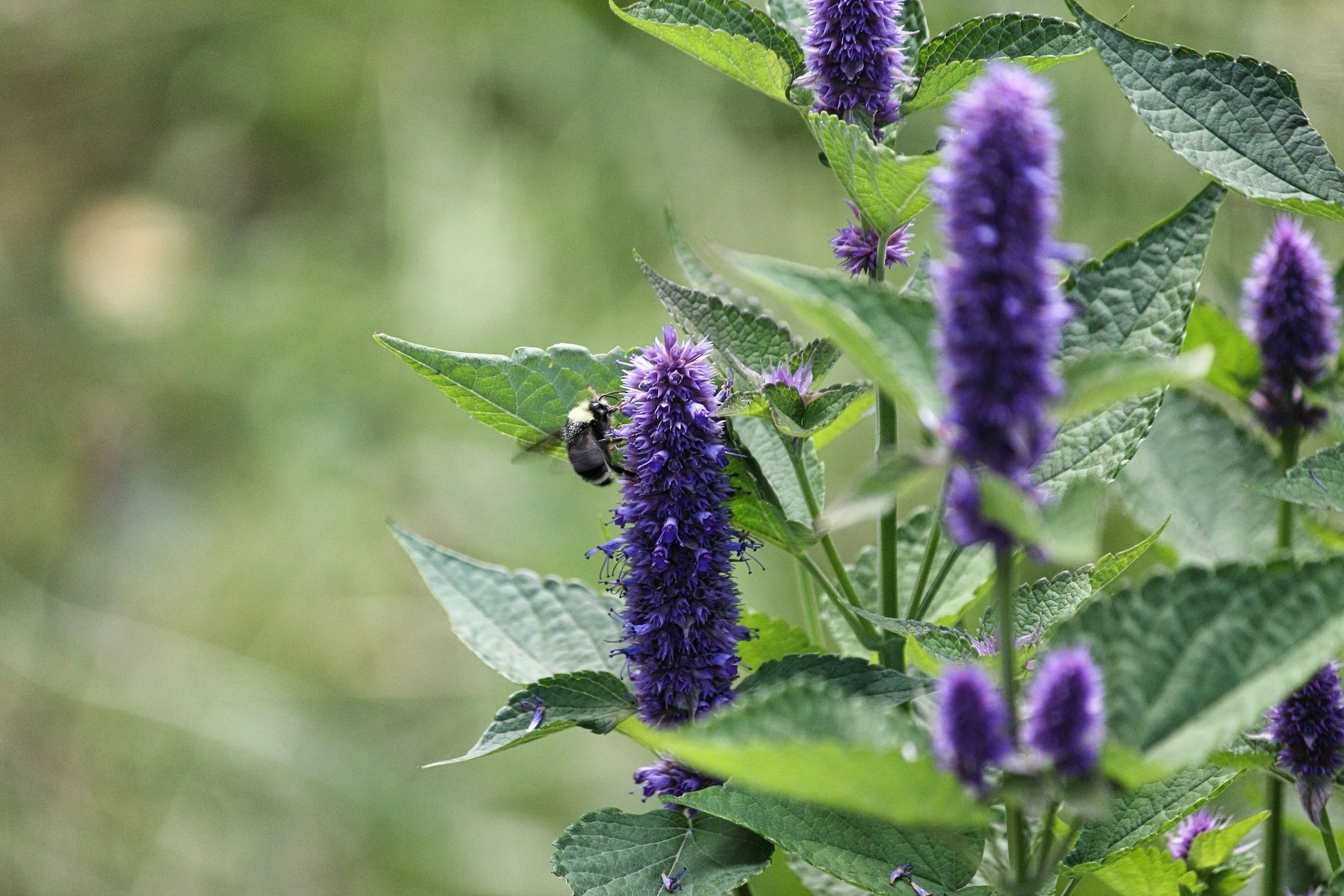
Anise Hyssop
(Agastache foeniculum)
Flavor Role: Sweet, aromatic, gently warming
Best Used When: You want comfort with a hint of brightnessPairs Well With:
Lemon balm – soft citrus warmth
Chamomile – soothing and honeyed
Spearmint – balances sweetness with freshness
Rose – aromatic and emotionally uplifting
Blending Tip: Anise hyssop can shine as a lead or mid-note, but a little goes a long way — let it support rather than dominate.
(More about Herbal Preparations.)
(Herbal Profile: Anise Hyssop)
(Shop Anise Hyssop) -
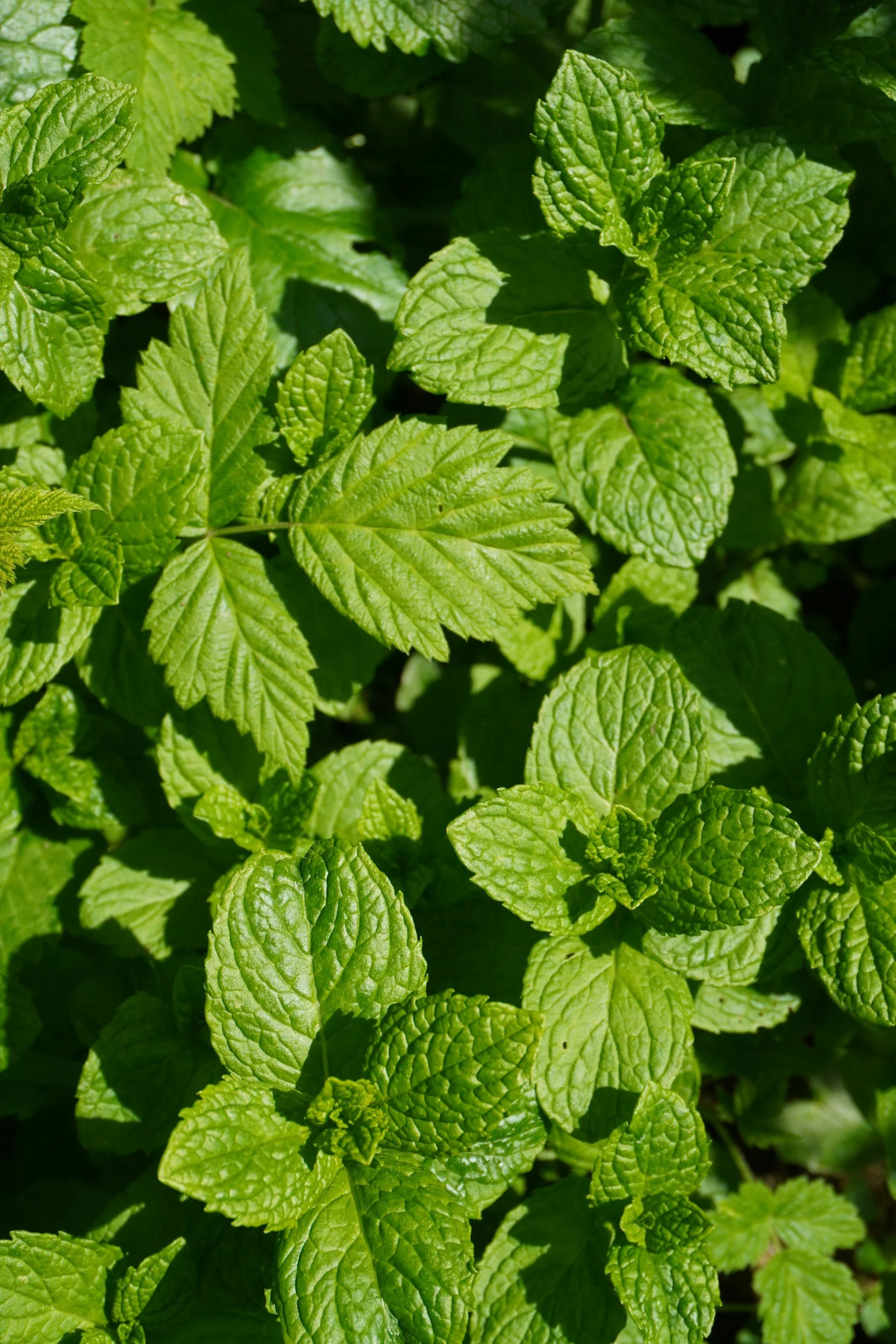
Lemon Mint
(Mentha × gentilis)
Flavor Role: Bright, fresh, lightly cooling
Best Used When: You want refreshment without intensityPairs Well With:
Lemon balm – clean, citrus-forward blends
Chamomile – gentle and approachable
Rose – fresh floral balance
Spearmint – adds lift without sharpness
Blending Tip: Lemon mint bridges flavors beautifully; use it to connect stronger herbs and smooth transitions in a blend.
(More about Herbal Preparations.)
(Herbal Profile: Lemon Mint)
(Shop Lemon Mint)
Other Herbal Tea Blends
(Calming • Uplifting • Medicinal • Ritual)
Many purpose-driven herbal teas — whether formulated for calm, clarity, ritual, or traditional medicinal use — aren’t especially pleasant on their own. This is where mint-family herbs can be invaluable. Mints often act as bridges, softening bitterness, lifting heavy flavors, or making an otherwise challenging blend more approachable without overwhelming it.
That said, not all mints behave the same way. Some are cooling and stimulating, others are sweet and warming, and a few carry energetic or aromatic qualities that may subtly shift the intention of a blend. When working with mints, it’s helpful to consider how their flavor and traditional associations align with the purpose of the tea, rather than adding them automatically.
Using Mint Thoughtfully in Purpose-Driven Teas
Calming blends often pair best with gentle, sweet mints (such as lemon mint, lemon balm, catnip, or anise hyssop), which tend to soften tension without adding too much brightness or stimulation.
Uplifting blends may benefit from brighter or more aromatic mints, used lightly, to encourage clarity and lightness without tipping into restlessness.
Medicinal or functional blends can benefit greatly from mint’s ability to improve palatability — but it’s important to ensure the chosen mint doesn’t contradict the traditional intent of the formula.
Magical or ritual blends may use mint not only for flavor, but for its symbolic or energetic associations. In these cases, scent and correspondence matter just as much as taste.
A helpful rule of thumb: mint should support the blend’s purpose, not override it.
Flavor Companions That Often Pair Well with Mint
Beyond mint itself, small amounts of complementary flavors can round out a tea and make it more enjoyable without masking its character. Common additions include:
Cinnamon – adds warmth and depth
Star anise – enhances sweetness and aromatic complexity
Vanilla (bean or extract) – softens sharp or medicinal notes
Lemon zest – brightens without adding acidity
Ginger – adds warmth and movement (use carefully in calming blends)
Rose or chamomile – soft floral notes that smooth bitterness
These additions work best when used sparingly, allowing the core herbs to remain the focus.
A Gentle Caution
When blending herbs for a specific purpose, always consider both flavor and traditional use. Some mints may be more stimulating, cooling, or aromatic than desired for certain blends. Taking time to understand each herb’s personality and associations helps ensure the final tea is both enjoyable and aligned with its intended role.