
Herbal Profile
Lupine
Botanical Name: Lupinus spp.
Family: Fabaceae (Legume family)
Pronounced: LOO-pine or LOO-pin (both are commonly used)
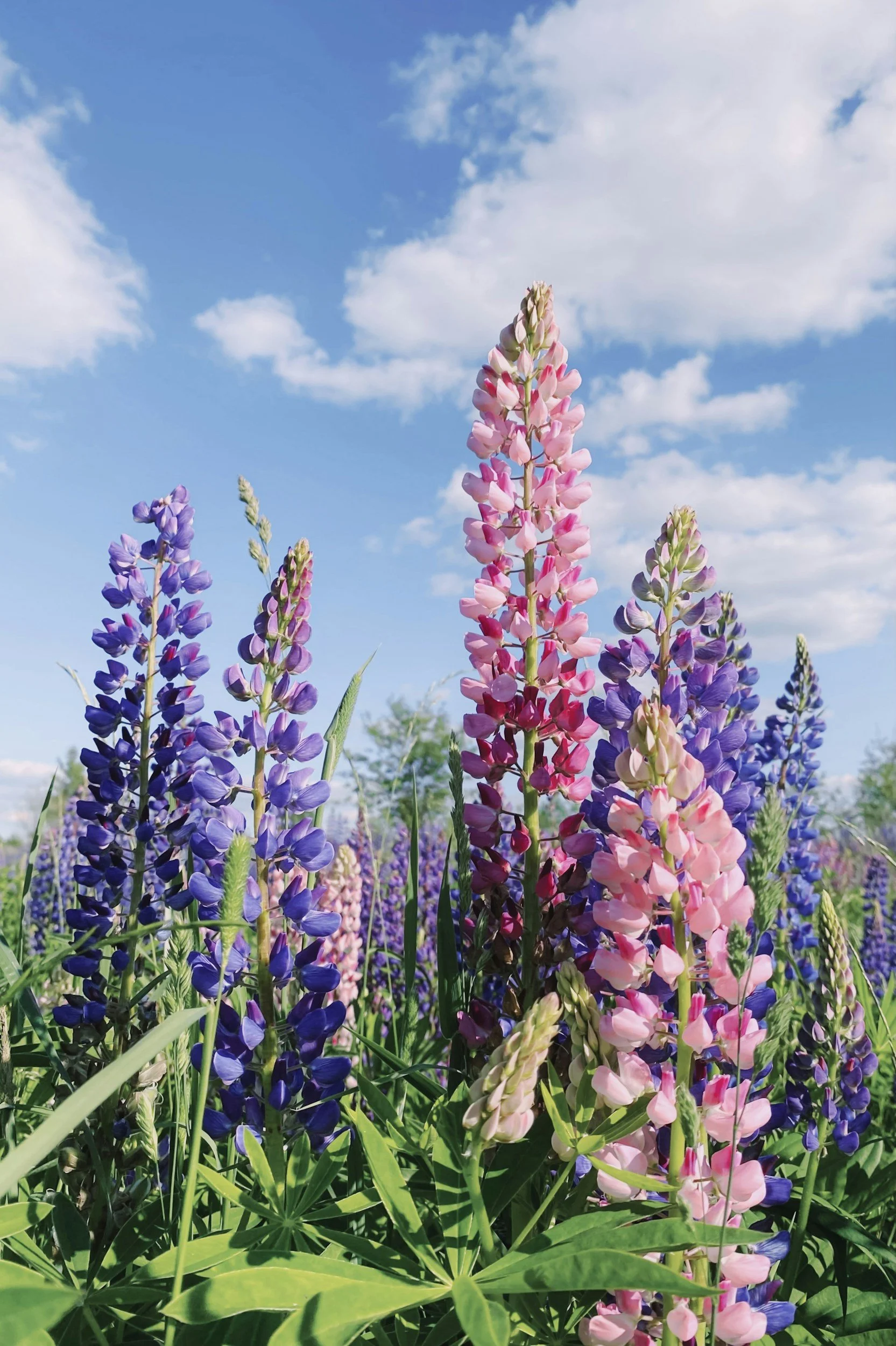
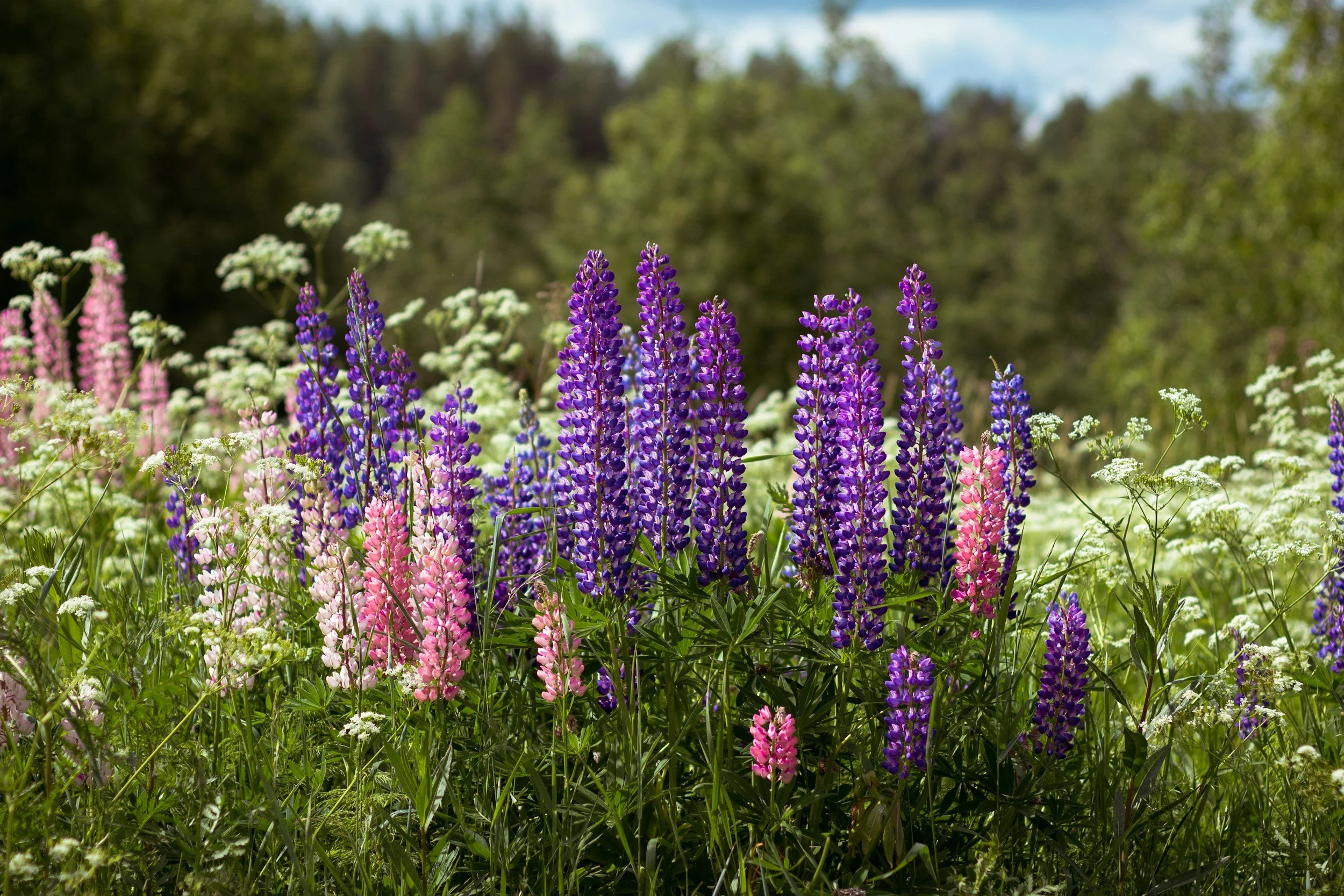
At a Glance
Lupine is a hardy annual or perennial flowering plant known for its tall, colorful flower spikes and deep relationship with soil health. While not traditionally used as a culinary or tea herb, lupine holds significance in ecological, symbolic, and artistic contexts, and is often valued for what it gives back to the land as much as for its beauty. Lupine is most commonly associated with Metaphysical/ Spiritual and Artistic/Crafting uses.
Read to the end for all details.
Traditional & Common Uses
Lupine occupies a unique place among plant traditions — more companion and teacher than ingredient, as described below.
-
Ecological / Agricultural
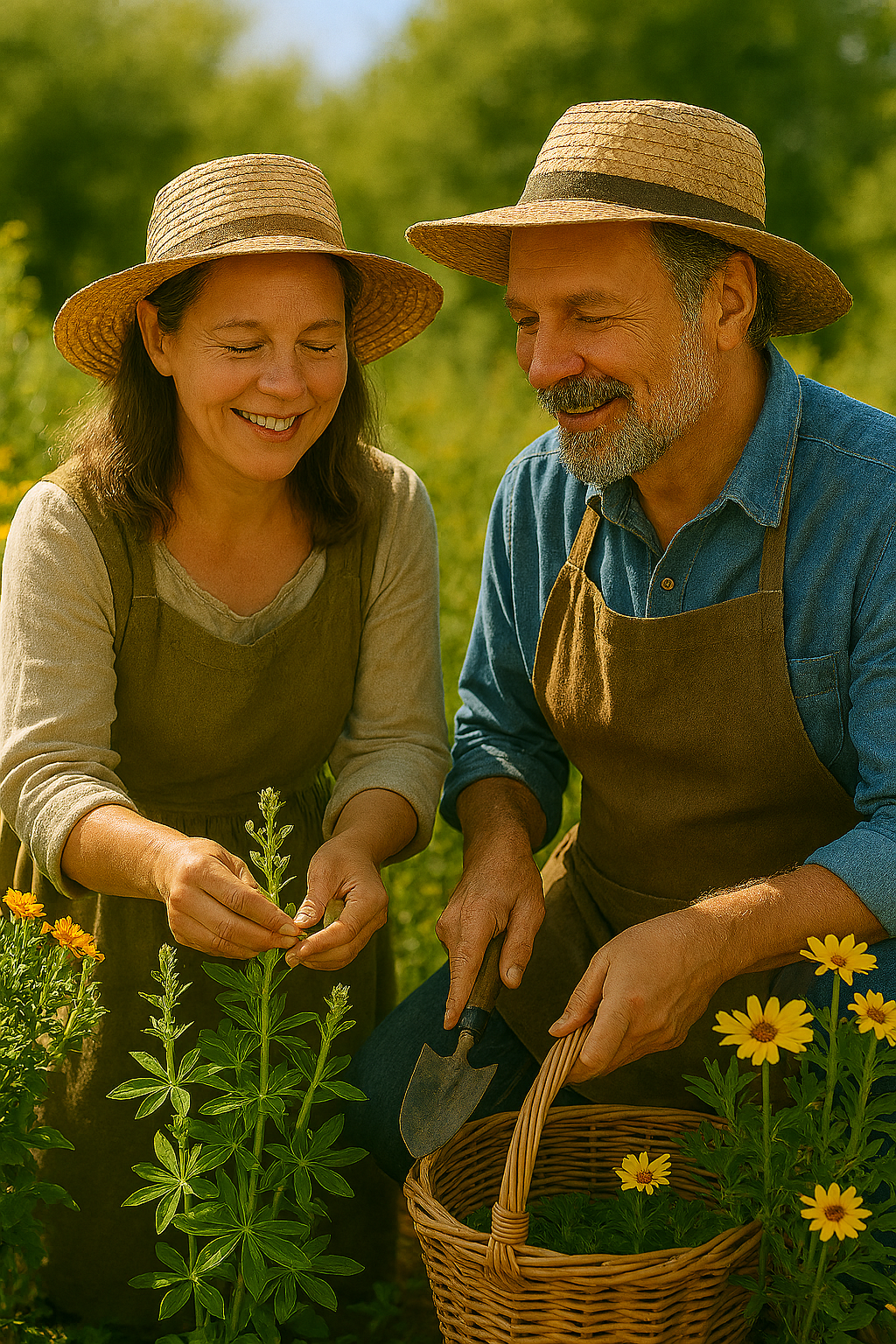
Historically, lupines have been valued for their role as nitrogen-fixing plants, helping enrich depleted soils. They are often used in soil restoration, companion planting systems and meadow and field regeneration.
Their presence can indicate a long-term, land-focused approach rather than short-term harvest goals.
-

Metaphysical/Spiritual
Lupine carries strong symbolic associations, often tied to endurance, transformation, humility, and wild beauty. Common metaphysical correspondences include: Perseverance through harsh conditions; Transformation of poor soil (metaphorically speaking) into fertile ground; Quiet strength and adaptability; Reclaiming abandoned or damaged spaces. In ritual or spiritual contexts, lupine may be used symbolically — planted, burned, honored, or represented — rather than consumed.
-

Artistic / Crafting
Lupine’s tall spires and vivid colors make it a favorite for garden and landscape design; photography; pressed flower work; seasonal visual displays, decorating homemade candles, and botanical print making.
Its form brings a sense of vertical movement and wild elegance.
Our Current Relationship With This Plant
Lupine is a flower whose return we look forward to each year. It’s beautiful blue and purple presence reminds us that sometimes nature knows best what the land needs to thrive.
Learn more about how we grow and harvest our herbs.
Typical Availability
Year-round: Dried stems and flower buds (blue & purple mixed)
Visit our Farm Products page for current availability.
A Gentle Reminder
Many lupine species contain compounds that can be harmful if ingested by humans or animals. Lupine should not be used in teas, culinary preparations, or home herbal remedies unless under expert guidance and with confirmed species identification.
Information here reflects traditional use, observation, and personal experience, shared for educational purposes. How a plant is used —or whether it’s appropriate for you— can vary. Please be mindful of allergies. Research individual herbs thoroughly and consult a qualified professional when needed.