
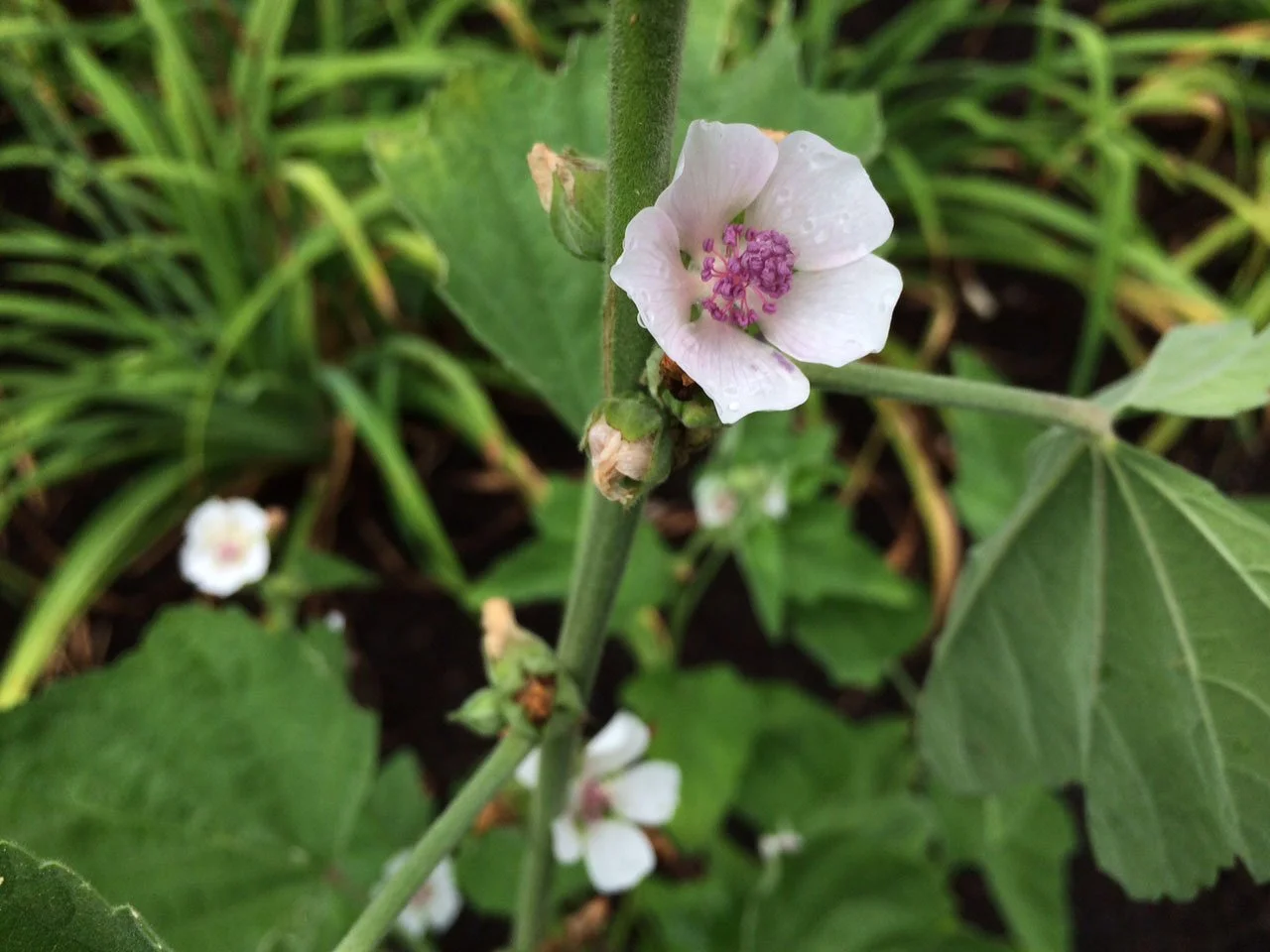
Herbal Profile
Marshmallow
Botanical name: Althaea officinalis
Family: Mint family (Lamiaceae)
At a Glance
The marshmallow plant is a perennial herb historically used for both culinary and medicinal purposes, including soothing coughs, sore throats, and digestive issues. Its name comes from the plant's sap (mucilage), which was the original ingredient for marshmallow confections, though modern versions use gelatin instead.
Marshmallow is commonly associated with Culinary, Medicinal, Metaphysical/ Spiritual and Herbal Tea uses.
Read to the end for all details.
Traditional & Common Uses
Since antiquity, marshmallow has been prized for its high mucilage content, a thick, gel-like substance found primarily in its roots and leaves. Common uses are described below.
-

Culinary
All parts of the marshmallow plant are edible, though they are quite mucilaginous.
Confections: The original marshmallow candy was made from the boiled sap of the root mixed with honey.
Vegetable: In various cultures, the leaves and roots have been eaten as vegetables, sometimes fried with onions.
Thickening Agent: The mucilage in the leaves and roots can be used to thicken soups and stews.
-
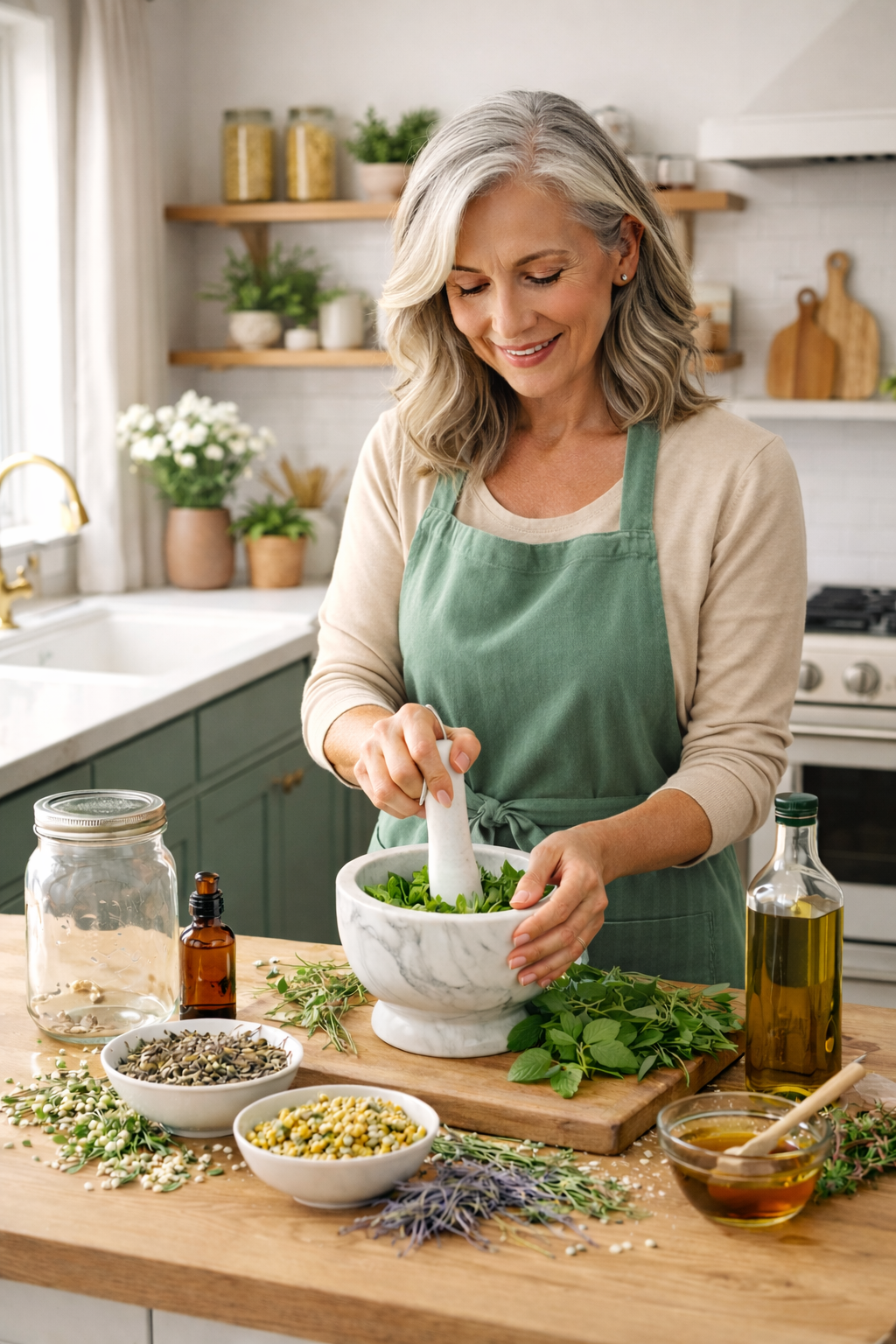
Medicinal
The plant's therapeutic properties stem from its high mucilage content, a thick, gel-like substance that coats and soothes irritated mucous membranes.
Respiratory Relief: The root extract is a common ingredient in herbal cough syrups and lozenges to treat dry coughs, bronchitis, and irritation of the mouth and throat; Digestive Aid: Marshmallow is used to alleviate irritation and inflammation in the digestive tract, which can help with conditions like stomach ulcers, heartburn, and constipation; Skin Health: When applied topically in ointments, salves, or poultices, the plant can help relieve skin irritation, eczema, burns, and minor wounds due to its anti-inflammatory and antibacterial properties; Urinary Support: It may help with urinary tract issues, such as bladder infections and inflammation, and can act as a diuretic to help the body flush out excess fluid.
-

Metaphysical/Spiritual
Energetically, marshmallow carries a gentle, nurturing vibration. It is associated with protection through softness rather than force.
Common Correspondences & Ritual Uses: Protection Through Gentleness: Used in sachets or charm bags to soften conflict; Added to protection blends when a calming influence is needed. Emotional Soothing: Helpful in rituals for healing grief or emotional rawness; Placed on altars dedicated to compassion and care. Heart & Throat Support (Energetic): Used in spellwork to encourages kind speech; Supports vulnerability without overwhelm.
Marshmallow is a plant of emotional buffering — it reminds us that not all protection needs to be sharp.
-
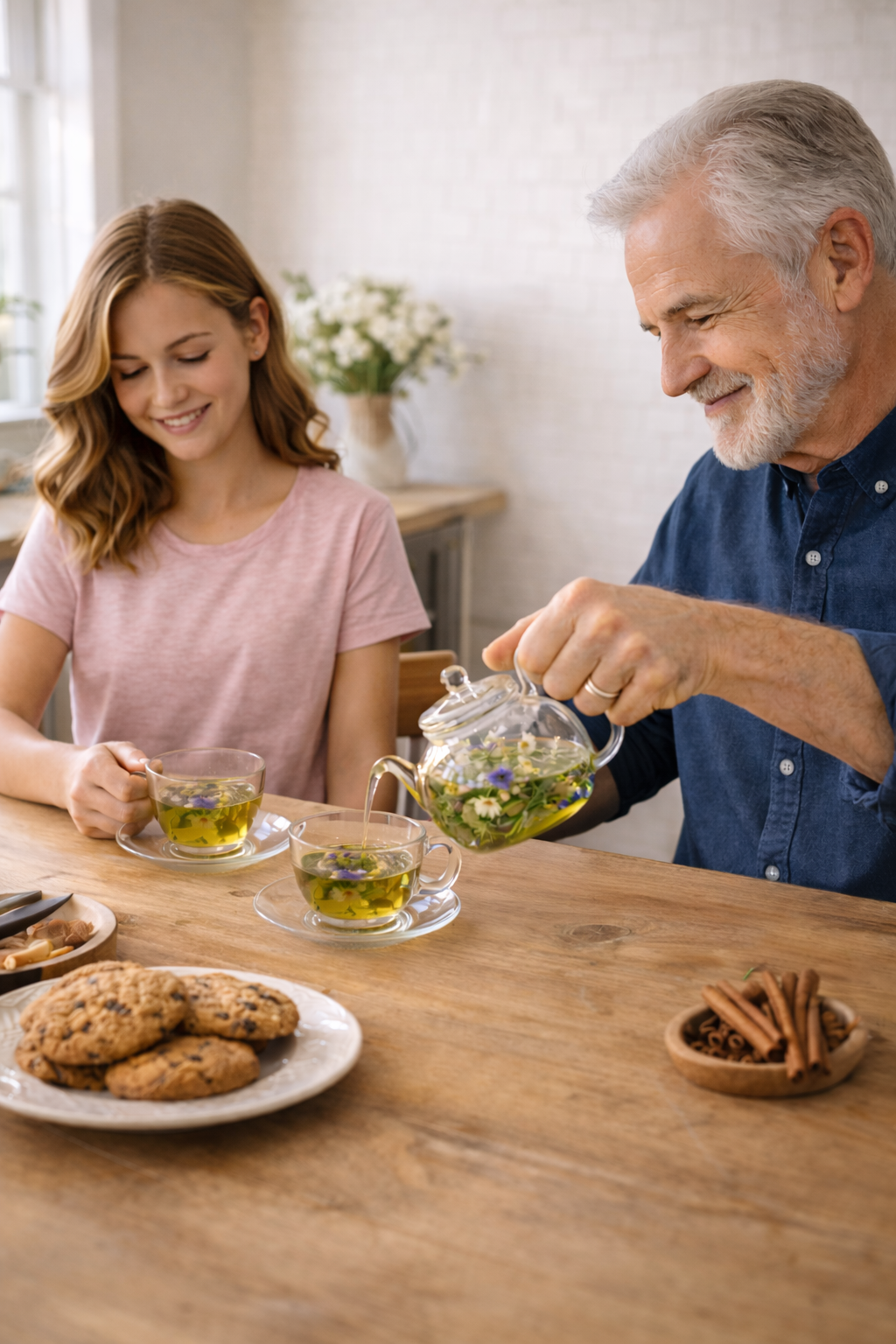
Herbal Teas
Marshmallow is mild, slightly earthy, and subtly sweet with a silky texture. It is rarely used for flavor alone. Instead, it contributes body and smoothness to blends.
Blends Well With: Peppermint (to soften intensity), Lemon balm (calming digestive tea), Chamomile (soothing bedtime blend), Licorice root (for throat comfort formulas).
Tea Tip: Use as a base herb in throat or gut-support formulas. Prepare root as a cold infusion (steep 4–8 hours in cool water) for best results.
Typical Availability
Summer & Fall: Fresh leaves
Year-round: Dried leaves
Plant Starts: Possibly available in the spring
Future Availability: Marshmallow root
Visit the Shop Marshmallow page for current availability.
Our Current Relationship With This Plant
Marshmallow is a fairly new plant to our farm. Its presence brings balance — a reminder that gentleness is not weakness, but resilience expressed softly.
Learn more about how we grow and harvest our herbs.
A Gentle Reminder
Marshmallow is considered very safe for most people. However:
Because it forms a soothing coating in the digestive tract, it may slow the absorption of medications. Take at least 1–2 hours apart.
Those with diabetes should monitor blood sugar, as it may have mild effects.
Always use properly identified plant material — ornamental mallows are not the same as Althaea officinalis.
Information here reflects traditional use, observation, and personal experience, shared for educational purposes. How a plant is used —or whether it’s appropriate for you— can vary. Please be mindful of allergies. Research individual herbs thoroughly and consult a qualified professional when needed.
INDEX:
mucilage, mucous membranes, respiratory, cough, bronchitis, irritation, mouth, throat, digestive tract, inflammation, digestion, stomach ulcers, heartburn, constipation, skin, ointments, salves, or poultices, eczema, burns, minor wounds, anti-inflammatory, antibacterial, urinary, bladder infection, diuretic, nurturing, protection, gentleness, sachets, charm bags, soften conflict, calming influence, emotional soothing, healing grief, emotional rawness, compassion, care, heart, throat, kind speech, vulnerability, emotional buffering, gut-support, digestive