
Herbal Profile
Oregano
Botanical Name: Origanum vulgare
Family: Lamiaceae (Mint family)
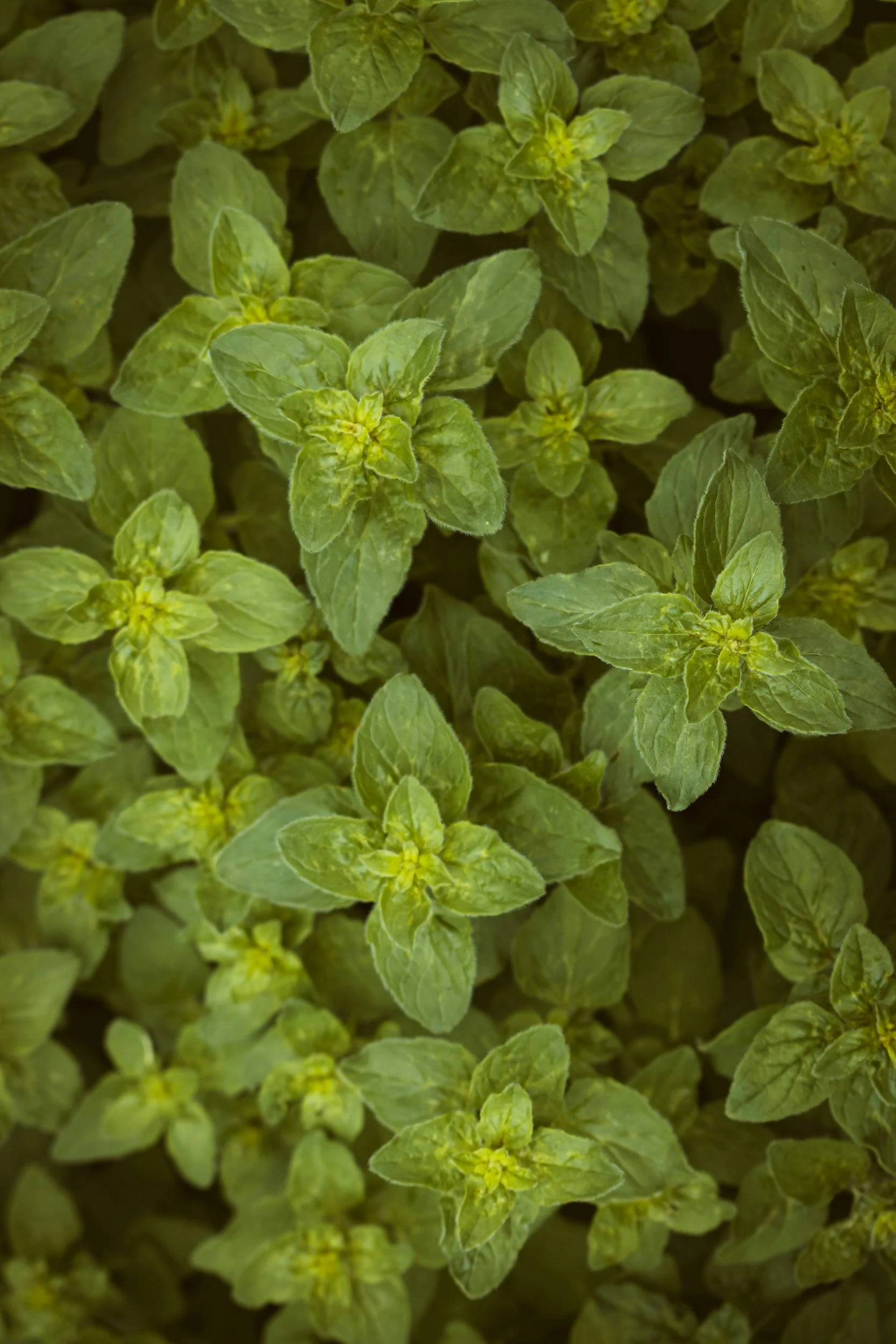
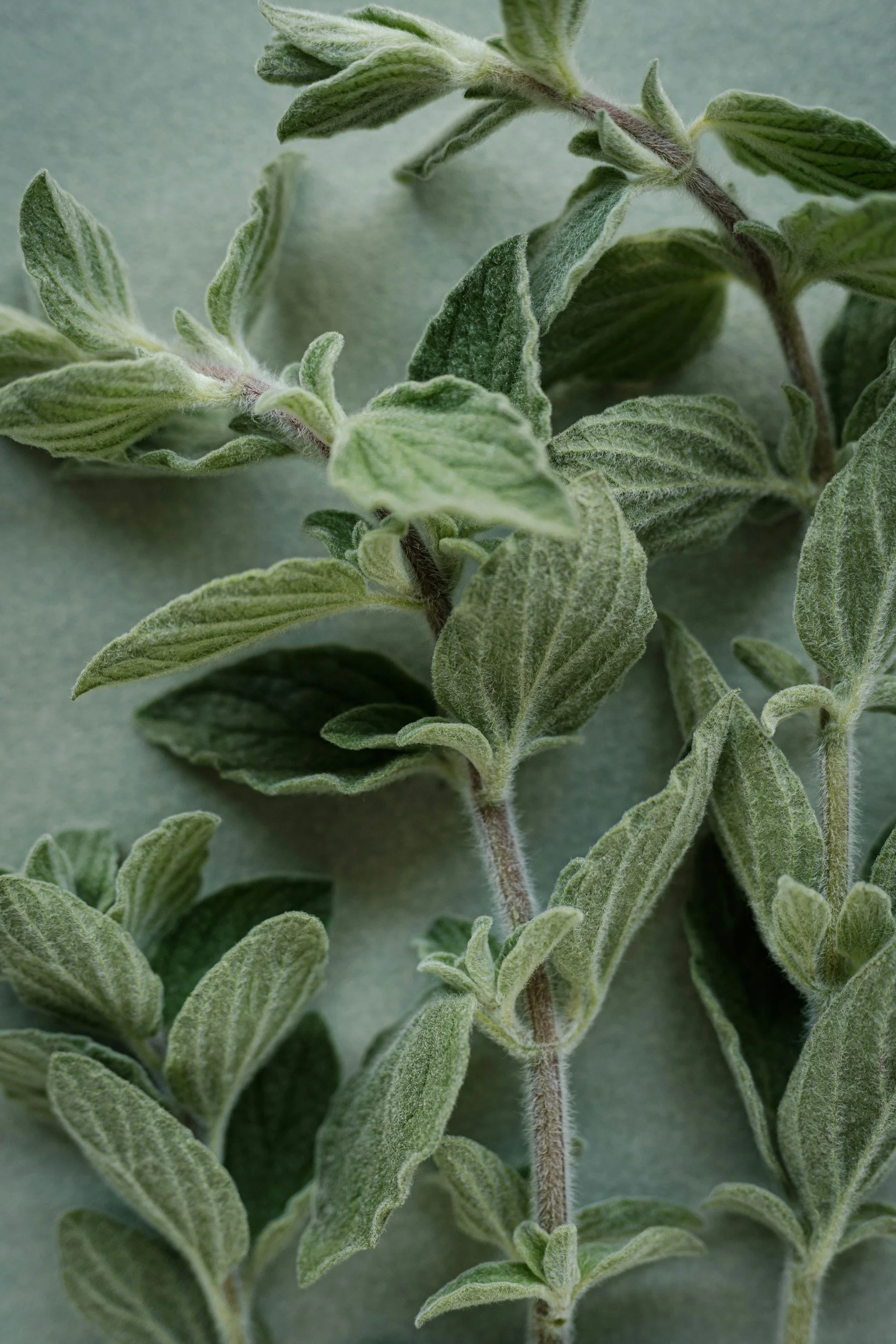
At a Glance
Oregano is a hardy perennial herb with a bold aroma and warm, earthy flavor. Best known as a culinary staple, it also has a long history in traditional herbalism and folk practice.
Oregano is most commonly associated with Culinary, Medicinal, Metaphysical/Spiritual, and Herbal Tea traditions.
Read to the end for all details.
Traditional & Common Uses
Oregano has been valued across cultures as both a flavoring herb and a protective plant, often associated with warmth, vitality, and preservation, as described below.
-

Culinary
Oregano is a classic kitchen herb, especially prominent in Mediterranean and Middle Eastern cuisines.
Traditionally used: Dried or fresh in savory dishes, sauces, and roasted vegetables; to flavor oils, vinegars, and marinades; as a bold, grounding note in meat and legume dishes. Its flavor intensifies when dried, becoming deeper and more concentrated.
-
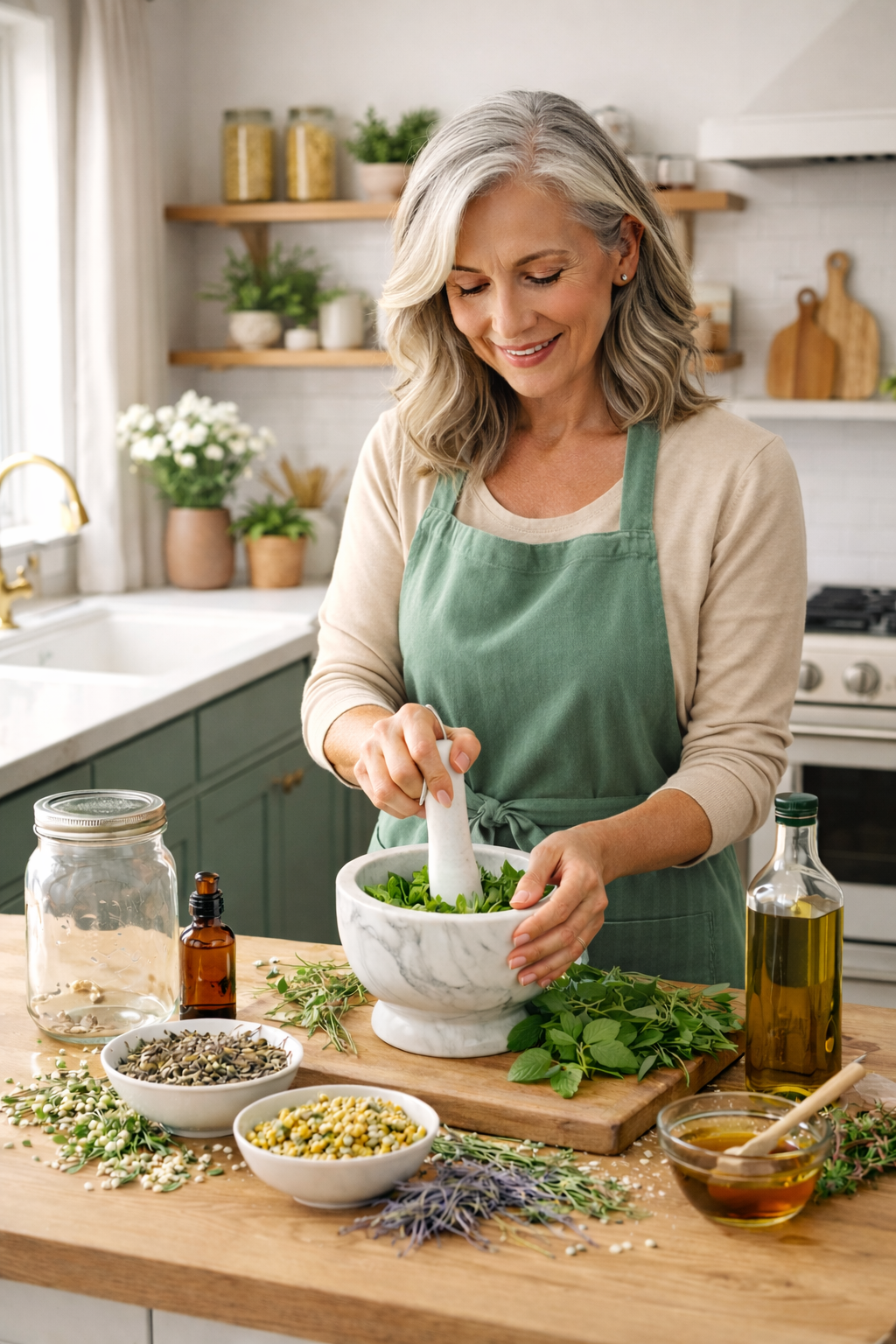
Medicinal
Oregano is used medicinally for its strong antimicrobial (antibacterial, antifungal, antiviral) and anti-inflammatory properties, traditionally for colds, coughs, and digestive issues, with benefits potentially extending to immune support, antioxidant effects, and skin health, though most research is preliminary.
Common Medicinal Uses: Antimicrobial: Fights bacteria, viruses (colds, flu), and fungi (like Candida causing thrush, athlete's foot); Anti-inflammatory: Helps reduce inflammation, linked to chronic diseases; Digestive Aid: Stimulates bile, reduces bloating, and soothes upset stomachs and indigestion; Respiratory Support: Used for coughs, colds, and respiratory ailments, often as steam inhalation; Immune Support: Contains vitamins and minerals (A, C, K, iron, calcium) that support the immune system; Antioxidant: Protects cells from damage due to its high antioxidant content.
-
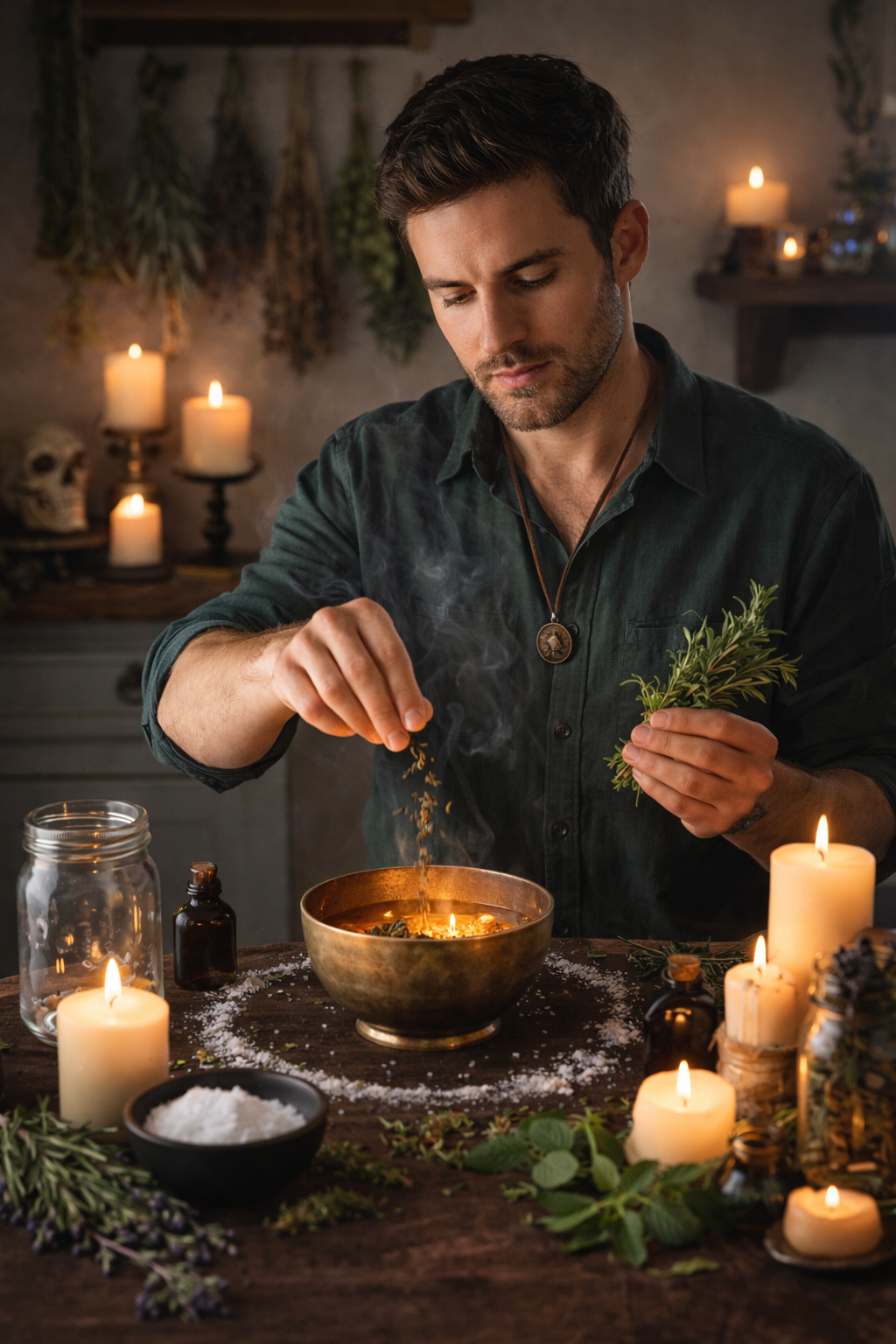
Metaphysical/Spiritual
Oregano has long been associated with joy, protection, and vitality. In folklore and traditional practices, it is often linked to happiness and energetic strength.
Common metaphysical correspondences include: Encouraging joy and emotional resilience; protective charm work; strengthening personal boundaries; and clearing stagnant or heavy energy.
It might be used dried in sachets, bundles, or symbolic ritual applications rather than internal use.
-

Artistic / Crafting
Oregano can be used for dried bundles or wreaths; herbal sachets; and visual texture in mixed herb arrangements
Its structure and scent add a rustic, grounding element.
-

Cosmetic
Oregano has appeared historically in aromatic or cleansing soaps and preparations, though it is used conservatively due to its strength.
-
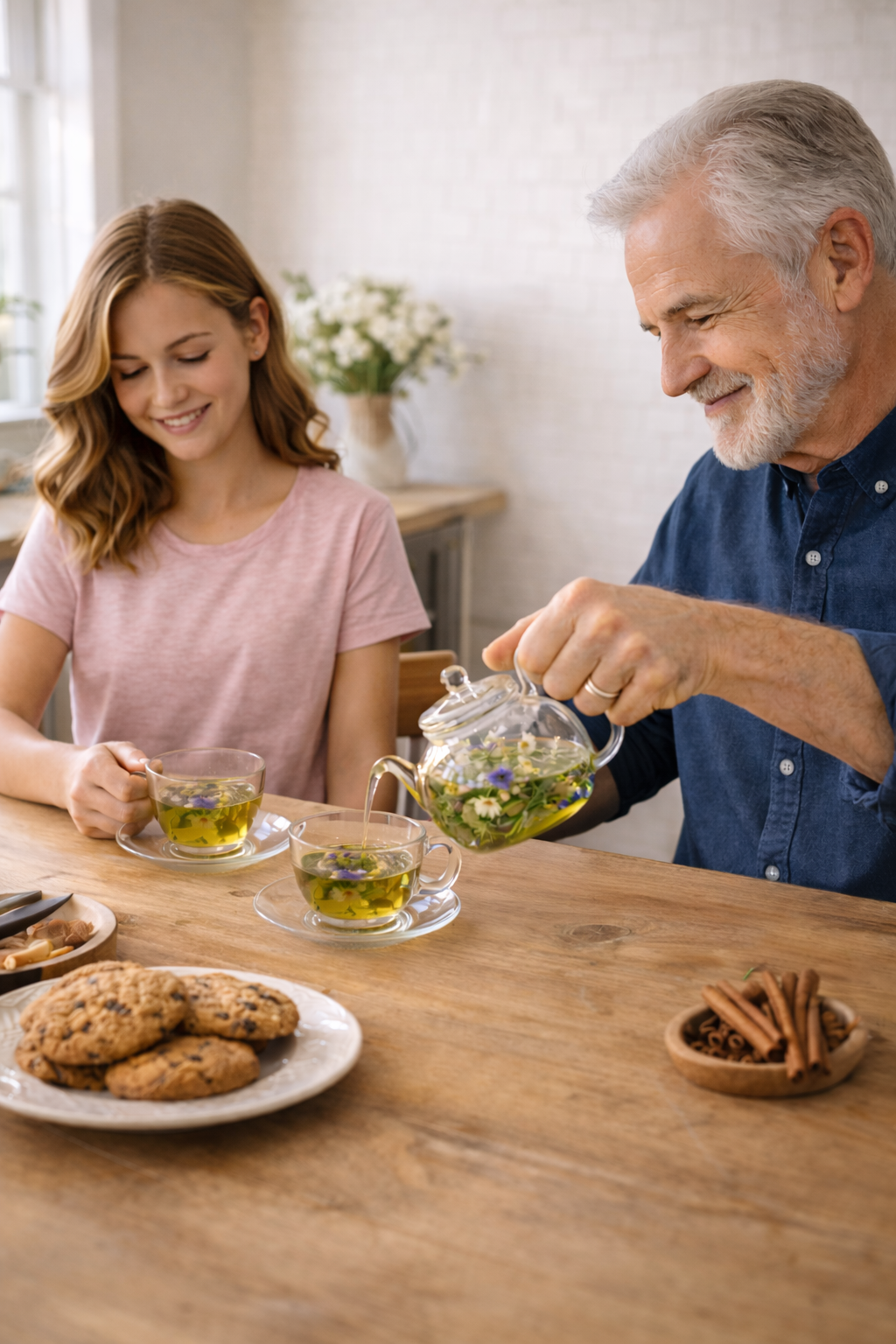
Herbal Teas
Oregano tea has a strong, savory flavor and is traditionally used only in small amounts or blended with gentler herbs. It pairs best with lemon balm to soften intensity, thyme for complementary warmth, and mint-family herbs to balance sharpness.
Our Current Relationship With This Plant
Oregano feels like an anchor plant — familiar, reliable, and — for us — deeply rooted in both kitchen and garden traditions. We’re drawn to its resilience and its bold presence. On the farm, oregano helps bridge culinary tradition with herbal respect, encouraging us to slow down and use strong plants thoughtfully.
Learn more about how we grow and harvest our herbs.
Typical Availability
Spring, Summer & Fall: Fresh oregano
Year Round: dried leaves
Plant Starts: Possibly available in spring
Visit our Farm Products page for current availability.
A Gentle Reminder
Oregano is a potent aromatic herb and is typically used in small amounts. It may not be appropriate for frequent use.
Information here reflects traditional use, observation, and personal experience, shared for educational purposes. How a plant is used —or whether it’s appropriate for you— can vary. Please be mindful of allergies. Research individual herbs thoroughly and consult a qualified professional when needed.