
Herbal Profile
Yarrow
Achillea millefolium
Family: Asteraceae (Sunflower family)
Also known as: Common yarrow, milfoil
Pronounced “YAIR-oh”
At a Glance
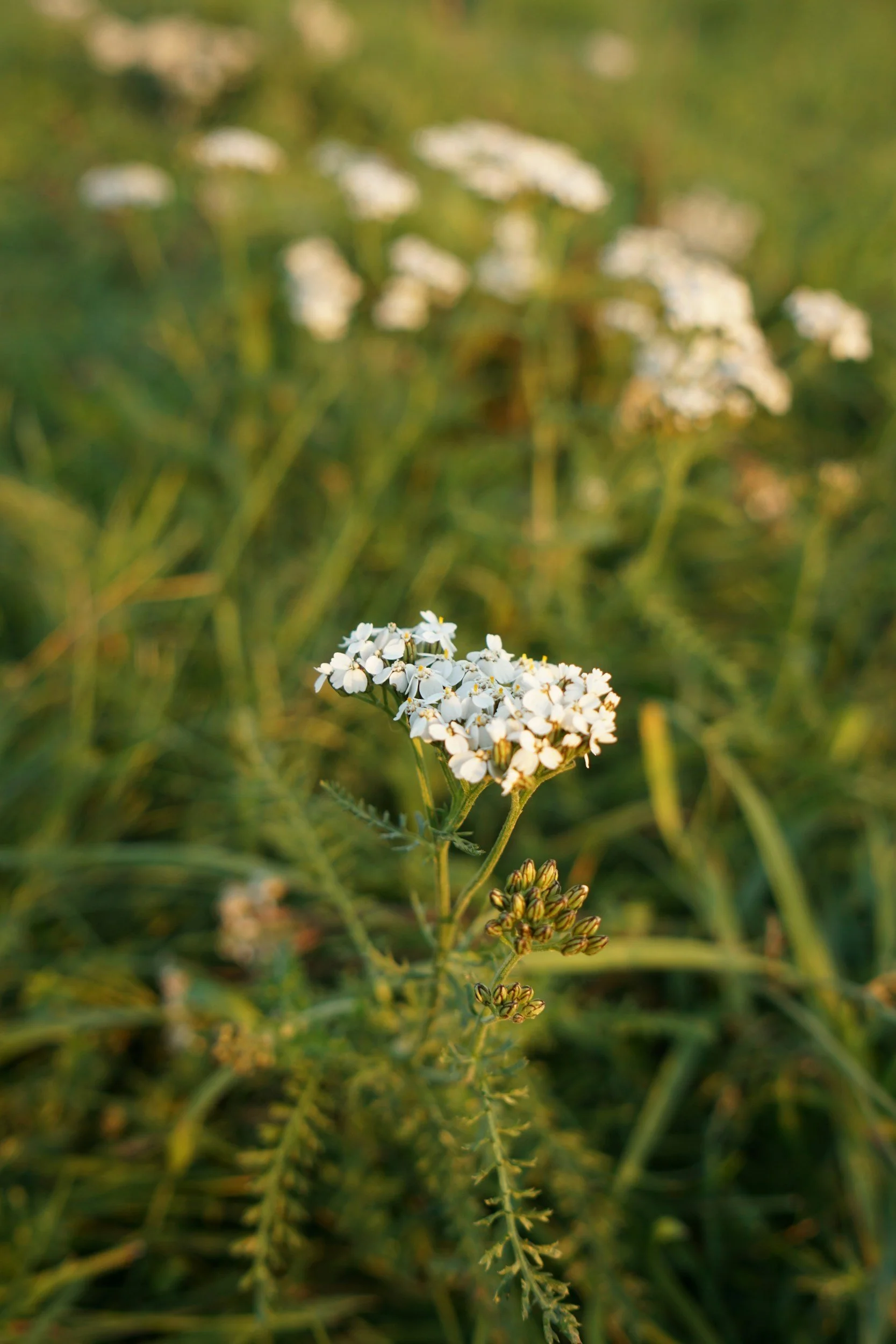
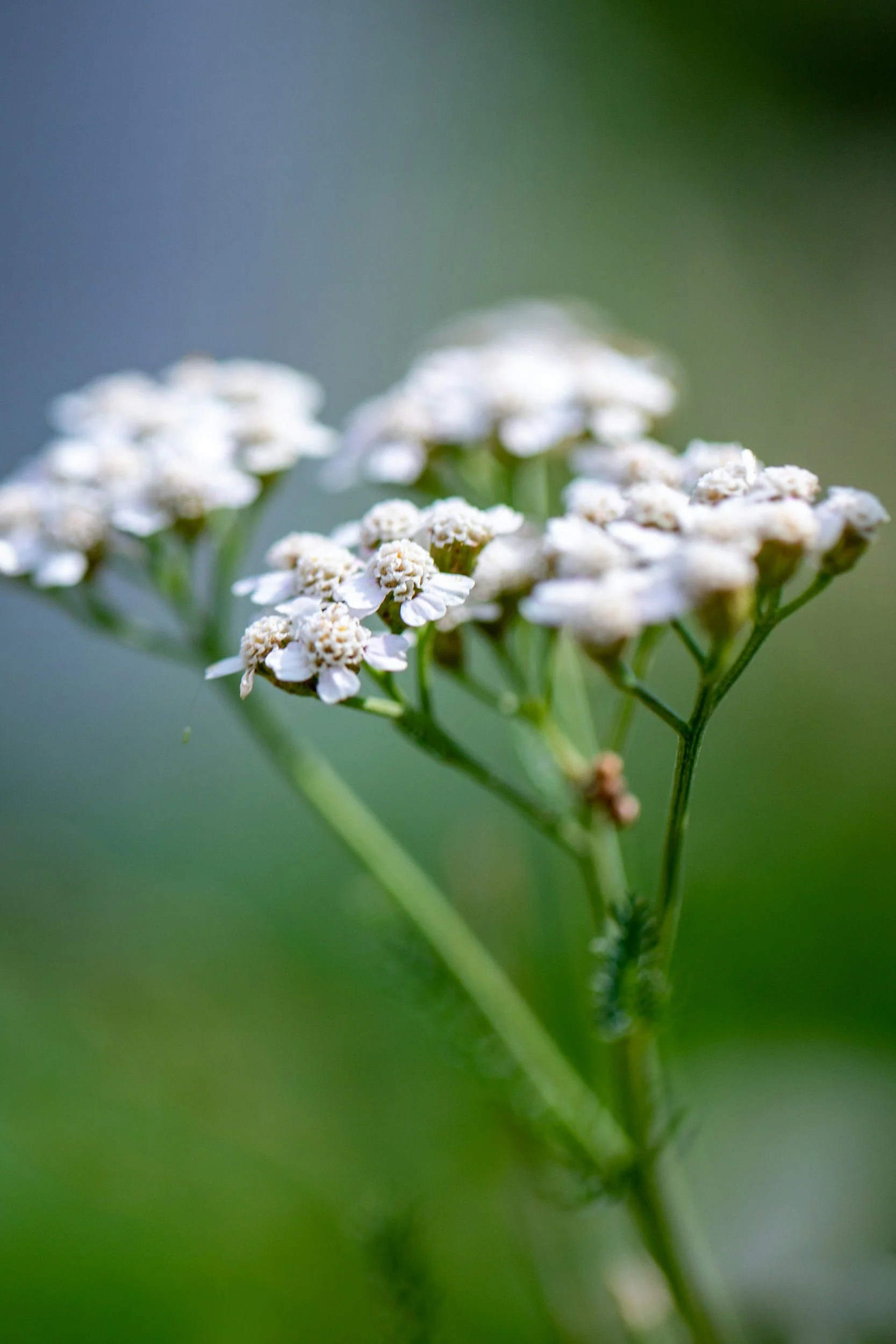
Yarrow is a resilient, aromatic perennial known for its finely divided leaves and clusters of small white (sometimes pink) flowers. Found growing in fields, roadsides, and cultivated gardens across the world, it has been valued for centuries as both a medicinal ally and a symbolic plant of protection and resilience. Yarrow is most commonly associated with Medicinal, Metaphysical/Spiritual, Artistic/Crafting, and Herbal Tea uses.
Read to the end for all details.
Traditional & Common Uses
Yarrow has a long and varied history, with uses shaped by region and necessity, as described below.
-
Medicinal
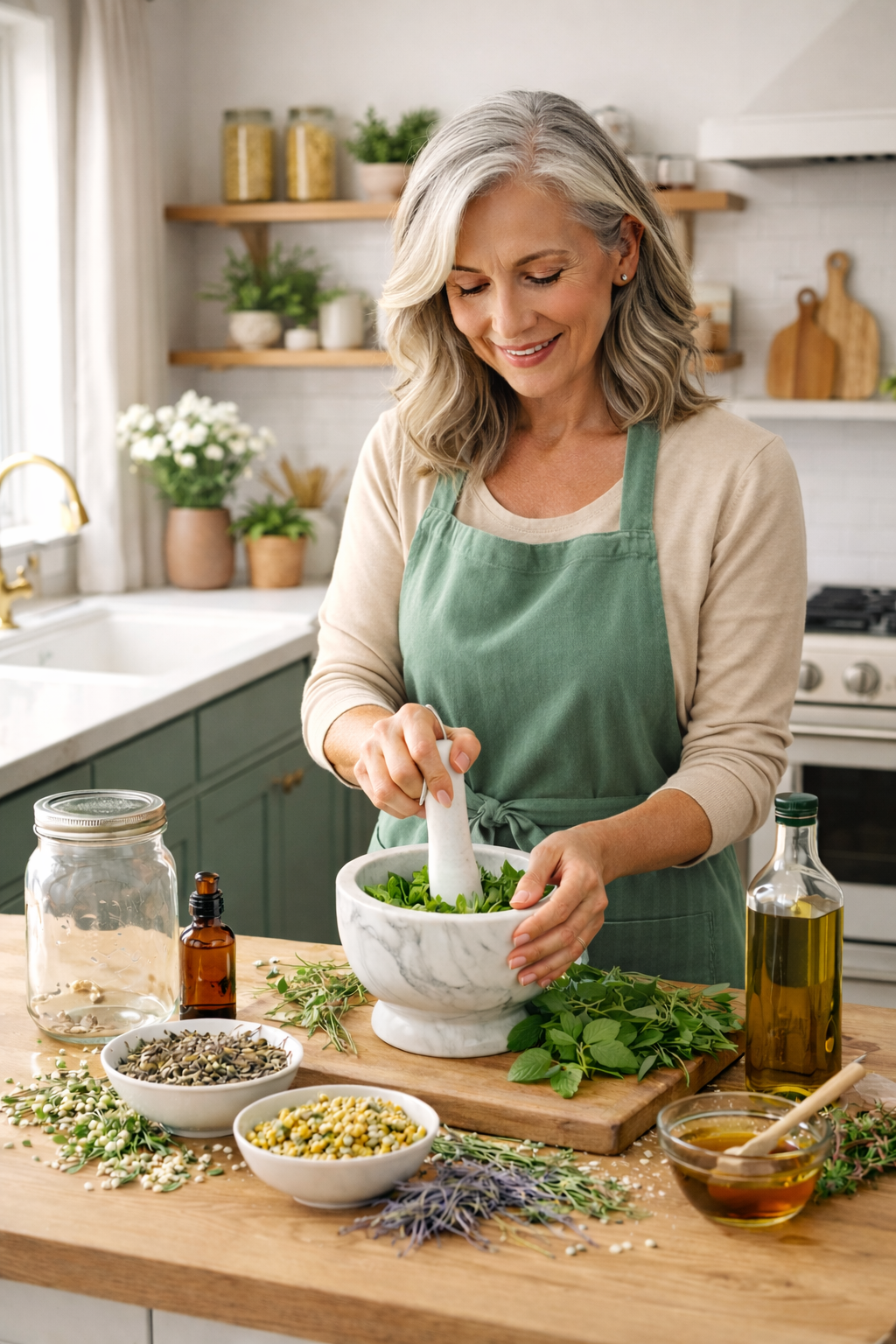
In traditional herbalism, yarrow has been associated with wound care, circulation, and fever traditions. Historically, it has appeared in teas, poultices, washes, and tinctures, and is often considered a first-response or field herb.
Yarrow is a versatile herb known for its anti-inflammatory, antimicrobial, astringent, and diaphoretic (fever-reducing) properties. It is traditionally used to stop bleeding, heal wounds, ease colds and flu, soothe digestion (cramps, bloating), relieve menstrual pain, and calm the nervous system for stress relief. Its key actions include reducing inflammation, constricting blood vessels, relaxing muscles (antispasmodic), fighting infections, and promoting sweating, making it useful topically for cuts and internally for fevers and digestive issues.
How it's Used: Topical: Bruised leaves as a poultice for wounds, or tea for burns/irritations. Internal: Warm teas (infusions) for colds/fever/digestion, or as a tincture.
-
Metaphysical/Spiritual
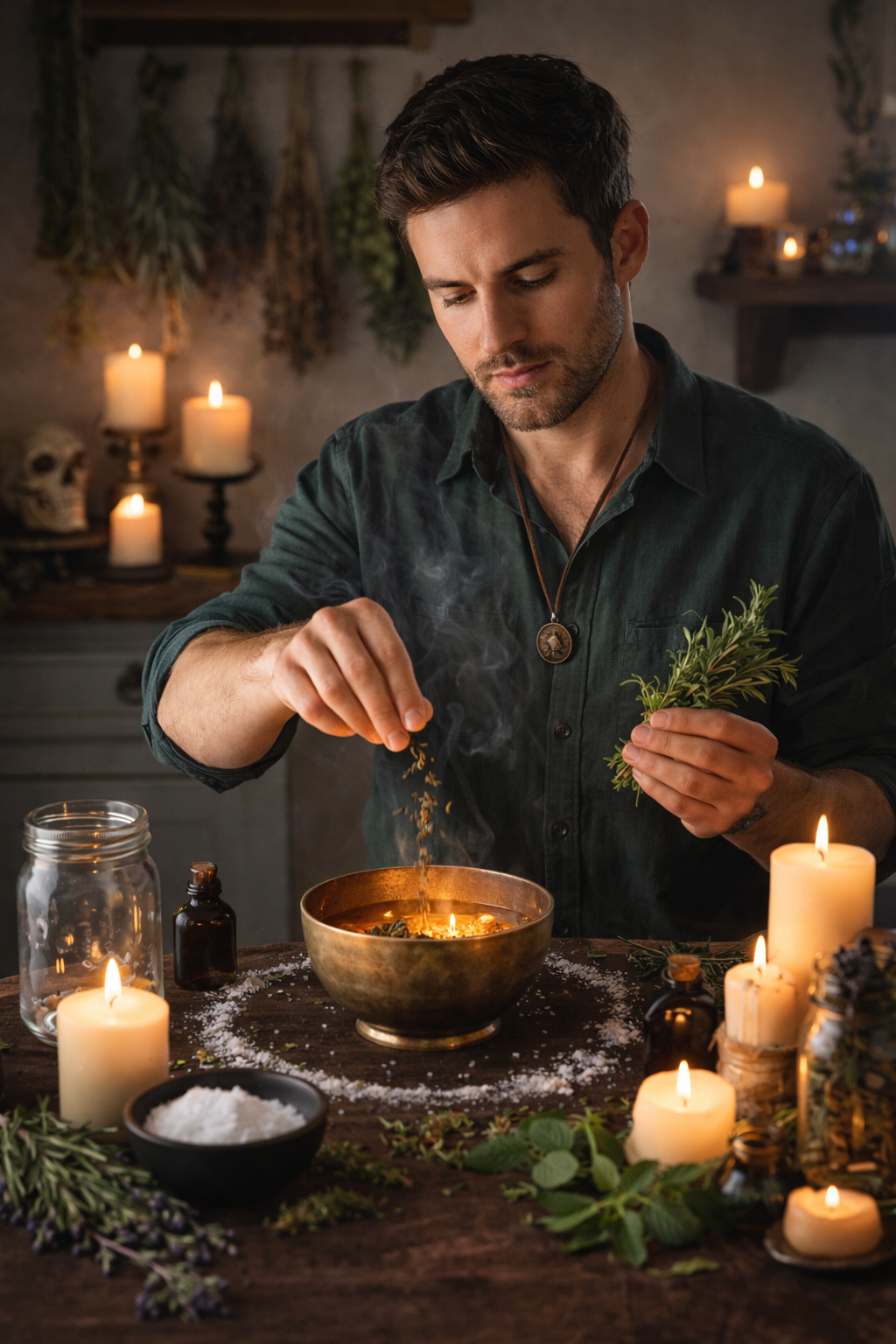
Yarrow is linked in folklore with protection, courage, boundary-setting, love and divination. It has traditionally been carried, worn, or used in ritual contexts to support strength, clarity, and resilience—especially during times of transition or conflict. It serves as a powerful spiritual shield against negativity, a promoter of bravery, and a tool for seeking love and guidance, often used in sachets, smudges, and love spells. It's considered a versatile herb for both grounding and enhancing psychic awareness, with ancient ties to healing and resilience.
Key Metaphysical Properties: Protection & Warding: Creates energetic barriers, wards off evil spirits, & protects against psychic attacks (used in charms, sachets, and smudges; Courage & Resilience: Brings bravery & strength, helping to overcome fear and grounding individuals during chaotic times.; Love & Relationships: Used in love spells, to attract a partner or strengthen existing bonds in marriage (associated with Aphrodite & Venus); Divination: Enhances psychic abilities, aids spiritual communication, and was used for love divination (seeing future lovers); Cleansing: Cleanses spaces & people of stagnant or negative energy, used in ritual cleansing; Spiritual Guidance: Helps ground while offering clarity for those working with spiritual realms, providing discernment.
-

Artistic/Crafting
Yarrow’s flat-topped flower clusters and feathery leaves make it well suited for drying, pressing, wreaths, and natural arrangements. It has long been included in traditional bundles and seasonal crafts.
-
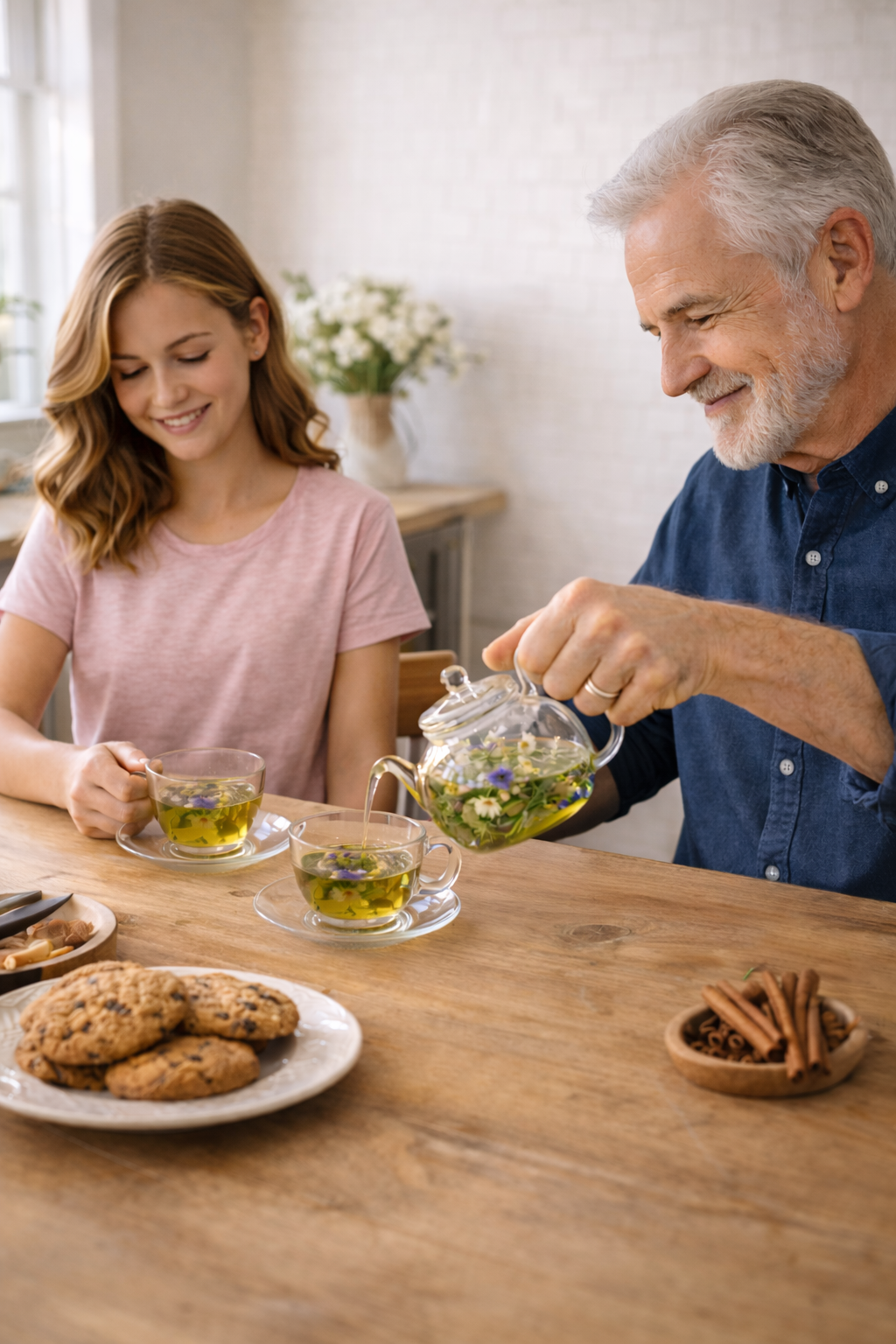
Herbal Teas
Yarrow has traditionally been prepared as an herbal infusion with a distinctly bitter, aromatic flavor. It is often used in small amounts, either on its own or blended with other herbs, particularly in seasonal or targeted tea blends.
Our Current Relationship With This Plant
Yarrow is a plant that asks for both attention and restraint. We appreciate its toughness and adaptability, as well as the way it quietly marks the edges of paths and fields. On the farm, we focus on understanding where it thrives naturally, how it spreads, and how to harvest in ways that respect both the plant and the surrounding ecosystem. It is one of my favorite plants.
Learn more about how we grow and harvest our herbs.
Typical Availability
Late Spring–Summer: Fresh yarrow (leaves & flowering tops)
Year-Round: Dried leaf and flower
Form: Loose dried herb, small bundles
Plant Starts: Possibly available in spring
Visit our Farm Products page for current availability.
A Gentle Reminder
Yarrow is a potent herb and may not be appropriate for everyone. Traditional sources often suggest caution during pregnancy. As with many bitter or aromatic herbs, thoughtful research and professional guidance are recommended, especially when used beyond occasional or external applications.
Information here reflects traditional use, observation, and personal experience, shared for educational purposes. How a plant is used —or whether it’s appropriate for you— can vary. Please be mindful of allergies. Research individual herbs thoroughly and consult a qualified professional when needed.