
Herbal Profile
Peppermint
Mentha × piperita
Family: Lamiaceae (Mint family)
Also known as: Black peppermint, balm mint
At a Glance
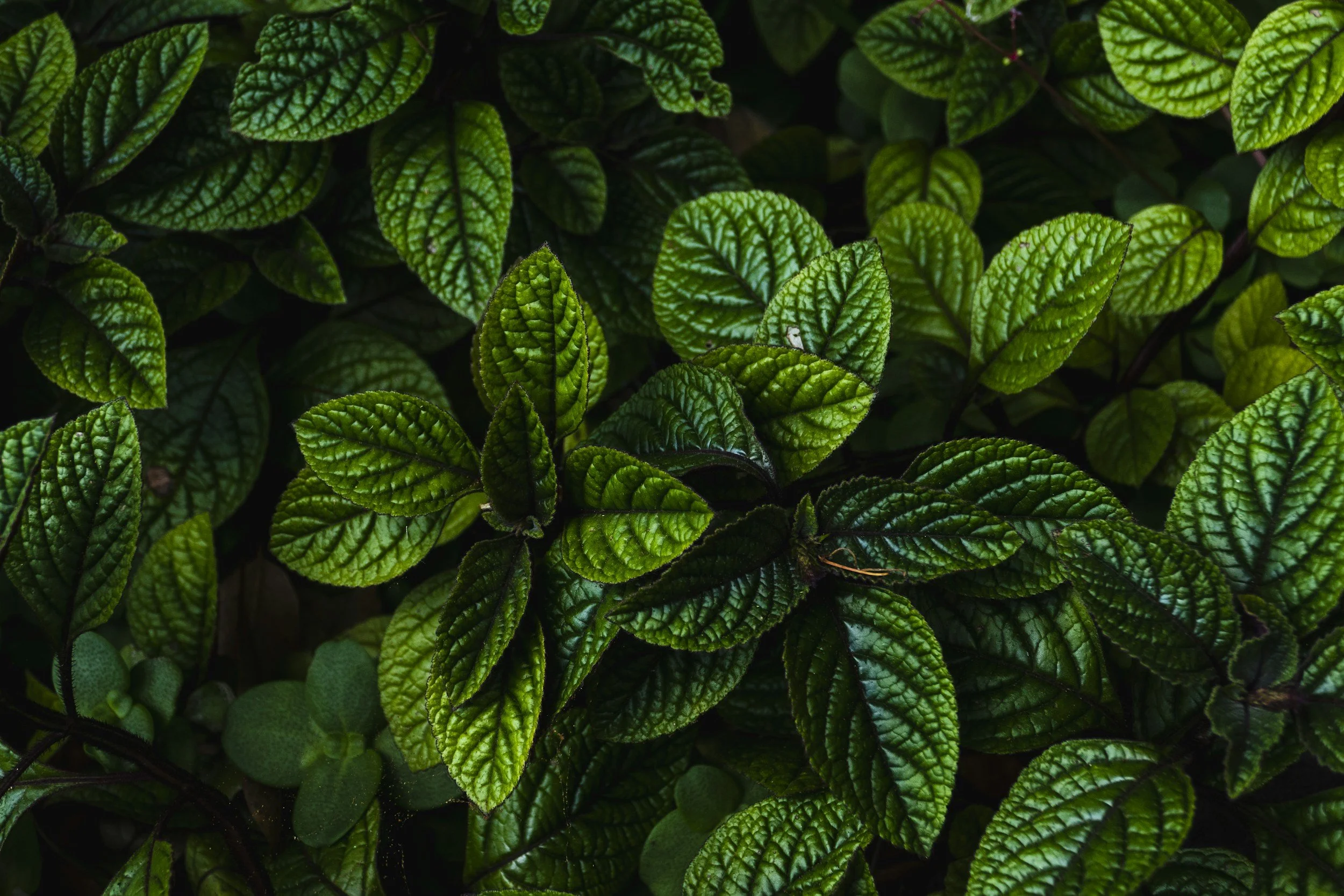
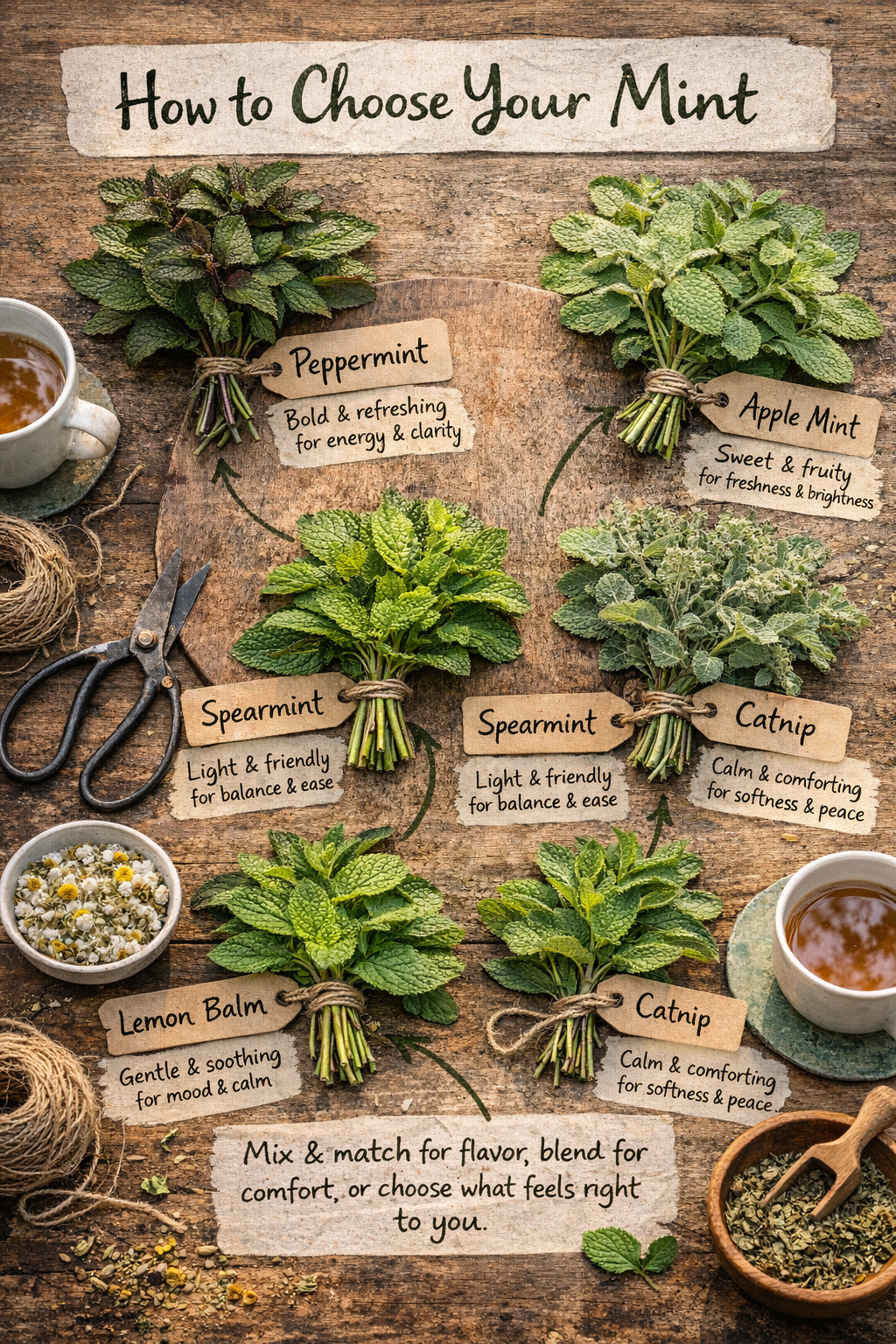
Peppermint is a vigorous, herbaceous perennial known for its bright, cooling aroma and spreading growth habit. A natural hybrid of watermint and spearmint, it has been widely used in foodways, folk herbal traditions, and sensory practices. Peppermint is commonly associated with Culinary, Medicinal, Metaphysical/Spiritual, Cosmetic, Crafting and Herbal Tea uses.
Read to the end for all details.
Traditional & Common Uses
Peppermint has long been valued for its strong scent, refreshing flavor, and ability to stimulate the senses. Its uses vary by culture, preparation, and intention, as described below.
-

Culinary
Peppermint’s sharp, cooling flavor has been used in both sweet and savory preparations. Traditionally, it appears in desserts, syrups, candies, sauces, beverages, and as a fresh garnish. In some food traditions, mint has been paired with rich or heavy foods to add brightness and contrast.
-
Medicinal
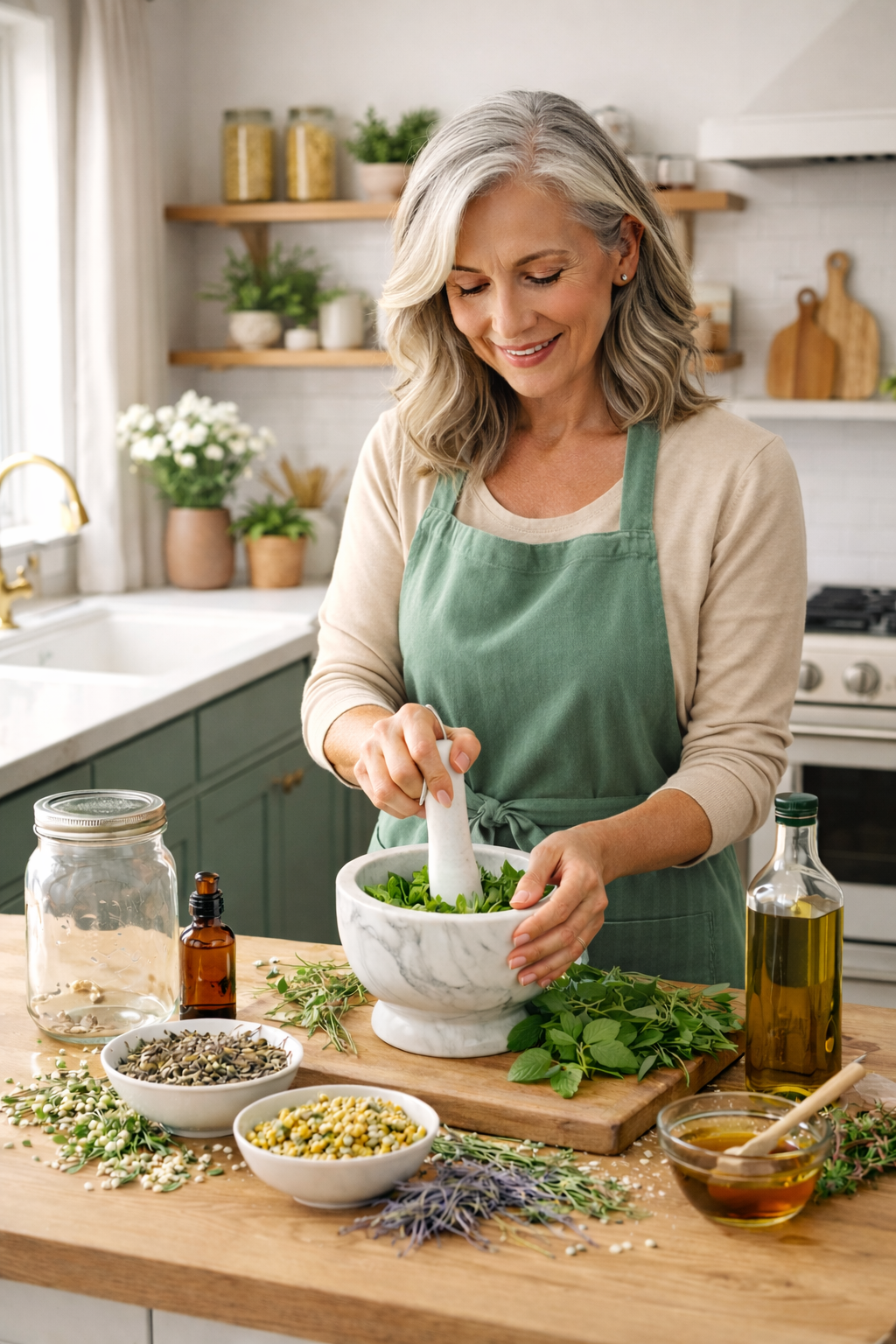
Peppermint has a long history in traditional herbalism, particularly in digestive and aromatic applications. It has often been prepared as a tea, infusion, or external application, and valued for its stimulating, cooling qualities.
Traditionally associated with digestive comfort, breath freshness, and sensory clarity, peppermint has been used in home herbal traditions to awaken appetite, support digestion, and create a sense of alert calm. Its strong aromatic oils made it a common ingredient in chest rubs, compresses, and steam preparations.
-
Metaphysical/Spiritual
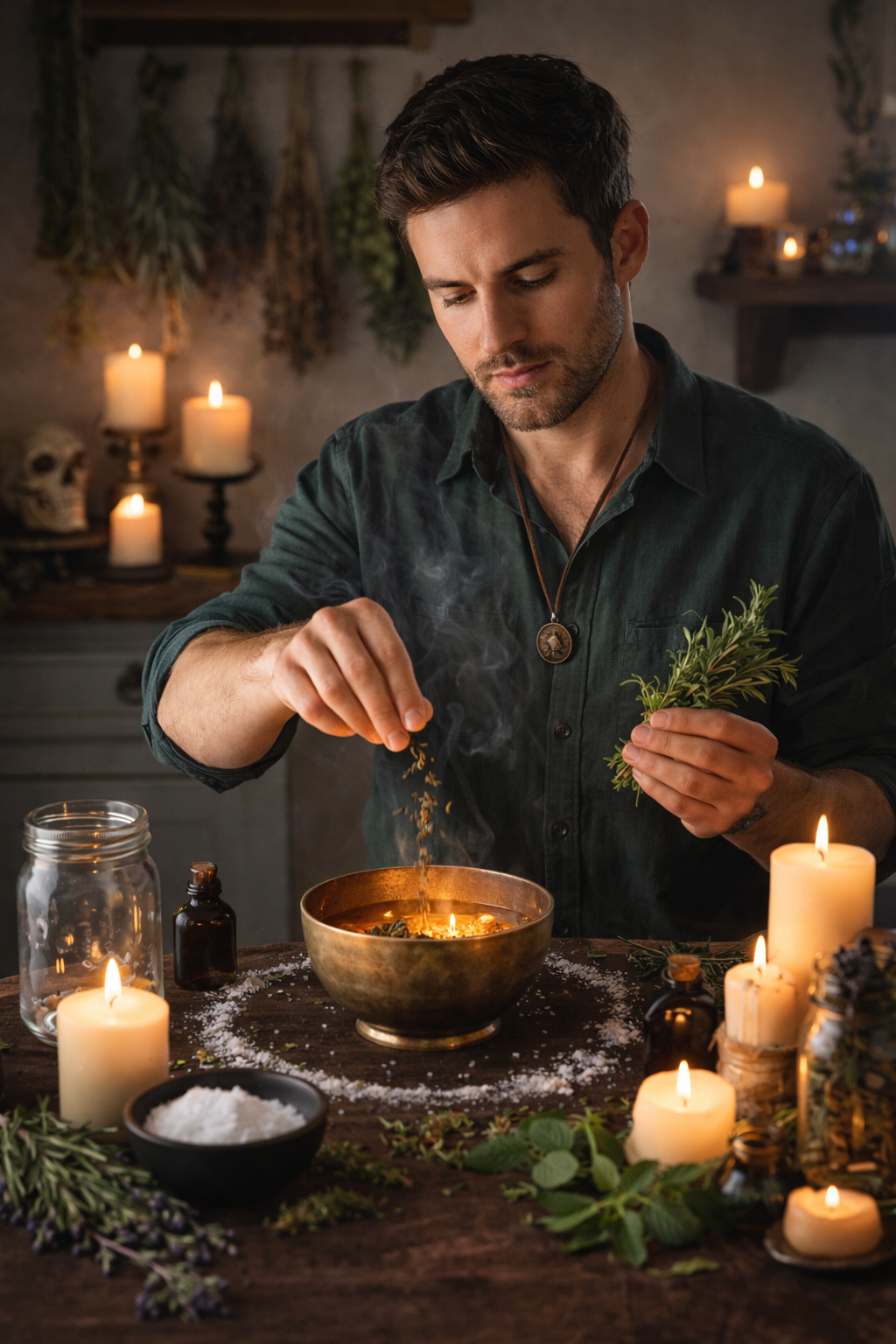
Peppermint is commonly associated with clarity, vitality, protection, and energetic refreshment. In folk traditions, it has been used to “clear the air” both literally and symbolically.
Peppermint has been incorporated into cleansing rituals, carried for mental sharpness, or used in floor washes and sachets intended to refresh stagnant spaces. Its bright scent is often associated with alertness, boundary-setting, and cutting through confusion.
-

Artistic/Crafting
Peppermint can be used in dried bundles, wreaths, or aromatic crafts. Its leaves retain scent when dried, making it useful for sachets, simmer pots and seasonal herbal bundles, especially those intended for freshness or purification themes.
-

Cosmetic
Peppermint’s cooling and aromatic qualities have made it popular in topical and personal-care traditions. Historically, it has appeared in balms, salves, soaps, hair rinses, and foot preparations. Its scent is often associated with cleanliness, invigoration, and freshness.
-
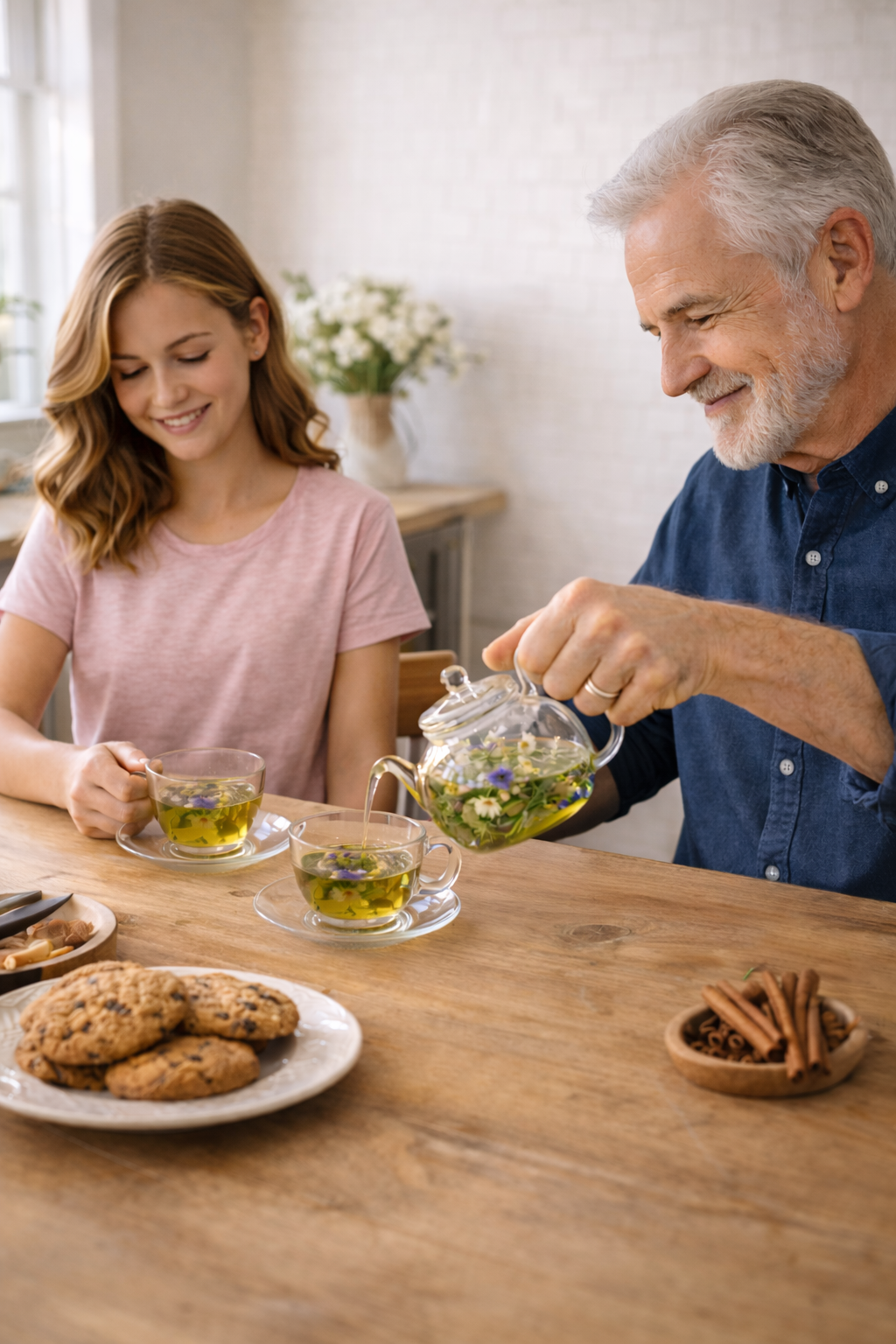
Herbal Teas
Peppermint tea is one of the most widely consumed herbal teas worldwide. Traditionally prepared as a simple infusion of the dried or fresh leaves, it produces a bright, cooling cup with a crisp finish.
Historically, peppermint tea has been enjoyed after meals or during moments when mental clarity and comfort were desired. It blends well with herbs such as chamomile, lemon balm, fennel, lavender, or rose, depending on the intended flavor or energetic profile.
Our Current Relationship With This Plant
Peppermint is one of those plants that quickly makes its presence known. We grow it with intention and boundaries, appreciating both its generosity and its tendency to wander. On the farm, peppermint represents abundance, energy, and the long hisory of the farm. It existed here many generations before us, and its presence reminds me of the families who farmed here before we came along.
Learn more about how we grow and harvest our herbs.
Typical Availability
Spring, Summer & Fall: Fresh peppermint
Year-round: Dried peppermint
Form: Fresh leaf, dried leaf
Plant Starts: Possibly available in spring
Visit our Farm Products page for current availability.
A Gentle Reminder
Peppermint is generally considered gentle, but its strong aromatic oils may not be appropriate for everyone. Some people find peppermint stimulating or irritating when used in large amounts. Peppermint is often avoided by those with chronic acid reflux or sensitivity to strong mints, and caution is typically advised when using highly concentrated preparations.
Information here reflects traditional use, observation, and personal experience, shared for educational purposes. How a plant is used —or whether it’s appropriate for you— can vary. Please be mindful of allergies. Research individual herbs thoroughly and consult a qualified professional when needed.