
Herbal Profile
Spearmint
Mentha spicata
Family: Lamiaceae (Mint family)
Also known as: Garden mint, common mint
At a Glance
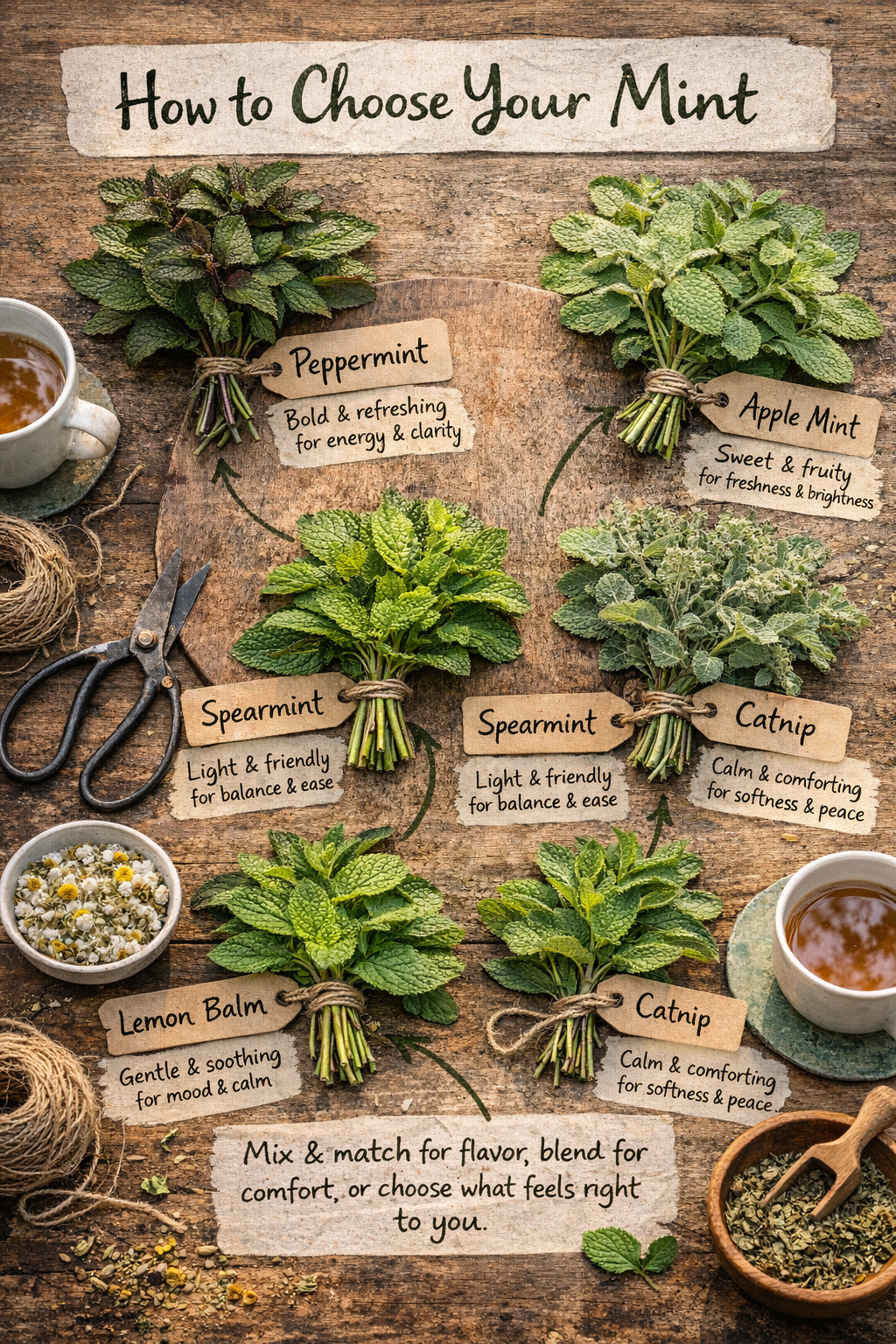
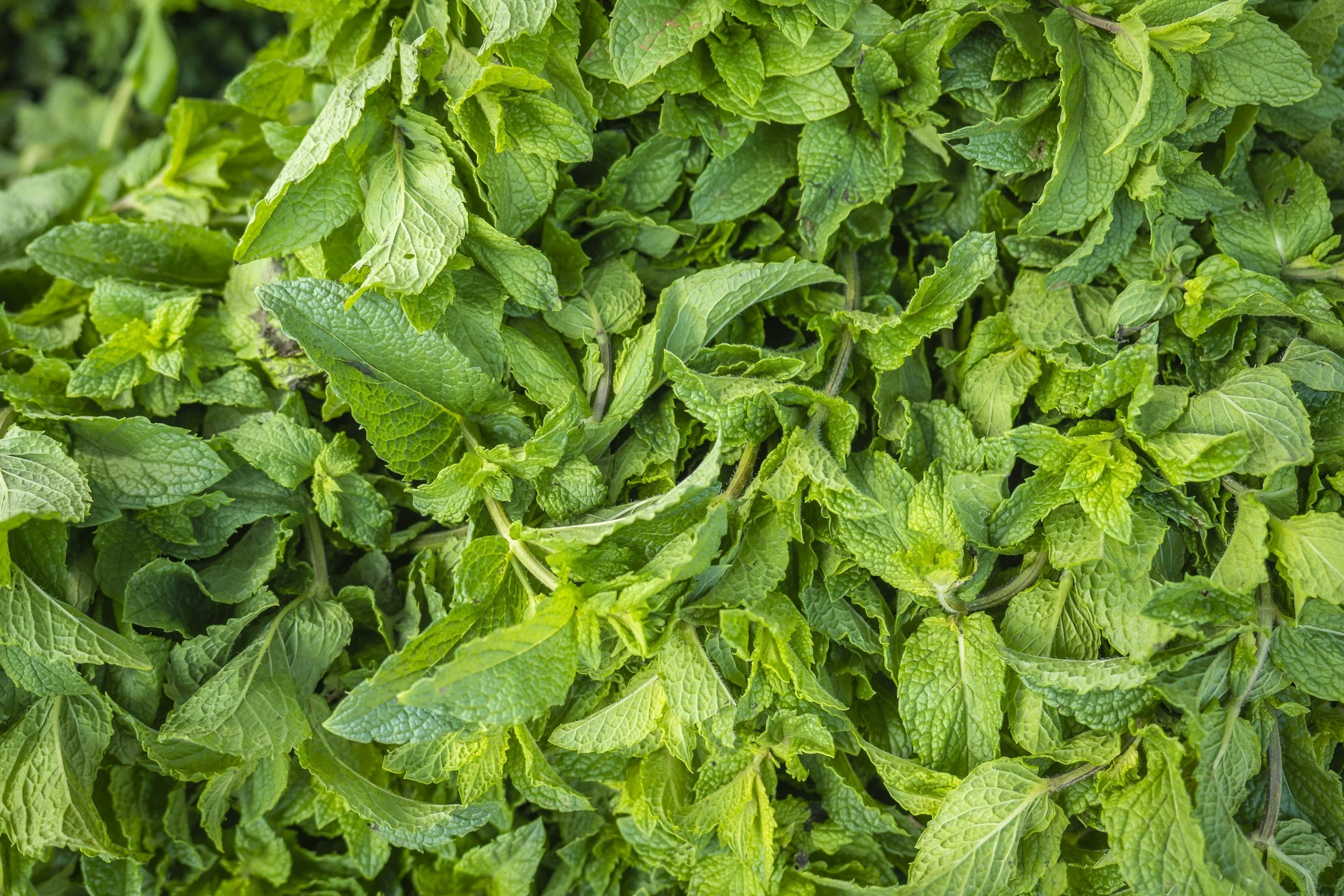
Spearmint is a vigorous, herbaceous perennial with bright green, lance-shaped leaves and a sweet, gently minty aroma. Softer and less intense than peppermint, it has been widely used in culinary traditions, folk herbal practices, and everyday teas. Spearmint is commonly associated with Culinary, Medicinal, Metaphysical/Spiritual, Cosmetic, Artistic and Herbal Tea uses.
Read to the end for all details.
Traditional & Common Uses
Spearmint has long been valued for its approachable flavor, uplifting scent, and versatility. Across cultures, it has served as a kitchen staple, a comforting tea herb, and a plant associated with hospitality and ease.
Common uses are described below.
-

Culinary
Spearmint is one of the most widely used culinary mints in the world. Traditionally, its fresh leaves appear in salads, sauces, beverages, syrups, and desserts. It is especially prominent in Mediterranean, Middle Eastern, and North African cuisines, where it is paired with grains, vegetables, meats, and yogurt-based dishes.
Compared to peppermint, spearmint’s flavor is sweeter and milder, making it well suited to frequent use and fresh preparations.
-
Medicinal
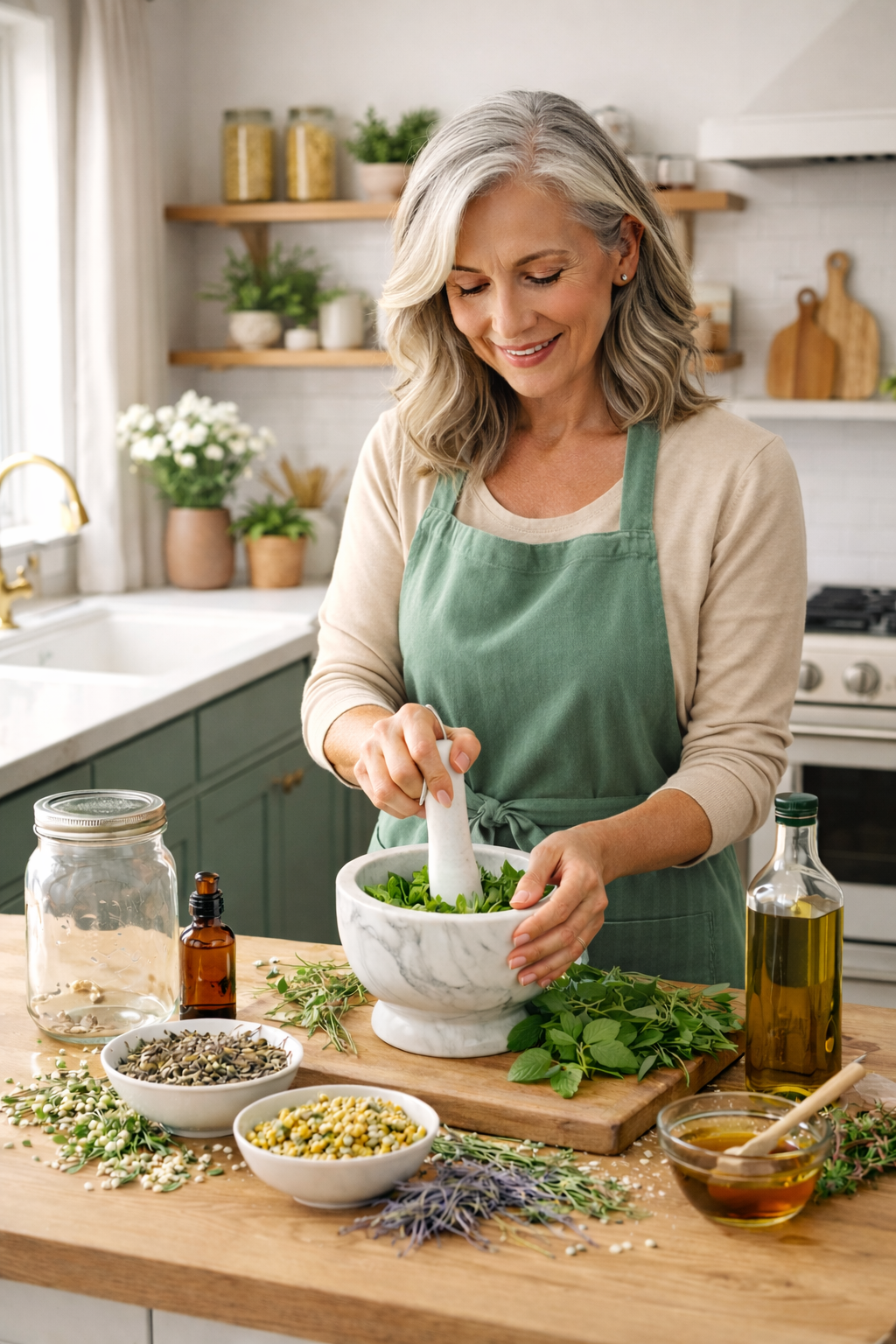
Spearmint has a long history of use in traditional herbalism, particularly as a gentle digestive and mood-lifting herb. It has often been prepared as a tea or light infusion and valued for its calming yet refreshing qualities.
Traditionally associated with digestive comfort, spearmint was used in home herbal traditions to ease heaviness after meals, support gentle digestion, and encourage relaxation without drowsiness. Its softer aromatic profile made it especially popular for everyday use and for people sensitive to stronger mints.
-
Metaphysical/Spiritual
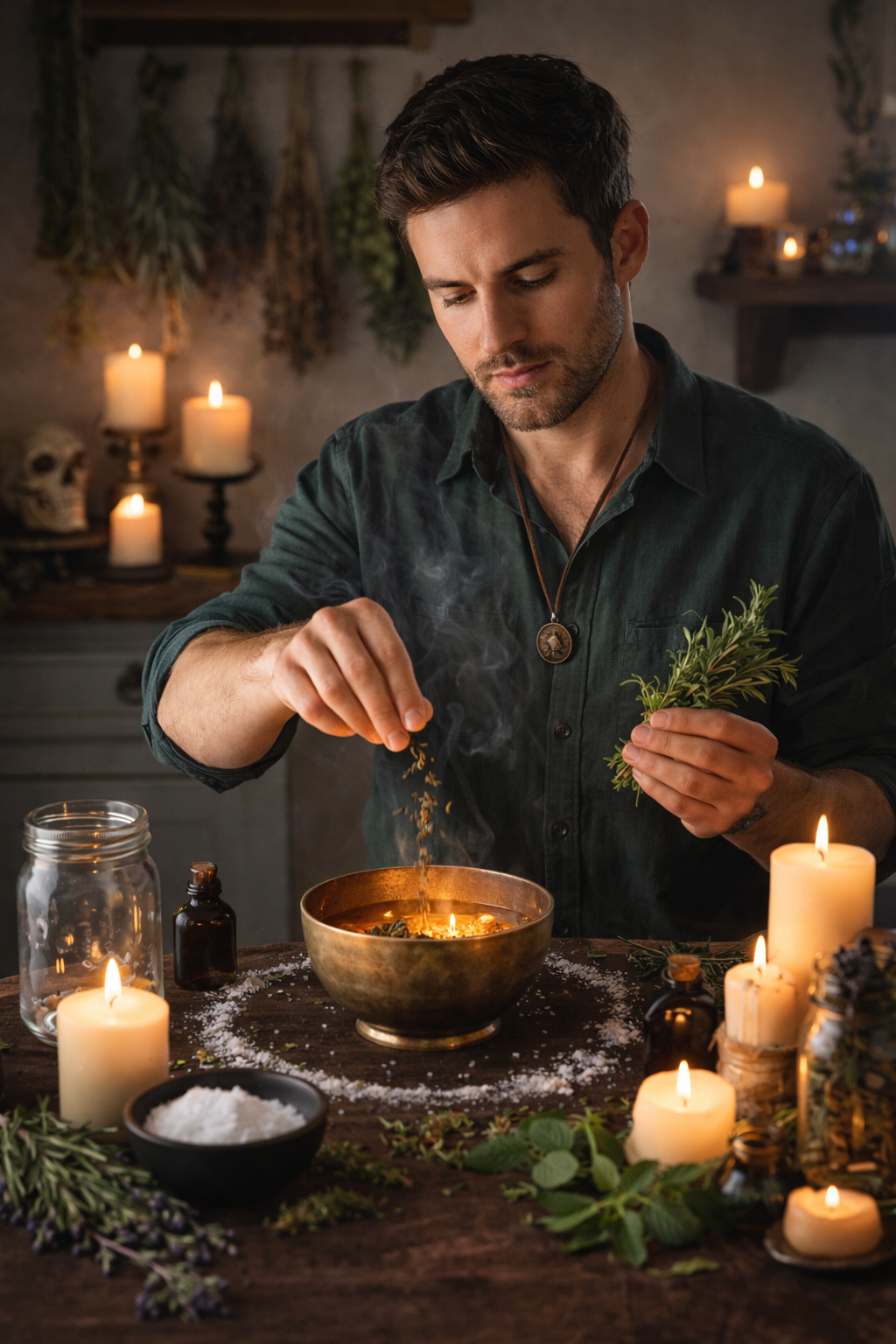
Spearmint is commonly associated with freshness, openness, and emotional ease. In folk traditions, it has been linked to hospitality, clarity, and welcoming energy.
Metaphysically, spearmint has been used in rituals or practices focused on clearing mental clutter, inviting positive communication, and creating a light, friendly atmosphere.
It is commonly used in sachets, floor washes, and simple charms intended to refresh a space or encourage harmonious interaction.
-
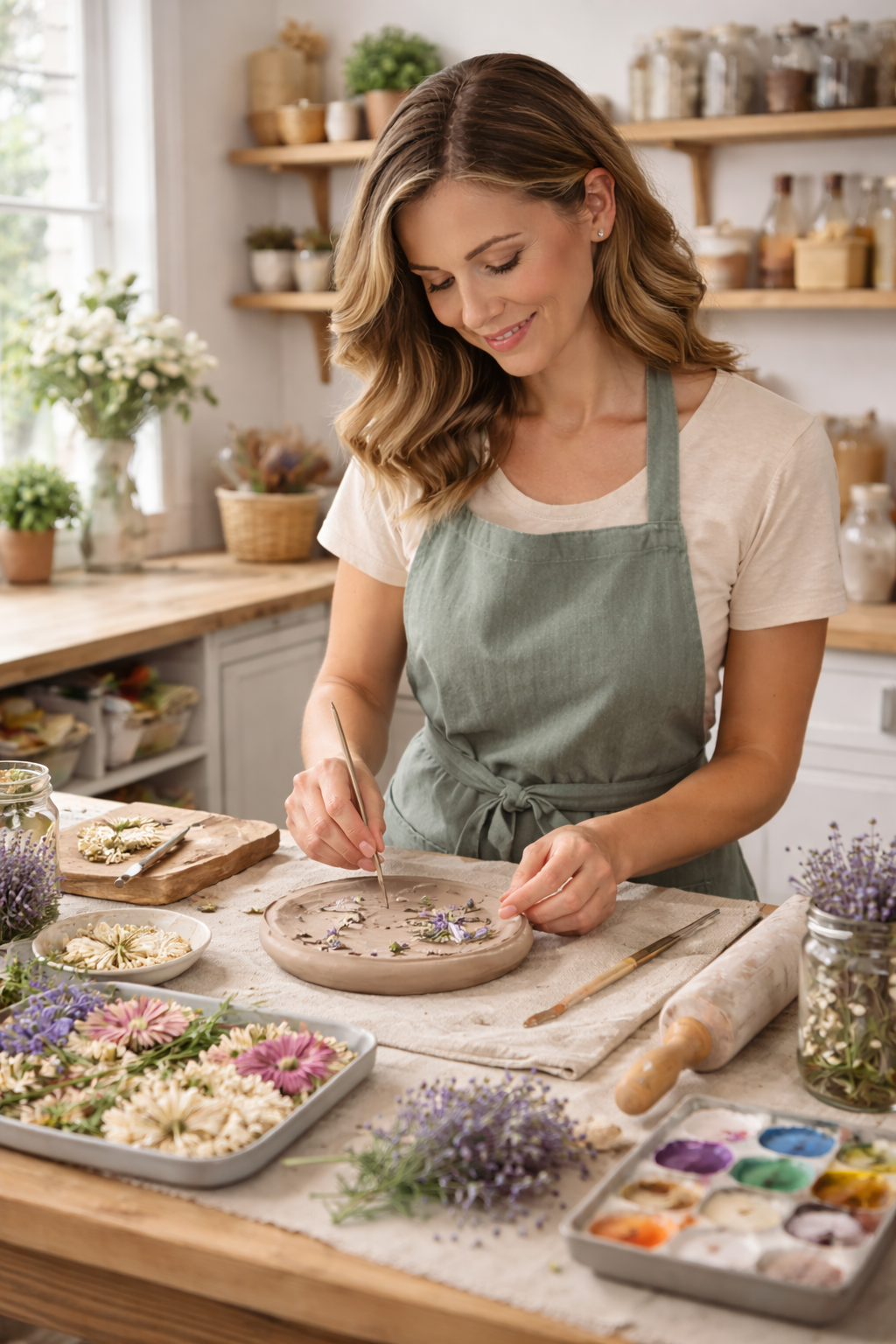
Artistic/Crafting
Spearmint can be dried for aromatic bundles, sachets, wreaths, candles and simmer pots. Its leaves retain a pleasant scent when dried, making it useful for crafts intended to convey freshness, cleanliness, or summer abundance.
-

Cosmetic
Spearmint has been used in traditional personal-care preparations such as soaps, hair rinses, and skin tonics. Its gentle cooling sensation and pleasant scent made it popular in everyday cosmetic use, especially where a softer alternative to peppermint was desired.
-
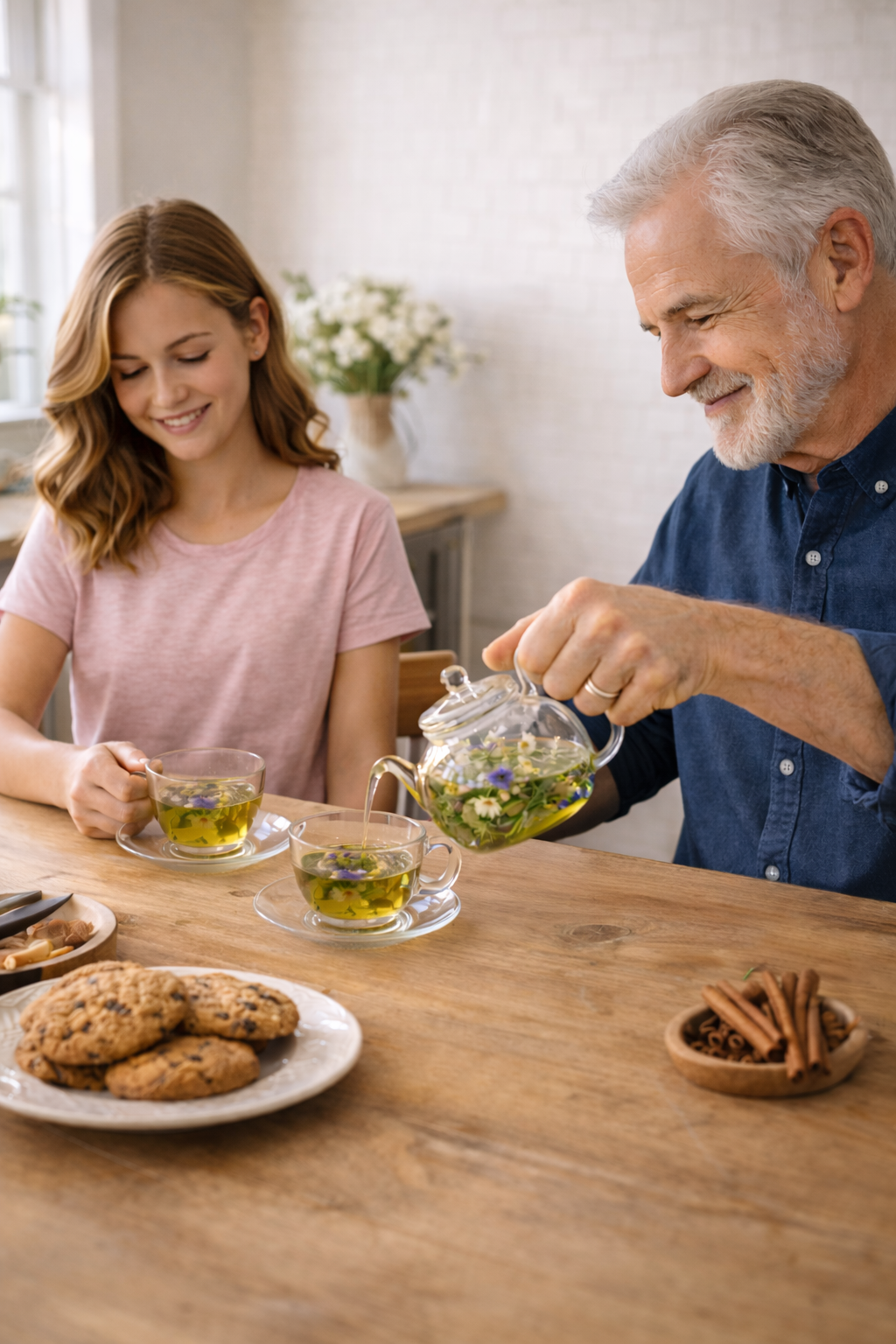
Herbal Teas
Spearmint tea is widely enjoyed as a daily herbal infusion. Traditionally prepared from fresh or dried leaves, it produces a sweet, smooth cup with a mild cooling finish.
Historically, spearmint tea has been used as an after-meal beverage or as a gentle, uplifting drink throughout the day. It blends especially well with herbs such as chamomile, lemon balm, rose, fennel, or green tea.
Our Current Relationship With This Plant
Spearmint is one of the most generous plants on the farm. It grows with enthusiasm, asks for little, and offers abundance in return. We appreciate its friendliness—both in the garden and in use—and its ability to be present without overwhelming. Like all mints, it reminds us to tend boundaries thoughtfully while enjoying the gifts of plenty.
Learn more about how we grow and harvest our herbs.
Typical Availability
Spring, Summer & Fall: Fresh spearmint
Year-round: Dried spearmint
Form: Fresh leaf, dried leaf
Plant Starts: Possibly available in the spring
Visit our Farm Products page for current availability.
A Gentle Reminder
Spearmint is generally considered gentle and suitable for frequent use, but individual sensitivities can vary. While milder than peppermint, large amounts may still feel stimulating for some people. As with all herbs, moderation and personal awareness are key.
Information here reflects traditional use, observation, and personal experience, shared for educational purposes. How a plant is used —or whether it’s appropriate for you— can vary. Please be mindful of allergies. Research individual herbs thoroughly and consult a qualified professional when needed.