
Herbal Profile
Cherry Plum Blossoms
Prunus cerasifera
Family: Rosaceae (Rose family)
Also known as: Myrobalan plum, flowering plum
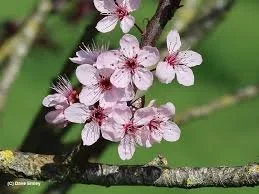
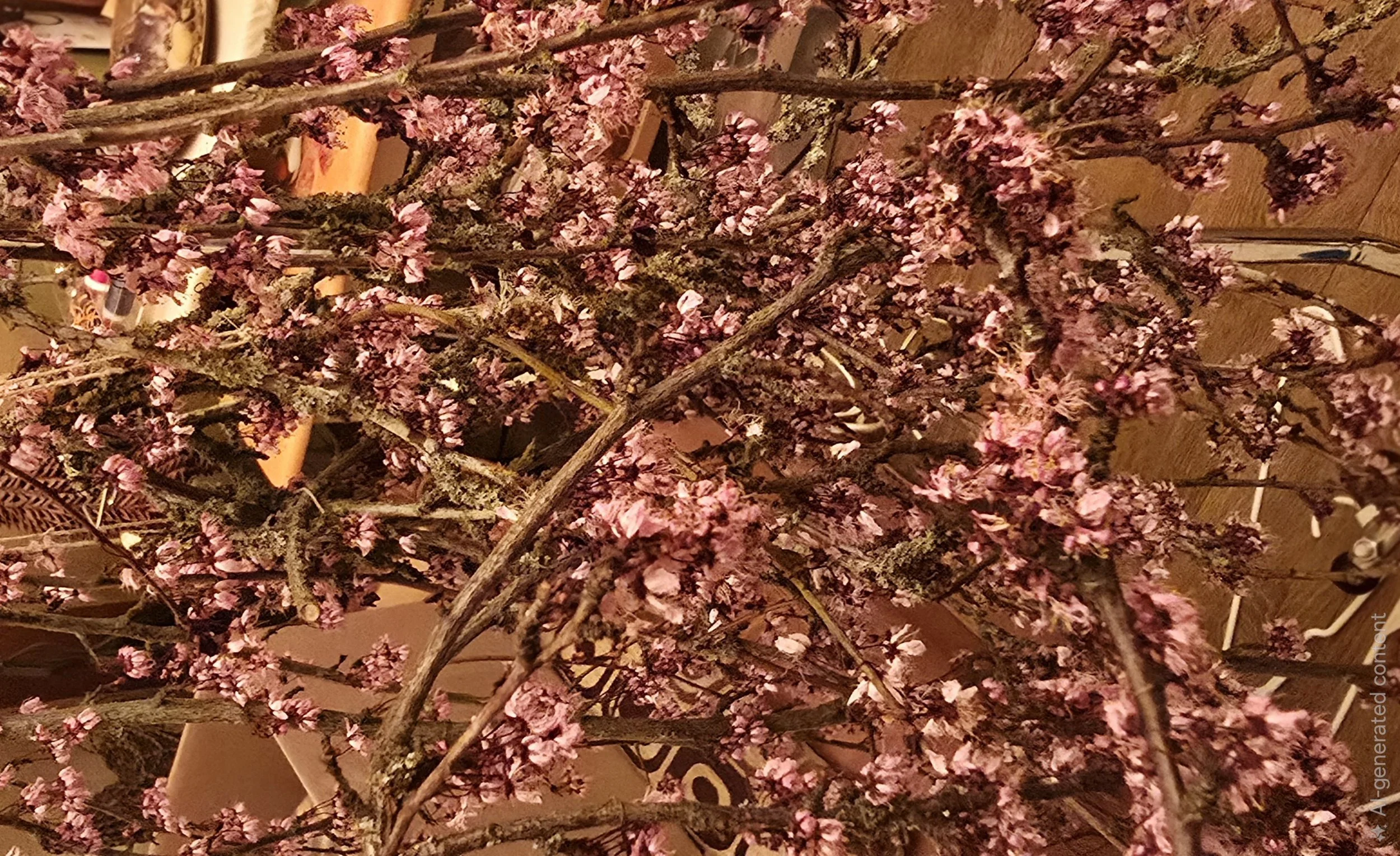
At a Glance
Cherry plum is a deciduous flowering tree known for its early spring blossoms, which appear in soft shades of white or pale pink before the leaves fully emerge. Often planted as an ornamental, it is one of the first trees to bloom, offering an important seasonal signal for pollinators and people alike. The flowers and young branches have been appreciated in Culinary, Artistic, and Metaphysical / Spiritual traditions, while the tree as a whole holds symbolic associations with renewal, beauty, and fleeting moments.
Read to the end for all details.
Cherry plum is valued more for its seasonal beauty and gentle sensory qualities than for strong herbal applications. Common uses are described below.
Traditional & Common Uses
-

Culinary
Cherry plum blossoms are occasionally used as a fresh or dried edible garnish, bringing a delicate floral note to salads, desserts, syrups, and infused sugars. Their flavor is subtle and lightly sweet, often used more for visual beauty than for strong taste.
-
Medicinal
Cherry plum is not widely used in traditional Western herbalism in the same way as some other members of the rose family. However, its Flowers are occasionally included in gentle infusions for their mild, calming presence, though not typically relied upon as a primary medicinal herb.
-
Metaphysical/Spiritual
Cherry plum blossoms carry strong symbolic meaning across cultures, especially as one of the earliest blooming trees. Renewal & Ephemeral Beauty: Represents the fleeting nature of life and beauty. Often associated with early spring awakening. Hope & Emotional Softening: Blossoms are sometimes used in seasonal rituals or altar displays. Associated with gentleness, emotional openness, and new beginnings. Threshold Energy: Blooming before full leaf-out, cherry plum sits at the edge of seasons — often symbolizing transition, possibility, and emergence. Blooming branches in bloom may be brought indoors as part of seasonal celebrations, marking the shift from winter to spring.
-
Artistic / Crafting
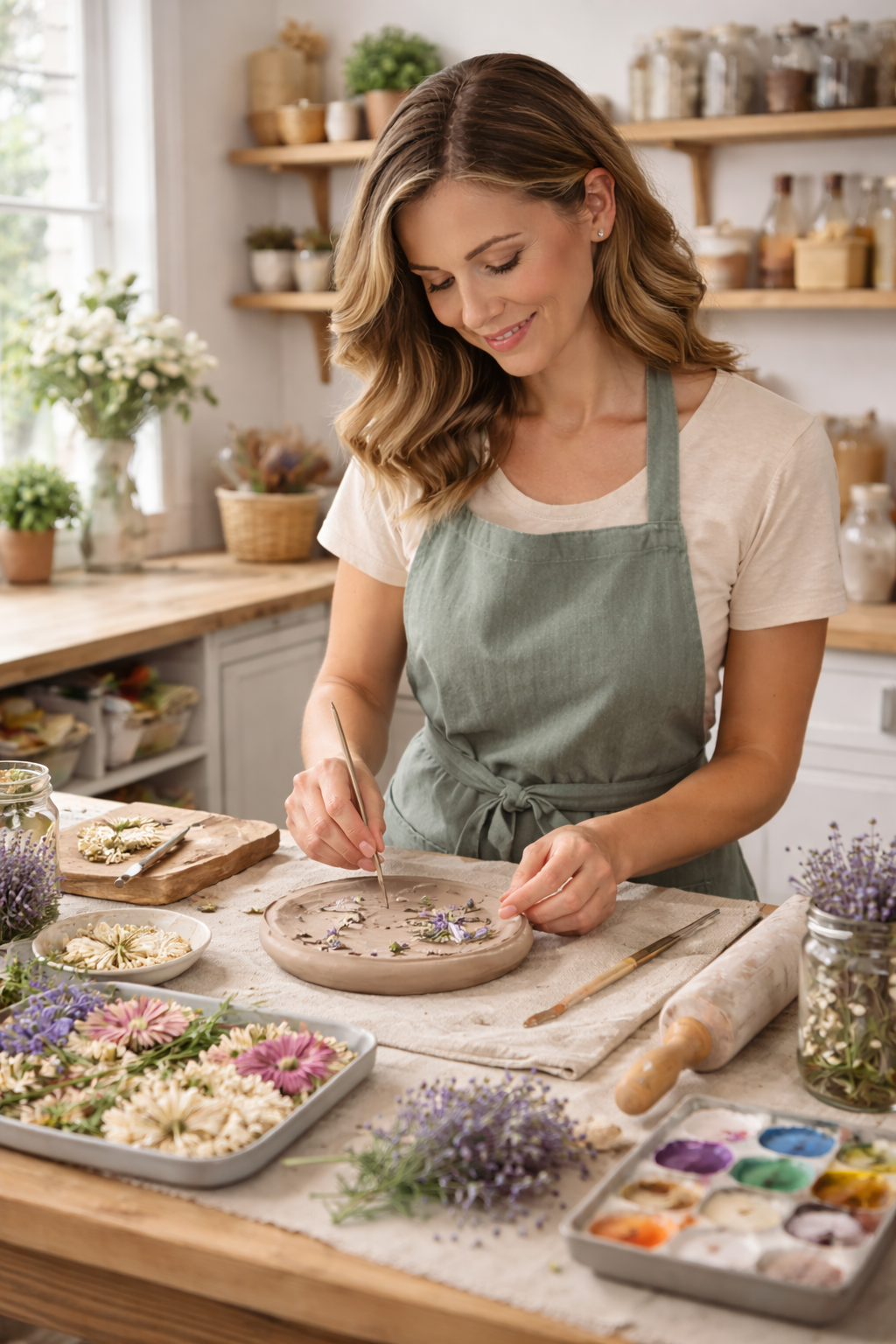
Cherry plum is especially valued for its visual and seasonal beauty. Flowers: Pressed for botanical art; Used in spring arrangements; Included in nature journaling or ephemeral displays. Branches: Cut branches forced into bloom indoors; Used in seasonal décor or ceremonial arrangements; Provides elegant structure in floral design.
-

Cosmetic
Cherry plum flowers are occasionally been used in gentle, aromatic preparations such as Floral-infused waters, Light oils or bath blends. These uses are typically subtle and sensory, emphasizing fragrance and experience rather than strong topical effects.
-
Herbal Teas
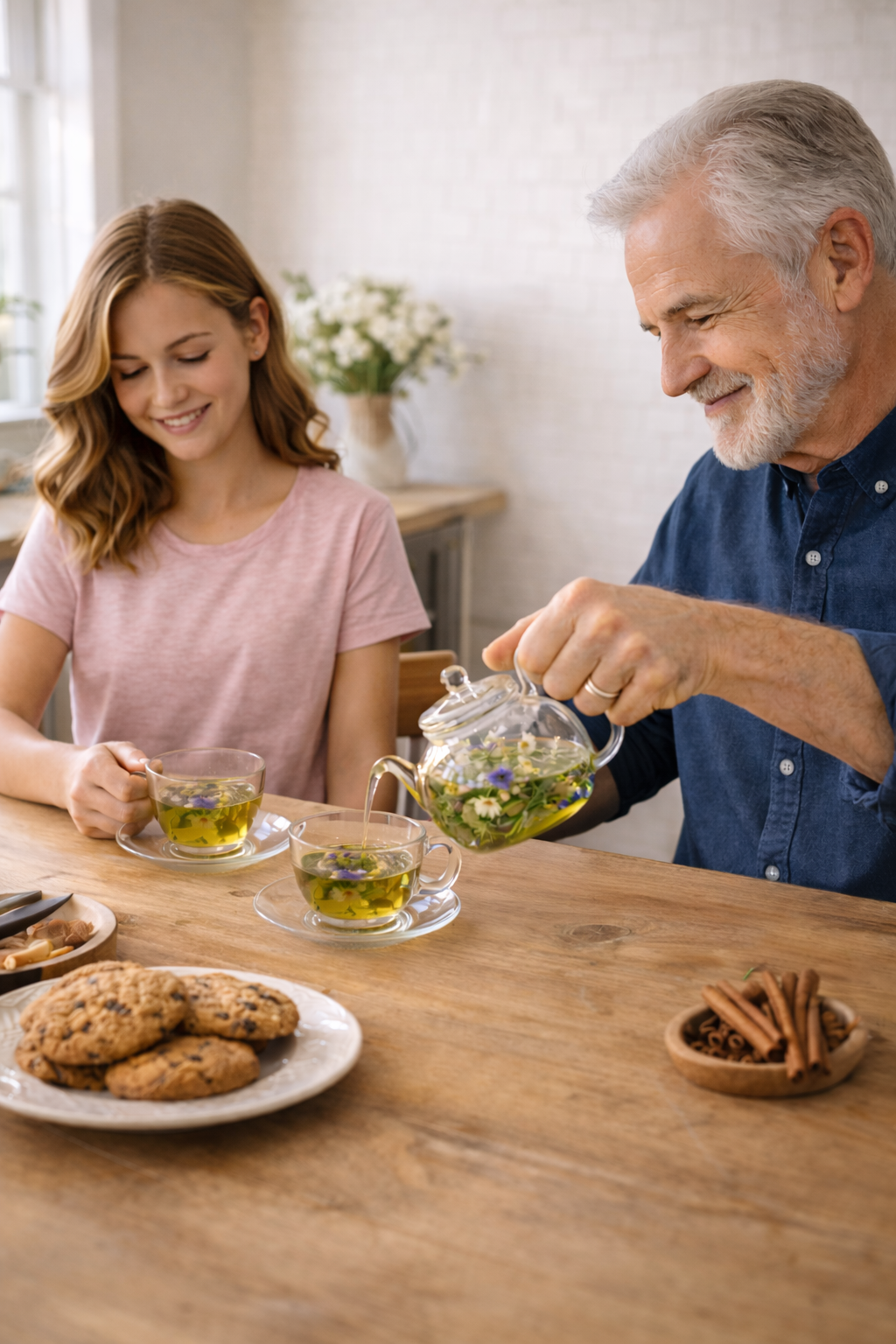
Cherry plum blossoms can be used as a light floral infusion. Flavor Profile: Delicate, mildly sweet, softly floral. Use: Best blended with other gentle herbs such as rose, chamomile, or lemon balm. Rarely used as a standalone tea due to its subtlety.
Cherry plum tea is more about experience and seasonality than strong flavor or function.
Our Current Relationship With This Plant
Cherry plum serves as like a seasonal marker on the farm — one of the first signs that winter is loosening its hold. The blossoms arrive quietly but unmistakably, drawing pollinators and attention at a time when little else is in bloom.
Learn more about how we grow and harvest our herbs.
Typical Availability
Early Spring: Fresh blossoms, flowering branches
Year Round: Limited dried blossoms (as available)
Visit the Shop Cherry Plum Blossoms page for current availability.
A Gentle Reminder
DISCLAIMERS & CAUTIONS
Information here reflects traditional use, observation, and personal experience, shared for educational purposes. How a plant is used —or whether it’s appropriate for you— can vary. Please be mindful of allergies. Research individual herbs thoroughly and consult a qualified professional when needed.
INDEX:
edible garnish, delicate floral note, salads, desserts, syrups, infused sugars, lightly sweet, visual beauty, mild, calming, renewal, ephemeral beauty, beauty, spring awakening, Hope, emotional softening, seasonal rituals, altar displays, gentleness, emotional openness, new beginnings, threshold energy, transition, possibility, emergence, seasonal celebrations, botanical art, nature journaling, ephemeral displays, cut branches, ceremonial, floral design, aromatic preparations, floral-infused waters, light oils, bath blends, subtle flavor, sensory, fragrance