
Herbal Profile
Daffodil
Botanical name: Narcissus spp.
Family: Amaryllidaceae
At a Glance
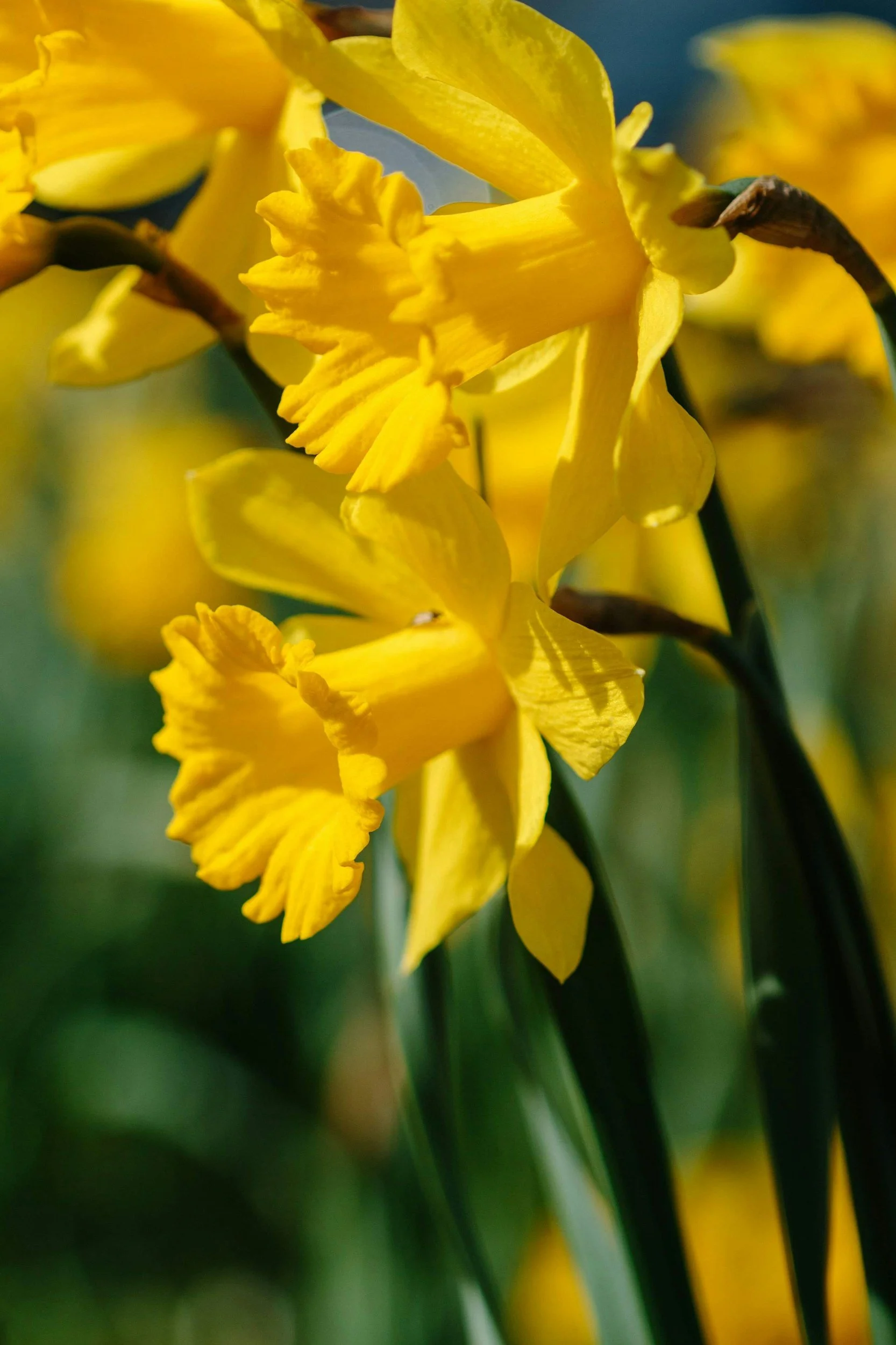
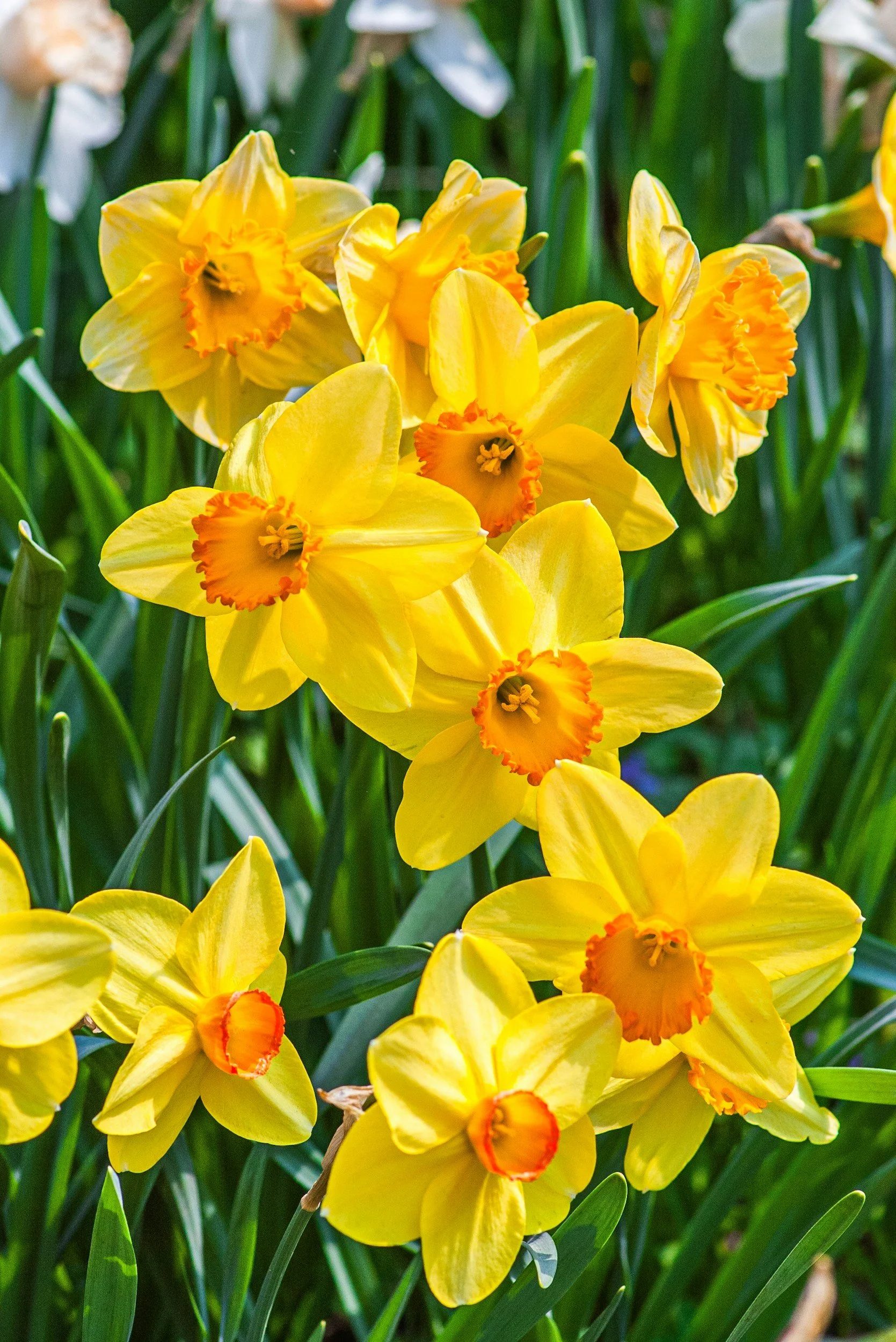
Daffodil is a spring-blooming perennial bulb known for its bright trumpet-shaped flowers and early seasonal presence. Emerging at the threshold between winter and spring, it has long symbolized renewal, resilience, and the return of light. Primarily valued as an ornamental plant, daffodil holds cultural and mythological significance across regions. The bulb, leaves, and flowers contain distinct chemical properties that require careful handling and are not suited for culinary use. Daffodil is most commonly associated with Medicinal, Metaphysical/ Spiritual, and Artistic/Crafting uses.
Read to the end for all details.
Plant Parts & Traditional Understanding
Bulb: the most chemically concentrated part of the plant, it contains alkaloids (including lycorine), historically studied in pharmaceutical contexts. The bulb is toxic if ingested and should never be used in teas, tinctures, or culinary preparations. In symbolic language, the bulb represents stored potential — life held quietly underground until conditions are right.
Leaves: long and strap-like, they emerge early in the season. Leaves are toxic if ingested. Energetically, the leaves reflect upward growth and directed energy — the movement from dormancy toward expression.
Flowers: the most recognized and symbolically significant part of the plant. They are used decoratively, as whole flowers or petals, and sometimes floated in ritual water (not for consumption). The flowers are not edible. Though less concentrated than the bulb, the flowers may cause digestive distress if consumed. Symbolically, the bloom represents self-expression, creative awakening, and hope after hardship.
Common uses are described below.
-
Medicinal
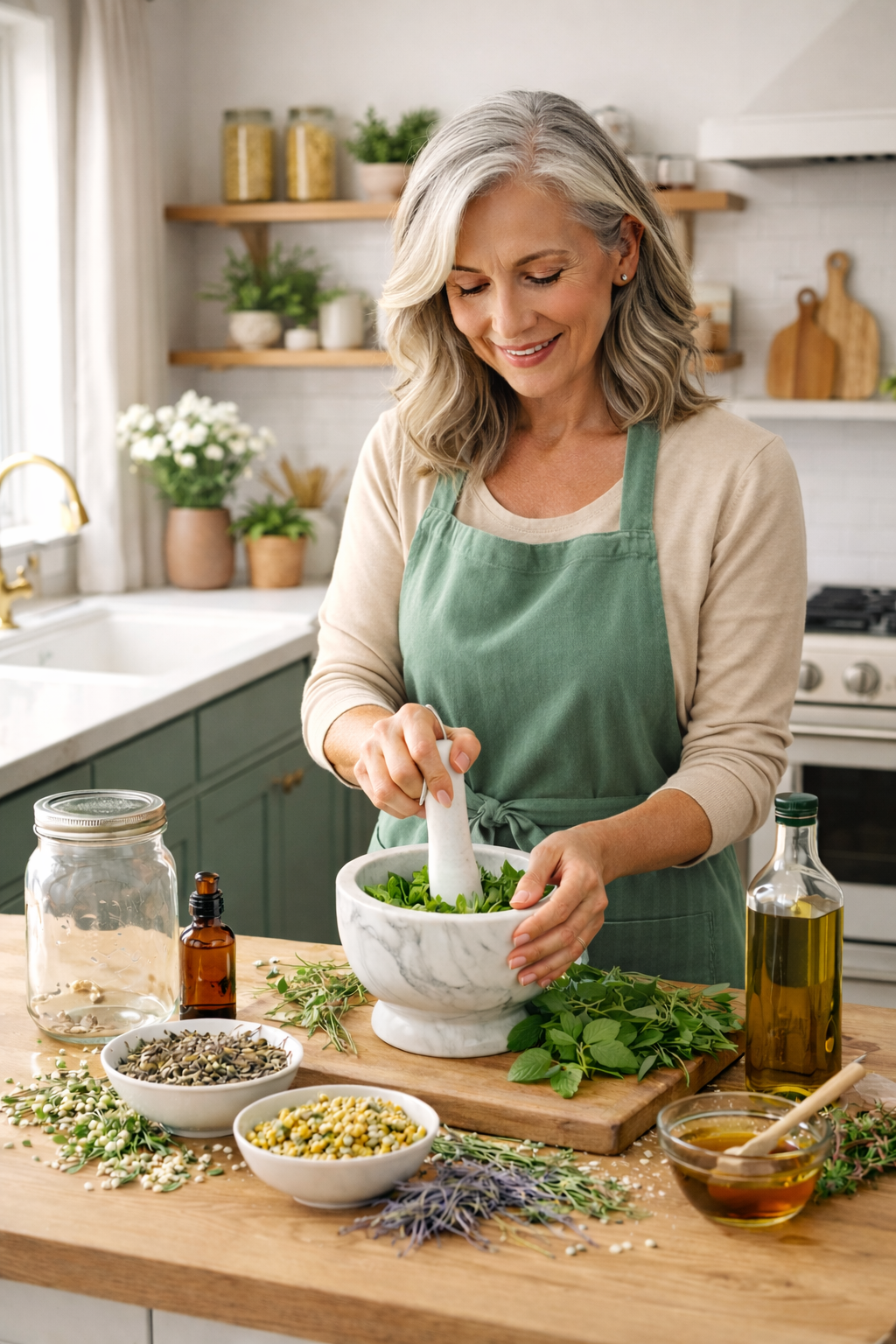
Daffodils possess potent medicinal properties, primarily due to alkaloids like galantamine and lycorine, used to treat Alzheimer’s disease, induce vomiting, and potentially combat cancer. Traditionally, they were used for treating respiratory issues, wounds, and pain; however they are highly toxic and can cause severe illness.
Daffodil is not used in modern folk herbal practice due to its toxicity. Certain compounds isolated from specific Narcissus species have been studied in controlled pharmaceutical settings, but this falls well outside traditional or home use.
-
Metaphysical/Spiritual
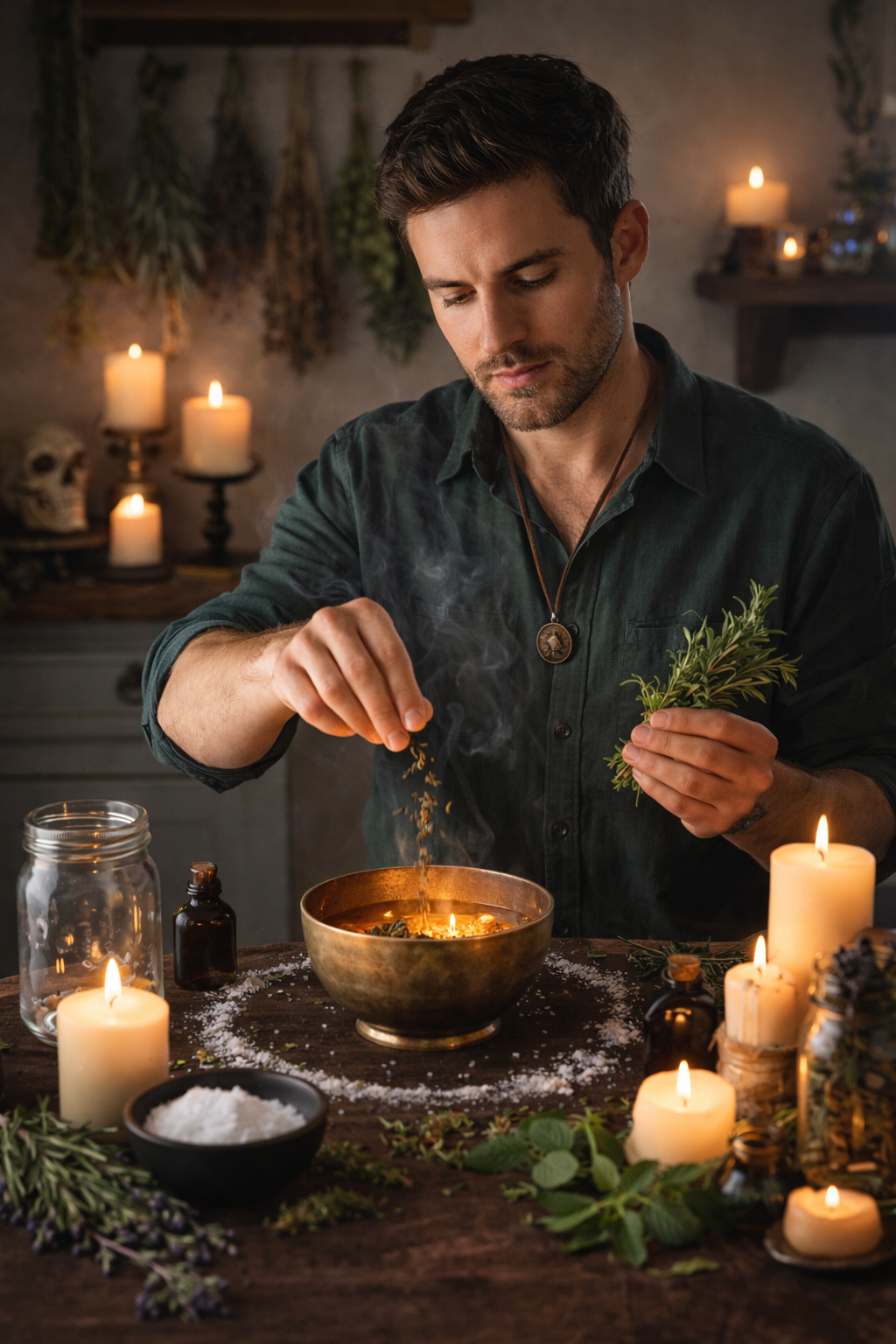
Daffodil carries strong springtime symbolism and is often associated with Renewal & Rebirth, Seasonal transition, Emerging from darkness, Personal growth cycles, Self-Worth & Boundaries, Healthy self-regard, Emotional boundaries, Knowing one’s own light, Hope & Forward Motion.
Daffodil blooms early and boldly, making it a symbol of courage in uncertain seasons. They are associated with good fortune, prosperity, and joy, often used to signify positive life changes, creativity, and inner reflection. They are also used for protection and clearing negative energies.
In ritual practice, daffodil is typically used symbolically — placed on altars, included in seasonal décor, or planted intentionally — rather than consumed.
-
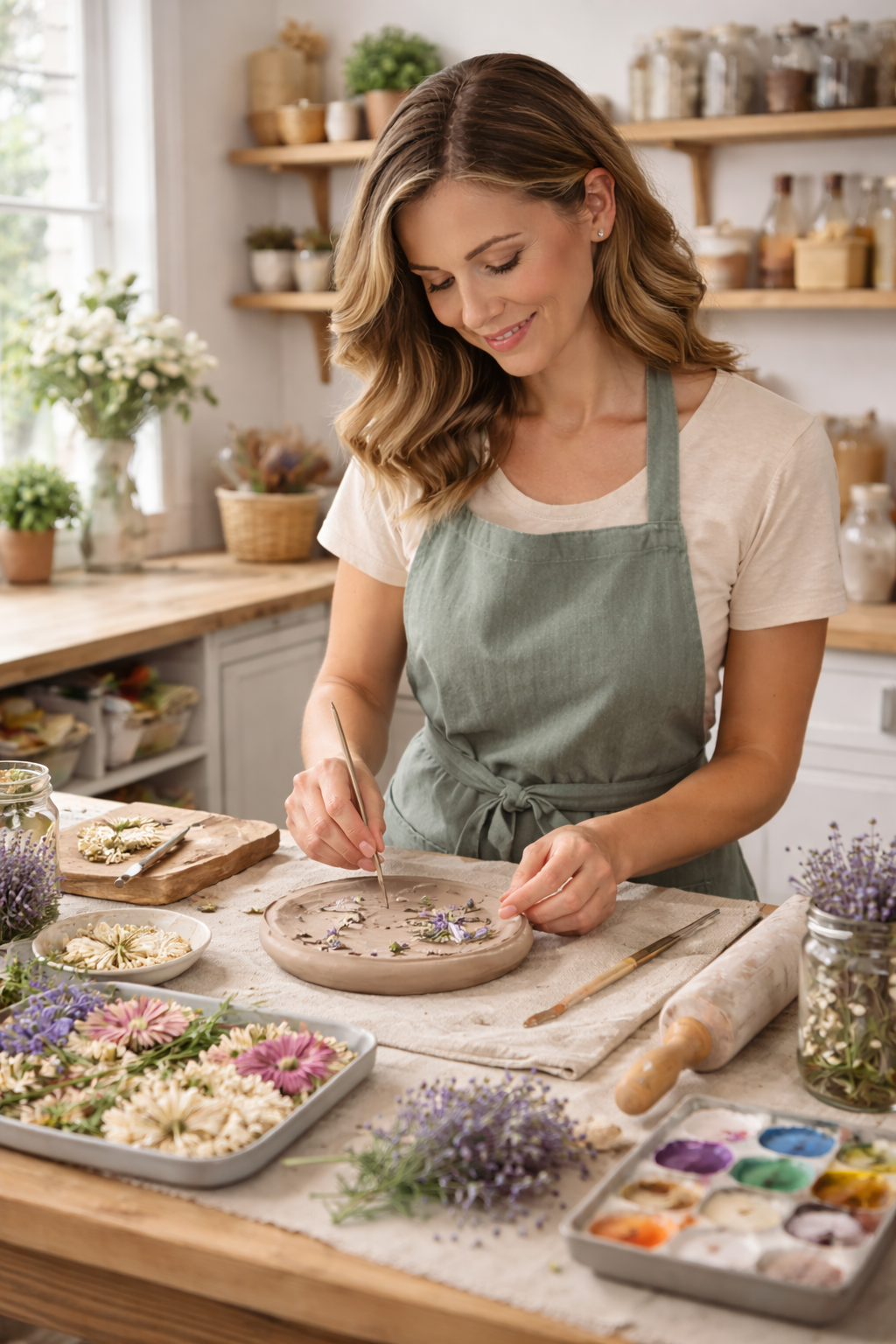
Artistic / Crafting
Daffodils are frequently used in Spring garden design, pollinator support (early nectar source), and cut flower arrangements. The bright yellow petals are added to craft projects.
Our Current Relationship With This Plant
On the farm, daffodils mark transition. They are a visible sign that the quiet work beneath the soil has been meaningful. We value them as seasonal messengers that sunnier days are coming.
Learn more about how we grow and harvest our herbs.
Typical Availability
Spring & Summer: small amounts of fresh-cut flowers
Year-round: dried flowers and petals
Plant Starts: Possibly available in the spring
Visit the Shop Daffodil page for current availability.
A Gentle Reminder
All parts of daffodil are toxic if ingested, especially the bulb. Symptoms may include nausea, vomiting, abdominal pain, and skin irritation.
Do not use in teas or culinary preparations.
Keep bulbs away from pets and livestock.
Wear gloves when handling bulbs if you have sensitive skin.
This plant is best appreciated visually and symbolically rather than consumed.
Information here reflects traditional use, observation, and personal experience, shared for educational purposes. How a plant is used —or whether it’s appropriate for you— can vary. Please be mindful of allergies. Research individual herbs thoroughly and consult a qualified professional when needed.
INDEX:
alkaloids, galantamine, lycorine, Alzheimer’s disease, induce vomiting, cancer, respiratory, wounds, pain, toxic, cause severe illness, springtime, renewal, rebirth, seasonal transition, emerge from darkness, personal growth cycles, self worth, boundaries, healthy self-regard, emotional boundaries, hope, forward motion, yellow, courage, good fortune, prosperity, joy, positive life changes, creativity, inner reflection, protection, clearing negative energy