
Herbal Profile
Dandelion
Taraxacum officinale
Family: Asteraceae (Daisy family)
Also known as: Lion’s tooth, blowball
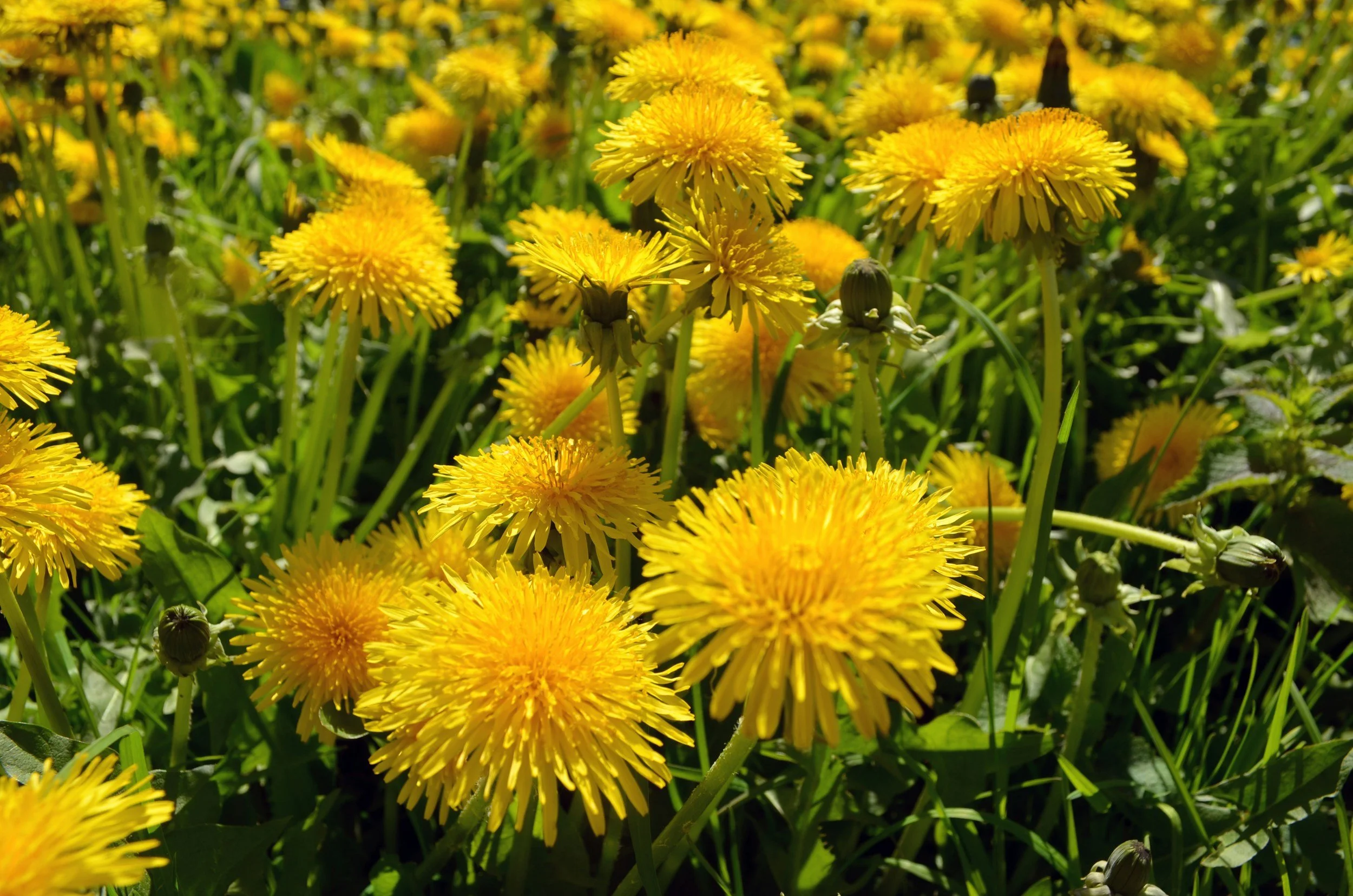
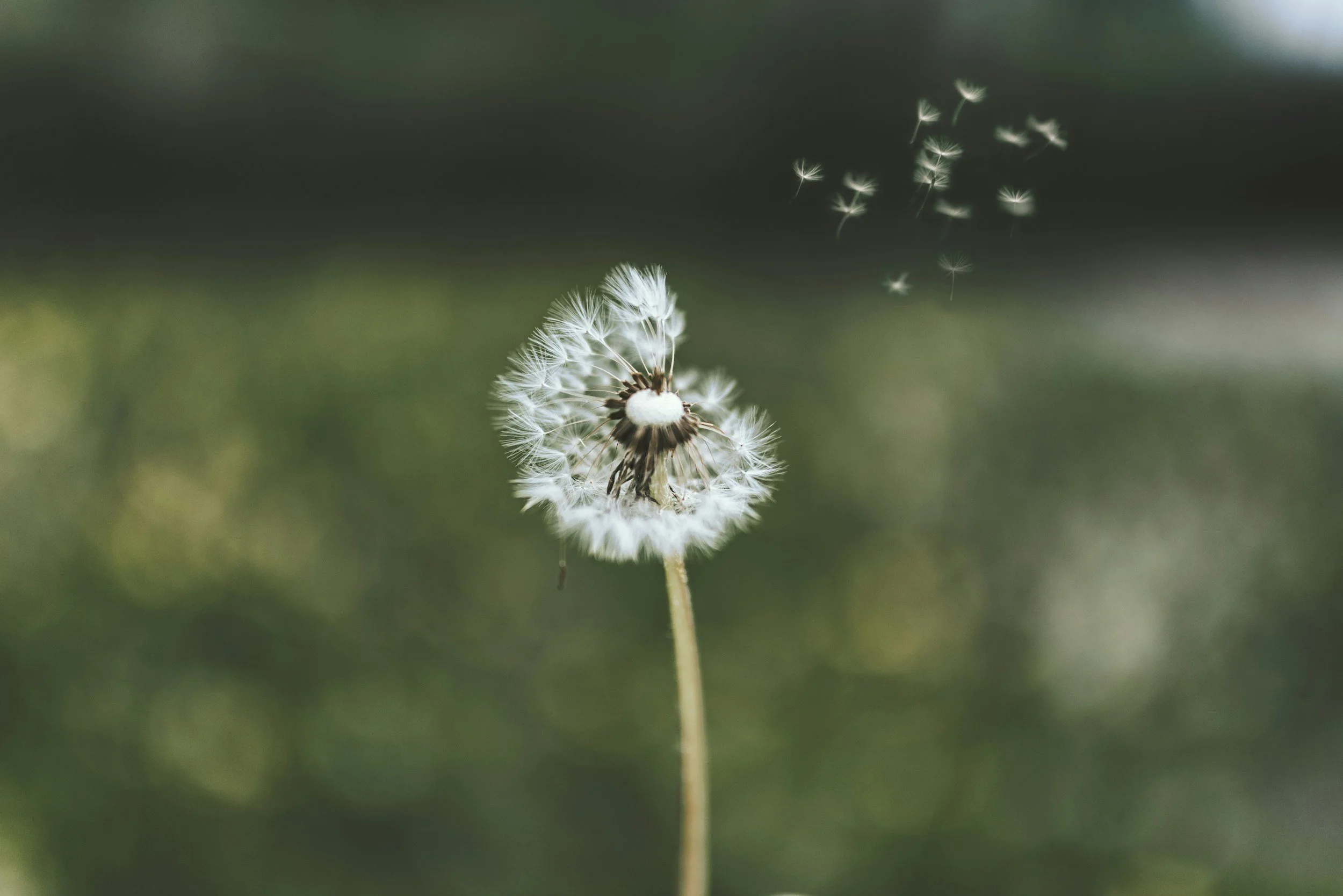
At a Glance
Dandelion is a hardy perennial plant known for its bright yellow flowers, deeply toothed leaves, and resilient root system. Found across fields, gardens, and disturbed soils, it has a long history of use in culinary and home herbal traditions. Nearly every part of the plant—leaf, flower, and root—has been used in distinct ways, making dandelion one of the most versatile and widely recognized plant allies.
Dandelion is commonly associated with Culinary, Medicinal, Metaphysical/ Spiritual, Cosmetic, Artistic/Crafting and Herbal Tea uses.
Read to the end for all details.
Dandelion is valued across cultures as a plant of nourishment, resilience, and seasonal transition. Its uses vary depending on the part of the plant and the time of harvest, as described below.
Traditional & Common Uses
-

Culinary
Leaves:
Dandelion greens have long been used as a nutrient-rich bitter green. Traditionally eaten fresh in salads or lightly cooked, they are often harvested young in early spring when their flavor is milder.Flowers:
The bright yellow flowers have been used in: Fritters and baked goods, Infused syrups, jellies, and wines, Garnishes for spring dishes. They bring a mild sweetness and солне presence to culinary preparations.Roots:
Dandelion root has been: Roasted and used as a coffee-like beverage, Added to broths or decoctions, Used in traditional tonics. Its flavor deepens with roasting, becoming rich and earthy. -
Medicinal
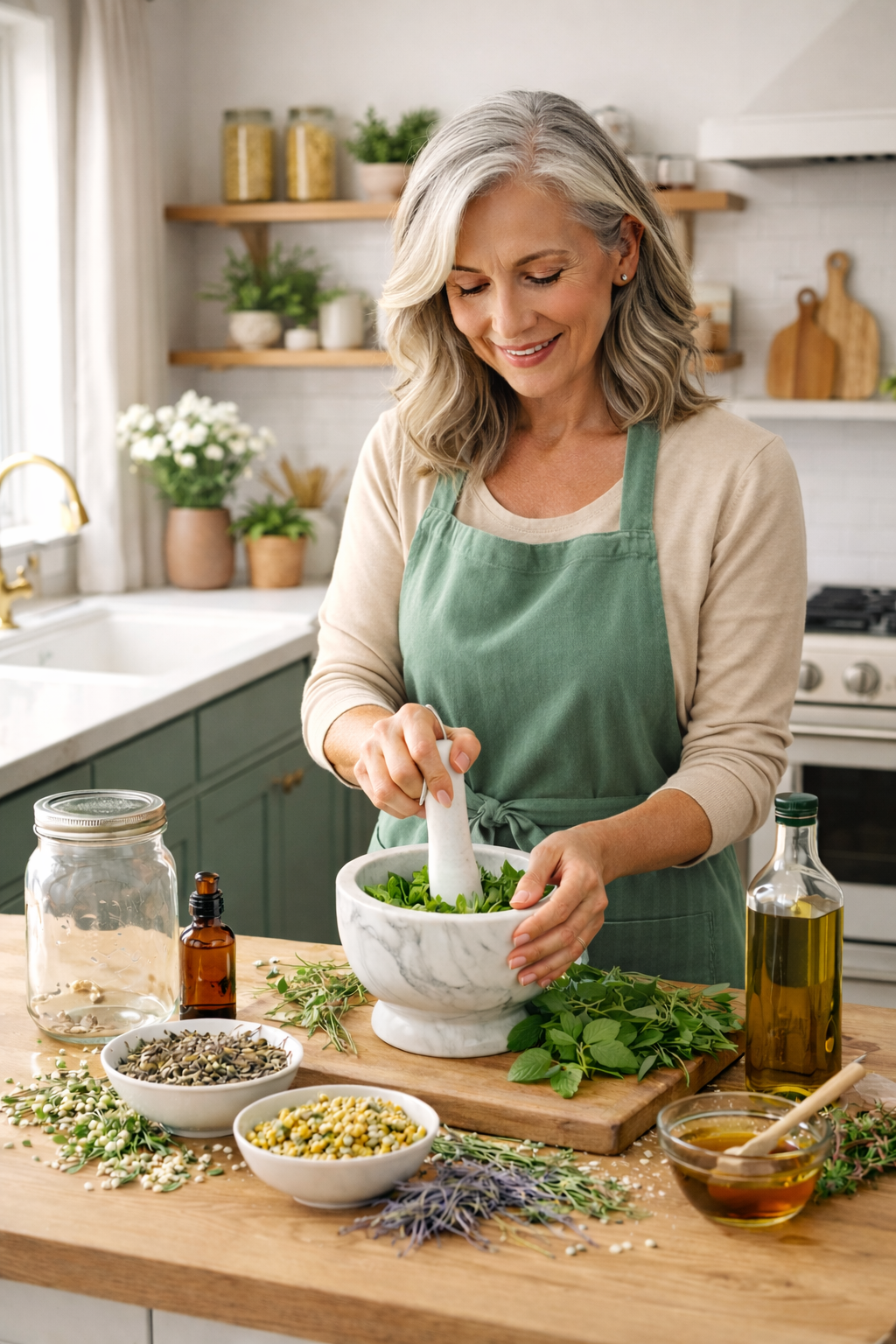
Dandelion has a long-standing place in traditional herbalism, often associated with digestion, seasonal transition, and whole-body support. Each part of the plant has been used differently.
Leaves: Traditionally associated with: Supporting fluid balance, Encouraging gentle cleansing, Serving as a spring tonic. Often used fresh or dried in teas or as food. In addition to internal use, dandelion leaf has also appeared in external preparations such as herbal baths or sitz baths, particularly in postpartum traditions where warm, mineral-rich plant infusions were used to support comfort and recovery. These preparations were typically simple and combined with other soothing herbs.
Flowers: Historically used in: Gentle infusions, Oil infusions for topical use, Preparations associated with skin comfort. They are generally considered mild and supportive. In some traditional home practices, dandelion flowers have been infused into oils or incorporated into salves and washes intended to support minor skin concerns, including rough or irregular areas such as warts. The milky sap inside the flower stem, in particular, is used to treat warts. These uses tend to rely on repeated, gentle application over time rather than immediate results.
Roots: Traditionally valued for: Digestive support, Bitter tonic preparations, Seasonal transition practices. Often prepared as decoctions or roasted for tea.
-
Metaphysical/Spiritual
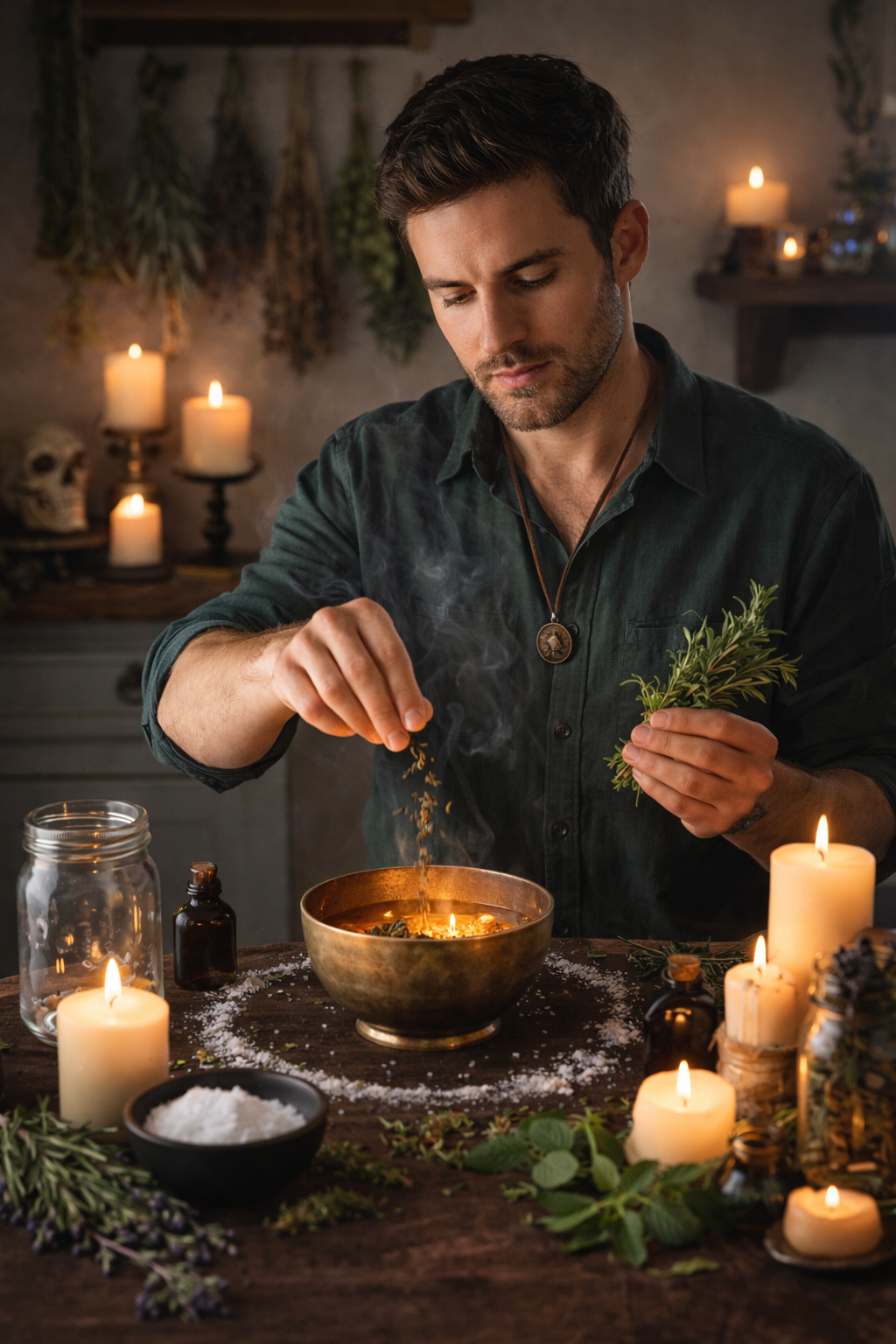
Dandelion carries rich symbolic meaning tied to resilience, transformation, and the cycles of life.
Resilience & Persistence: Thrives in challenging conditions, Symbolizes endurance and adaptability.
Wish & Intention Work: Seed heads (blowballs) associated with wishes and sending intentions outward, Represents release and trust.
Solar Energy & Vitality: Bright yellow flowers linked to the sun, Associated with energy, clarity, and life force.
Transition & Threshold Work: Because dandelion moves so visibly through its life cycle — from bright bloom to delicate seed — it has been associated with personal transitions and life cycles.
It may be included in symbolic or seasonal practices that mark: Letting go of old patterns, Moving between life phases, Setting intentions and releasing them, The act of blowing dandelion seeds is often interpreted as a gesture of release, surrender, and trust in what comes next.
-

Artistic / Crafting
Dandelion lends itself to both playful and practical uses.
Flowers for natural dyes (soft yellows).
Seed heads for ephemeral art and seasonal displays. Pressed flowers for botanical work. Inclusion in wildcrafted wreaths and bundles.. Children use the flowers to create simple floral crowns by tying the flower stems together.
Its full life cycle offers visual interest from bloom to seed.
-

Cosmetic
Different parts of dandelion have appeared in traditional topical preparations.
Flowers: Infused into oils and salves, Used for soothing and moisturizing applications. The milky sap in the stems is used to treat warts.
Leaves & Root: Less commonly used cosmetically, though occasionally included in broader herbal preparations..
-
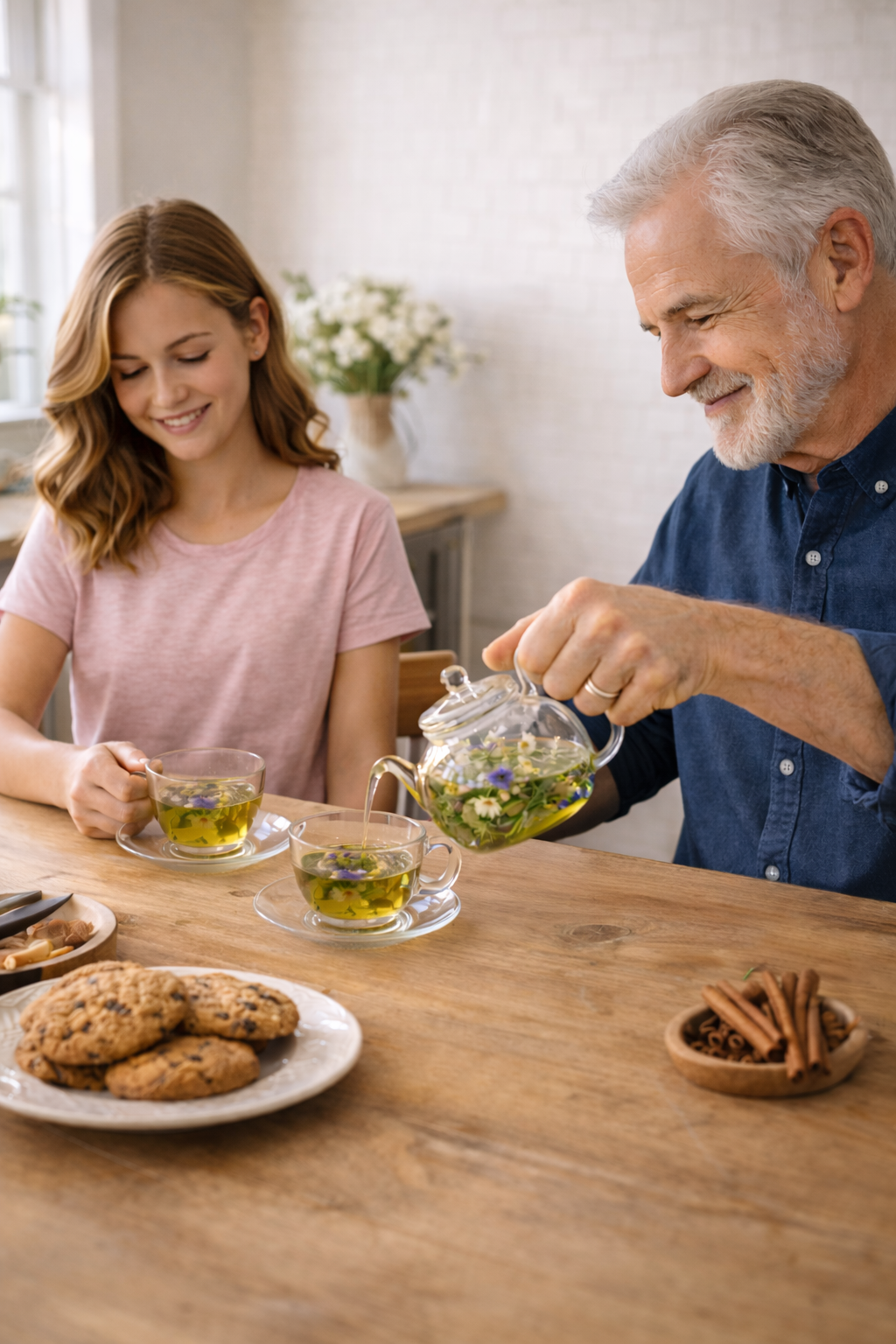
Herbal Teas
Dandelion offers multiple tea experiences depending on the plant part used.
Leaf Tea: Light, slightly bitter, green, Often used in spring blends.
Flower Tea: Mild, soft, slightly sweet, Best blended with other herbs.
Root Tea (Roasted or Raw): Deep, earthy, robust, Often used as a coffee alternative or grounding blend.
Dandelion pairs well with: Nettle and mint (leaf blends), Chamomile or lemon balm (flower blends), Chicory, burdock, or cinnamon (root blends).
Our Current Relationship With This Plant
Dandelion is one of the most familiar and generous plants on the farm, appearing year after year without invitation. Rather than resisting it, we’ve come to see it as a teacher — one that offers nourishment, resilience, and abundance in even the most unlikely places.
Working with dandelion invites a shift in perspective: from weed to ally, from nuisance to resource. It reminds us that some of the most useful plants are the ones closest at hand.
Learn more about how we grow and harvest our herbs.
Typical Availability
Spring: Fresh leaves and flowers
Summer: Fresh flowers
Fall: Fresh and dried roots
Year-round: Dried leaf, flower, and root
Check the Farm Products page for current availability. Visit the Shop Dandelion page for current availability.
A Gentle Reminder
Dandelion is generally considered a gentle and widely used plant, but individual sensitivities are possible. Those with allergies to plants in the Asteraceae family may experience reactions. Dandelion’s bitter qualities may not be suitable to everyone’s tastes.
Information here reflects traditional use, observation, and personal experience, shared for educational purposes. How a plant is used —or whether it’s appropriate for you— can vary. Please be mindful of allergies. Research individual herbs thoroughly and consult a qualified professional when needed.
INDEX:
nutrient rich, bitter greens, salad, bright yellow flowers, baked goods, infused syrup, jelly, wine, garnish, mild sweetness, dandelion root, roasted coffee, broth, decoction, tonic, rich earthy flavor, digestion, seasonal transition, fluid balance, gentle cleansing, spring tonic, herbal baths, sitz bath, postpartum traditions, mineral-rich plant infusions, comfort, recovery, soothing herbs, skin comfort, salves, washes, milky sap, digestive, digestion, bitter tonic, cycles of life, resilience, persistence, challenging conditions situations, endurance, adaptability, wish, wishes, intention work, seed heads, blowballs, release, surrender, trust, solar energy, vitality, bright yellow flowers, sun, clarity, life force, transition, threshold rituals, seasonal practices, let go old patterns, move between life phases, setting intentions, releasing, blowing dandelion seeds, natural dye, ephemeral art, botanical art, wreaths, floral crown, children