
Herbal Profile
Oxeye Daisy
Leucanthemum vulgare
Family: Asteraceae (Aster family)
Also known as: Marguerite, moon daisy, field daisy
Pronounced “OKS-eye DAY-zee”
At a Glance
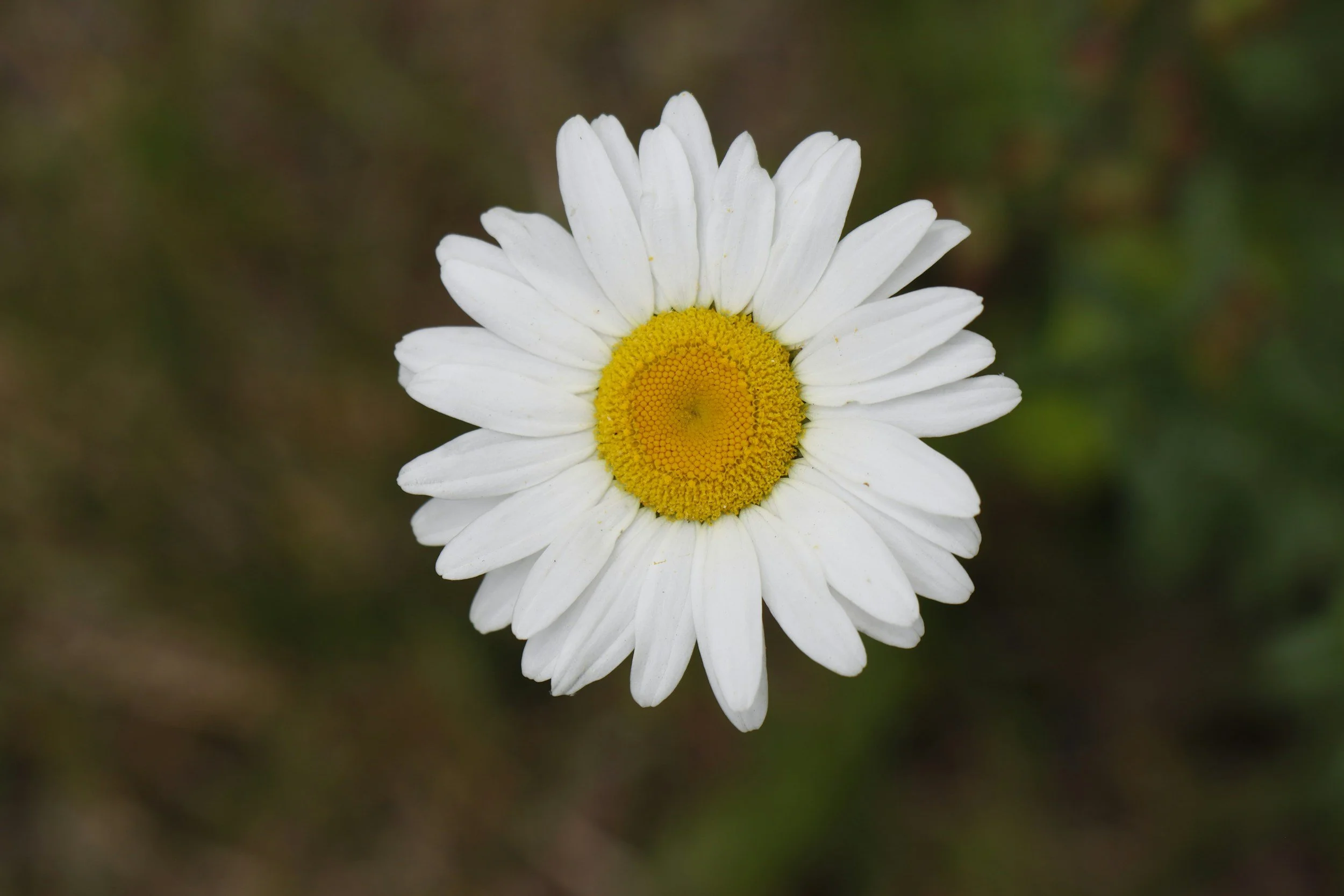
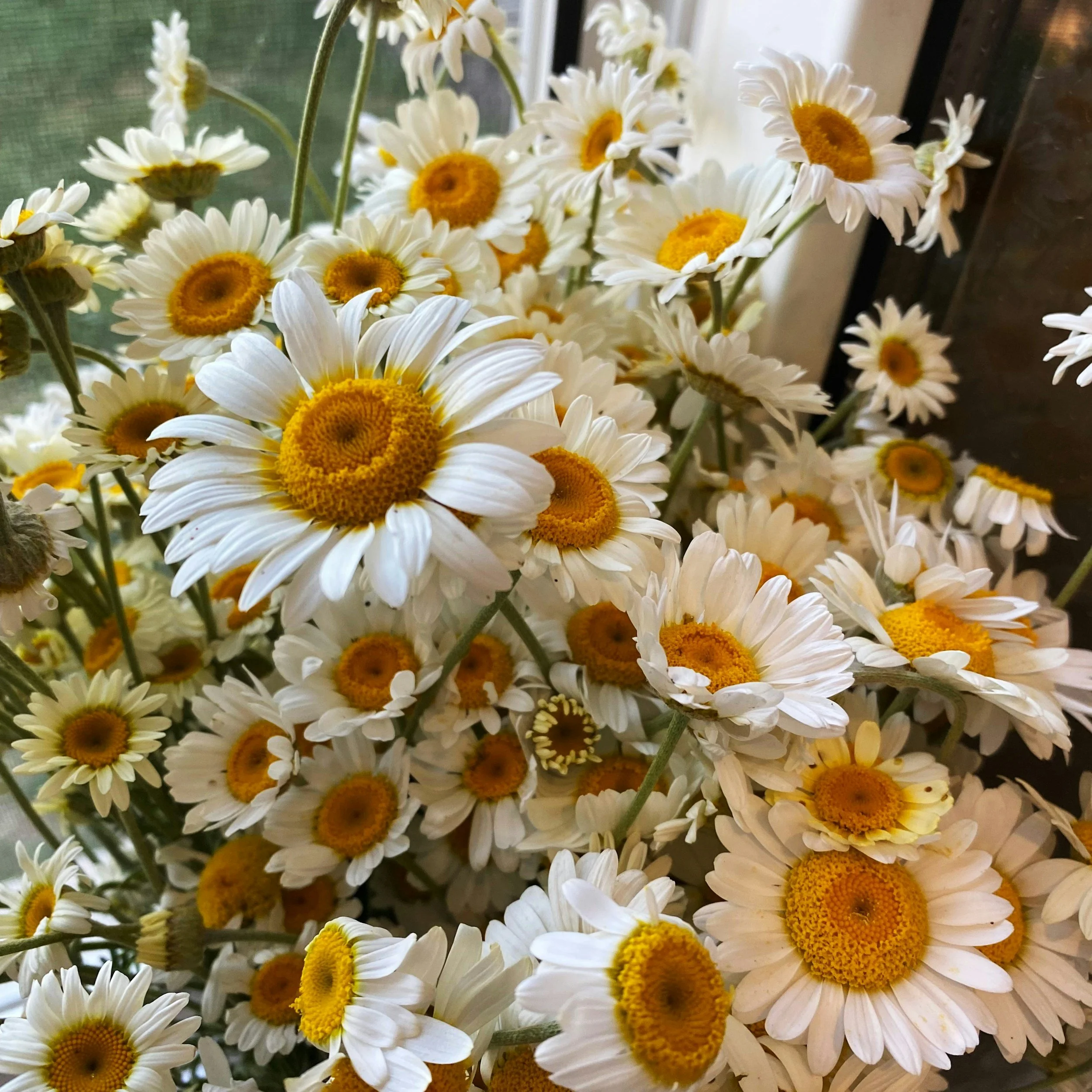
Oxeye daisy is a hardy, herbaceous perennial known for its bright white petals and sunny yellow centers. Common across wild fields, it has been both cherished and contested, valued for its resilience, simplicity, and strong visual presence. Oxeye Daisy is most commonly associated with Medicinal, Metaphysical/Spiritual, and Artistic/Crafting traditions.
Read to the end for all details.
Traditional & Common Uses
Oxeye Daisy has appeared in folk traditions more quietly than showier medicinal plants. It is valued for its availability and symbolism as much as its potency. Common uses are described below.
-
Medicinal
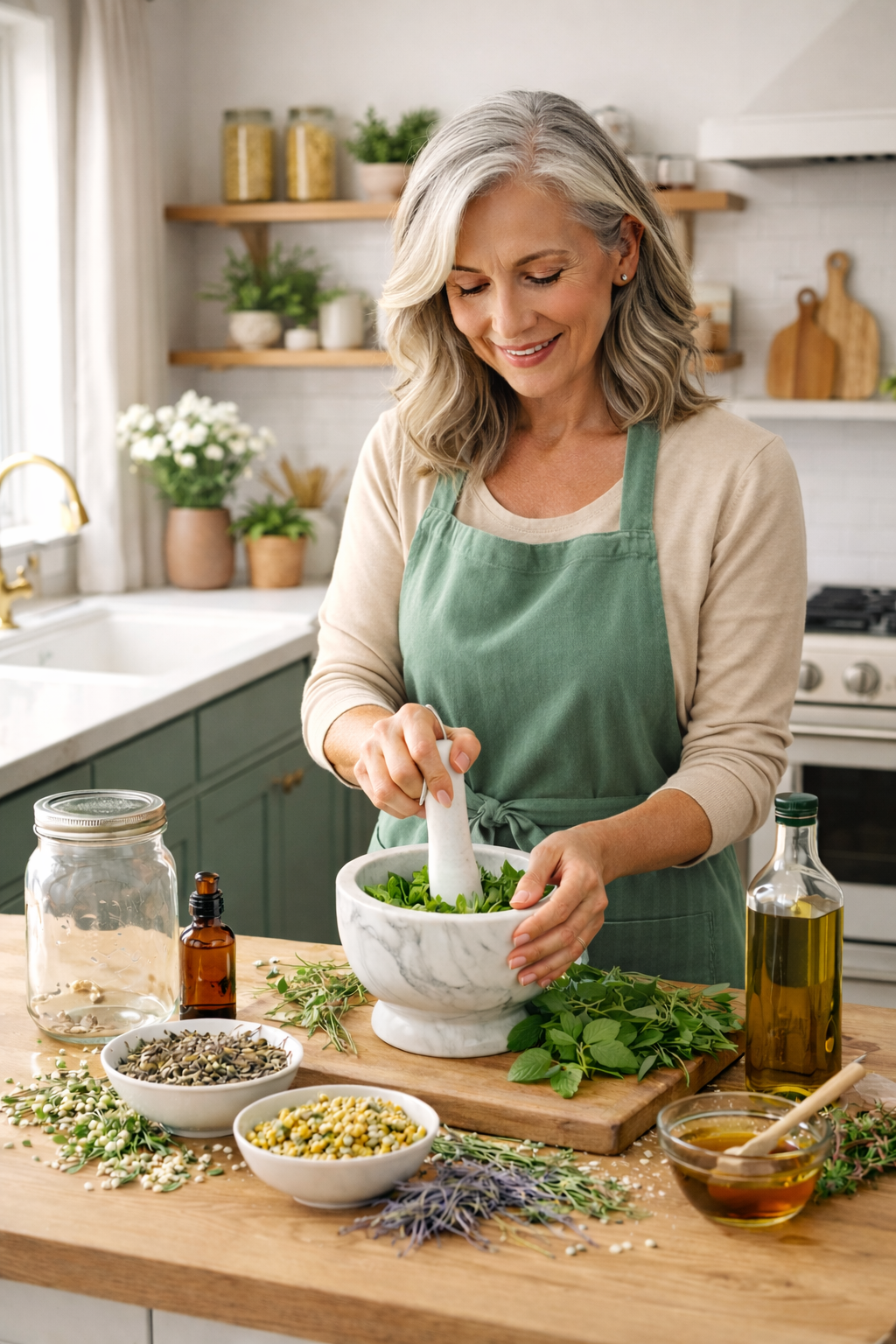
In traditional European folk herbalism, oxeye daisy was used in simple preparations, often as an infusion or external application. It is sometimes used in conjunction with Mullein and other respiratory-support herbs.
Oxeye daisy possesses anti-inflammatory, antispasmodic, anti-bacterial, and diuretic properties. It is traditionally used to treat coughs, asthma, bronchitis, and skin conditions. Often called "bruisewort," its leaves and flowers act as a vulnerary to aid healing of bruises, wounds, and ulcers when applied topically.
-
Metaphysical/Spiritual
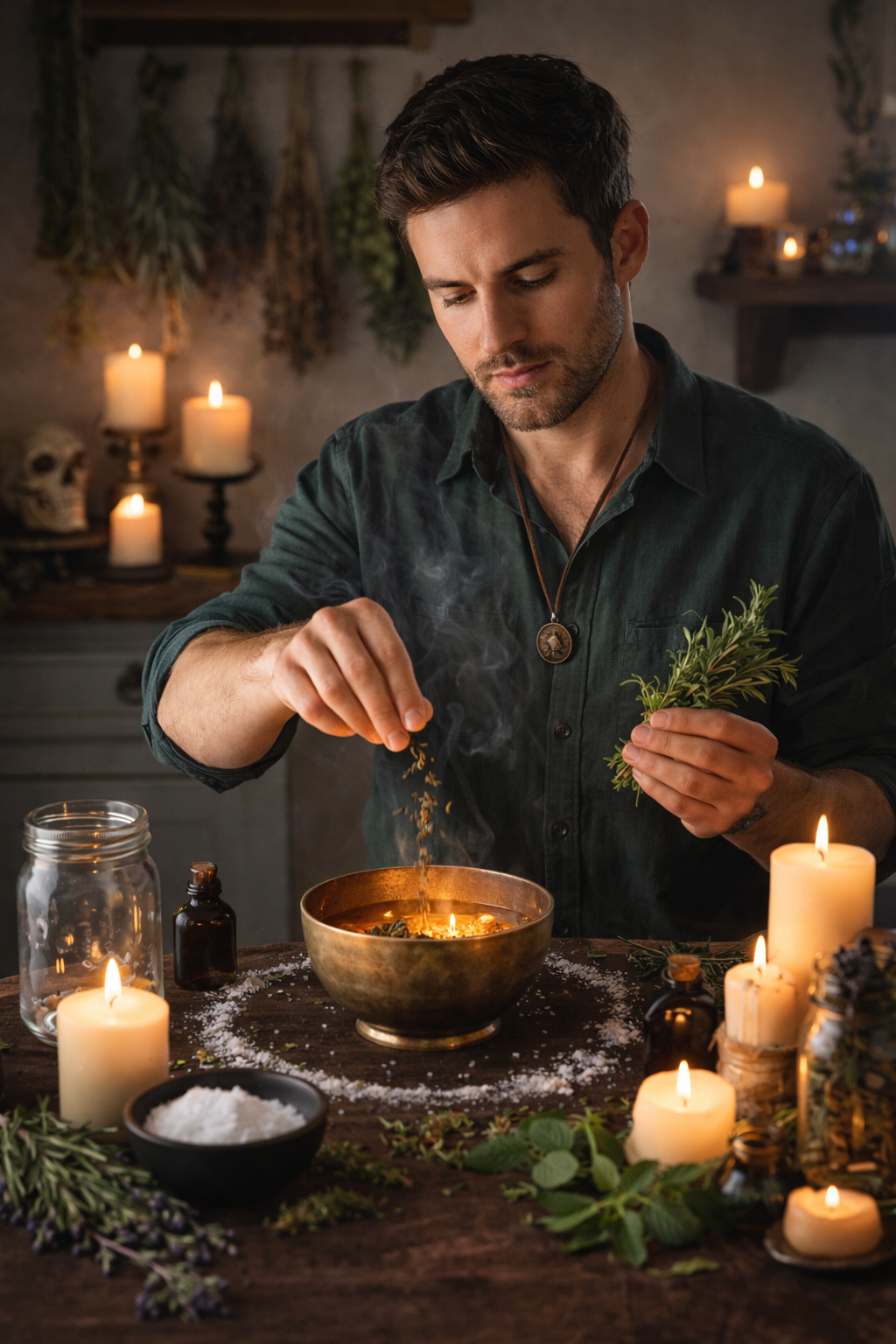
Oxeye Daisy has long been associated with innocence, truth, simplicity, and clarity. In folk symbolism, daisies were often linked to honesty, fresh beginnings, and the unguarded heart.
Magically, oxeye daisy has been used in charms or rituals focused on clarity, truth-telling, and emotional openness. It is sometimes included in divination practices, love inquiries, or simple floral offerings meant to represent sincerity and directness rather than intensity.
-

Artistic/Crafting
With its bold contrast and familiar form, oxeye daisy has been widely used in floral arrangements, wreaths, garlands, and pressed-flower crafts. Its sturdy stems and long-lasting blooms make it especially suitable for summer bouquets and field-style arrangements.
Pressed oxeye daisies are commonly used in paper crafts, journals, and seasonal art projects, where their simple geometry translates well.
-
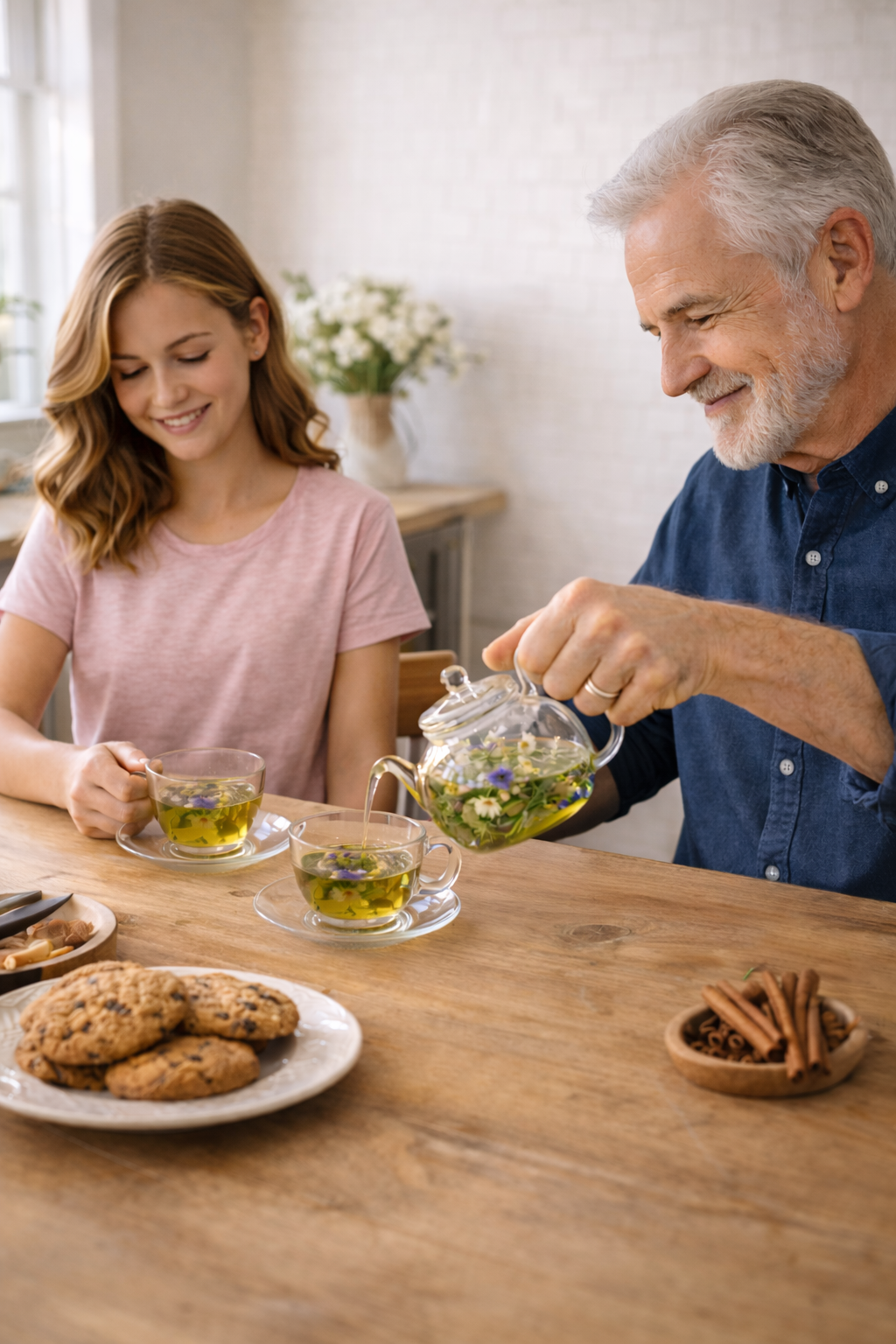
Herbal Teas
Oxeye daisy is used in herbal teas, particularly in traditional medicine to treat respiratory issues, coughs, and digestive problems. The flowers and leaves are brewed into a tea that has a delicate, slightly bitter, or nutty flavor. It is often used to soothe stomach ulcers, act as a mild diuretic, and reduce mucus.
Our Current Relationship With This Plant
Oxeye Daisy is a plant that invites conversation. Its cheerfulness and persistence make it impossible to ignore, and it asks us to look more closely at how we define “usefulness” on the land. On our farm, it represents resilience, adaptability, and the beauty of plants that thrive without asking permission. I look forward to wading through a sea of the beautiful flowers each year as I collect them.
Learn more about how we grow and harvest our herbs.
Typical Availability
Late Spring–Summer: Fresh flowers
Summer–Fall: Dried flower heads
Form: Fresh flower, dried flower
Visit our Farm Products page for current availability.
A Gentle Reminder
Information here reflects traditional use, observation, and personal experience, shared for educational purposes. How a plant is used —or whether it’s appropriate for you— can vary. Please be mindful of allergies. Research individual herbs thoroughly and consult a qualified professional when needed.