
Herbal Profile
Pearly Everlasting
Botanical name Anaphalis margaritacea
Family: Asteraceae (Sunflower family)
Also known as: Western Pearly Everlasting, Life Everlasting, Sweet Everlasting
At a Glance
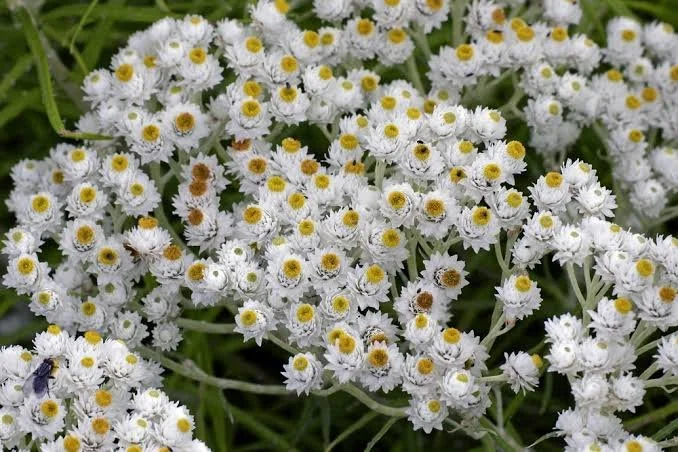
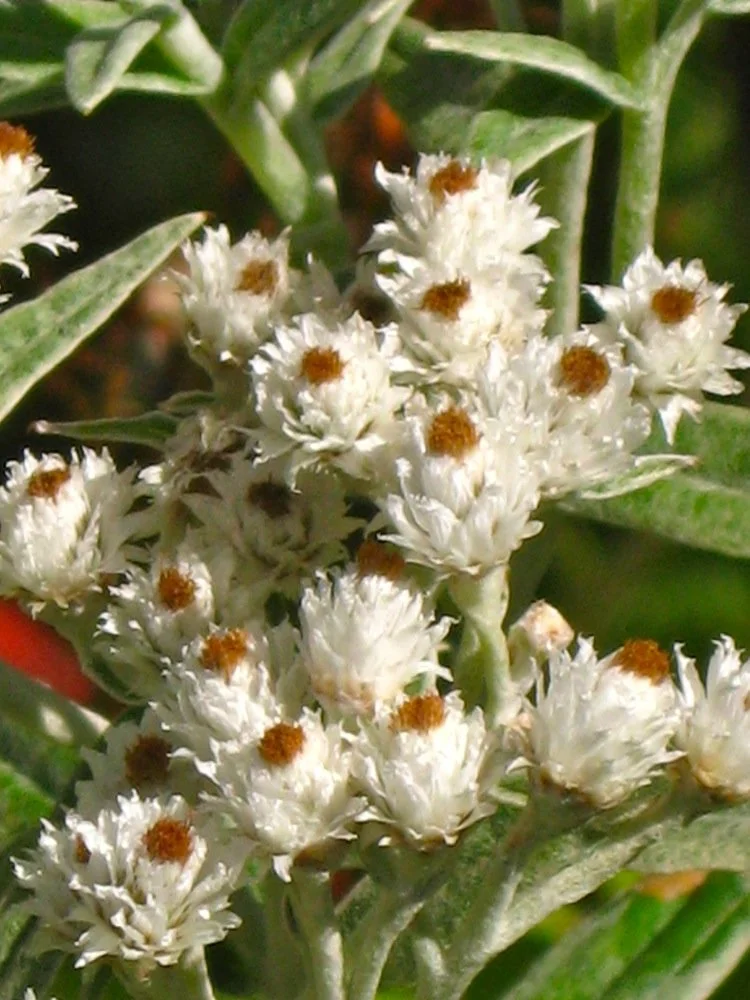
Pearly Everlasting is a hardy perennial wildflower recognized by its soft, silvery-green foliage and clusters of small, pearl-white flowers with golden centers. Its papery blossoms retain their shape and color long after drying, giving the plant its enduring name. Found in open meadows, woodland edges, and disturbed ground, Pearly Everlasting has a history of traditional medicinal, ceremonial, and practical uses. It is most commonly associated Medicinal, Metaphysical/ Spiritual, Cosmetic, Artistic/Crafting and Herbal Tea uses.
Read to the end for all details.
Pearly Everlasting has a long history in North American traditional plant knowledge. As described below, its flowers and leaves have been used in various preparations, while its lasting beauty has made it a natural choice for dried botanical work. The plant invites us to consider the relationship between endurance, renewal, and the quiet usefulness of wild plants.
Traditional & Common Uses
-

Culinary
The young leaves and shoots are edible when cooked, though rarely used as a modern culinary vegetable.
Cooked Greens: The young leaves and tender shoots can be gathered in the spring and cooked, similar to wild greens or potherbs.
Flavoring and Smoking: Historically, Native American groups used the plant (dried blossoms and leaves) as a flavoring agent or mixed it with tobacco for smoking, rather than using it as a primary food source.
-
Medicinal
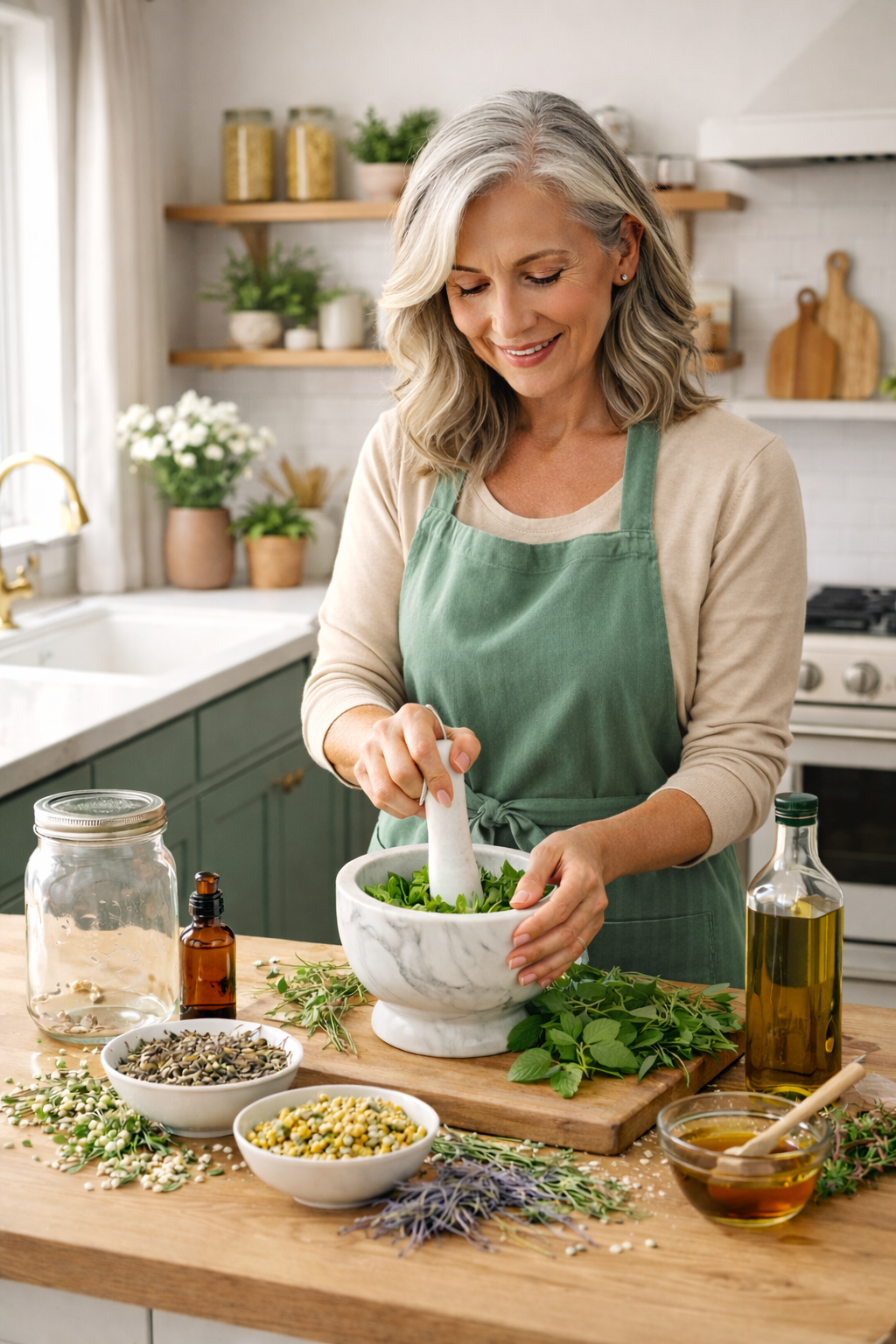
Pearly Everlasting appears in historical accounts of Indigenous North American herbal traditions, particularly in connection with respiratory complaints, digestive troubles, and external applications for bruises, swellings, and irritated skin. Depending on the tradition, preparations included infusions, washes, poultices, and steam. (Modern clinical evidence is limited.)
See the Herbal Tea section for more information about medicinal tea uses.
-
Metaphysical/Spiritual
This plant offers a natural symbol of endurance, remembrance, and continuity. Its flowers hold their shape long after they have been gathered, making them a fitting emblem of what remains when a season has passed.
For a contemporary nature-based practice, it can serve as a reminder of resilience, the preservation of meaningful memories, and the enduring connections between people and the natural world. Dried blossoms may be included in symbolic arrangements, seasonal displays, or contemplative practices centered on perseverance and renewal.
-

Artistic / Crafting
Pearly Everlasting is particularly well suited to dried-flower arrangements and botanical crafts. Its small, papery flower heads retain their appearance after harvesting, offering lasting texture and a soft, neutral color that complements other dried flowers and herbs.
The blossoms can be incorporated into wreaths, bouquets, decorative bundles, pressed botanical displays, and seasonal arrangements. Their pearl-like appearance makes them especially attractive in natural, rustic, and woodland-inspired designs.
-

Cosmetic
Pearly Everlasting has a place in traditional botanical skin care, with its leaves and flowers used in preparations applied externally to the skin. Indigenous North American traditions include the use of poultices for sores, burns, swellings, and other skin complaints.
In a modern herbalist's cosmetic repertoire, Pearly Everlasting is an intriguing botanical to explore for topical preparations such as herbal washes, infused oils, and creams. Its traditional history offers inspiration for natural skin-care formulations.
-
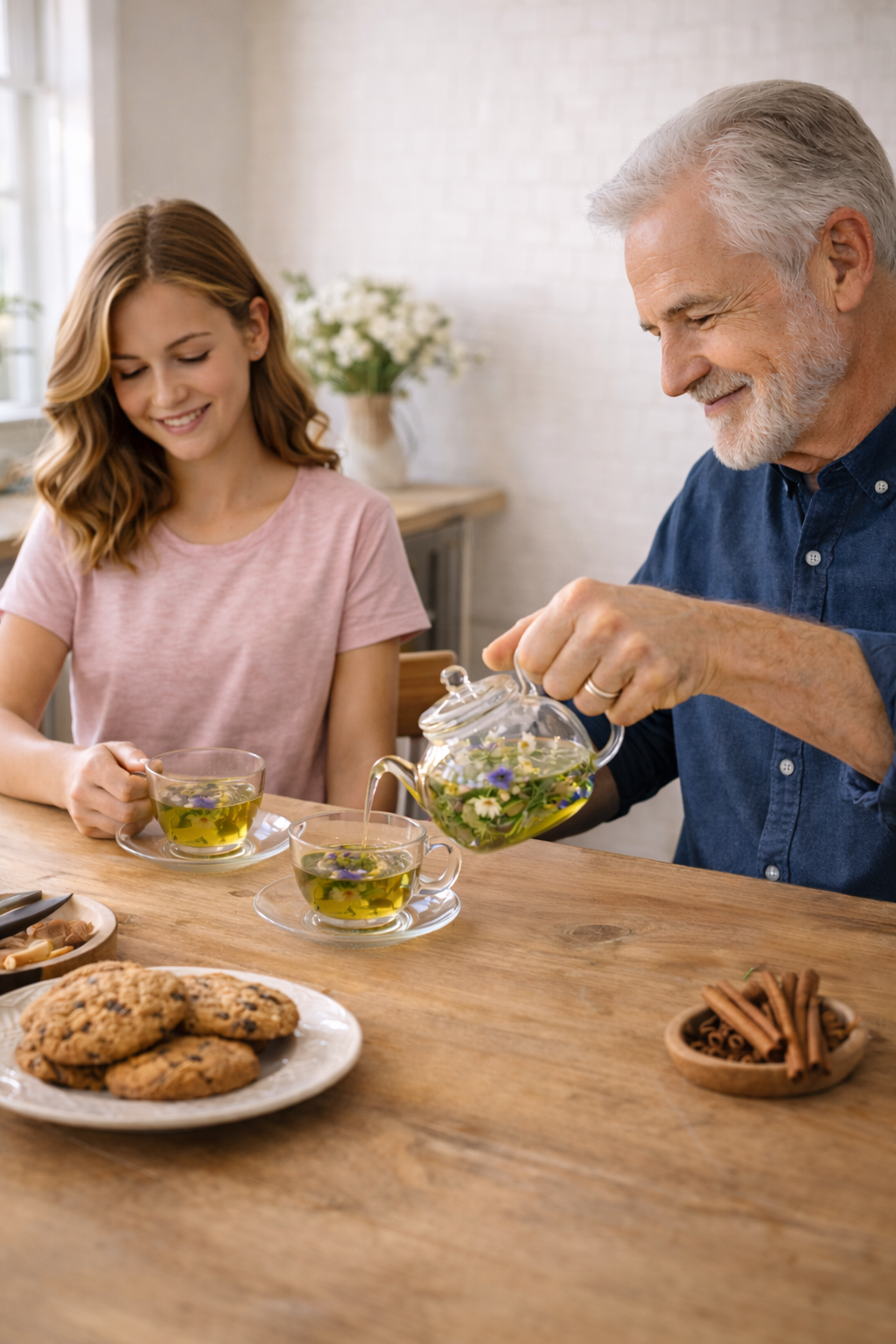
Herbal Teas
Traditionally Uses
Respiratory Support: Herbalists and Indigenous peoples traditionally brew the dried flowers or leaves into a hot tea to clear airways, soothe chesty or wet coughs, and ease congestion from colds, flu, and bronchitis.
Allergies & Inflammation: The plant contains natural antihistamine and anti-inflammatory properties, making the tea a popular home remedy for seasonal allergies, sinus issues, and rhinitis.
Preparation: Commonly steeped using dried flower heads, leaves and stalks—sometimes blended with other herbs like yarrow or oxeye daisy—at the onset of a cold or during allergy season.
(More about Herbal Preparations)
Our Current Relationship With This Plant
Pearly Everlasting grows wild on our property, where its silvery foliage and pearl-white blossoms bring a distinctive beauty to the landscape. We gather and dry this enduring wildflower, preserving its delicate appearance and making it available for others to enjoy.
Learn more about how we grow and harvest our herbs.
Typical Availability
Season: Summer through early fall, depending on growing conditions. Dried for year-round availability, while supplies last.
Available Forms:
Dried Cut Flower Stalks: For dried-flower arrangements, wreaths, botanical crafts, and decorative displays.
Dried Chopped Herb: For botanical study, crafting, and exploration of the plant's traditional uses.
Visit the Shop Pearly Everlasting page for current availability.
A Gentle Reminder
Information here reflects traditional use, observation, and personal experience, shared for educational purposes. How a plant is used —or whether it’s appropriate for you— can vary. Please be mindful of allergies. Research individual herbs thoroughly and consult a qualified professional when needed.
INDEX
respiratory, allergies, inflammation, digestive, bruises, swelling, irritated skin, infusions, washes, poultices, steams, sores, burns, cosmetic, topical preparations, herbal washes, infused oil, cream, natural skin care, dried flower arrangements, botanical crafts, herbal tea