
(Page Under Construction)
Mint Family Comparison
& Tea Blending Guide
The mint family is full of distinct personalities. Some members are cool and refreshing, others sweet and citrusy, while still others bring warmth, earthiness, or savory depth to the garden and teacup.
This guide explores the true mints (Mentha) alongside their botanical relatives, from familiar peppermint and spearmint to lemon balm, catnip, and aromatic kitchen herbs. Discover their flavors, aromas, growing habits, and traditional uses, then explore practical pairings to help you create herbal teas that are balanced, flavorful, and uniquely your own.
Whether you're choosing a gentle everyday mint, looking for a bright citrus note, or experimenting with a more complex herbal blend, understanding each plant's individual character is a wonderful place to begin.
The descriptions and pairings below draw on traditional use, culinary practice, and sensory experience. They are intended as educational and flavor-blending guidance, not medical advice.
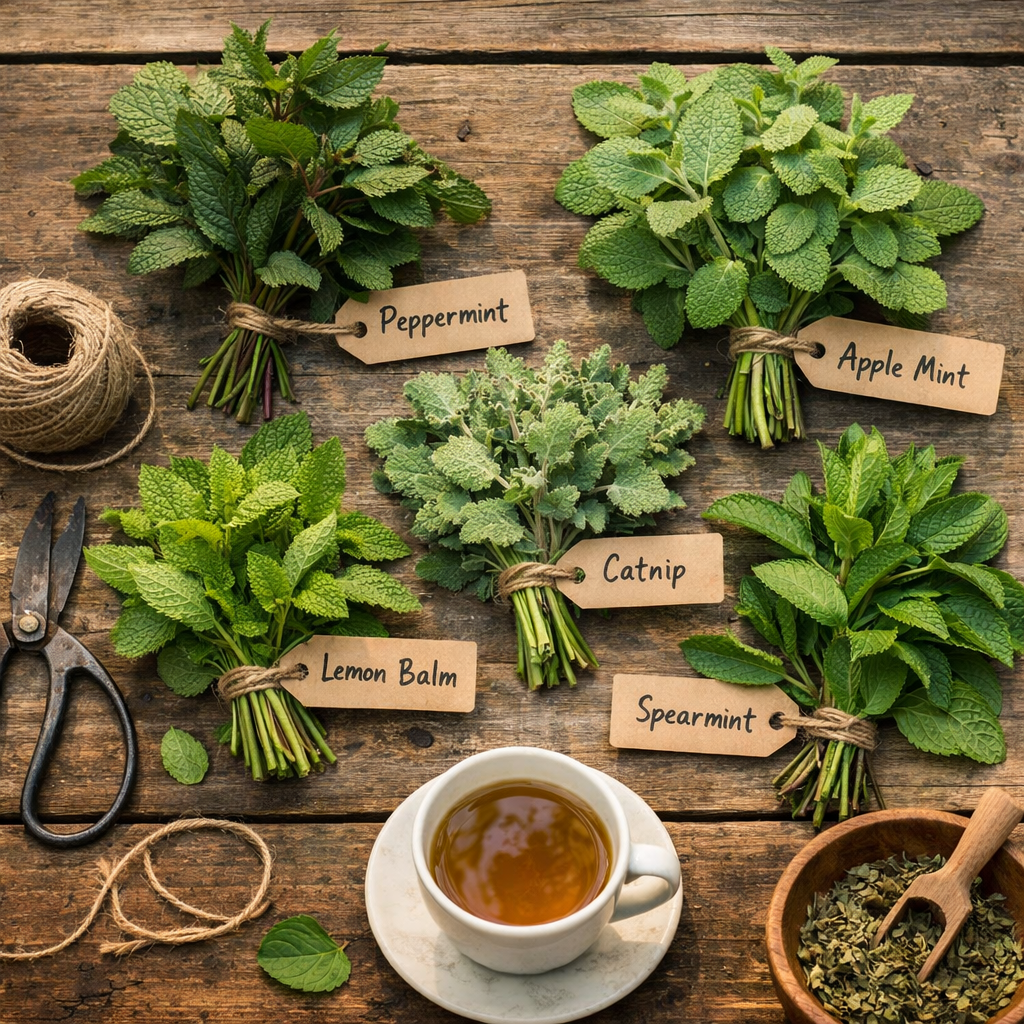
Table of Contents
Part One: The True Mints
Part Two: Other Members of the Mint Family
Part Three: Choosing Herbs for Tea Blending
Part Four: Flavor Companions That Pair Well with Mint
Part Five: Blending for Mood, Flavor, and Intention
Part Six: Experiment, Taste, and Make It Your Own
Part One:
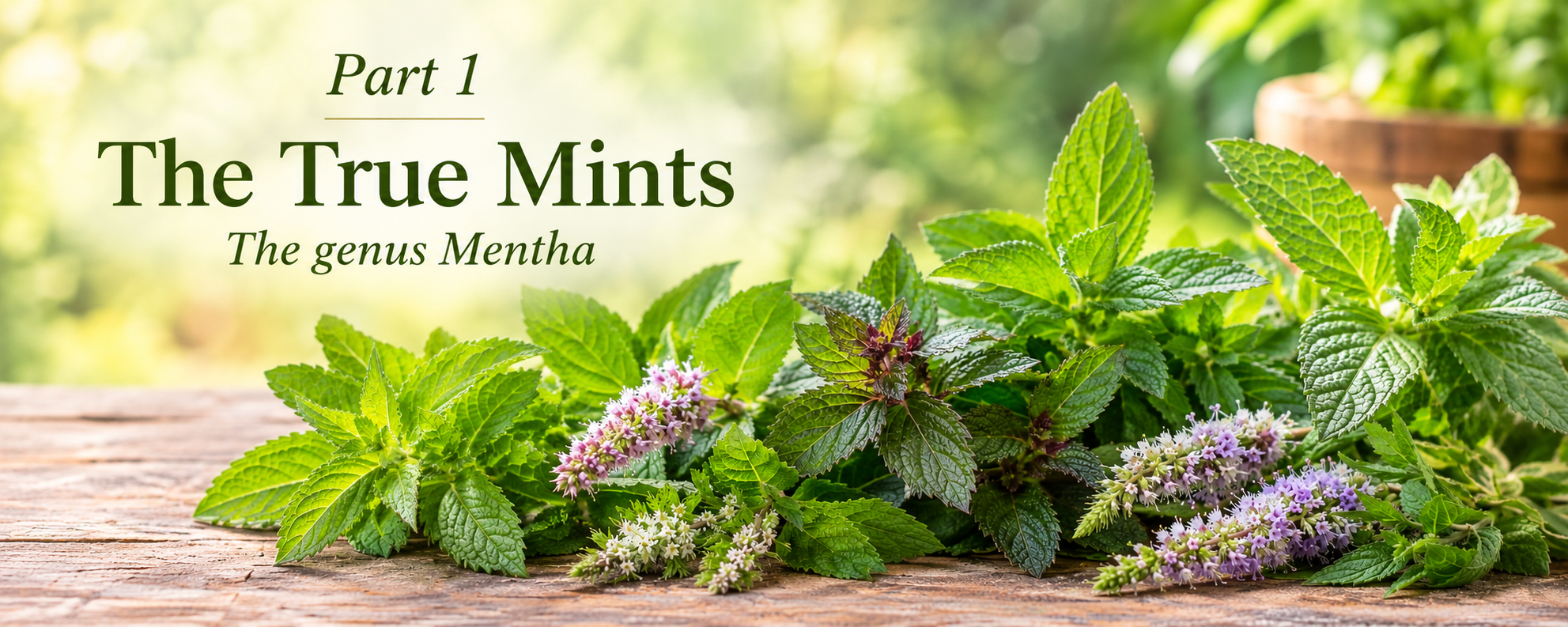
The True Mints
The genus Mentha
True mints belong to the genus Mentha. They share many characteristics, including aromatic leaves, square stems, and a tendency to spread by underground runners. Yet their flavors can be remarkably different. Some are bold and cooling, others sweet and gentle, and some carry surprising hints of chocolate, citrus, or fruit.
Peppermint (Mentha × piperita)
Personality: Bold, cooling, stimulating.
Flavor & Aroma: Sharp, intense, menthol-forward, with a distinctly cool finish.
Growth Habit: Vigorous perennial that spreads readily by underground runners. Containers or defined growing areas help keep it in bounds.
Traditionally Used For:
Strong-flavored herbal teas and refreshing beverages.
Digestive comfort and after-meal support.
Culinary preparations, including sweets, sauces, and infused syrups.
Aromatic applications, digestive comfort and traditional after-meal preparations.
Ritual blends associated with clarity, freshness, and renewal.
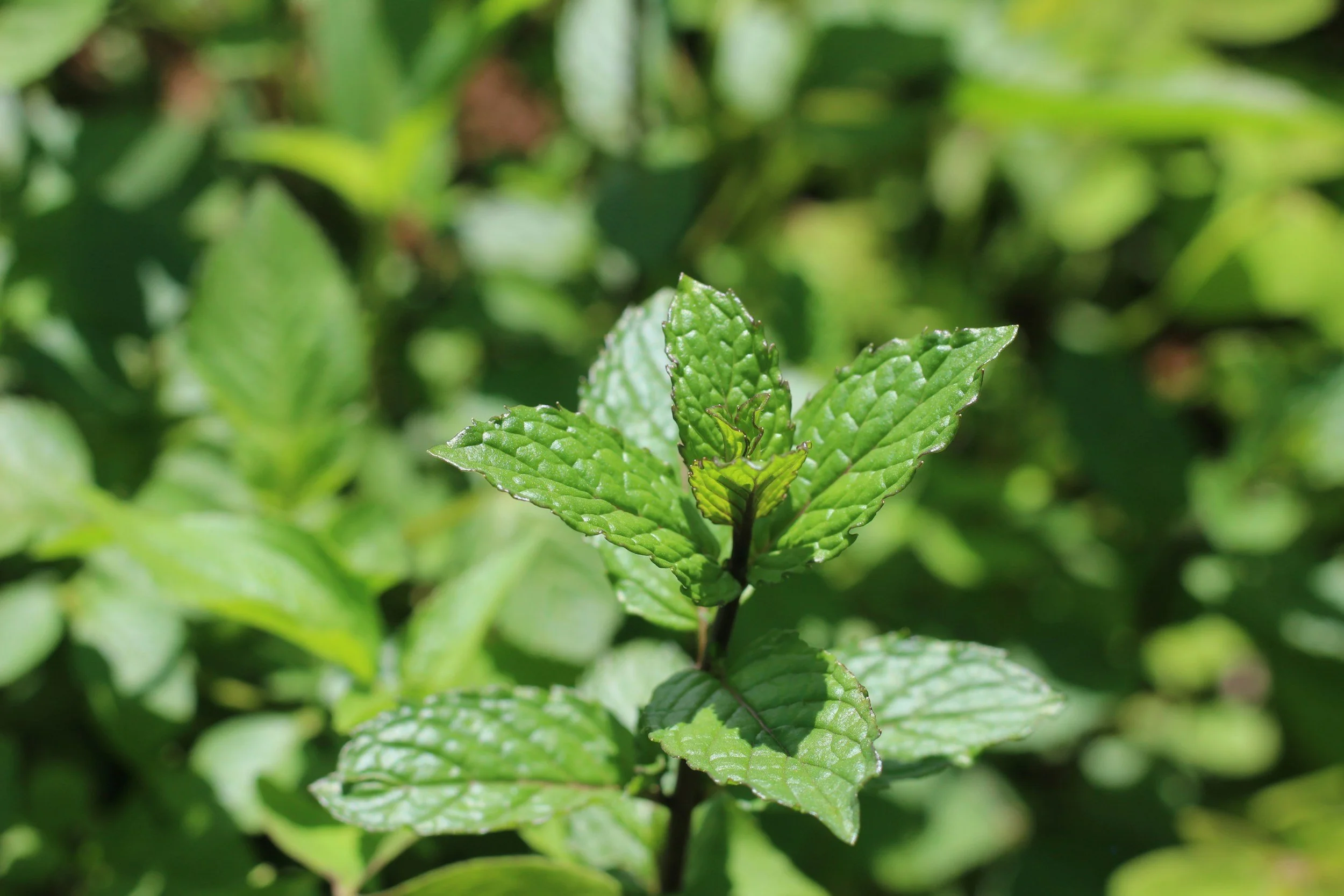
Overall Character: Peppermint is the confident voice of the mint family. Its bright, cooling flavor can refresh a simple cup of tea or bring definition to a more complicated blend. It is also one of the easiest mints to recognize: even a small amount can make its presence known.
Blending Role: A strong lead herb or finishing note. Use sparingly when you want the other ingredients to remain distinct.
Common Pairings: Chamomile, rose, lemon balm, ginger, fennel, and chocolate.
Good to Know: Peppermint is a hybrid of spearmint and water mint. Its pronounced cooling character distinguishes it from the softer, sweeter flavor of spearmint. A little goes a long way, both in the garden and in use.
Spearmint (Mentha spicata)
Personality: Friendly, approachable, and refreshingly versatile.
Flavor & Aroma: Sweet, mild, and gently minty, without peppermint's pronounced cooling sensation.
Growth Habit: Vigorous perennial that spreads by runners and can form a generous patch when given room, but less aggressively so than peppermint.
Traditionally Used For:
Everyday culinary use and refreshing beverages.
Hot and iced herbal teas.
Gentle digestive teas.
Mint sauces, fruit dishes, and infused syrups.
Traditional practices associated with hospitality and refreshment.
Overall Character: Spearmint is the welcoming member of the family. Its sweetness makes it easy to enjoy on its own, while its gentle character allows it to blend comfortably with floral, fruity, citrus, and savory flavors.
Blending Role: An excellent base mint for everyday blends. It supports other ingredients rather than insisting on being the star.
Common Pairings: Lemon balm, chamomile, rose, lavender, green tea, lime, and cucumber.
Good to Know: Spearmint is a forgiving starting point for anyone learning to blend herbal teas. If you're uncertain which mint to choose, its approachable flavor is a good place to begin.
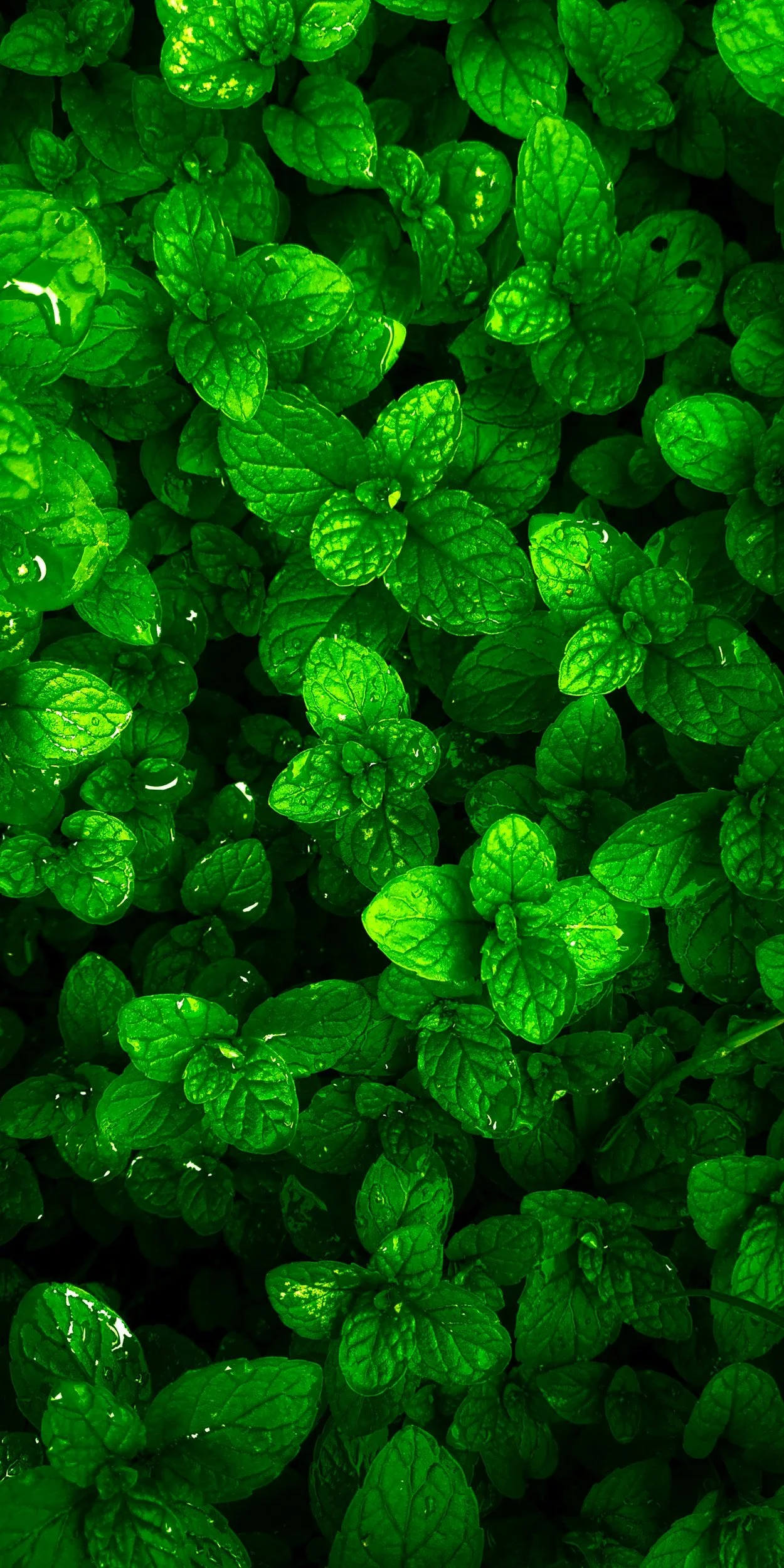
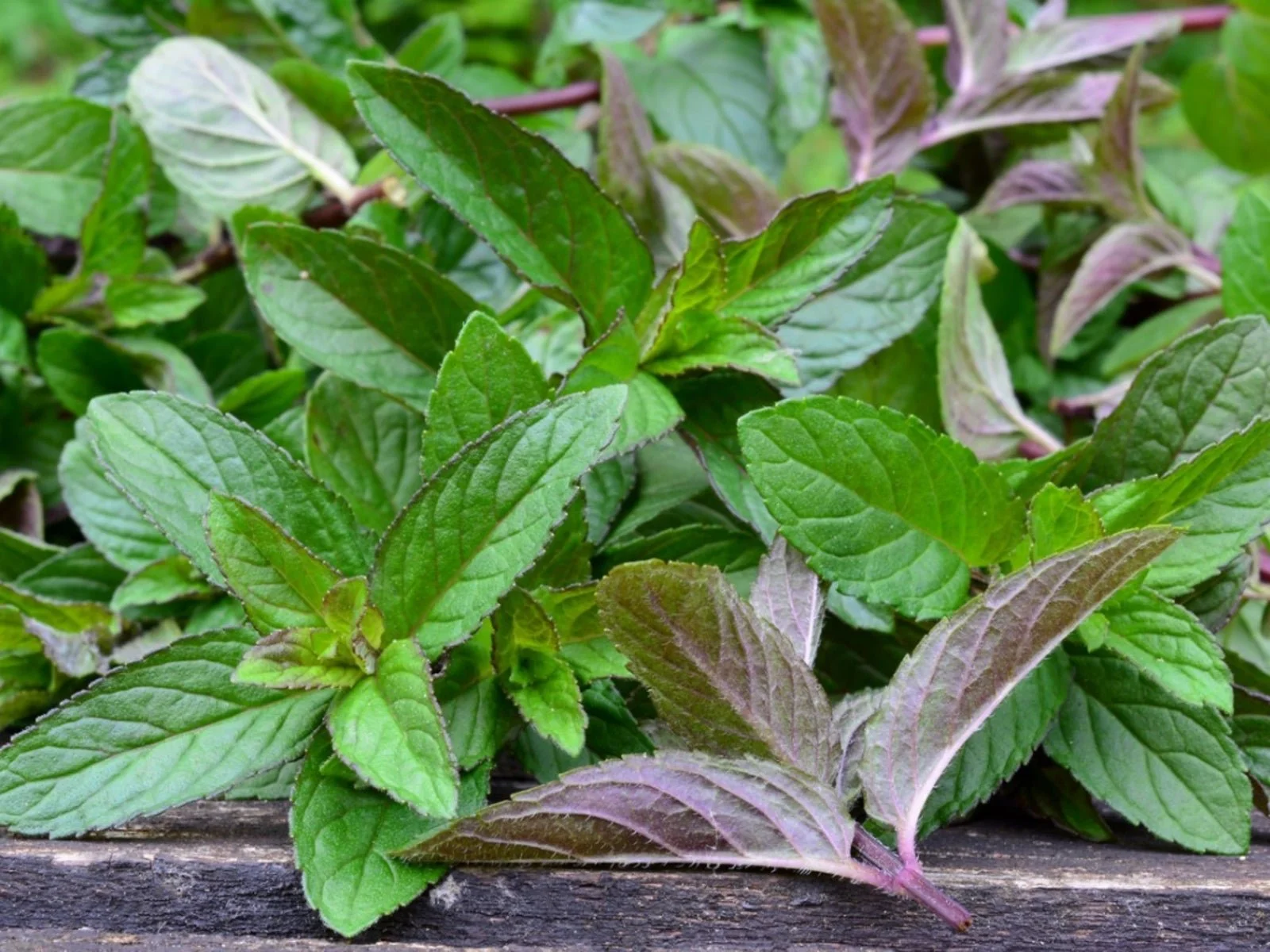
Chocolate Mint (Mentha × piperita ‘Chocolate’)
Personality: Playful, indulgent, and a little mysterious.
Flavor & Aroma: Cool peppermint with a sweet aromatic impression reminiscent of cocoa or a peppermint patty.
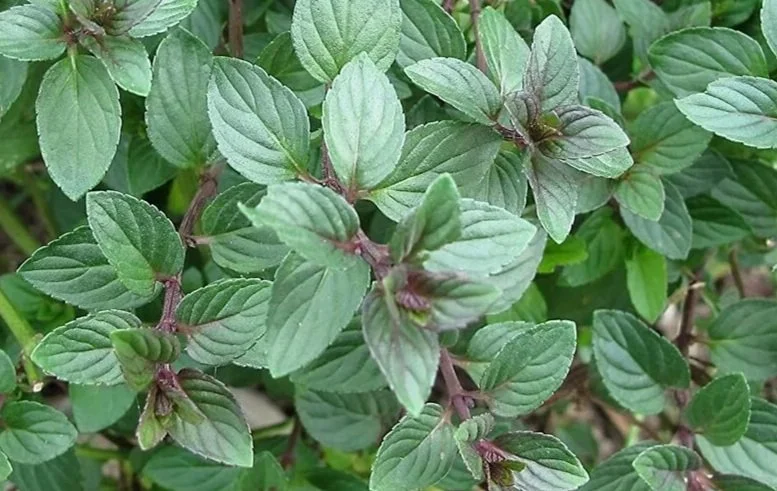
Growth Habit: Spreading perennial with aromatic green leaves and often dark or purplish stems.
Traditionally Used For:
Flavoring desserts, chocolates, and sweet treats.
Adding a distinctive twist to herbal teas and warm drinks.
Garnishing fruit, ice cream, and other confections.
Creating aromatic blends with a dessert-like character.
Overall Character: Chocolate mint brings together the refreshing clarity of peppermint and the cozy associations of chocolate. Its appeal lies in the contrast between cool mint and a soft cocoa-like fragrance.
Overall Character: Chocolate mint brings together the refreshing clarity of peppermint and the cozy associations of chocolate. Its appeal lies in the contrast between cool mint and a soft cocoa-like fragrance.
Blending Role: A specialty accent for dessert-inspired teas. Pair it with gentler ingredients so its peppermint character doesn't overwhelm the blend.
Common Pairings: Vanilla, cacao, chamomile, strawberry, orange, and rose.
Good to Know: The chocolate impression is primarily aromatic rather than a true chocolate flavor. Expect a mint-forward herb with hints of cocoa, not a substitute for chocolate itself.
Kentucky Colonel Mint (Mentha spicata ‘Kentucky Colonel’)
Personality: Generous, sociable, and classically hospitable.
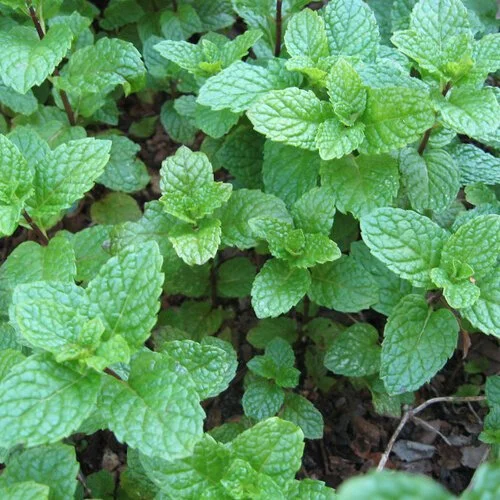
Flavor & Aroma: Sweet, rounded spearmint with a fresh, clean aroma and relatively little of peppermint's sharp cooling edge.
Growth Habit: Vigorous perennial with broad, attractive green leaves. It spreads by underground runners.
Traditionally Used For:
Classic mint juleps and other refreshing drinks.
Mint tea, iced tea, and infused syrups.
Mint jelly, sauces, salads, and fresh garnishes.
Recipes where a full, recognizable mint flavor is welcome.
Overall Character: Kentucky Colonel is a polished, generous version of spearmint. Its broad leaves and smooth, sweet flavor make it particularly appealing in drinks and recipes where mint is meant to take center stage without overwhelming the other ingredients.
Blending Role: A flavorful base or lead mint for beverage blends, particularly those featuring citrus, fruit, or gentle sweetness.
Common Pairings: Lime, lemon, cucumber, green tea, strawberries, and simple syrups.
Good to Know: Kentucky Colonel is famous for its association with the mint julep and also works beautifully in mojito-style drinks. It is a spearmint cultivar, not a separate species of mint.
Mojito Mint (Mentha × villosa )
Personality: Relaxed, sunny, and effortlessly refreshing.
Flavor & Aroma: Sweet, gentle spearmint with a soft, rounded character and a relatively restrained cooling sensation.
Growth Habit: Spreading perennial with aromatic green leaves; vigorous once established.
Traditionally Used For:
The classic Cuban mojito and other lime-based drinks.
Fresh or iced mint beverages.
Fruit salads, citrus syrups, and summer refreshments.
Culinary preparations where smooth mint complements rather than dominates.
Overall Character: Mojito mint has a laid-back charm. Rather than delivering the sharp chill of peppermint, it offers a mellow freshness that allows citrus, sweetness, and other ingredients to remain distinct.
Blending Role: A gentle lead mint for citrus-forward and fruit-based blends.
Common Pairings: Lime, lemon, cane sugar, cucumber, pineapple, and sparkling water.
Good to Know: Mojito mint and Kentucky Colonel are closely related in the marketplace, and their botanical names are not always used consistently. The name Mojito Mint generally identifies a mint selected for its smooth flavor in the classic drink.
Orange Mint (Mentha × piperita f. citrata ‘Orange’)
Personality: Bright, spirited, and warmly welcoming.
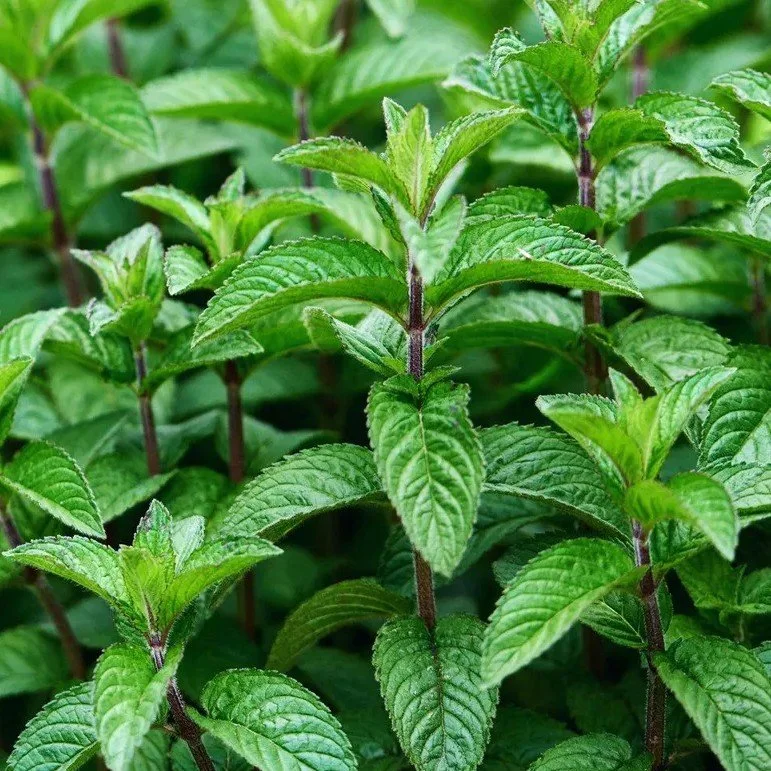
Flavor & Aroma: Fresh mint with a distinct orange-like citrus fragrance; sweet, fruity, and sometimes reminiscent of orange peel.
Growth Habit: Spreading perennial with aromatic green leaves that may develop bronze or purple tones.
Traditionally Used For:
Flavoring herbal teas and iced beverages.
Adding a citrus-mint note to fruit salads and desserts.
Making infused syrups and creative culinary preparations.
Aromatic garden and potpourri projects.
Overall Character: Orange mint brings a little sunshine to the mint family. Its citrus-like fragrance bridges the freshness of mint and the bright sweetness of orange, making it a natural choice for cheerful, fruit-forward blends.
Blending Role: A connecting note between mint, fruit, and floral ingredients.
Common Pairings: Chocolate mint, lemon balm, chamomile, green tea, apple, vanilla, and cinnamon.
Good to Know: Orange mint does not produce oranges. Its citrus impression comes from its aromatic compounds, and the exact fragrance can vary among plants sold under this common name.
Pineapple Mint (Mentha suaveolens ‘Variegata’)
Personality: Cheerful, gentle, and a little whimsical.
Flavor & Aroma: Mild, sweet mint with a subtle fruity fragrance that may suggest pineapple or other soft tropical notes.
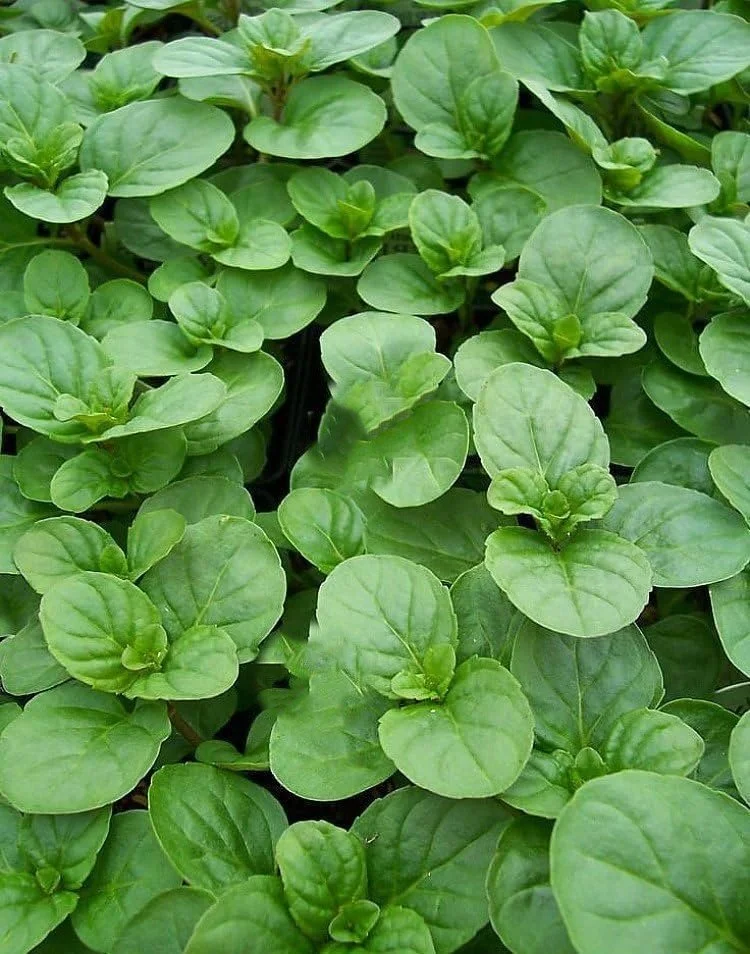
Growth Habit: Spreading perennial with soft, often fuzzy leaves edged in creamy white. Its variegated foliage makes it especially attractive in ornamental herb gardens.
Traditionally Used For:
Fresh and iced teas.
Fruit salads, summer desserts, and decorative garnishes.
Infused water, syrups, and refreshing beverages.
Ornamental gardens where foliage and fragrance are equally welcome.
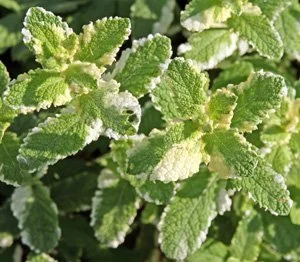
Overall Character: Pineapple mint is the gentle, fruit-scented member of the group. Its softer flavor and pretty, cream-edged leaves give it a welcoming presence in both the kitchen and the garden.
Blending Role: A mild supporting mint for fruit-forward teas and lighter blends.
Common Pairings: Strawberry mint, lemon balm, chamomile, pineapple, apple, and green tea.
Good to Know: Pineapple mint is a variegated form of apple mint. Its fruity fragrance is often more pronounced than its flavor, so think of it as a mild mint with tropical suggestions rather than a strongly pineapple-flavored herb.
Strawberry Mint (Mentha cultivar sold as ‘Strawberry’)
Personality: Sweet-natured, playful, and softly nostalgic.
Flavor & Aroma: Fresh mint with a delicate berry-like fragrance that may recall strawberries, especially when the leaves are gently rubbed.
Growth Habit: Herbaceous perennial that spreads by runners. Leaf size, texture, and fragrance vary by cultivar.
Traditionally Used For:
Flavoring fruit teas and iced herbal infusions.
Pairing with fresh berries, desserts, and fruit salads.
Adding a fresh herbal note to syrups and drinks.
Decorative garnishes for summer refreshments.
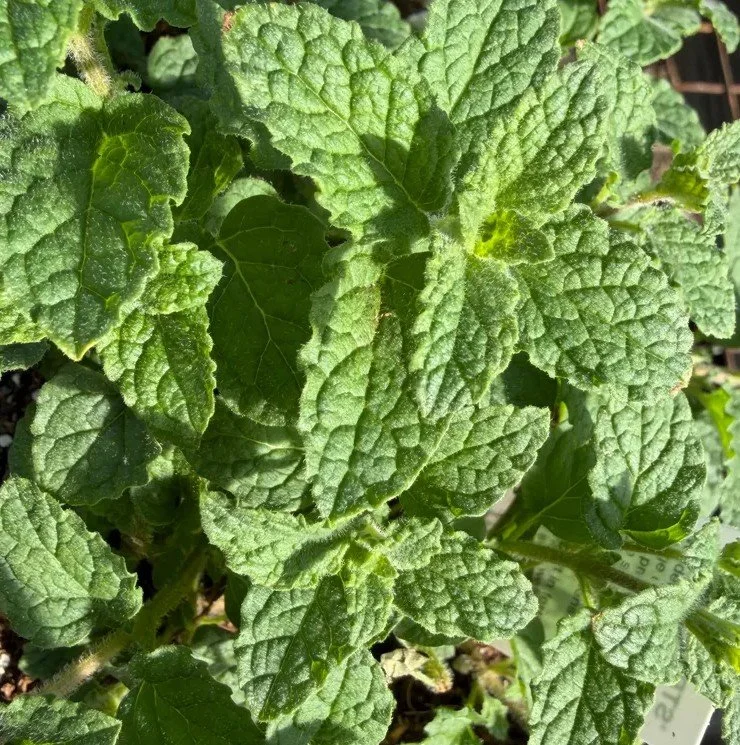
Overall Character: Strawberry mint evokes the pleasures of a summer garden: ripe berries, cool drinks, and freshly gathered herbs. Its appeal lies in the interplay between familiar mint freshness and a subtle fruity impression.
Blending Role: A supporting mint for fruit and floral blends, particularly those featuring berries.
Common Pairings: Chocolate mint, pineapple mint, lemon balm, chamomile, rose, and green tea.
Good to Know: Strawberry mint is a horticultural name used for particular mint cultivars, and botanical listings are not entirely consistent. The name on the original plant label is the best guide to the identity of a particular specimen
Apple Mint (Mentha suaveolens)
Personality: Soft, gentle, and quietly fruity.
Flavor & Aroma: Mild mint with a sweet, rounded fragrance sometimes reminiscent of apple or fresh fruit.
Growth Habit: Spreading perennial with soft, often fuzzy, rounded leaves.
Traditionally Used For:
Mild herbal teas and refreshing beverages.
Fruit salads, garnishes, and culinary preparations.
Garden plantings valued for fragrant foliage.
Overall Character: Apple mint is a softer alternative to peppermint. Its rounded leaves and gentle aroma make it an appealing plant for those who enjoy the freshness of mint without a sharp, menthol-heavy finish.
Blending Role: A gentle base or supporting mint for fruit, floral, and citrus blends.
Common Pairings: Chamomile, lemon balm, rose, strawberry, and cinnamon.
Good to Know: Apple mint is closely related to pineapple mint, which is its variegated cultivar. Although we don't currently offer apple mint, it is included here as a useful variety to know when exploring the wider mint family.
Availability: Not currently offered for sale at Heart of Rock Farm.
Lemon Mint (Mentha × piperita)
Personality: Bright, easygoing, and cheerful.
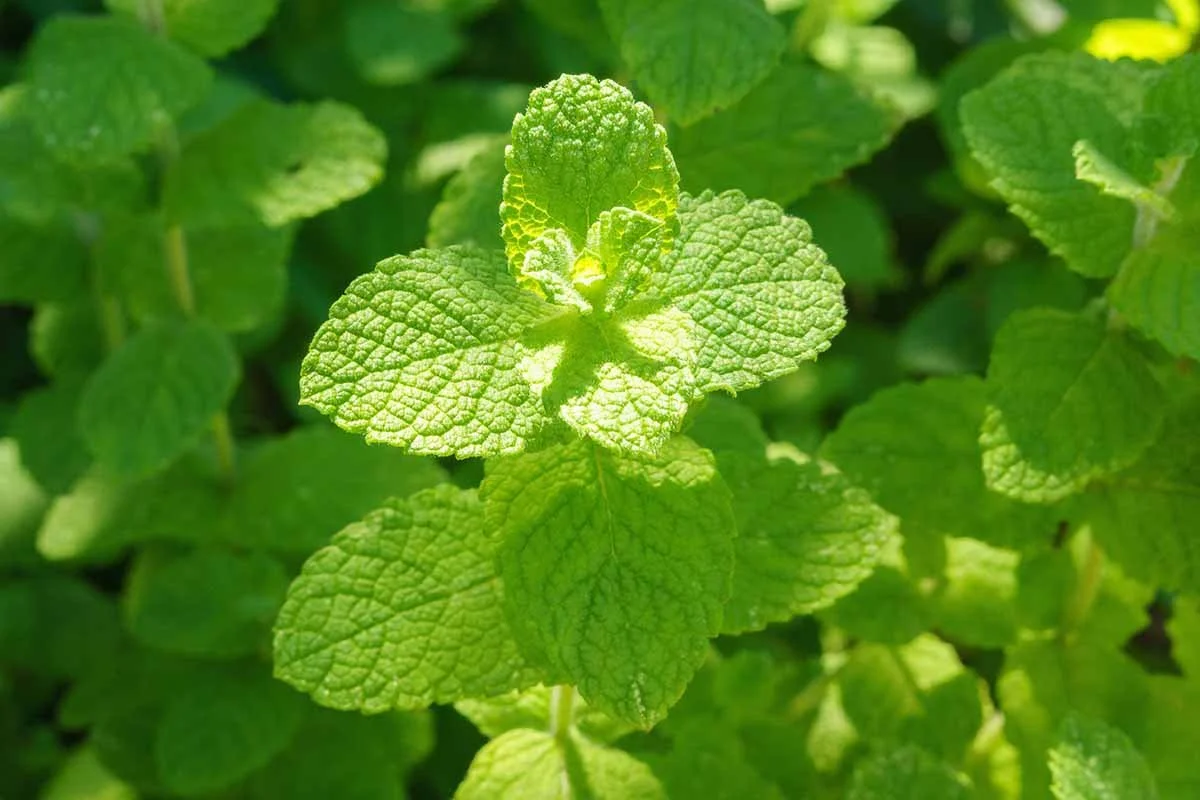
Flavor & Aroma: Fresh mint with a lemon-like citrus lift; generally lighter than peppermint and less sharp than lemon zest.
Growth Habit: Depends on the plant sold under this common name. Some lemon mints are cultivated forms of Mentha aquatica or peppermint-related mints.
Traditionally Used For:
Refreshing hot and iced teas.
Citrus-forward beverages and fruit preparations.
Blends where mint and lemon notes are both welcome.
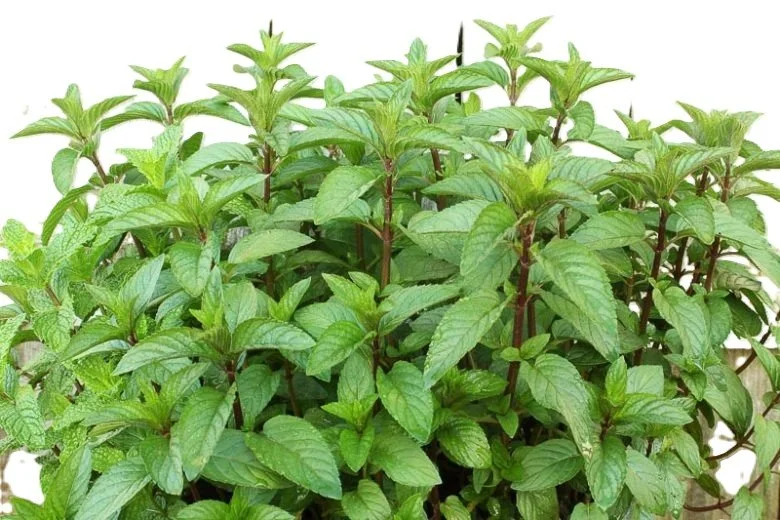
Overall Character: Lemon mint offers the familiar freshness of mint with a bright citrus impression. It can be an appealing choice for people who enjoy lemony flavors but want something more rounded than lemon peel alone.
Blending Role: A bridge between stronger mints, citrus herbs, and gentle floral ingredients.
Common Pairings: Lemon balm, chamomile, rose, spearmint, and green tea.
Good to Know: Lemon mint is a common name rather than a reliably unique botanical identity. Different nurseries may use it for different plants, so the scientific name should be confirmed before identifying a specific cultivar. We include it here for comparison, although it is not currently grown at Heart of Rock Farm.
Availability: Not currently offered for sale at Heart of Rock Farm.
Water Mint (or Watermint) (Mentha aquatica)
Personality: Wild, vigorous, and distinctly aromatic.
Flavor & Aroma: Strongly minty, sometimes with a sharper, more resinous character than garden spearmint.
Growth Habit: Spreading perennial naturally associated with wet ground, marshes, stream margins, and other moist habitats.
Traditionally Used For:
Aromatic plantings near suitable water features.
Traditional herbal preparations in regions where it grows.
Exploring the diversity of wild mint species.
Overall Character: Water mint is a reminder that the mint family is not limited to tidy kitchen herbs. Its affinity for moist ground and its strong aroma distinguish it from many familiar garden mints.
Blending Role: Treat as a distinctive specialty mint rather than automatically substituting it for peppermint or spearmint.
Common Pairings: Citrus flavors, gentle floral herbs, and other mints, depending on the character of the particular plant.
Good to Know: Water mint is one of the parent species of peppermint, which arose through hybridization with spearmint. It is a vigorous plant, and its moisture requirements and spreading habit should be considered before choosing a place for it in the garden.
Part Two:
Other Members of the Mint Family
including Lemon Balm, Catnip, Anise Hyssop, Oregano, Sage, Rosemary and Thyme
The mint family, Lamiaceae, includes far more than plants in the genus Mentha. Lemon balm, catnip, anise hyssop, oregano, sage, rosemary, and thyme all belong to this broader botanical family.
These plants share characteristics such as aromatic foliage and, commonly, square stems and opposite leaves. Their flavors, however, range from soft citrus and gentle sweetness to savory, resinous, and intensely herbal.
They are not interchangeable with true mints, but their contrasting personalities make them valuable companions in tea blending.
Lemon Balm (Melissa officinalis)
Personality: Calming, comforting, and gently uplifting.
Flavor & Aroma: Soft lemon with mild mint undertones; fresh, rounded, and less sharp than peppermint.
Growth Habit: Herbaceous perennial that can self-seed readily.
Traditionally Used For:
Gentle herbal teas, especially those enjoyed in the evening.
Traditional preparations associated with relaxation and reassurance.
Culinary use in beverages, fruit dishes, and light desserts.
Aromatic blends with a soft citrus character.
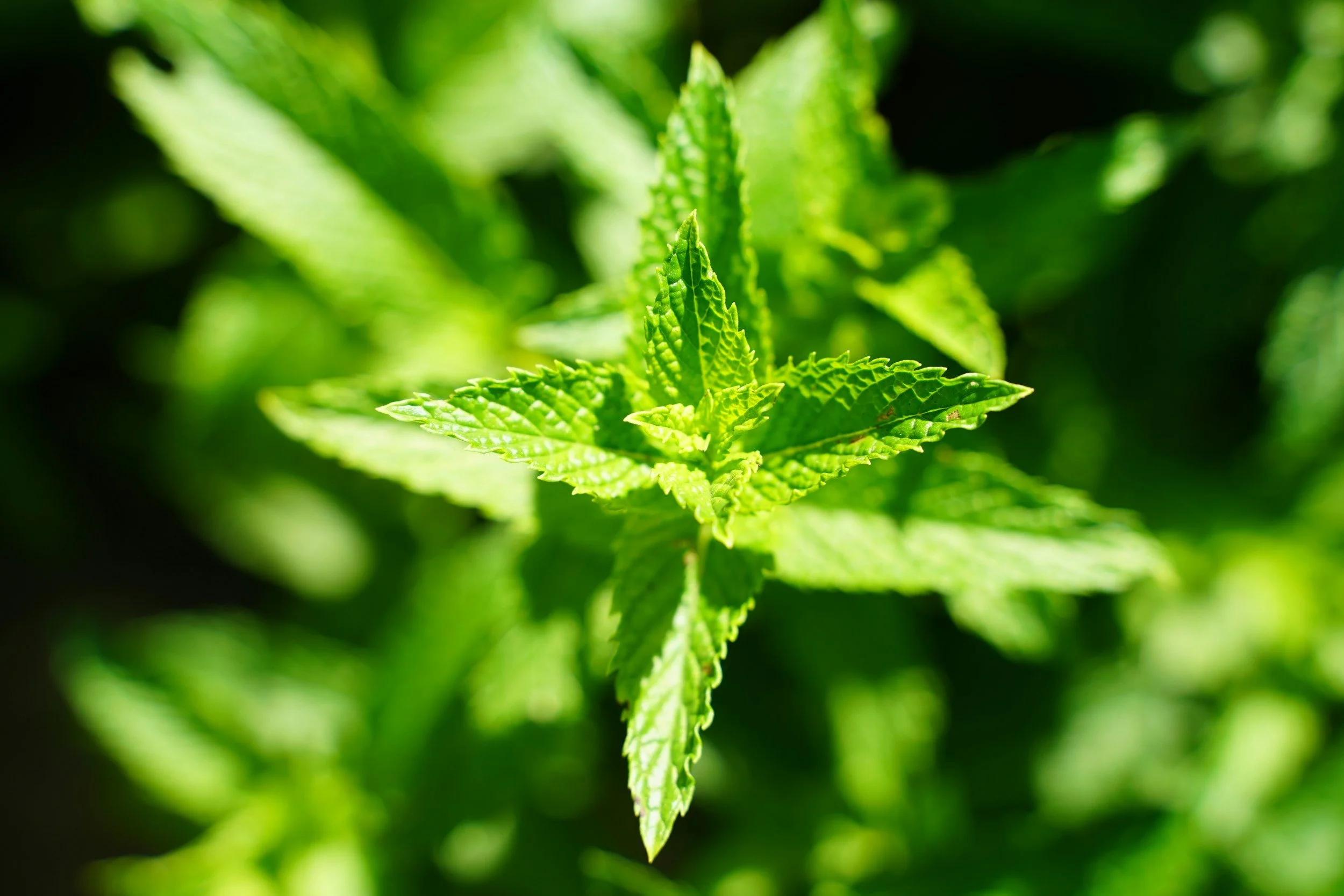
Overall Character: Lemon balm is a comforting herb with a sunny personality. Its gentle lemon fragrance brings brightness without sharpness, making it an excellent partner for both true mints and delicate flowers.
Blending Role: A gentle base or supporting herb. It works especially well in blends where stronger flavors need softening.
Common Pairings: Spearmint, chamomile, linden, rose, lavender, and anise hyssop.
Good to Know: Lemon balm is a member of the mint family, but it belongs to the genus Melissa, not Mentha. It is valued as much for its gentle citrus character as for its mint-family heritage.
Catnip / Catmint (Nepeta cataria)
Personality: Playful, earthy, and quietly reassuring.
Flavor & Aroma: Mild, green, earthy, and lightly minty, with an aroma that can be more pronounced than its flavor.
Growth Habit: Hardy herbaceous perennial with a spreading habit; generally resilient once established.
Traditionally Used For:
Gentle teas in traditional folk herbalism.
Evening blends and preparations associated with rest.
Aromatic garden plantings.
Feline enrichment, for which catnip is famously known.
Gentle nervous-system traditions
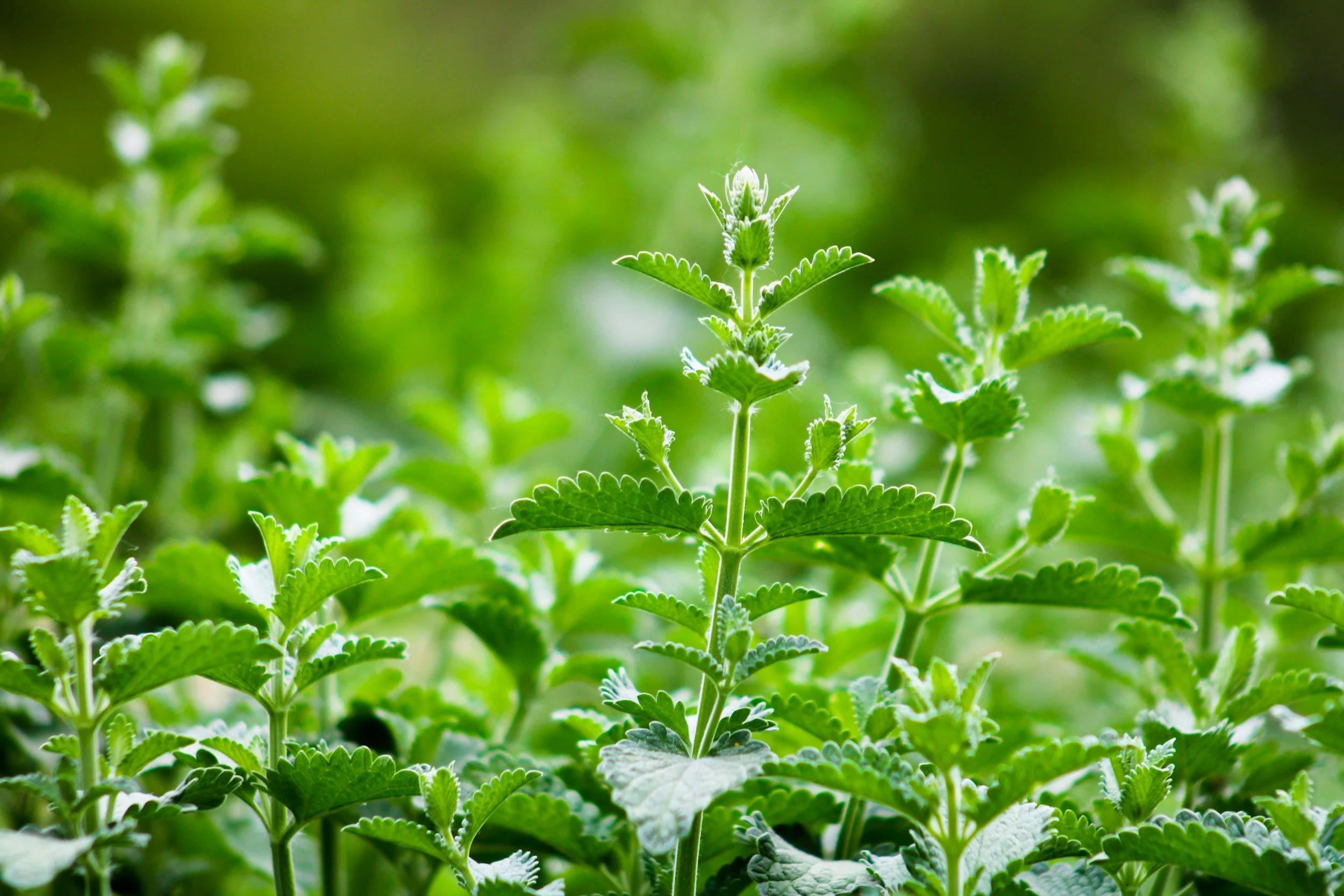
Overall Character: Catnip is a quieter member of the mint family. It offers an earthy softness rather than the bright sweetness of spearmint or the cooling intensity of peppermint.
Blending Role: A background herb that adds softness and depth without introducing strong sweetness.
Common Pairings: Lemon balm, chamomile, spearmint, and linden.
Good to Know: Catnip and ornamental plants commonly called catmints belong to the genus Nepeta, but they are not all the same species. This profile refers specifically to Nepeta cataria.
Anise Hyssop (Agastache foeniculum)
Personality: Warm, expressive, and quietly confident.
Flavor & Aroma: Sweet and herbal, with a gentle licorice or anise note.
Growth Habit: Upright herbaceous perennial with aromatic leaves and tall flowering spikes that attract pollinators.
Traditionally Used For:
Herbal teas and aromatic infusions.
Culinary preparations where a sweet anise-like note is welcome.
Pollinator gardens and ornamental herb plantings.
Traditional preparations associated with comfort and hospitality.
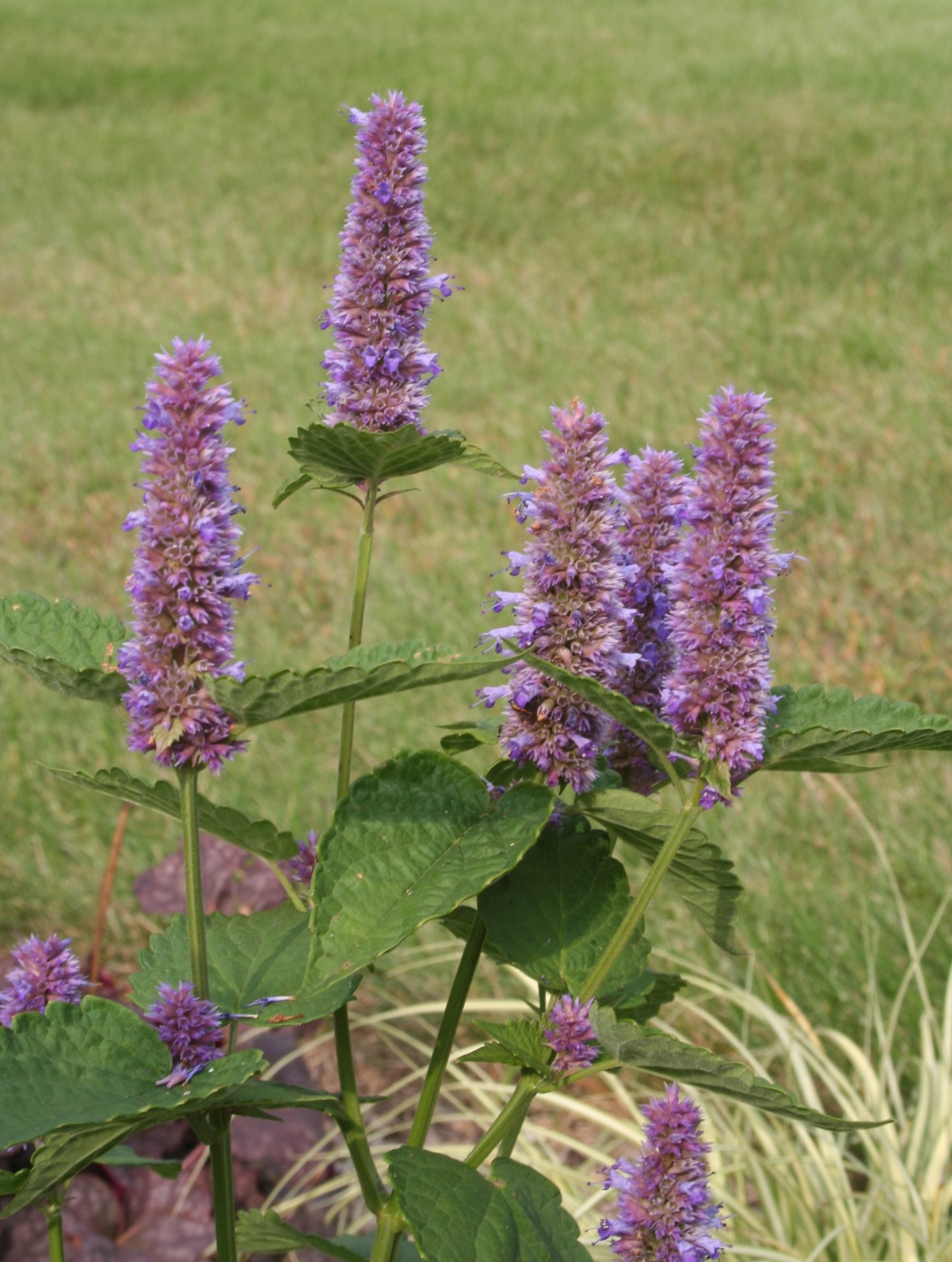
Overall Character: Anise hyssop is a natural harmonizer. Its warm, sweet fragrance can soften sharper herbs while bringing its own distinctive personality to a blend.
Blending Role: A lead or supporting herb, depending on the desired intensity. Start with a modest amount when its licorice note is meant to remain subtle.
Common Pairings: Spearmint, lemon balm, chamomile, rose, and peppermint.
Good to Know: Despite its common name, anise hyssop is not a true mint and is not closely related to culinary hyssop in the way its name might suggest. It belongs to the mint family and is especially valued for its aromatic leaves and flowers. Anise Hyssop is a good choice if you like mint but want something softer and sweeter, and if you enjoy licorice or anise flavors.
Oregano (Origanum vulgare)
Personality: Oregano is the steadfast guardian of the mint family — strong-willed, unapologetically savory, and best used with clear intention rather than casual familiarity.
Flavor & Aroma: Warm, earthy, robust, and distinctly aromatic.
Growth Habit: Spreading herbaceous perennial with woody stems and small aromatic leaves.
Traditionally Used For:
Culinary seasoning, especially in Mediterranean-inspired dishes.
Savory herb blends and aromatic preparations.
Garden plantings that attract pollinators when flowering.
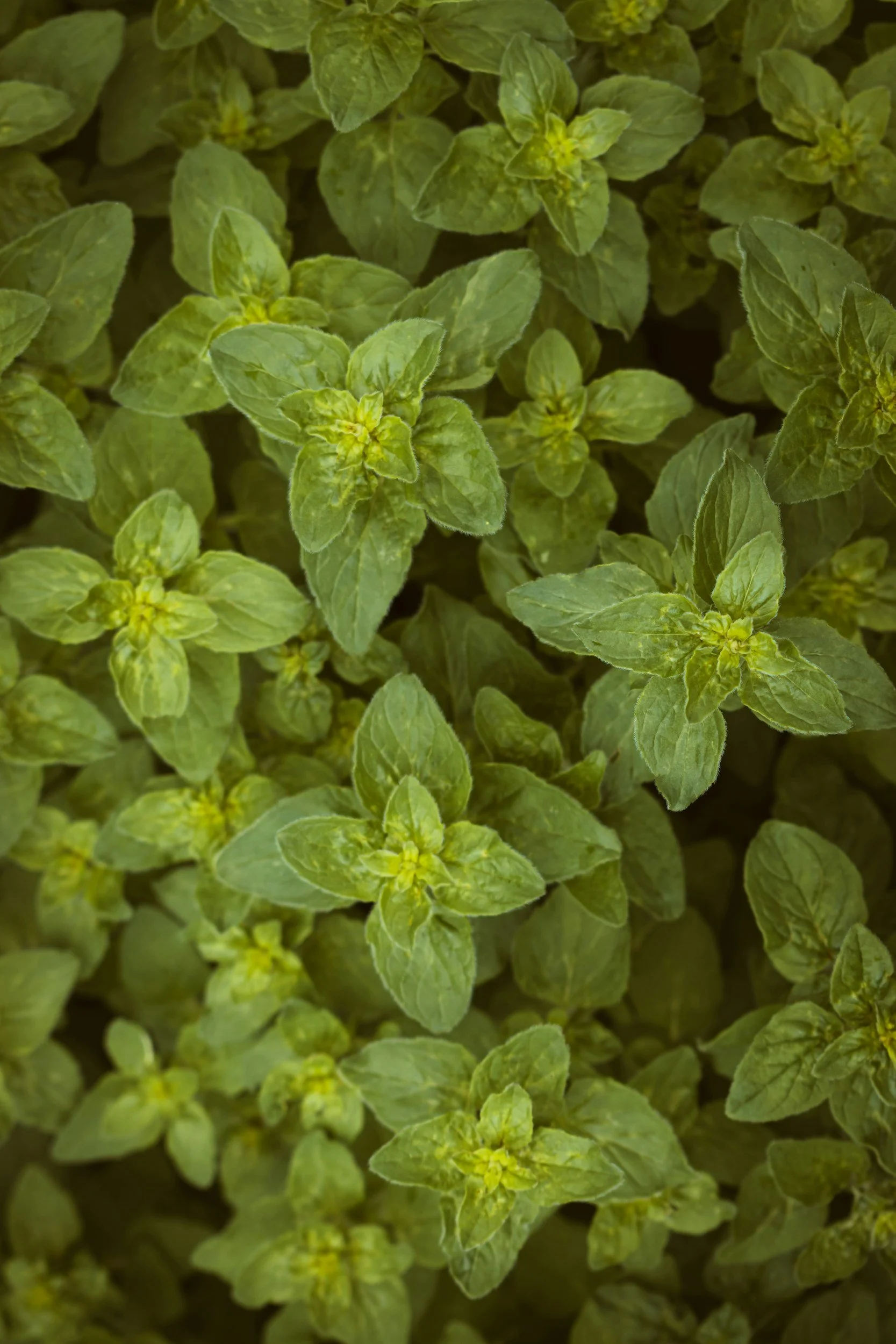
Overall Character: Oregano is one of the more assertive members of the mint family. Its savory character sets it apart from sweet, cooling mints and makes it a more natural partner for culinary applications than for delicate floral teas.
Blending Role: A strong supporting ingredient for savory or intentionally robust herbal blends. Use lightly when combining it with more delicate herbs.
Common Pairings: Thyme, rosemary, sage, and lemon balm.
Good to Know: Oregano's mint-family membership is easy to overlook because its flavor is so different from peppermint or spearmint. It demonstrates just how diverse this botanical family can be. Oregano is a good choice if you want a grounding, warming mint-family plant, and if you enjoy bold, savory flavors.
Sage (Salvia officinalis)
Personality: Wise, steady, and quietly powerful, offering clarity and grounding without haste.
Flavor & Aroma: Earthy, savory, slightly resinous.
Traditionally Used For:
Culinary seasoning and savory preparations.
Aromatic garden plantings.
Traditional herbal preparations and culturally varied practices.
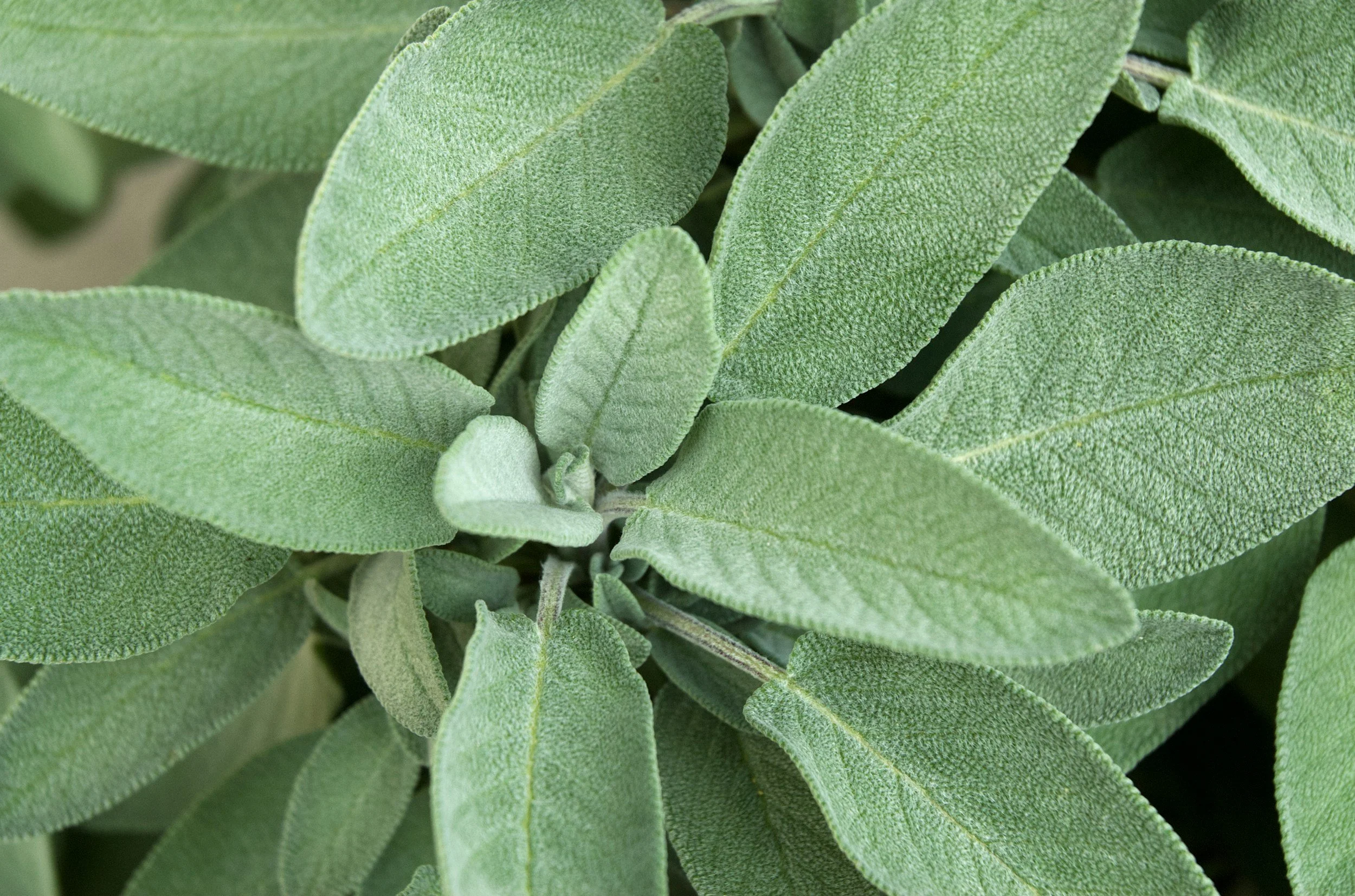
Overall Character: Grounding, clarifying, and protective. Its deep, savory fragrance makes it a familiar kitchen herb. Sage is known for its strong aroma and deep roots in both culinary and ceremonial traditions.
Blending Role: Best used thoughtfully and in small amounts when experimenting with savory or strongly aromatic herbal blends.
Common Pairings: Rosemary, thyme, oregano, and selected citrus herbs.
Good to Know: Sage is a good choice if you want a stabilizing, clarifying mint-family plant, and if you’re drawn to herbs with a strong sense of tradition and purpose. This entry refers to common culinary sage, Salvia officinalis. Other plants are also called sage, but common names can refer to botanically different species with different histories and uses.
Rosemary (Salvia rosmarinus)
Personality: Alert, purposeful, and invigorating.
Flavor & Aroma: Piney, resinous, and intensely aromatic.
Growth Habit: Woody evergreen shrub with narrow, fragrant leaves.
Traditionally Used For:
Culinary seasoning, particularly in savory dishes.
Aromatic garden plantings and fragrant preparations.
Traditional practices associated with remembrance and clarity.
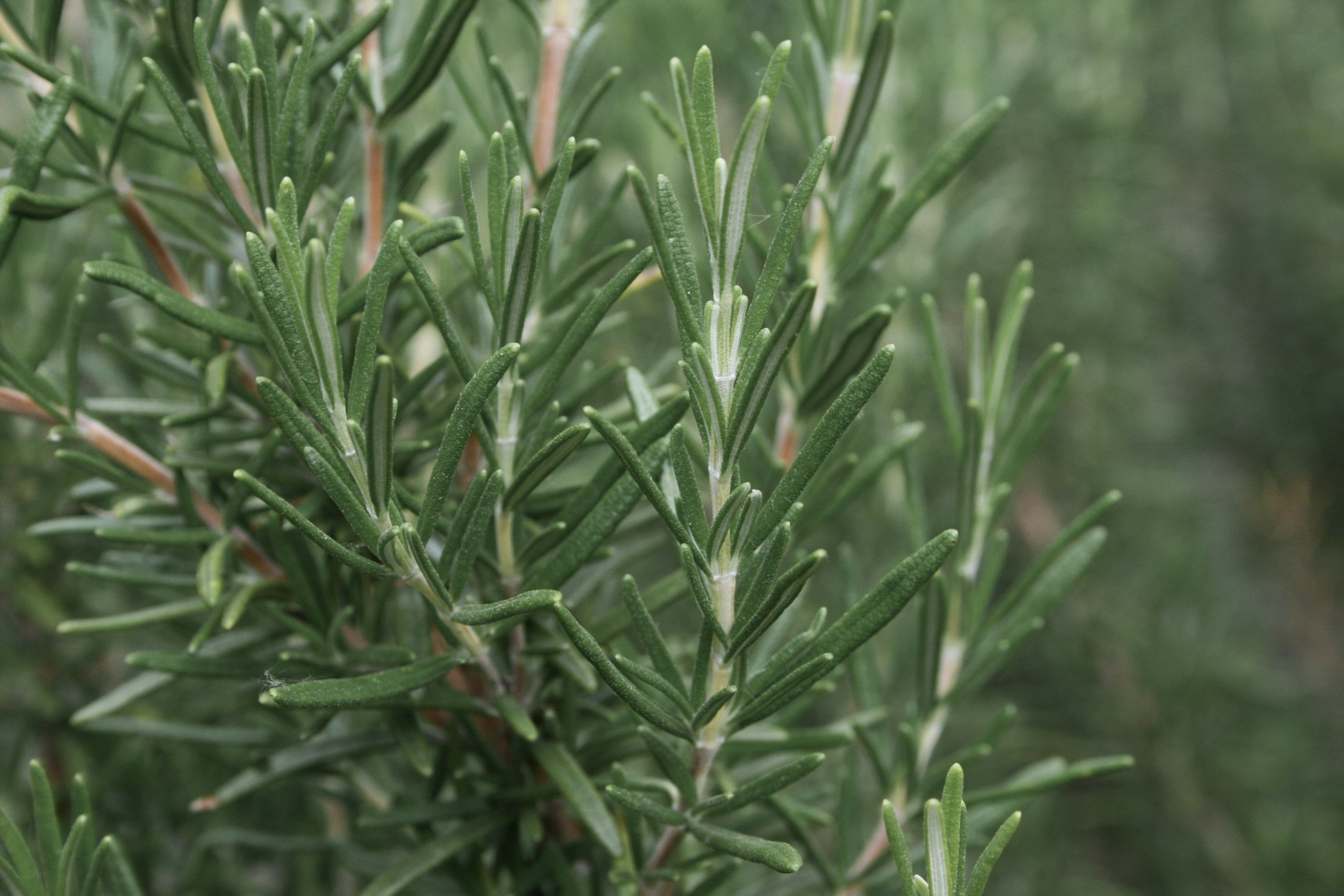
Overall Character: Rosemary brings the scent of evergreen landscapes into the herb garden. Its powerful aroma and assertive flavor give it a very different role from sweet, gentle mints.
Blending Role: A strong aromatic accent for carefully considered blends, particularly those with a savory, piney, or warming character.
Common Pairings: Sage, thyme, oregano, and selected citrus flavors.
Good to Know: Rosemary is botanically classified as Salvia rosmarinus, placing it in the same genus as common sage. It is a member of the mint family, but not a true mint. It is a good choice if you want a mint-family plant that feels energizing and mentally clarifying, and if you enjoy bold, aromatic flavors.
Thyme (Thymus vulgaris)
Personality: Quietly strong, resilient, and dependable.
Flavor & Aroma: Earthy, slightly peppery, and aromatic, with a warm herbal character.
Growth Habit: Compact perennial subshrub with small leaves and woody lower stems.
Traditionally Used For:
Culinary seasoning and savory preparations.
Aromatic garden plantings.
Traditional herbal preparations and fragrant infusions.
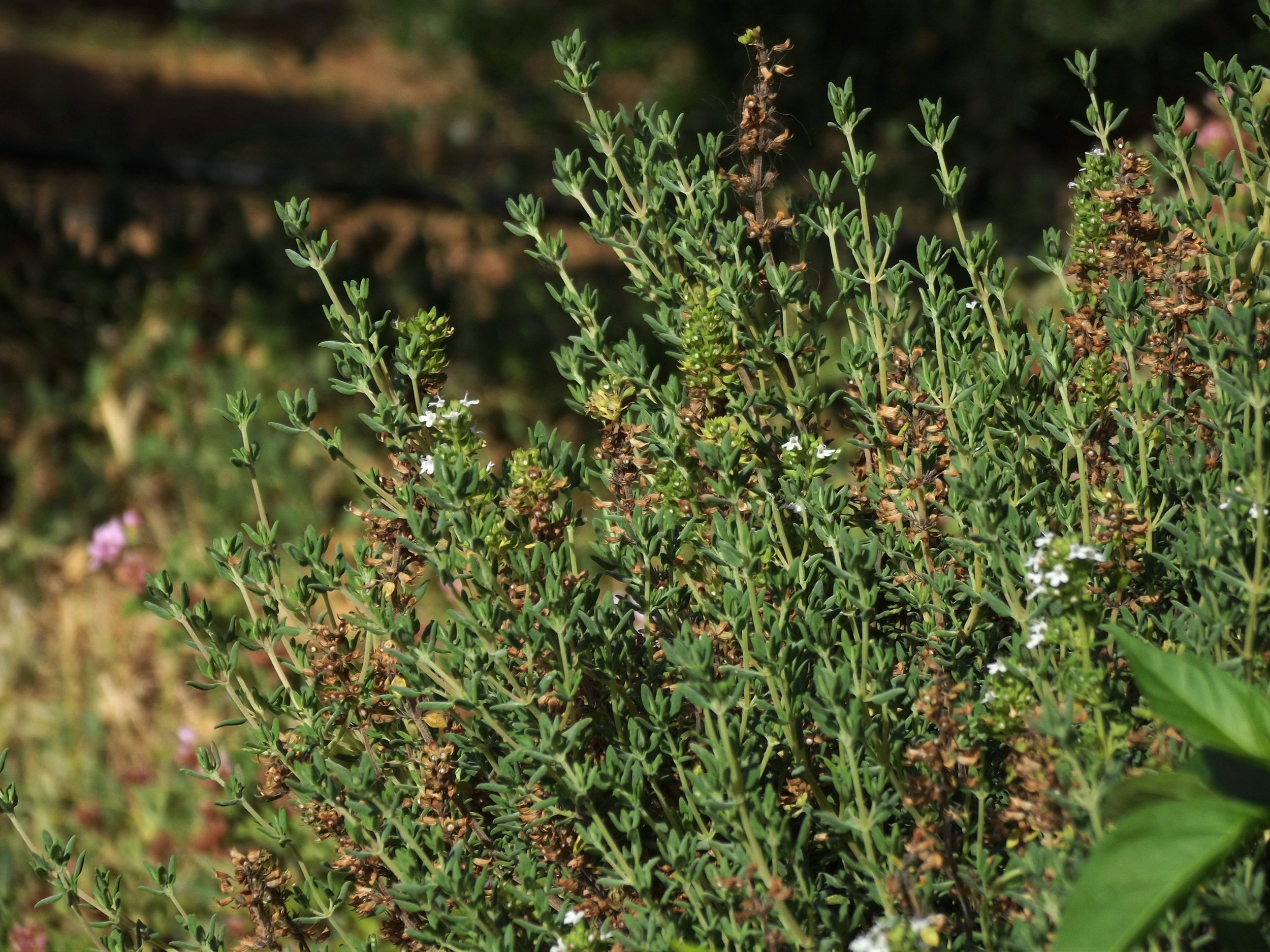
Overall Character: Thyme is the quiet strength of the mint family. Less assertive than oregano and less resinous than rosemary, it offers a steady herbal character that can complement stronger ingredients without demanding attention.
Blending Role: A supporting herb for robust, earthy, or savory blends. Use modest amounts when pairing it with delicate flavors.
Common Pairings: Oregano, rosemary, sage, lemon balm, and gentle mints.
Good to Know: Thyme belongs to the mint family despite its distinctly savory flavor. It is a good example of why family membership alone does not predict how an herb will taste.

Part Three:
Choosing Herbs for Tea Blending
A good herbal blend is more than a list of ingredients that sound appealing together. It is a balance of flavor, aroma, intensity, and the character you want the finished cup to express.
Start with one herb you particularly enjoy, then build around it.
Choose a Base Herb
A base herb gives the blend its general character. It should be pleasant enough to carry the cup without requiring a large number of additional ingredients. For example:
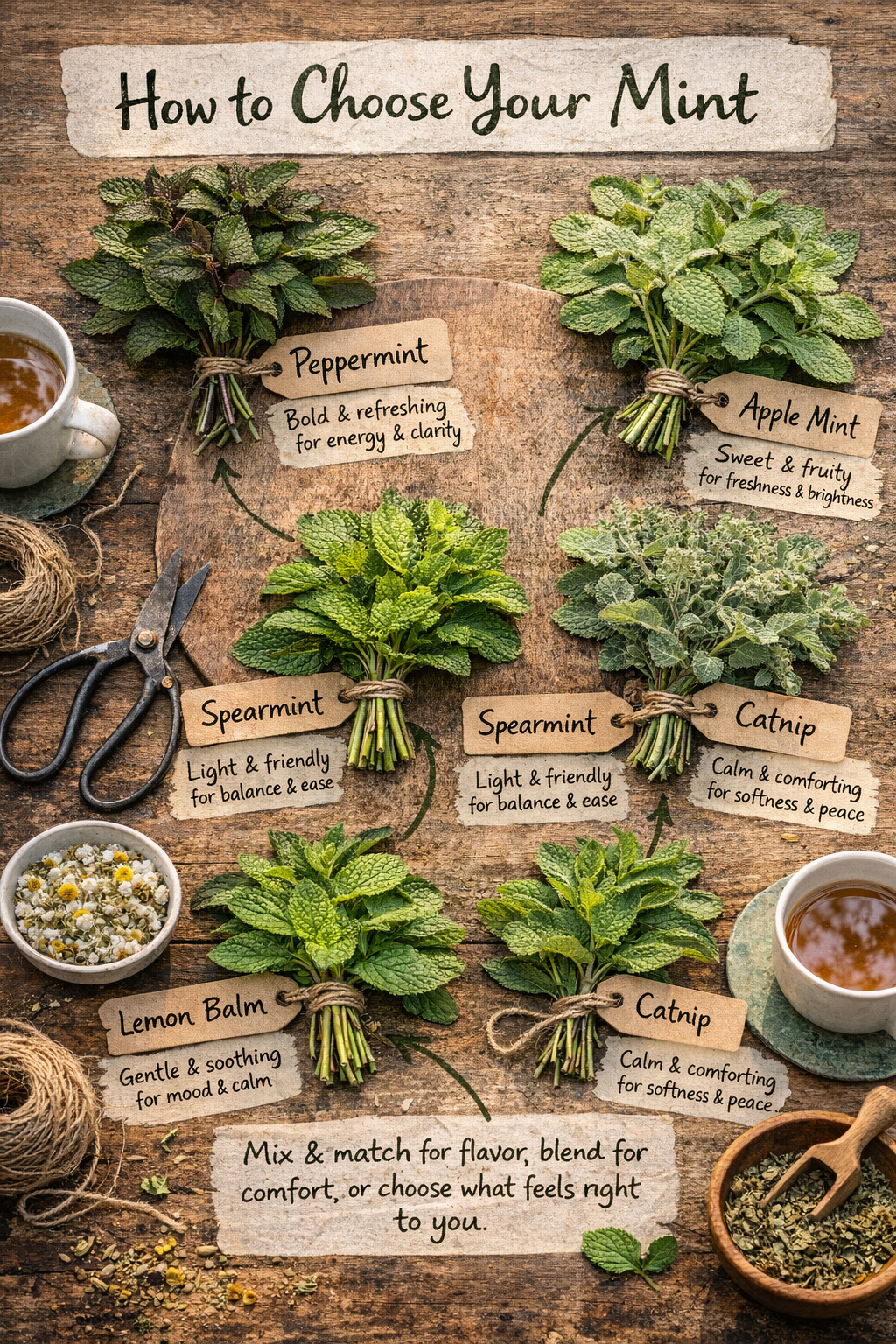
Spearmint: Sweet, familiar, and versatile.
Lemon balm: Soft, citrusy, and rounded.
Chamomile: Gentle and floral.
Lemon balm with spearmint: A bright but approachable combination.
Add a Supporting Herb
A supporting herb introduces a second flavor, adds depth, or helps the ingredients feel connected. For example:
Peppermint: Adds a strong cooling note.
Anise hyssop: Brings sweetness and a gentle licorice character.
Rose: Adds a delicate floral aroma.
Catnip: Contributes a soft, earthy note.
Thyme: Adds an earthy, slightly peppery character.
Use Strong Herbs Carefully
Some herbs can dominate a blend even in small amounts. Peppermint, rosemary, oregano, and strongly aromatic sage are good examples of herbs whose intensity deserves consideration.
Begin with a small amount, taste the result, and adjust. A strong herb does not need to be the main ingredient to make its presence felt.
Think About Flavor Balance
A few simple principles can help guide experimentation:
Cooling and warm: Peppermint and ginger create a contrast between freshness and warmth.
Sweet and citrusy: Anise hyssop and lemon balm complement one another.
Floral and minty: Rose or chamomile can soften the sharper edges of peppermint.
Fruit and mint: Strawberry mint, pineapple mint, or spearmint can complement fruit-forward blends.
Earthy and bright: A small amount of a more robust herb can add depth to a blend built around gentler ingredients.
These are starting points, not fixed formulas. The proportions that work best will depend on the dried herbs, their freshness, the cut of the plant material, and your own preferences.
Part Four:
Flavor Companions That Pair Well with Mint
Mint does not have to stand alone. A few complementary ingredients can round out its flavor, add warmth, or create a more distinctive aromatic experience.
Cinnamon brings warmth and depth, particularly to apple, vanilla, and dessert-inspired blends.
Star anise contributes a sweet, licorice-like aroma that can complement spearmint, anise hyssop, and certain spiced teas.
Vanilla softens sharp or bitter impressions and gives a blend a rounder, dessert-like character.
Lemon zest adds a bright citrus aroma without requiring lemon juice or its acidity.
Ginger introduces warmth and a little bite, creating contrast with cool mints.
Rose contributes floral depth and pairs particularly well with spearmint and lemon balm.
Chamomile offers a soft, familiar floral note that can help balance stronger flavors.
Use these ingredients thoughtfully. A small amount may be enough to establish the intended character while allowing the herbs themselves to remain recognizable.
Part Five:
Blending for Mood, Flavor, and Intention
Herbal teas can be chosen for many reasons: their flavor, their aroma, the traditions associated with their ingredients, or the feeling of ritual that accompanies preparing a cup.
Mint-family herbs can play an important role in these blends. Their aromatic leaves may brighten a heavy flavor, soften a sharp one, or help connect ingredients that otherwise seem unrelated.
Gentle and Comforting Blends
When you want a soft, approachable cup, consider lemon balm, chamomile, spearmint, catnip, or linden. These herbs offer gentler flavors that can work together without one necessarily dominating.
Bright and Refreshing Blends
Peppermint, spearmint, orange mint, and lemon balm can bring freshness and aromatic lift. Citrus, fruit, or a small amount of ginger can add another layer of character.
Warm and Complex Blends
Anise hyssop, cinnamon, vanilla, and selected aromatic herbs can create a rounder, more layered cup. Start with the flavor you want to emphasize and add supporting notes gradually.
Ritual and Reflective Blends
For teas prepared as part of a personal ritual, the meaning of an ingredient may matter as much as its taste. Rose, mint, chamomile, and other aromatic herbs can be chosen for their fragrance, symbolism, or place in a personal tradition.
A thoughtful blend does not need to contain many ingredients. Sometimes two or three well-chosen herbs make a more memorable cup than a complicated mixture.
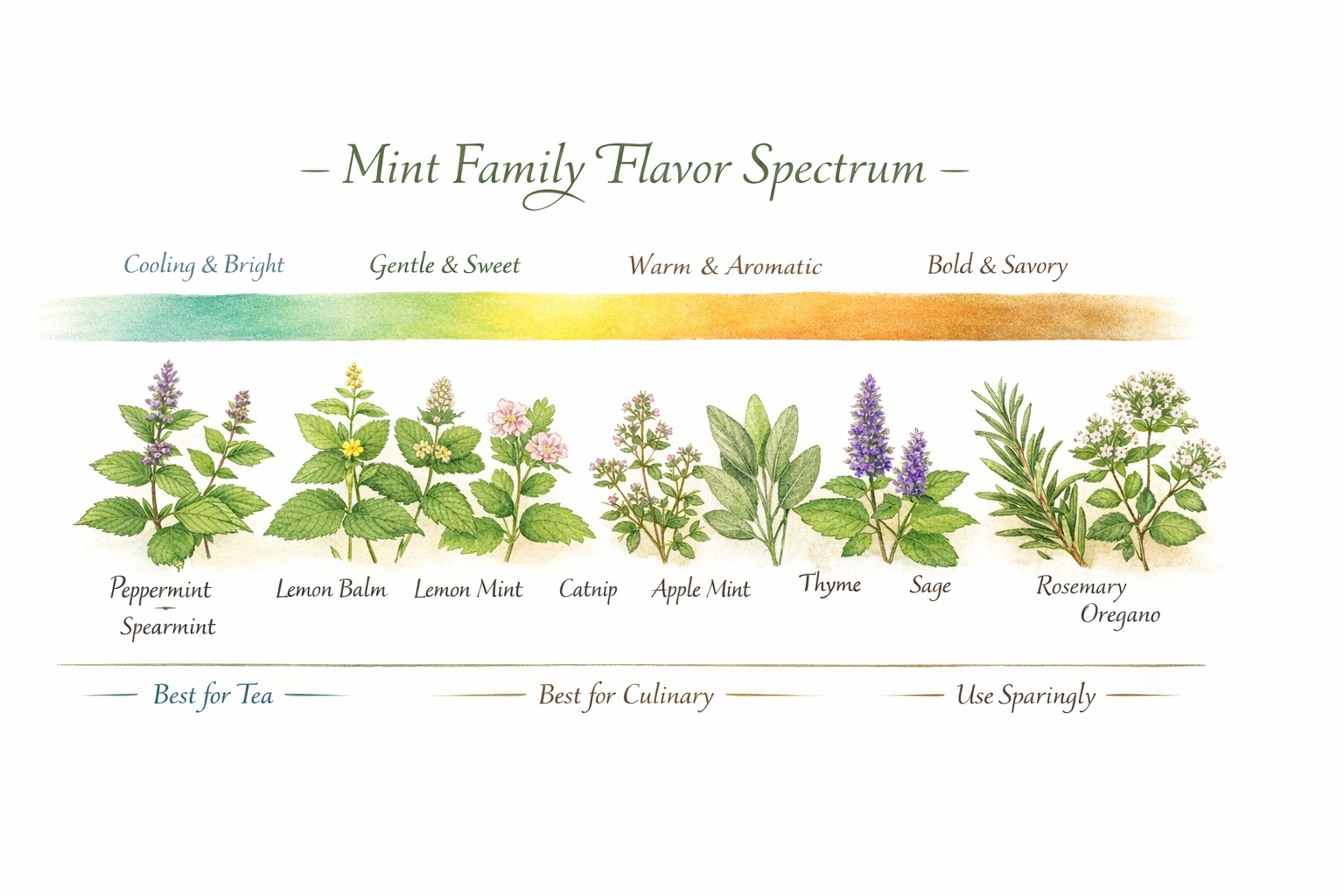
A helpful rule of thumb:
Let each herb contribute something distinct. A blend is at its best when the ingredients work together rather than competing for attention.
Part Six:
Experiment, Taste, and Make It Your Own
Tea blending is both a practical skill and a creative process. Even familiar herbs can taste different depending on how they were grown, harvested, dried, stored, and prepared.
When experimenting:
Start with a small batch so you can adjust the proportions without wasting ingredients.
Record the herbs and approximate amounts you use.
Taste the blend before adding sweeteners or other flavorings.
Change one ingredient at a time so you can tell what made the difference.
Revisit promising blends after a little time; some flavors become more apparent as the ingredients mingle.
Remember that dried herbs can vary in strength from batch to batch. A recipe that works beautifully with one harvest may need a small adjustment with another.
When preparing herbs for consumption, use correctly identified plants intended for food or tea use, and take account of relevant safety considerations, including allergies, medications, pregnancy, and other individual circumstances.
Explore More at Heart of Rock Farm
The mint family offers a wonderful starting point for discovering the many ways herbs can complement one another. From the cool clarity of peppermint to the sweet fragrance of anise hyssop, each plant has its own place in the garden and the teacup.
Explore our individual Herbal Profiles to learn more about the plants, visit the Herb Shop to see what is currently available, or discover our ready-made Herbal Tea Blends for inspiration.
May your experiments lead you to new favorites, unexpected combinations, and many memorable cups.
Herbal Profiles
Learn more about individual herbs