
Mint Family Comparison
The mint family (Lamiaceae) includes some of the most familiar, generous, and opinionated plants on the farm. While they share square stems, aromatic leaves, and a tendency to spread, individual mints differ greatly in flavor, strength, temperament, and traditional use. You might be surprised by some of the herbs that are actually part of the mint family!
This guide offers a simple comparison of the mints currently featured on the farm, along with a few closely related plants you may encounter here in the future.
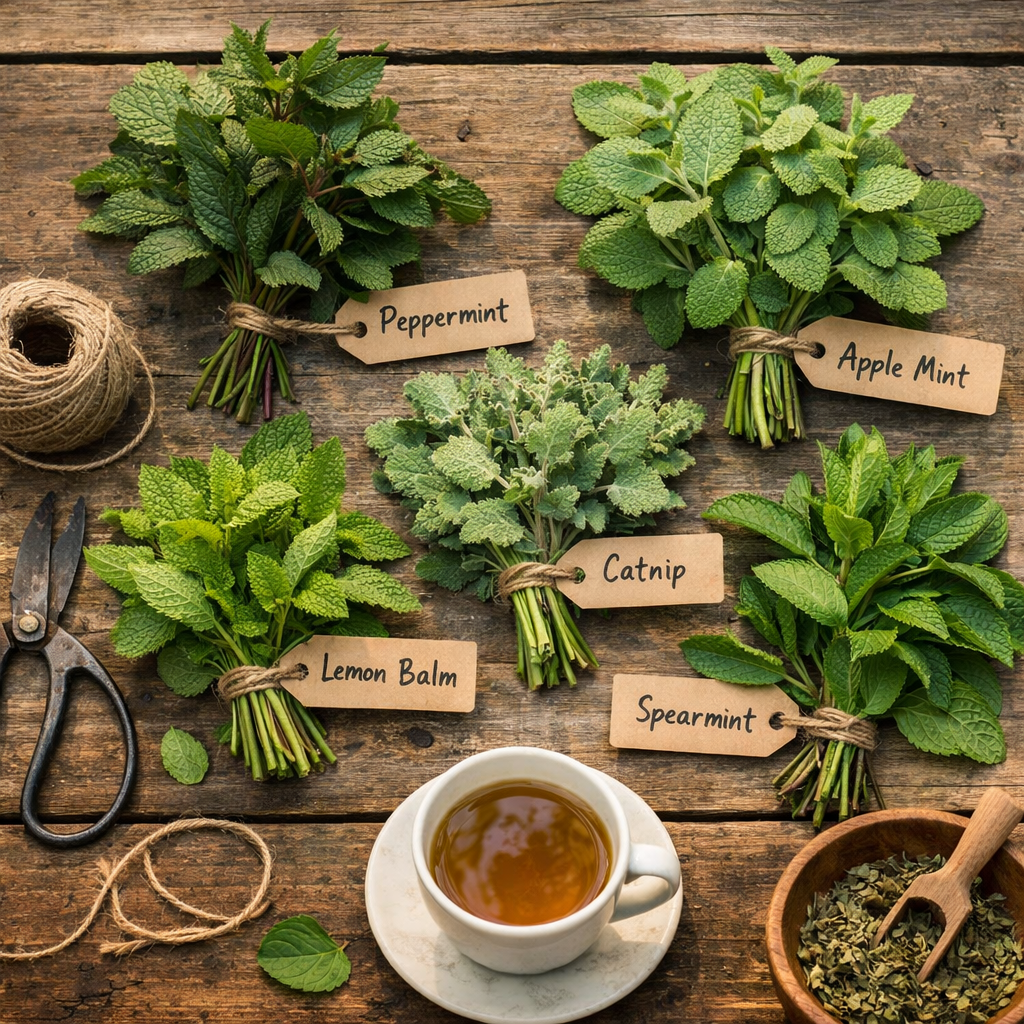
Peppermint (Mentha × piperita)
Personality: Bold, cooling, stimulating
Flavor & Aroma: Sharp, intense, menthol-forward
Growth Habit: Vigorous perennial; spreads readily via runners
Traditionally Used For:
Digestive comfort and after-meal support
Aromatic applications (steam, chest rubs, external use)
Strong-flavored herbal teas
Cleansing and clarity-focused ritual work
Good to Know: Peppermint is powerful and fast-acting in sensory terms. A little goes a long way, both in the garden and in use.
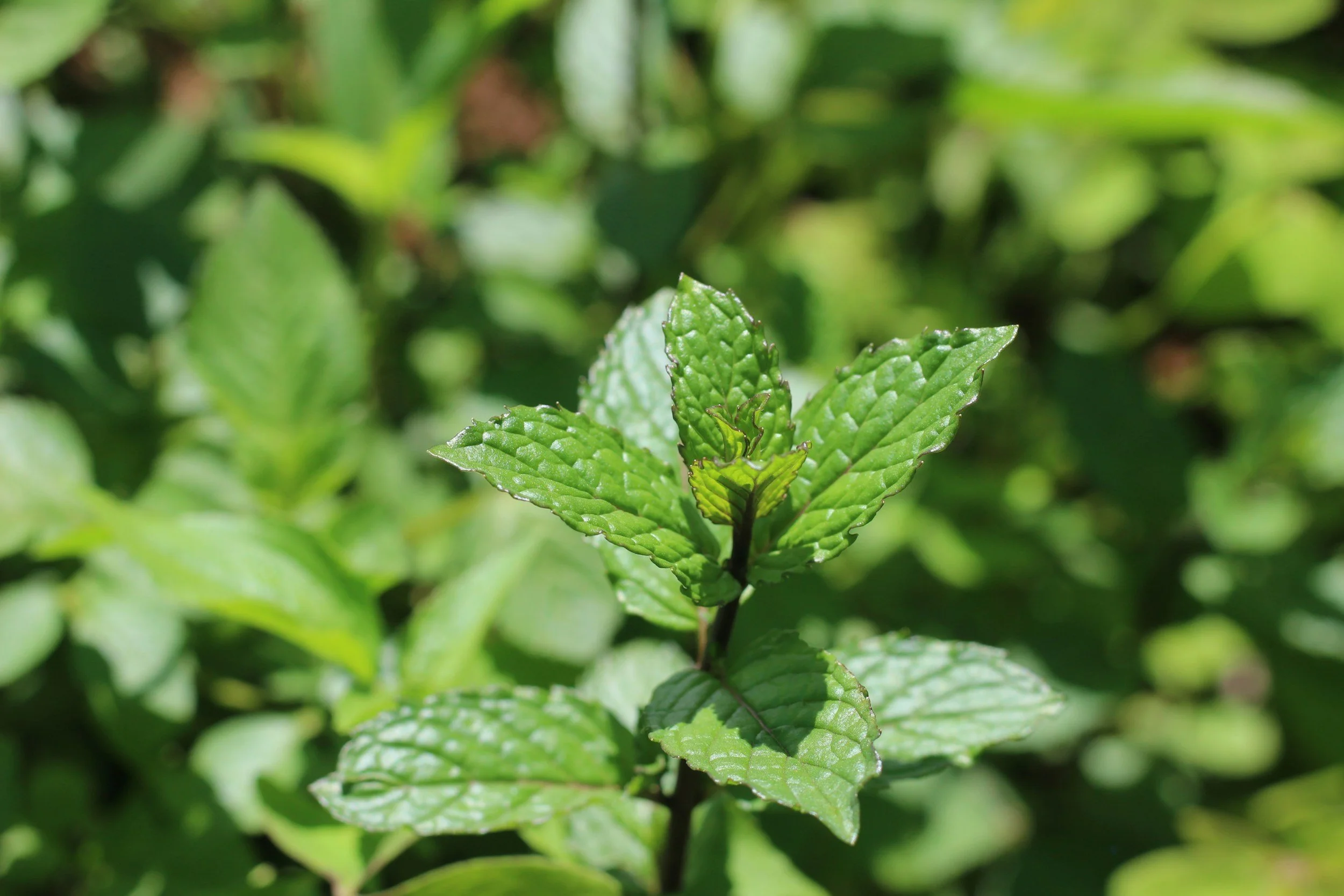
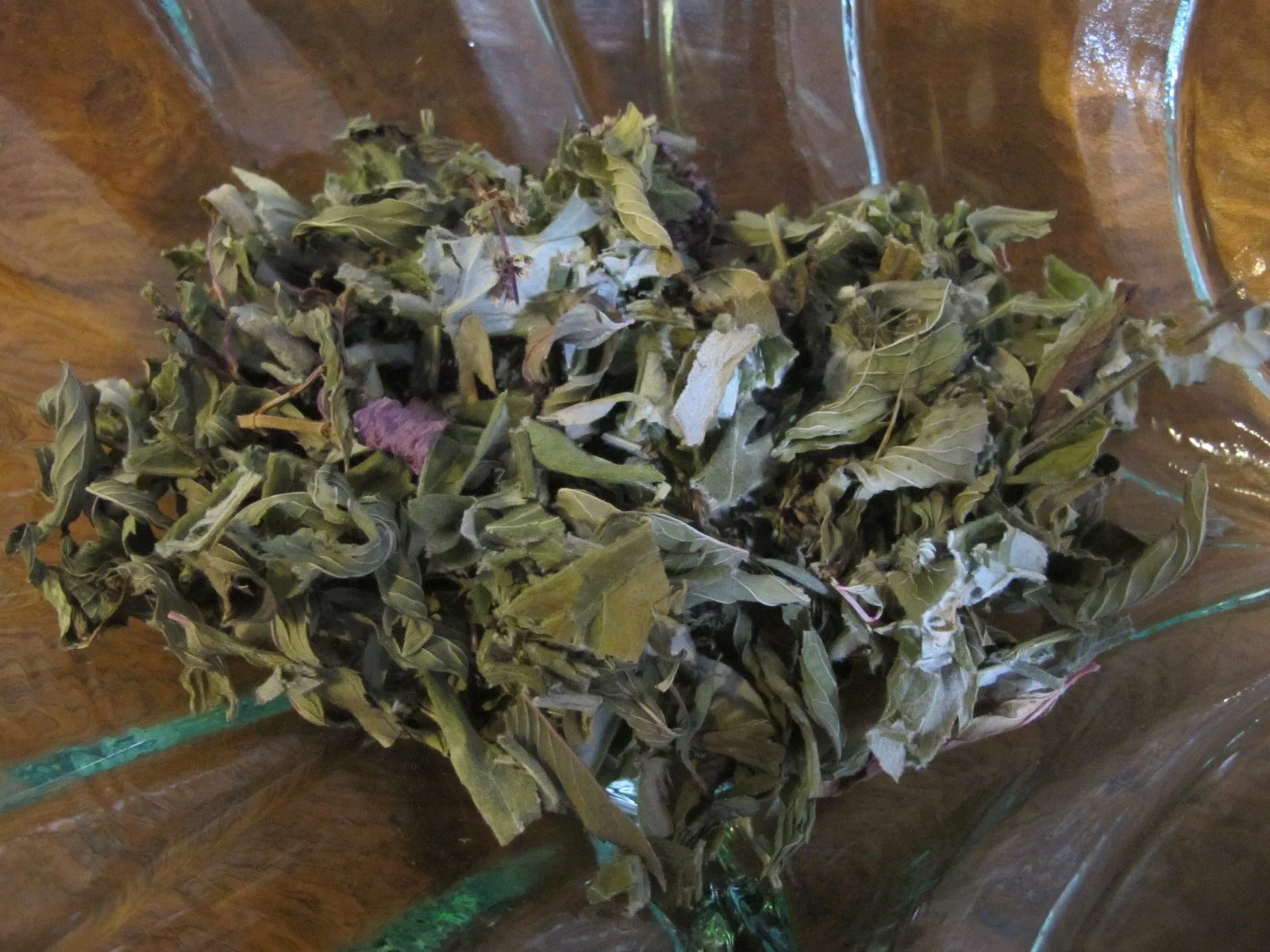
Spearmint (Mentha spicata)
Personality: Friendly, approachable, refreshing
Flavor & Aroma: Sweet, mild, gently minty
Growth Habit: Vigorous perennial; spreads but less aggressively than peppermint
Traditionally Used For:
Everyday culinary use
Gentle digestive teas
Refreshing beverages
Practices focused on openness, hospitality, and emotional ease
Good to Know: Spearmint is often the most versatile and forgiving mint, especially for frequent use or blending.
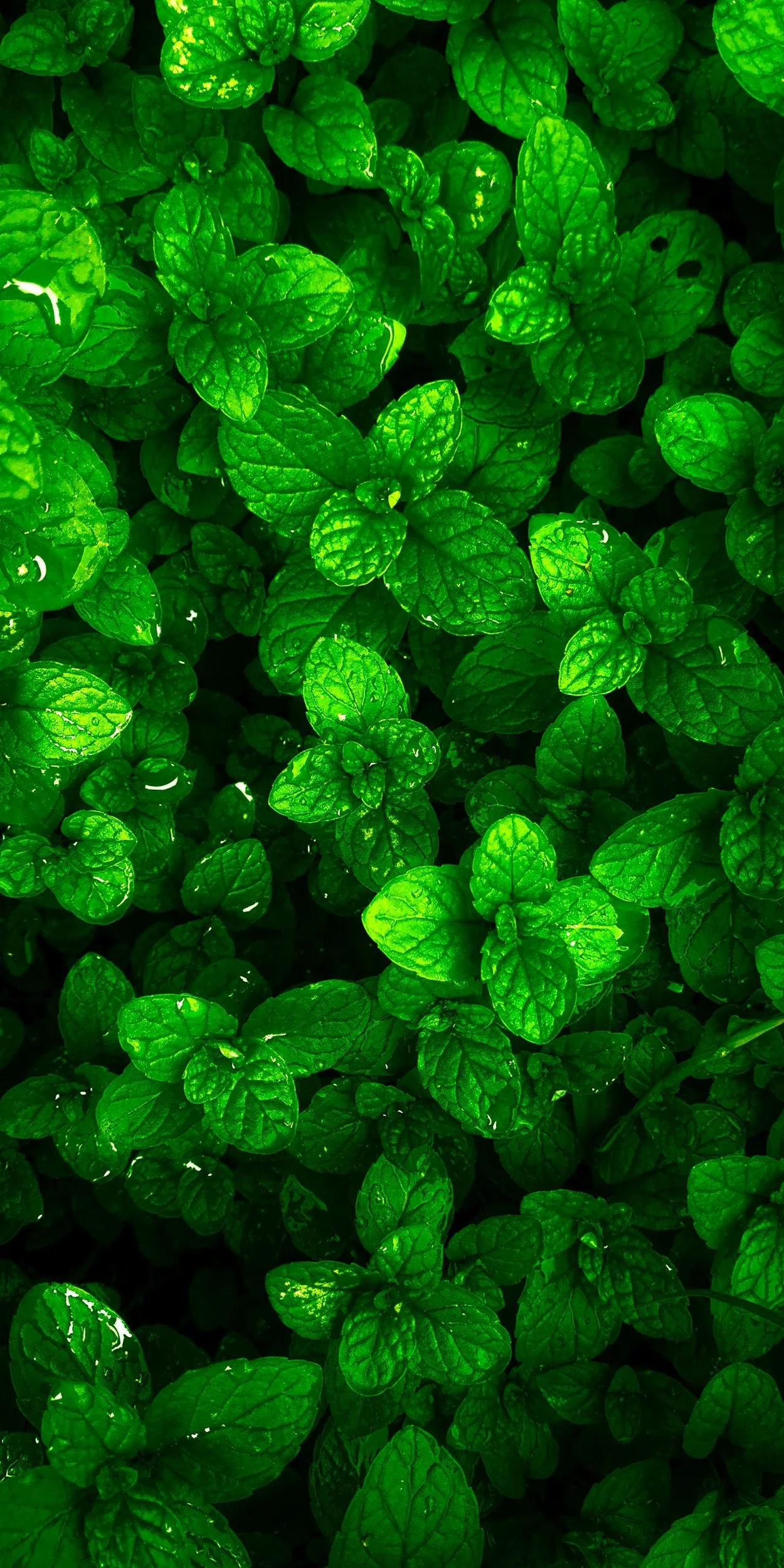
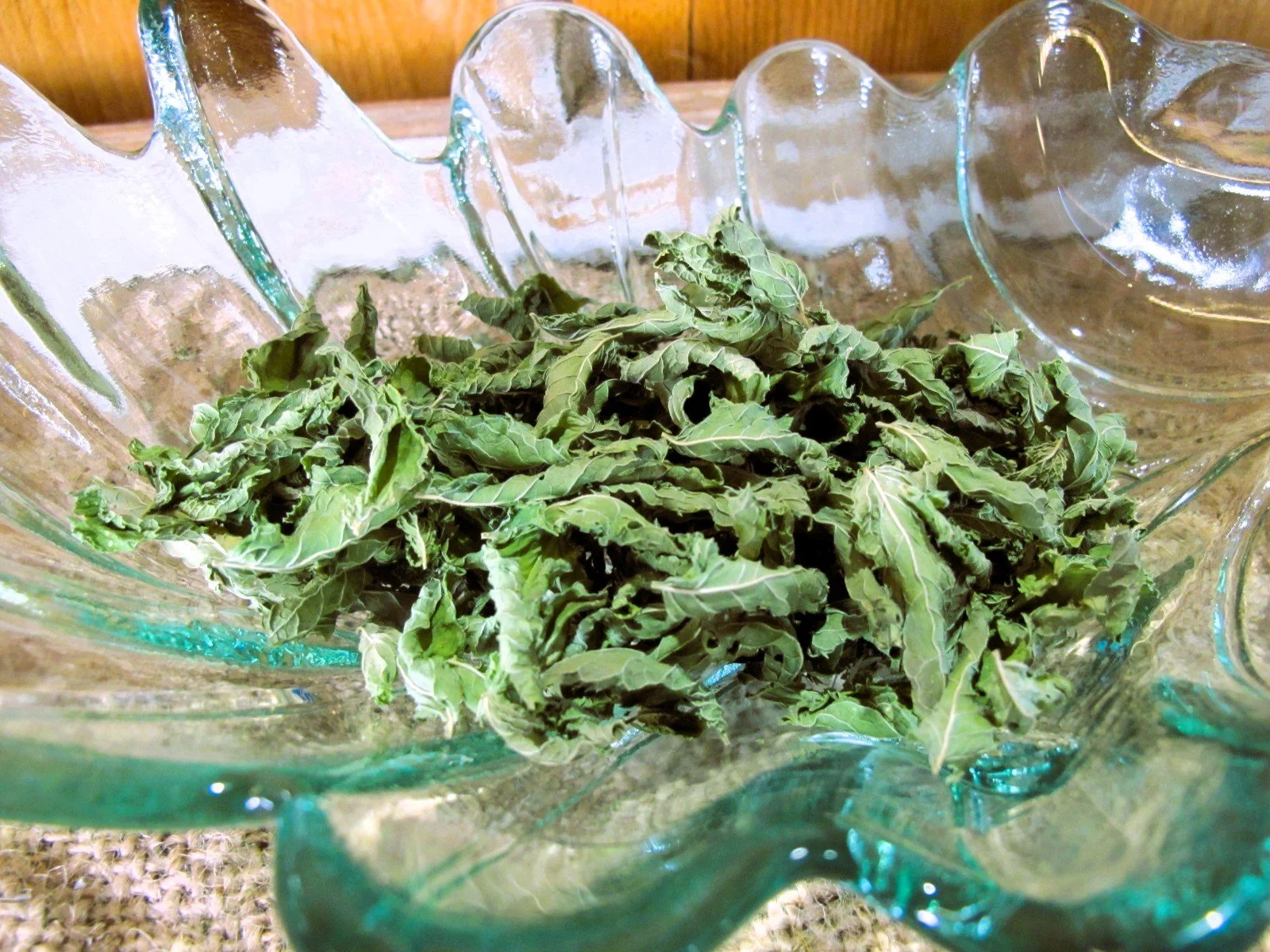
Lemon Balm (Melissa officinalis)
Personality: Calming, comforting, uplifting
Flavor & Aroma: Soft lemon with mild mint undertones
Growth Habit: Herbaceous perennial; self-seeds easily
Traditionally Used For:
Nervous system support in folk traditions
Gentle evening teas
Emotional soothing and heart-centered practices
Blends focused on relaxation and reassurance
Good to Know: Lemon balm is technically a mint-family plant, but behaves more like a calming herb than a classic mint.
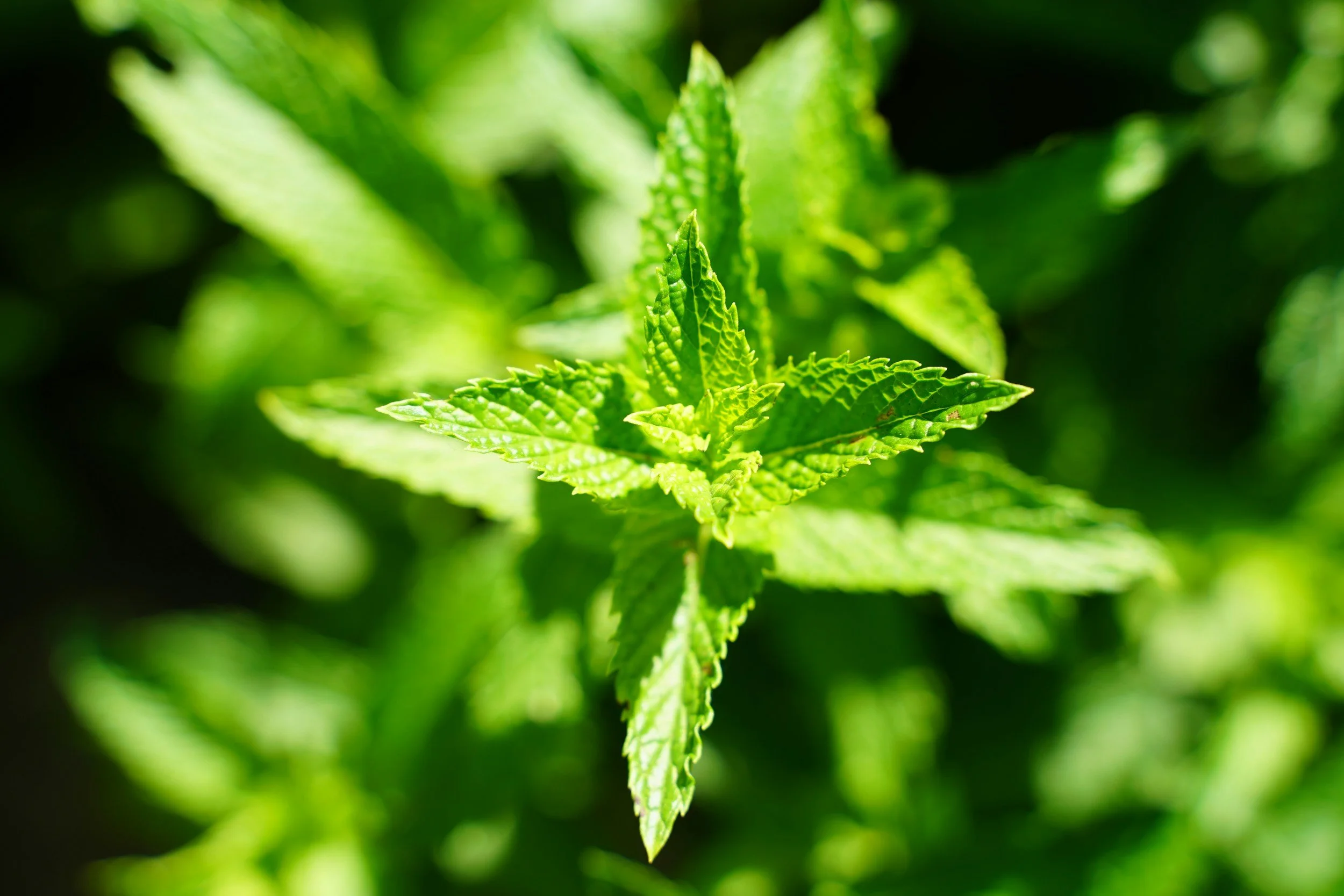
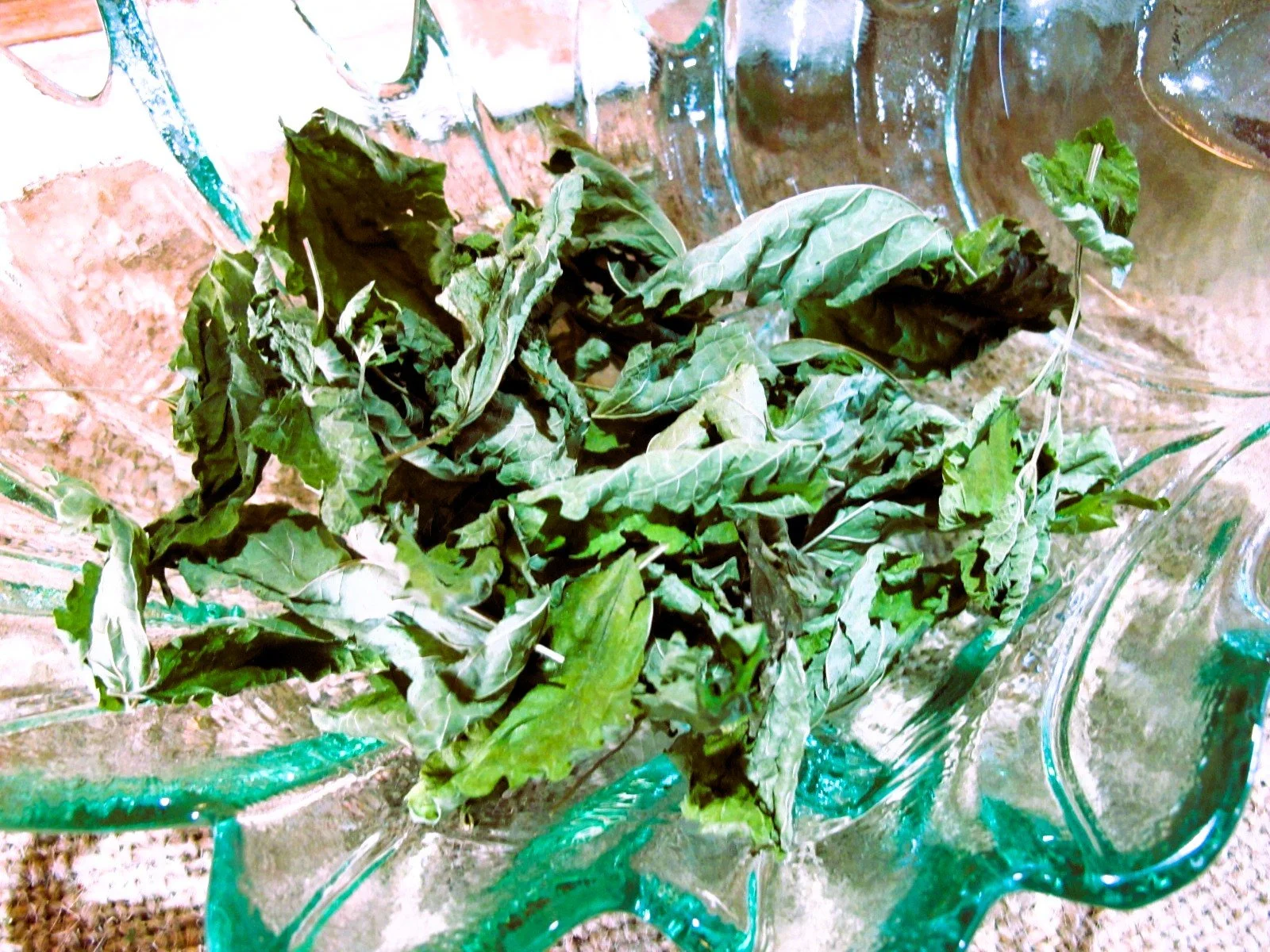
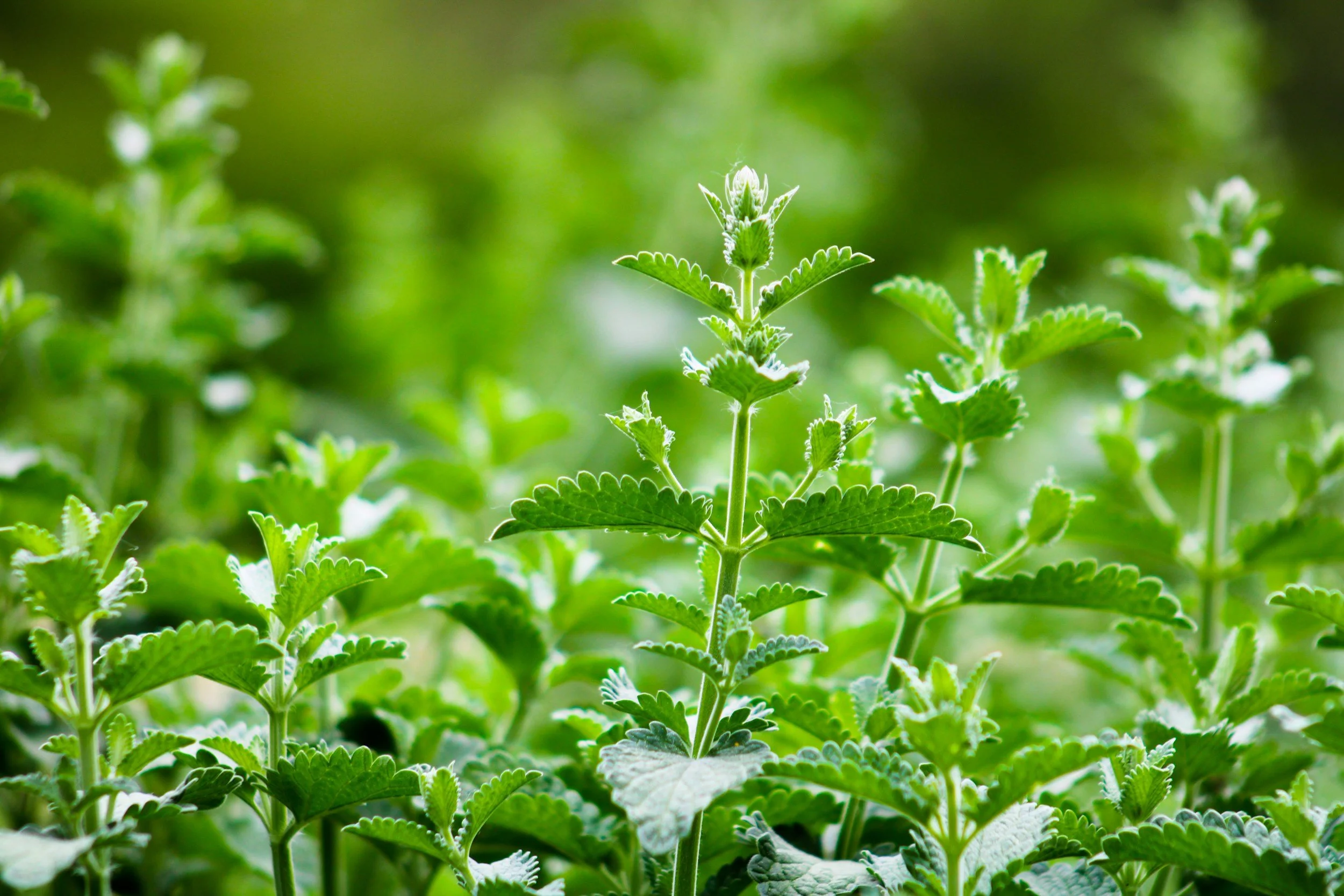
Catnip / Catmint (Nepeta cataria, Nepeta spp.)
Personality: Playful, relaxing, quietly powerful
Flavor & Aroma: Earthy, slightly minty, green
Growth Habit: Perennial; drought-tolerant and resilient
Traditionally Used For:
Calming teas in folk herbalism
Relaxation and sleep-support blends
Gentle nervous-system traditions
(Famously) feline enrichment
Good to Know: Catnip and ornamental catmints are closely related. While cats may roll, people often find catnip surprisingly soothing.
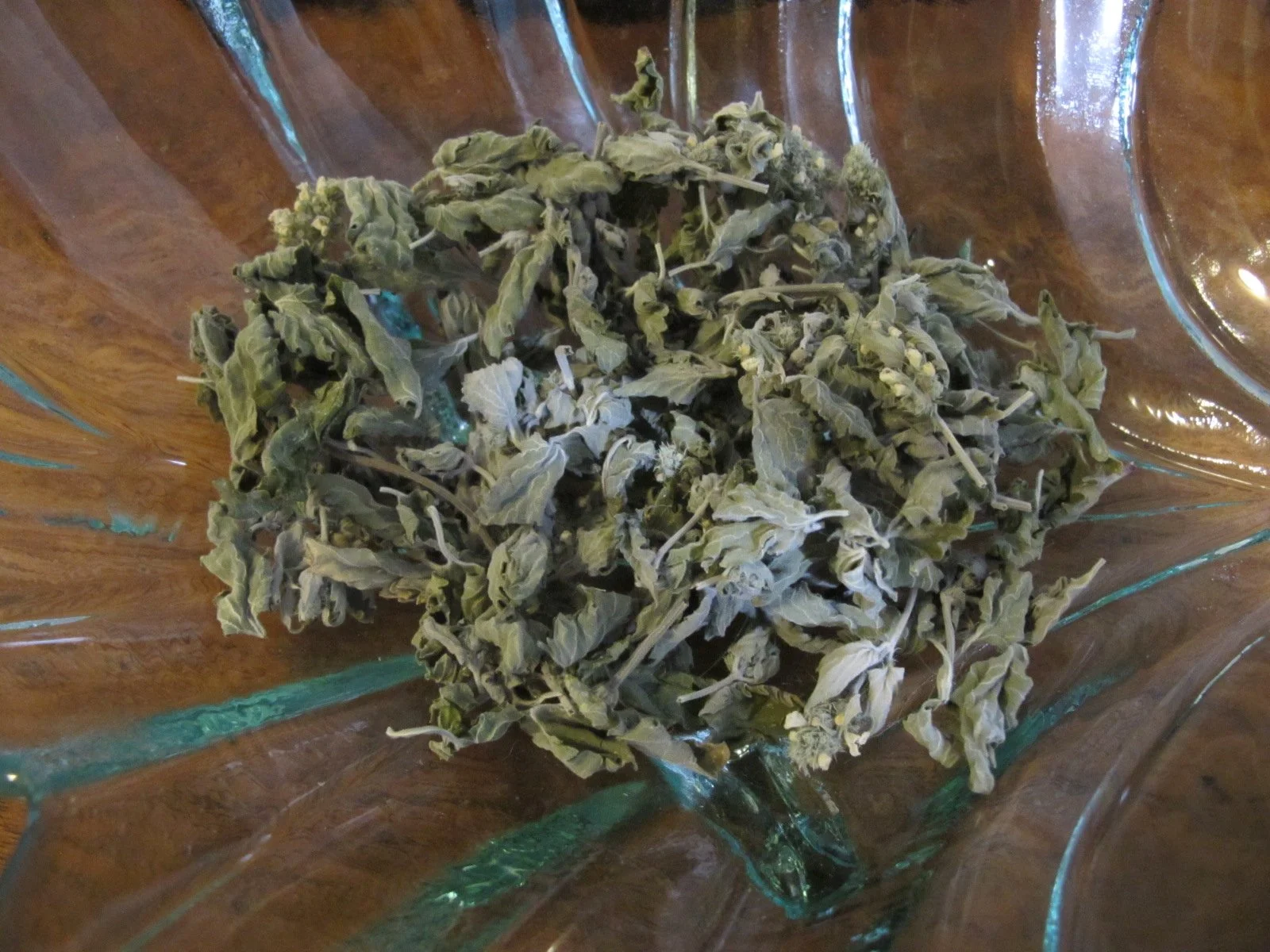
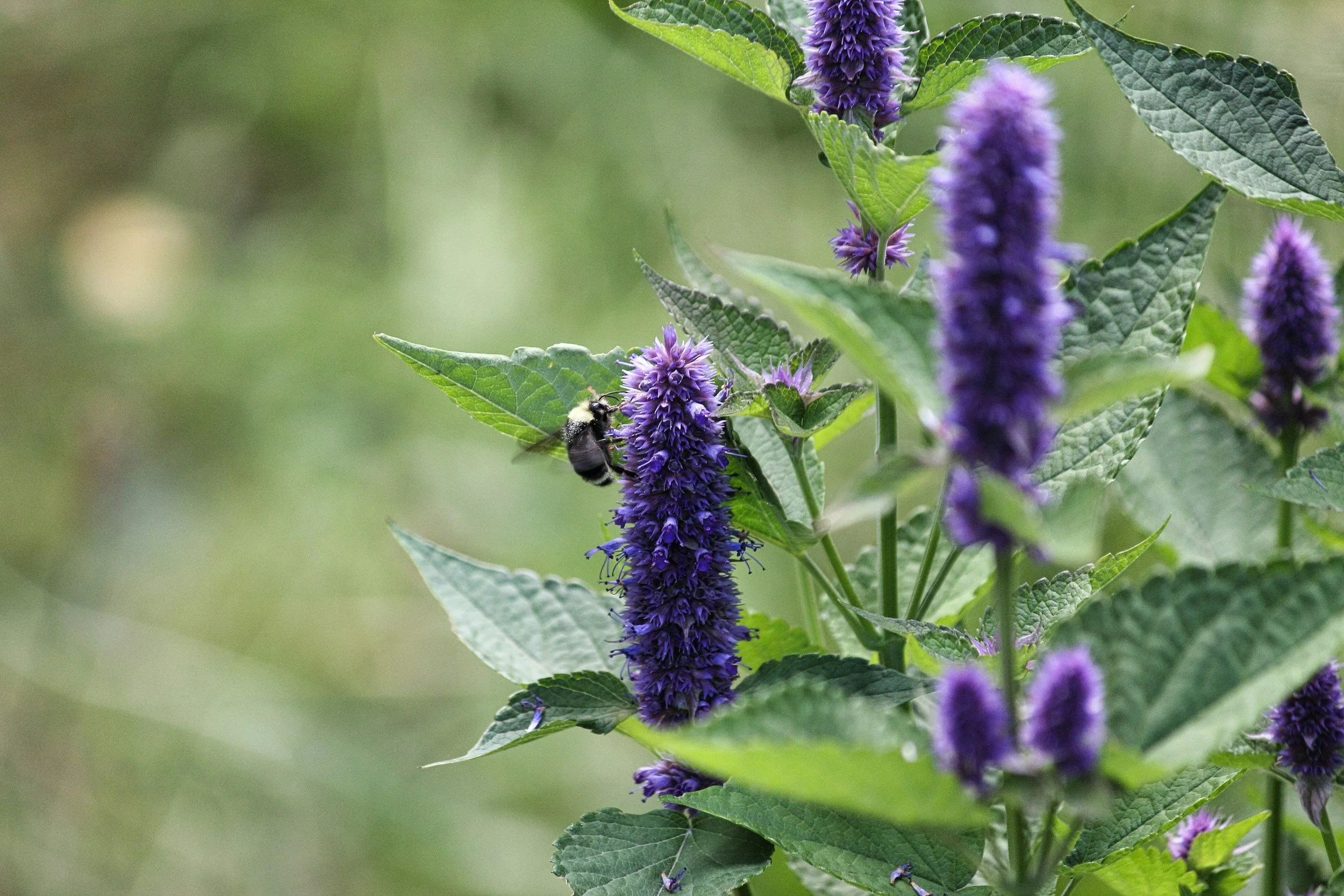
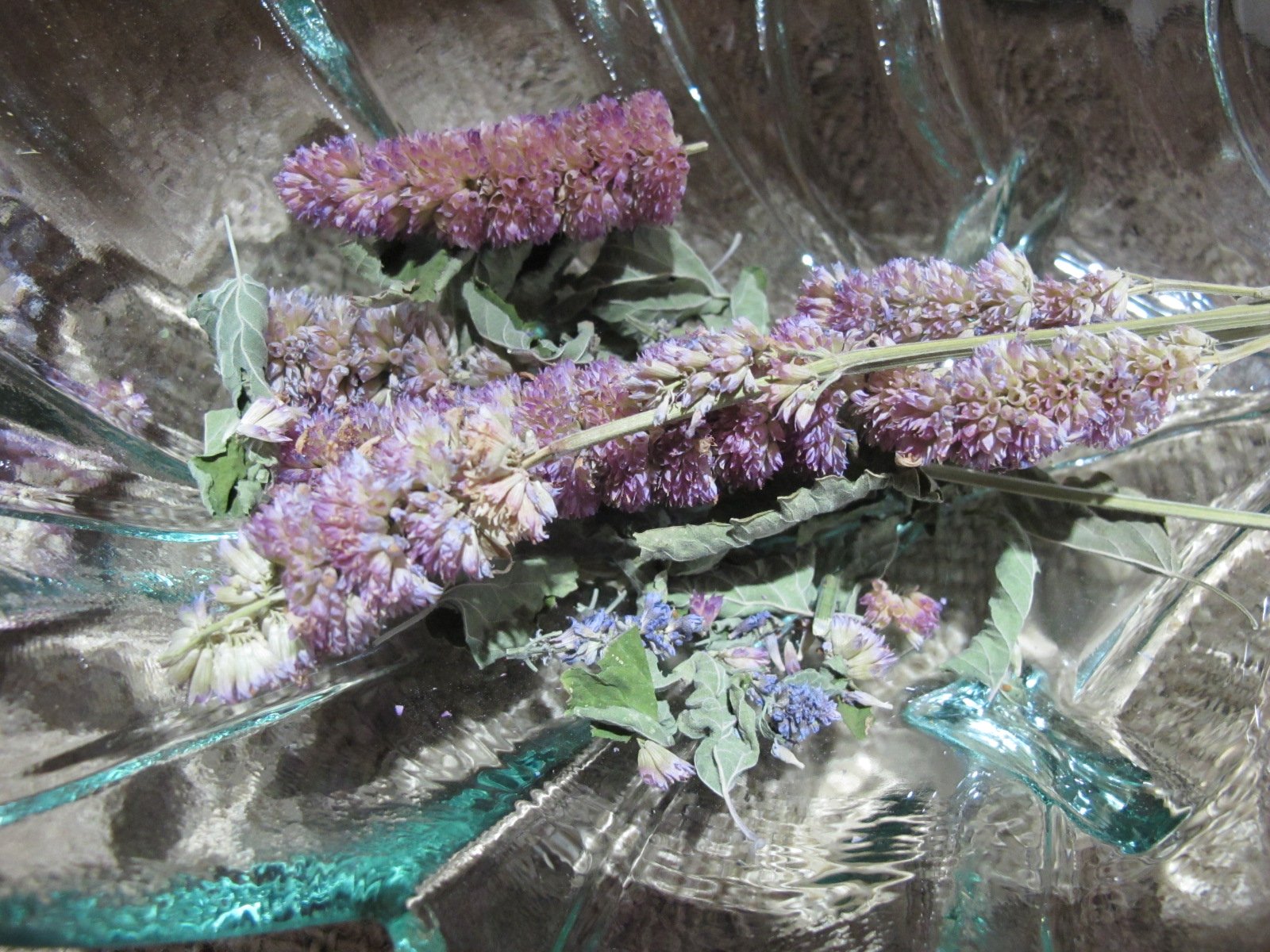
Anise Hyssop (Agastache foeniculum)
Personality: Warm, expressive, and quietly confident. Anise hyssop often plays the role of harmonizer, adding depth and warmth to blends while softening sharper notes.
Flavor & Aroma: Sweet, herbal, with a gentle licorice note
Overall Character: Friendly, uplifting, and aromatic
Though not a true mint, anise hyssop belongs to the mint family and shares its square stems and aromatic leaves. Its flavor leans warm and sweet rather than sharp, making it a favorite for those who enjoy mint-adjacent herbs without strong cooling intensity.
Common Pairings: Spearmint, lemon balm, or chamomile
Good to Know: Anise Hyssop is a good choice if you like mint but want something softer and sweeter, and if you enjoy licorice or anise flavors.
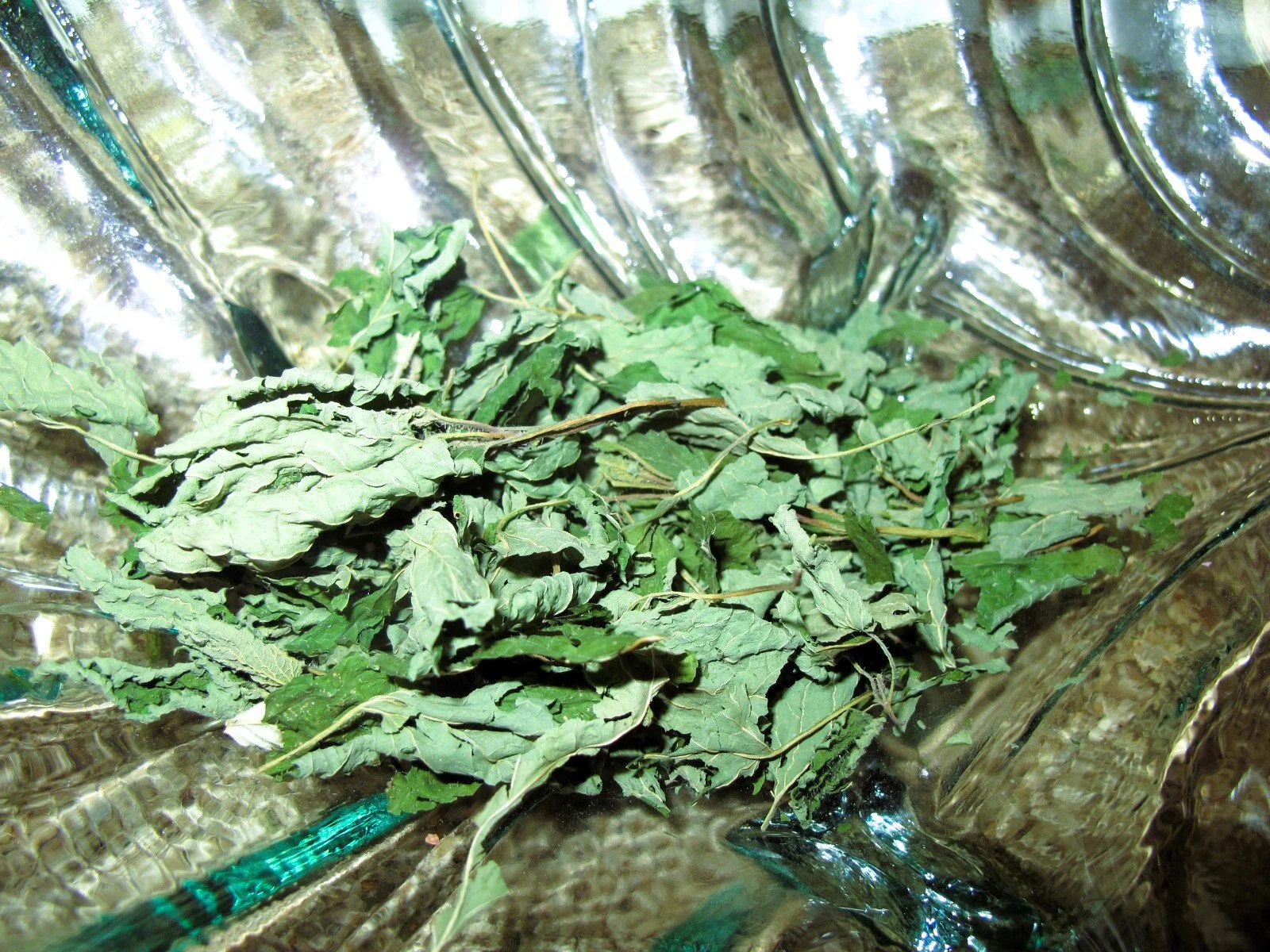
Lemon Mint (Mentha × gentilis)
Personality: Bright and easygoing; instantly familiar, yet slightly uplifting; cheerful rather than bracing.
Flavor & Aroma: Fresh mint with a bright lemon twist
Overall Character: Light, balanced, and refreshing
Lemon mint sits comfortably between spearmint and lemon balm, offering the familiarity of mint with a noticeable citrus lift. Its flavor is gentler than peppermint and less sharp than lemon zest, making it easy to enjoy across a wide range of uses.
Common Pairings: Chamomile, rose, lemon balm, and spearmint
Good to Know: Want a mint that isn’t overpowering? Enjoy citrus notes without sourness. Lemon mint is a versatile, crowd-friendly tea herb.
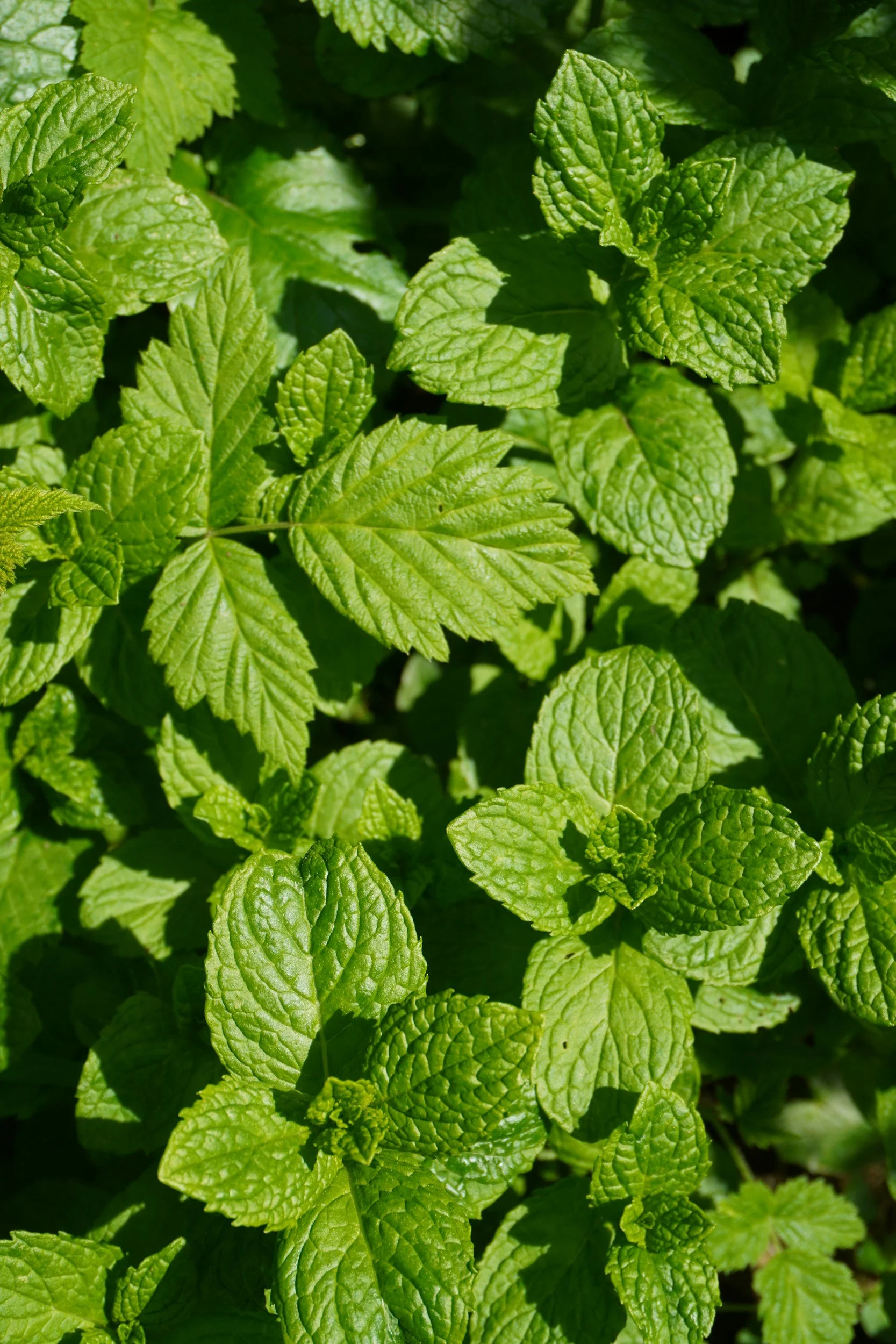
Oregano (Origanum vulgare)
Personality: Oregano is the steadfast guardian of the mint family — strong-willed, unapologetic, and best used with clear intention rather than casual familiarity.
Flavor & Aroma: Warm, earthy, robust
Overall Character: Bold, grounding, and protective
Oregano is one of the more assertive members of the mint family, known for its deep, savory aroma and strong presence. Less cooling than classic mints, it brings warmth and intensity, making it a plant that prefers purposeful use rather than casual blending.
Common Pairings: Pairs well with thyme, rosemary, lemon balm, and gentle mints that soften its strength.
Good to Know: Oregano is a good choice if you want a grounding, warming mint-family plant, and if you enjoy bold, savory flavors.
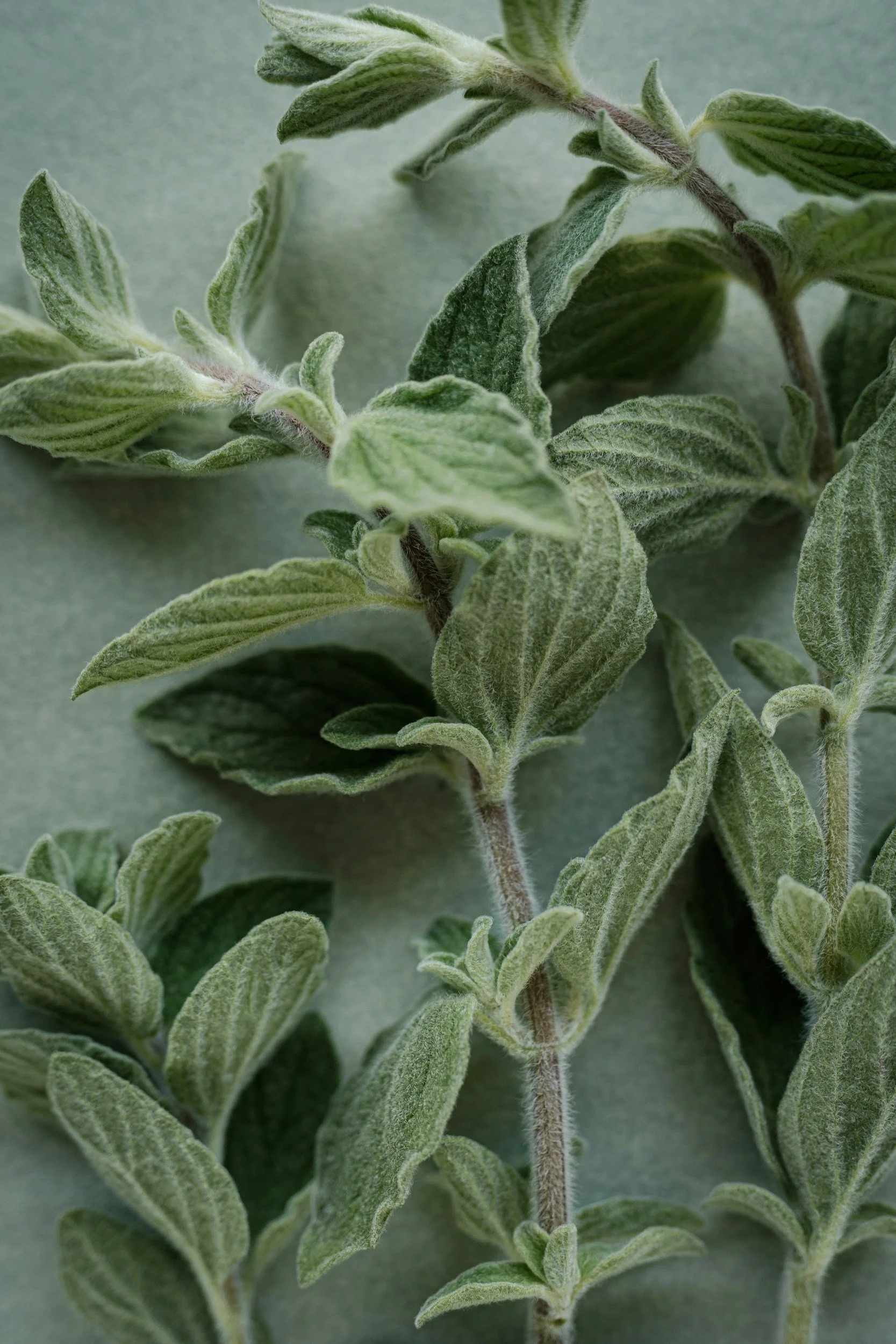
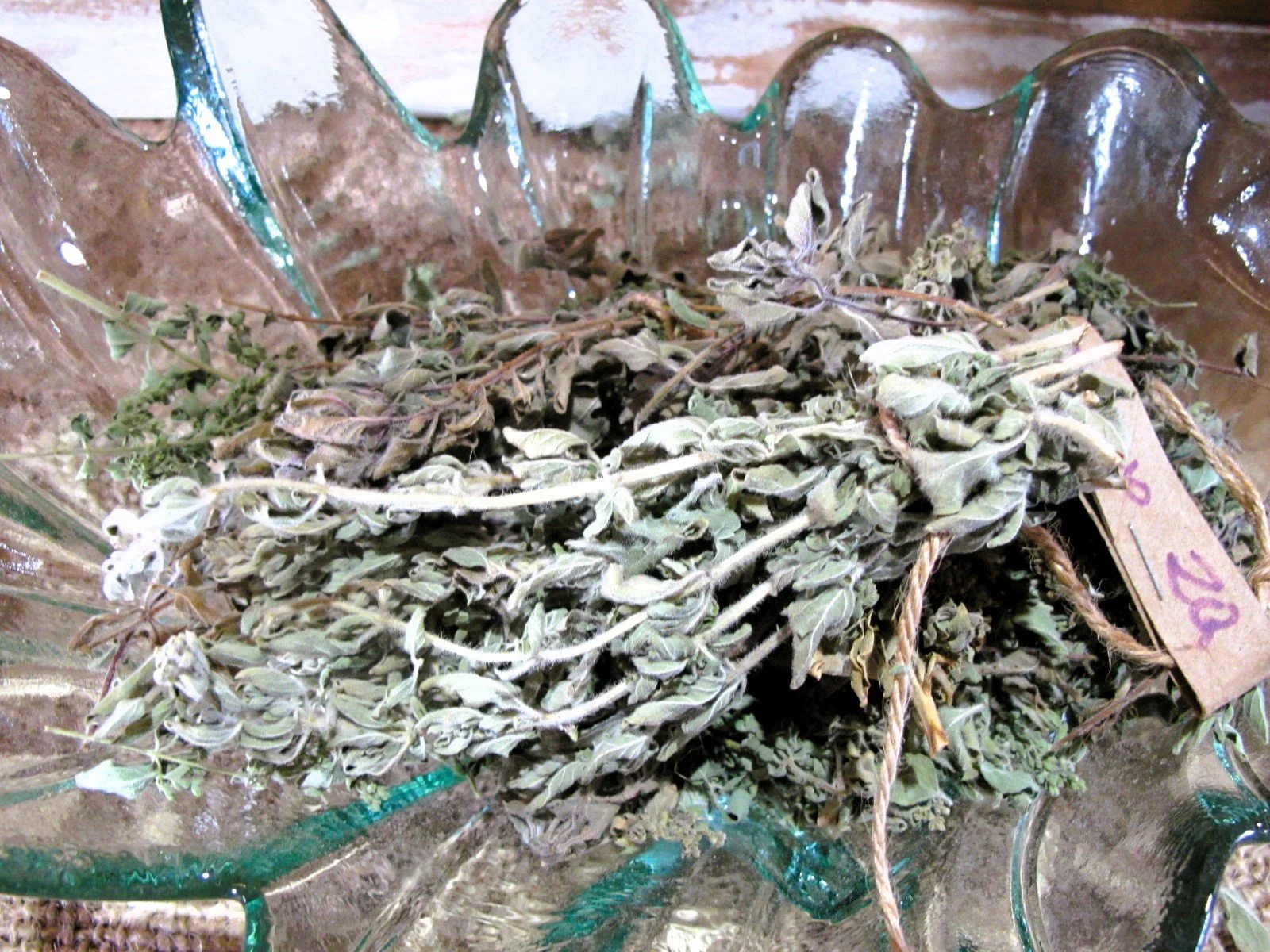
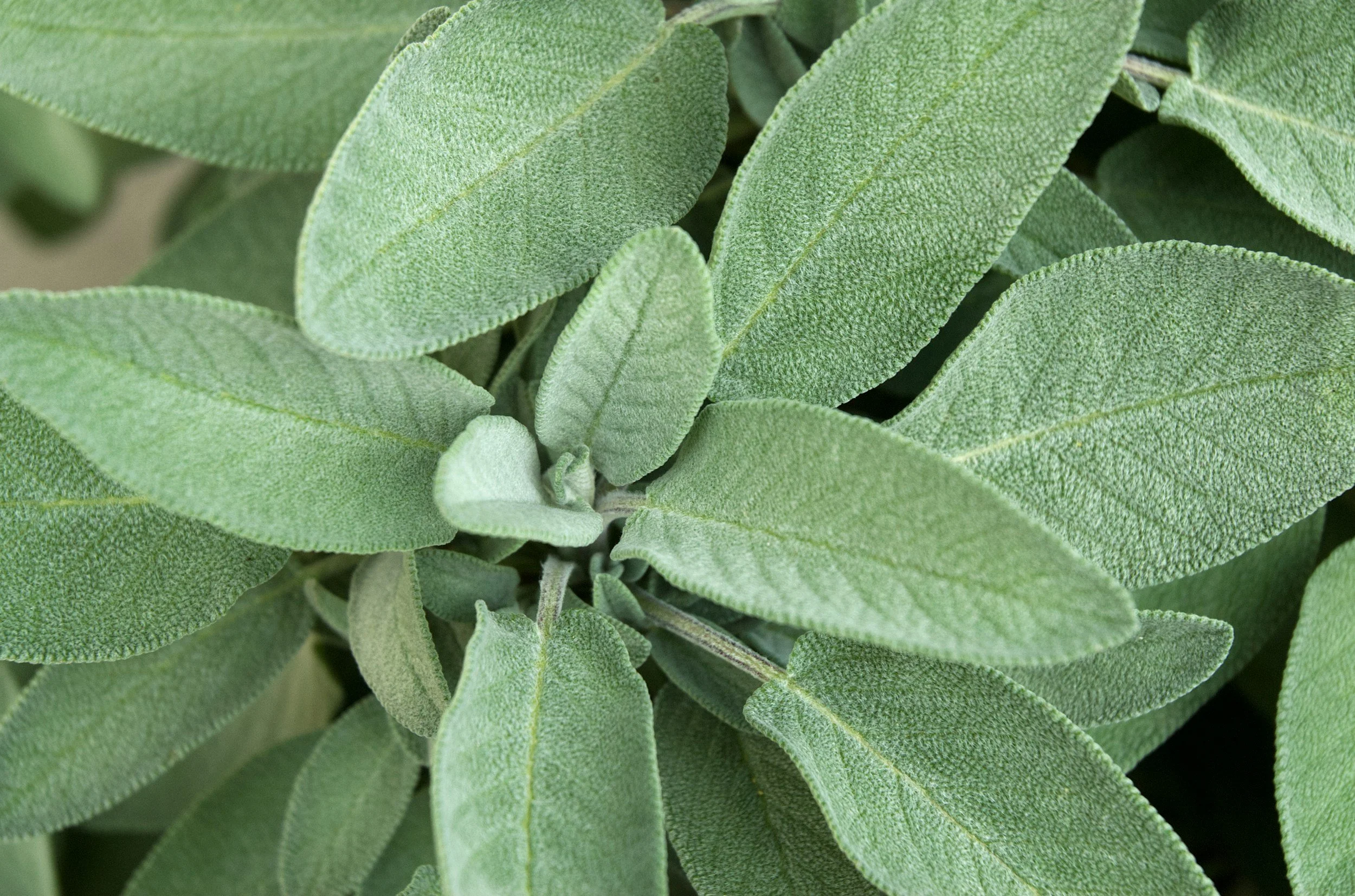
Sage (Salvia officinalis)
Personality: Sage is the wise keeper of the mint family — steady, discerning, and quietly powerful, offering clarity and grounding without haste.
Flavor & Aroma: Earthy, savory, slightly resinous
Overall Character: Grounding, clarifying, and protective
Sage is a long-respected member of the mint family, known for its strong aroma and deep roots in both culinary and ceremonial traditions. Less bright than mint and less sharp than rosemary, it carries a calm, anchoring presence that works best when used with intention and balance.
Common Pairings: Pairs well with rosemary, thyme, oregano, lemon balm, and gentler mints that soften its depth.
Good to Know: Sage is a good choice if you want a stabilizing, clarifying mint-family plant, and if you’re drawn to herbs with a strong sense of tradition and purpose.
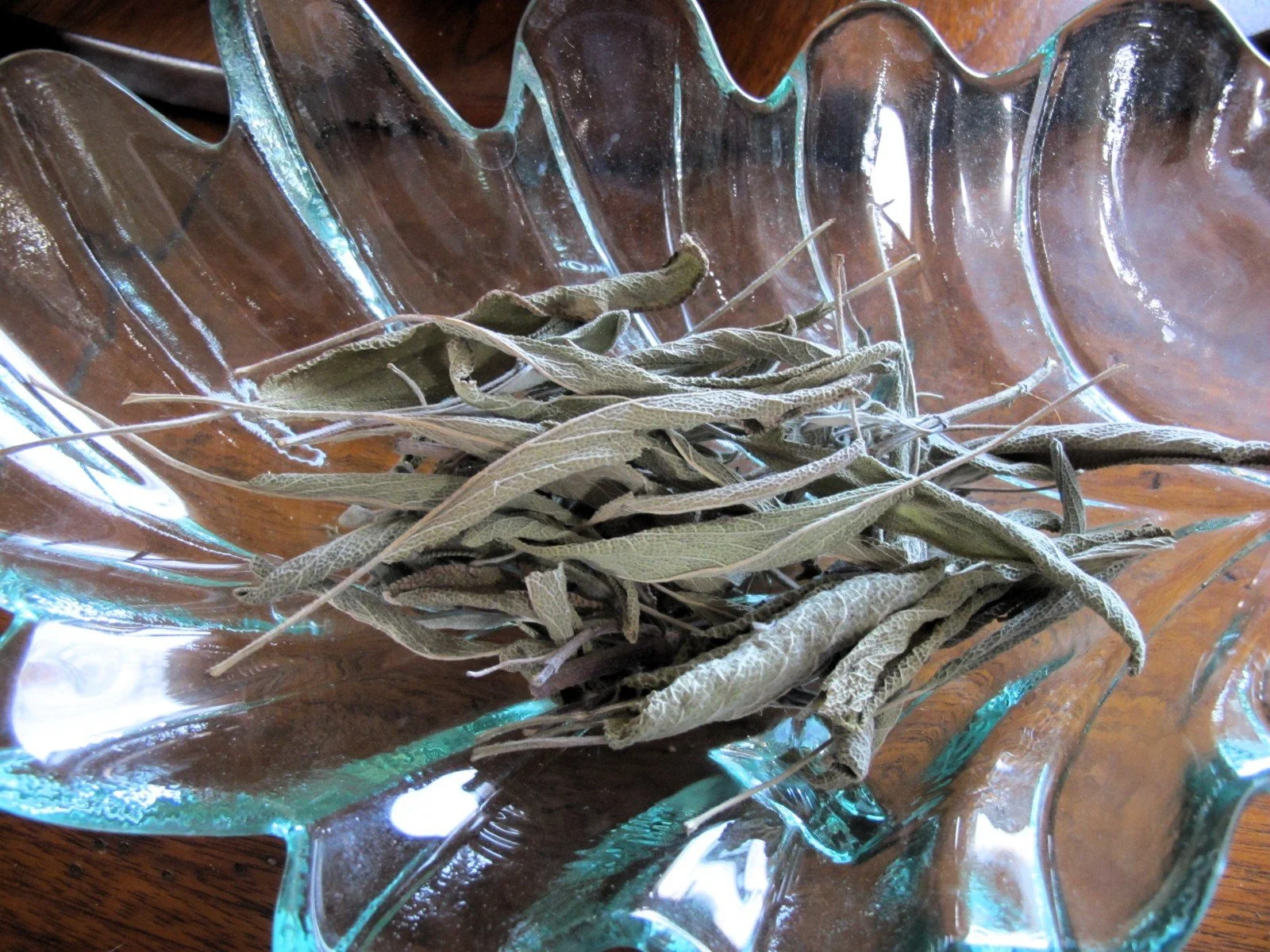
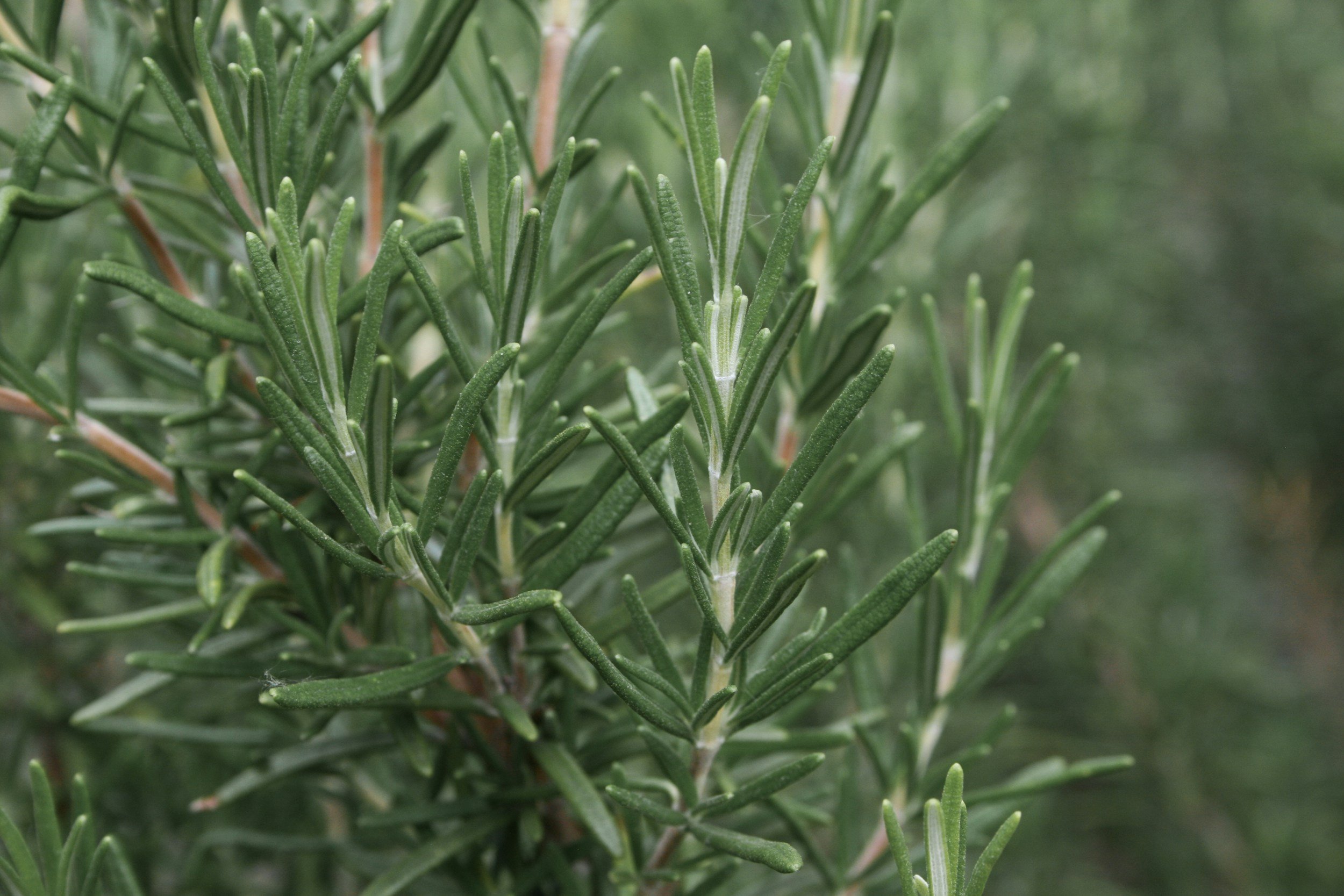
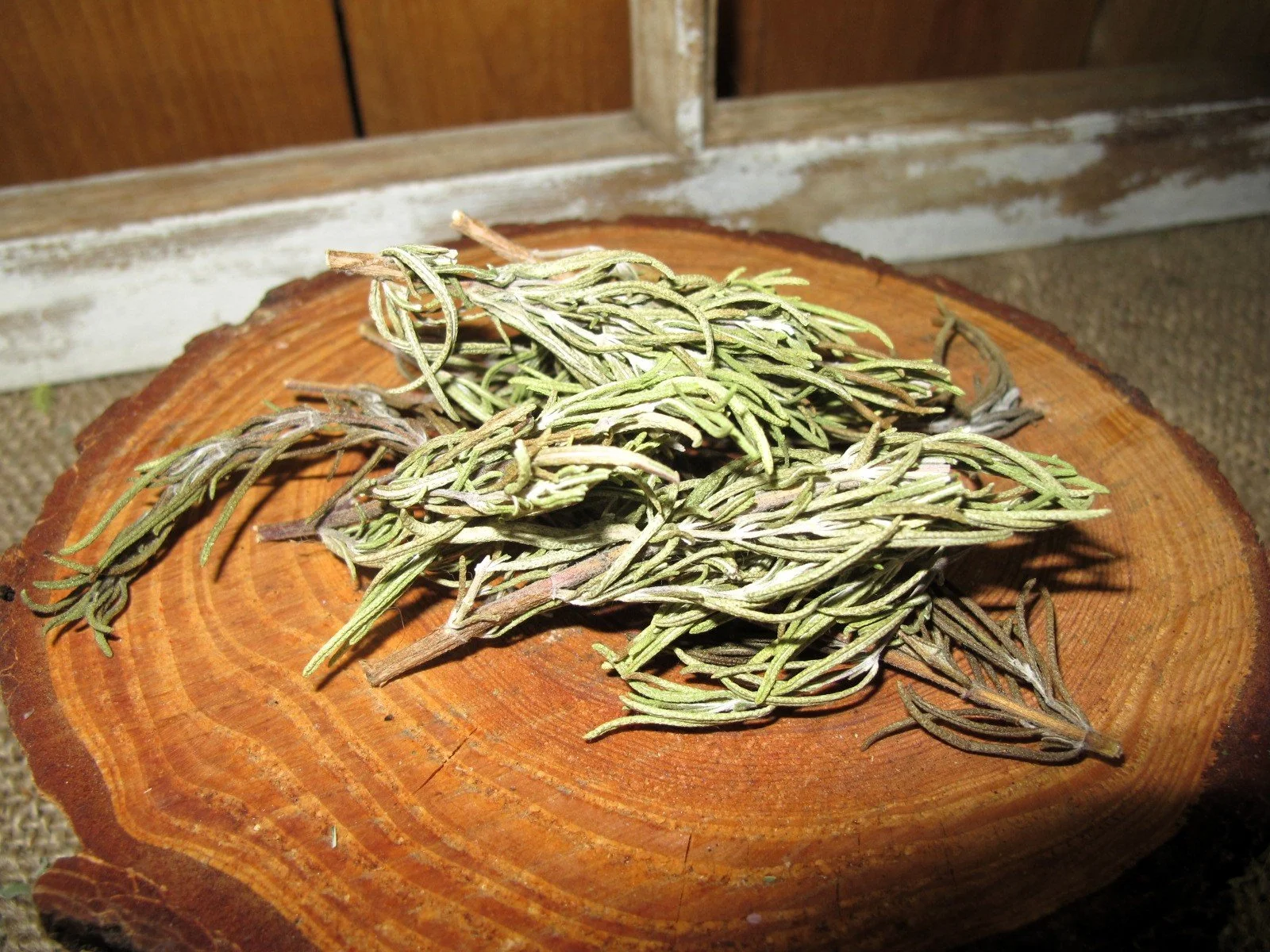
Rosemary (Salvia rosmarinus)
Personality: Rosemary is the alert sentinel of the mint family — bright-minded, purposeful, and invigorating, with a presence that sharpens focus and clears mental fog.
Flavor & Aroma: Piney, resinous, aromatic
Overall Character: Stimulating, clarifying, and warming
Rosemary is a distinctive member of the mint family, recognized for its strong, evergreen scent and upright growth. More stimulating than sage and more assertive than most mints, it brings clarity and momentum, making it best suited for moments that call for alertness and intention.
Common Pairings: Pairs well with sage, thyme, oregano, lemon balm, and gentler mints that balance its intensity.
Good to Know: Rosemary is a good choice if you want a mint-family plant that feels energizing and mentally clarifying, and if you enjoy bold, aromatic flavors.
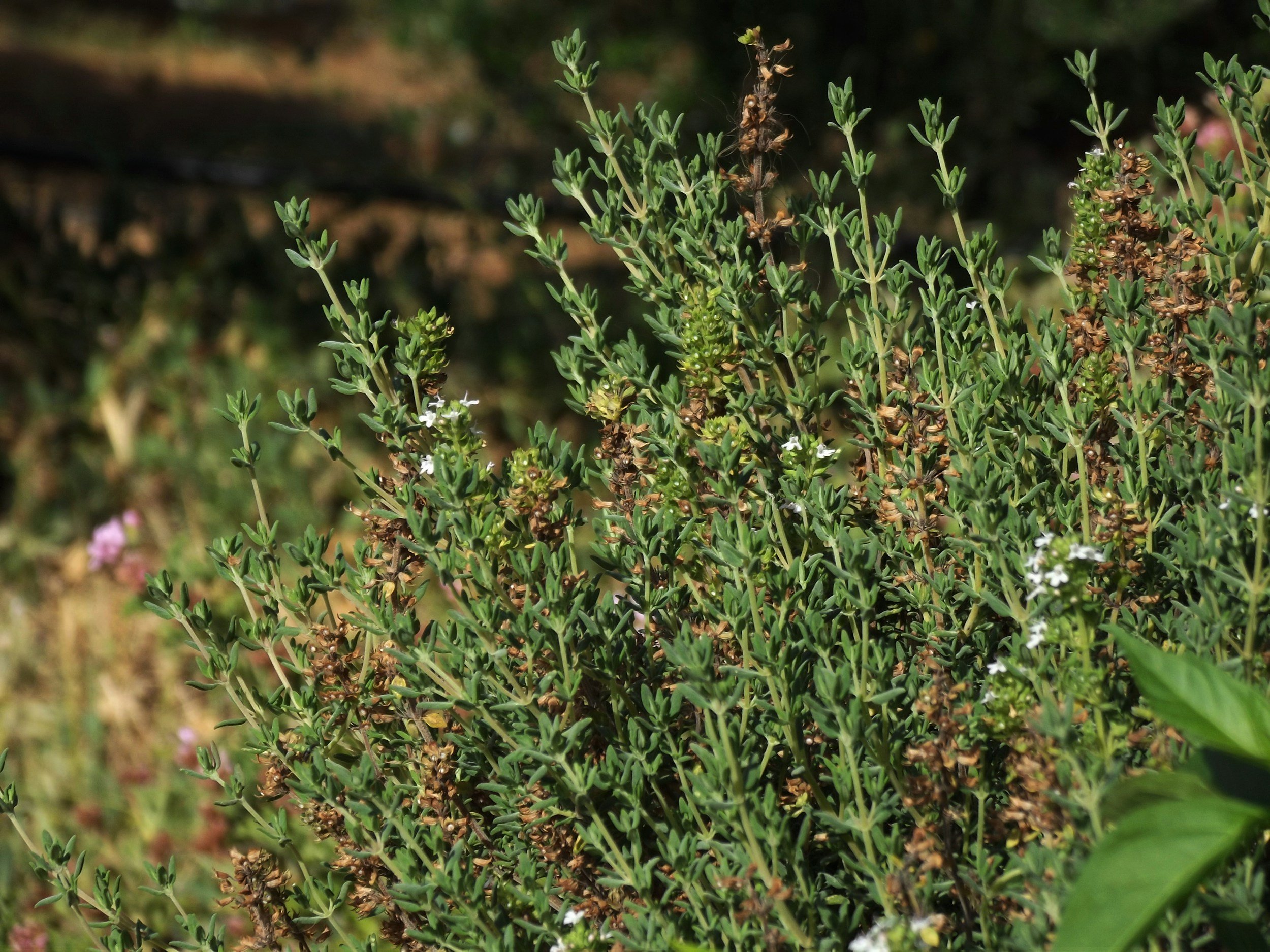
Thyme (Thymus vulgaris)
Personality: Thyme is the quiet strength of the mint family — steady, resilient, and supportive, offering warmth and reassurance without demanding attention.
Flavor & Aroma: Earthy, slightly peppery, aromatic
Overall Character: Grounding, steadying, and gently warming
Thyme is a compact but powerful member of the mint family, valued for its balance of warmth and subtlety. Less bold than oregano and less sharp than rosemary, it brings a calm, stabilizing presence that blends easily without overpowering other herbs.
Common Pairings: Pairs well with oregano, rosemary, sage, lemon balm, and softer mints that round out its earthy notes.
Good to Know: Thyme is a good choice if you want a grounding mint-family plant that feels steady and supportive, and if you appreciate herbs that work quietly in the background.
Other Mints to Consider
(not currently offered at Heart of Rock Farm, but possibly available in the future)
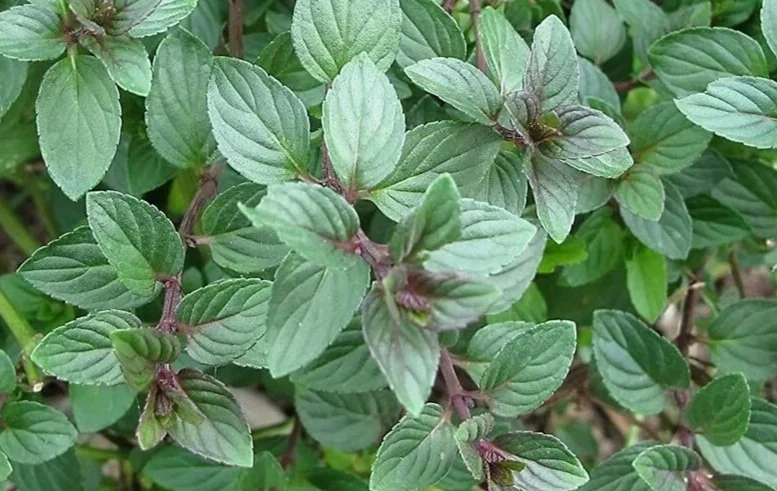
Chocolate Mint (Mentha × piperita ‘Chocolate’)
A peppermint variety with soft cocoa undertones. Often used in desserts, teas, and novelty plantings. Tastes like a refreshing, spicy peppermint with subtle hints of cocoa and vanilla.
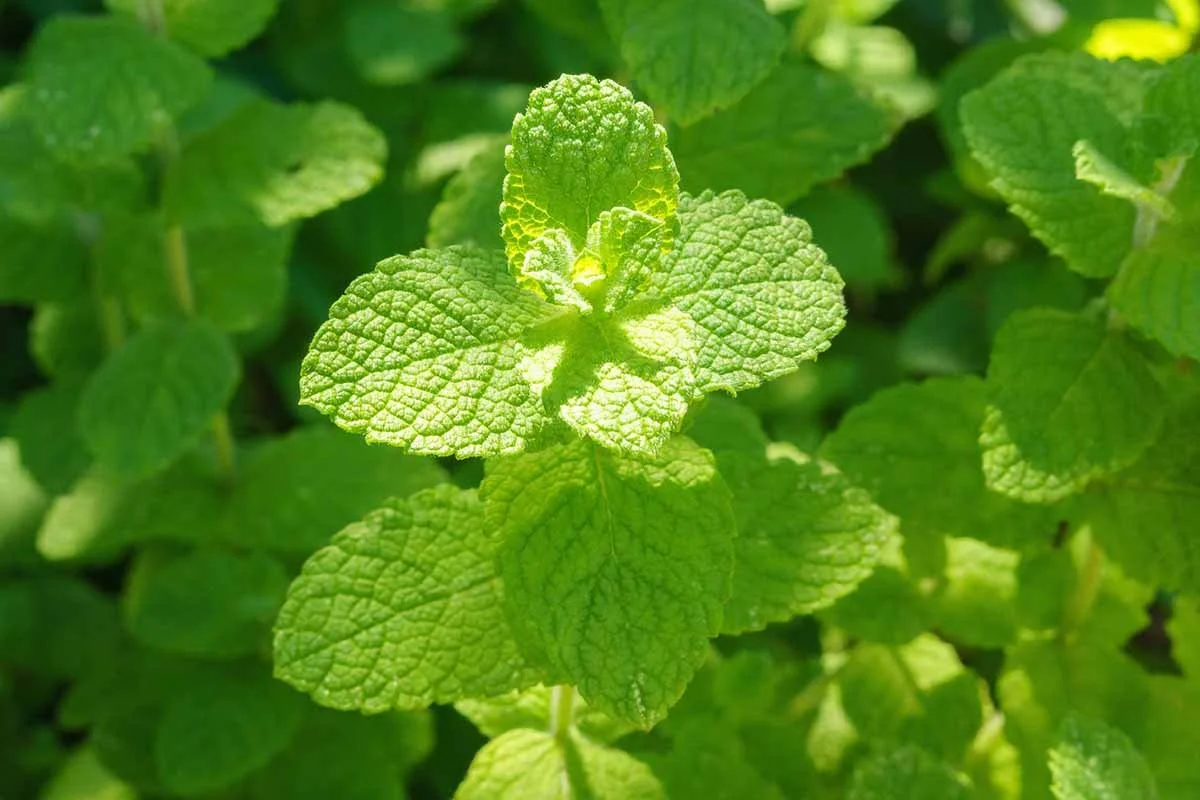
Apple Mint (Mentha suaveolens)
Mild, fuzzy-leaved, and lightly fruity. Traditionally used fresh and valued for its gentle flavor. Tastes like a milder, sweeter, and fruitier version of traditional mint, with distinct notes of apple and a pleasant, soothing flavor that's less sharp than peppermint.
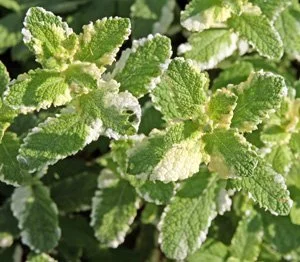
Pineapple Mint (Mentha suaveolens ‘Variegata’)
A variegated apple mint with a bright aroma. Tastes like a fresh, mild mint with a distinct sweet, fruity flavor reminiscent of pineapple.
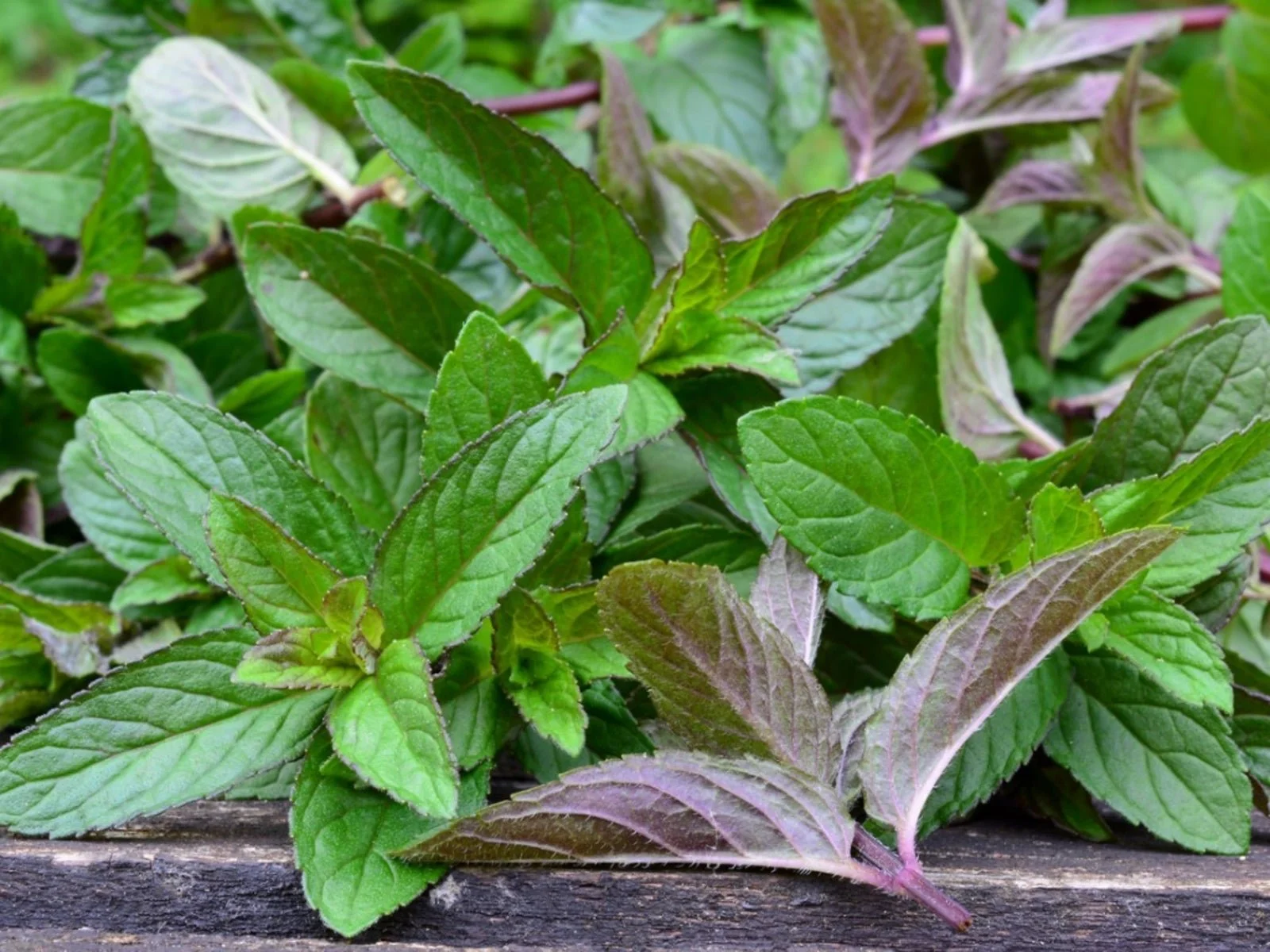
Water Mint (Mentha aquatica)
An ancestral mint species found near water sources. Strongly aromatic. Flavor can vary in intensity, ranging from mild to strong peppermint, and containing hints of turpentine and citrus oil, with a slightly bitter aftertaste.
When deciding which mint to work with, consider:
Strength vs. gentleness (peppermint vs. spearmint or lemon balm)
Everyday use vs. occasional use
Flavor preferences (cooling, sweet, lemony, earthy)
Garden behavior (all mints spread, but some wander faster than others)
On the farm, mints remind us to enjoy abundance while tending boundaries thoughtfully.
Choosing the Right Mint
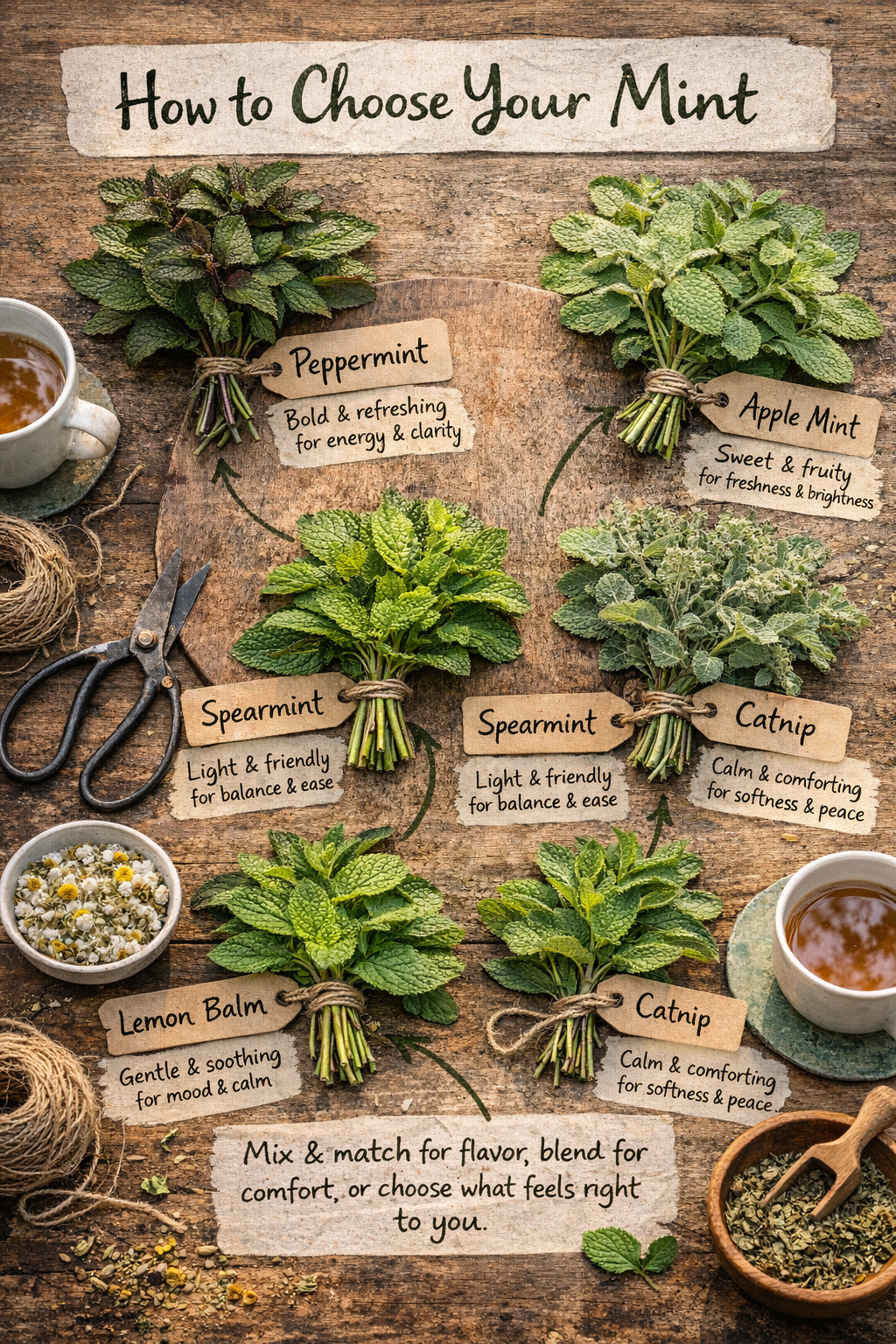
Individual mint profiles explore each plant’s traditional uses and personality. Follow the links attached to each herb name (above) for more detail.
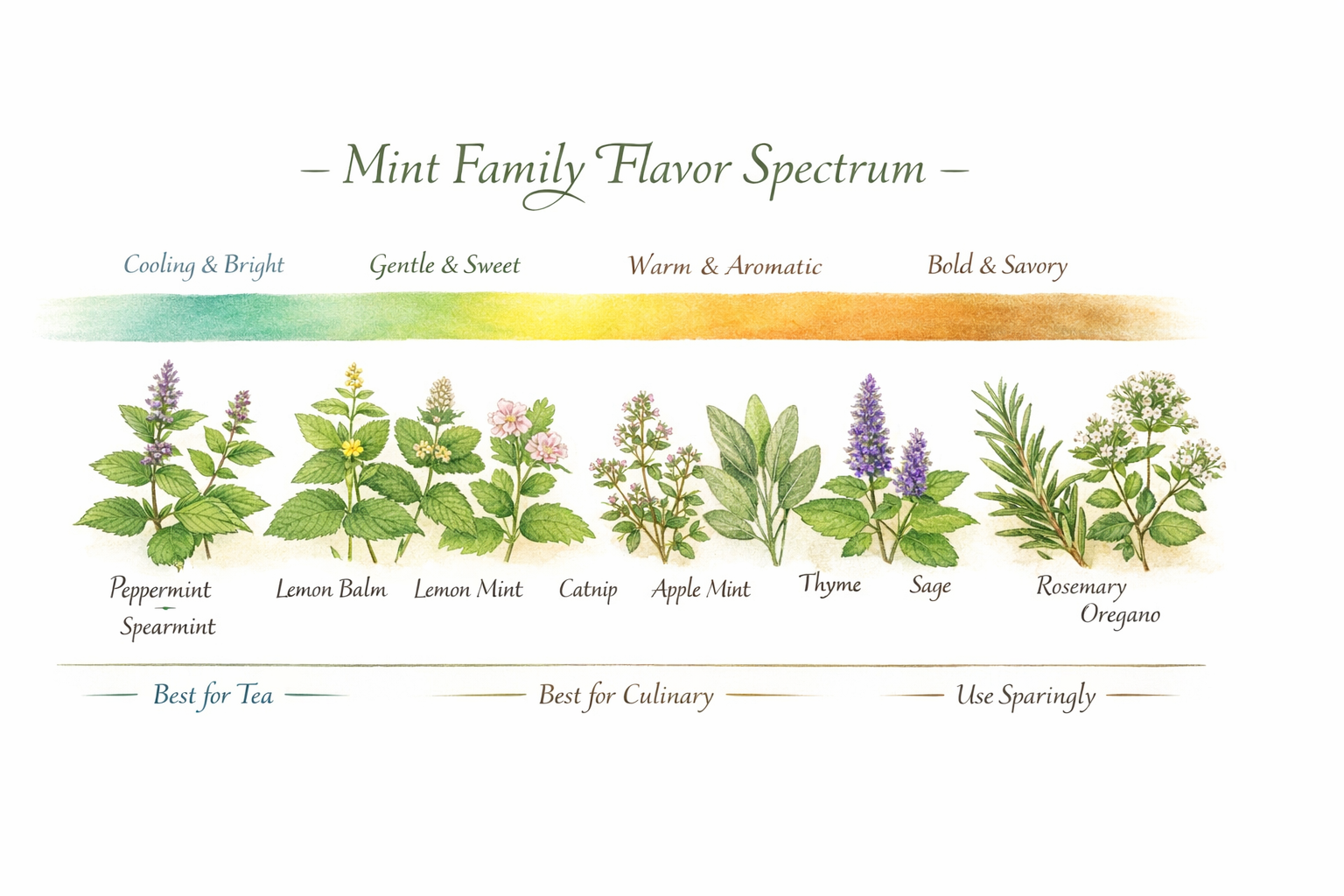
Herbal Profiles
Learn more about individual herbs