
Herbal Profile
Cherry & Cherry Blossom
Prunus spp.
Family: Rosaceae (Rose family)
Also known as: Sweet cherry, sour cherry (varies by species)
At a Glance
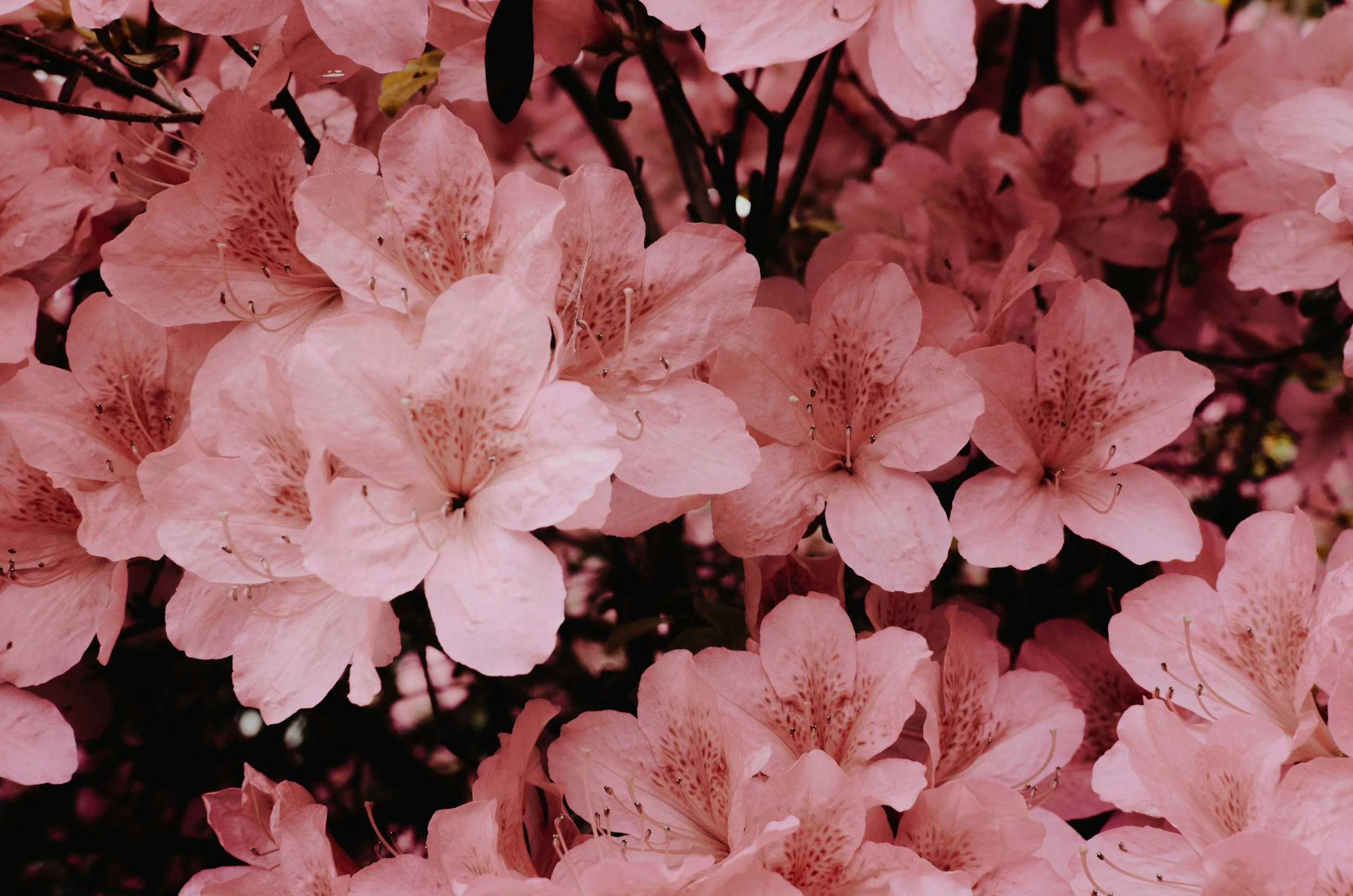
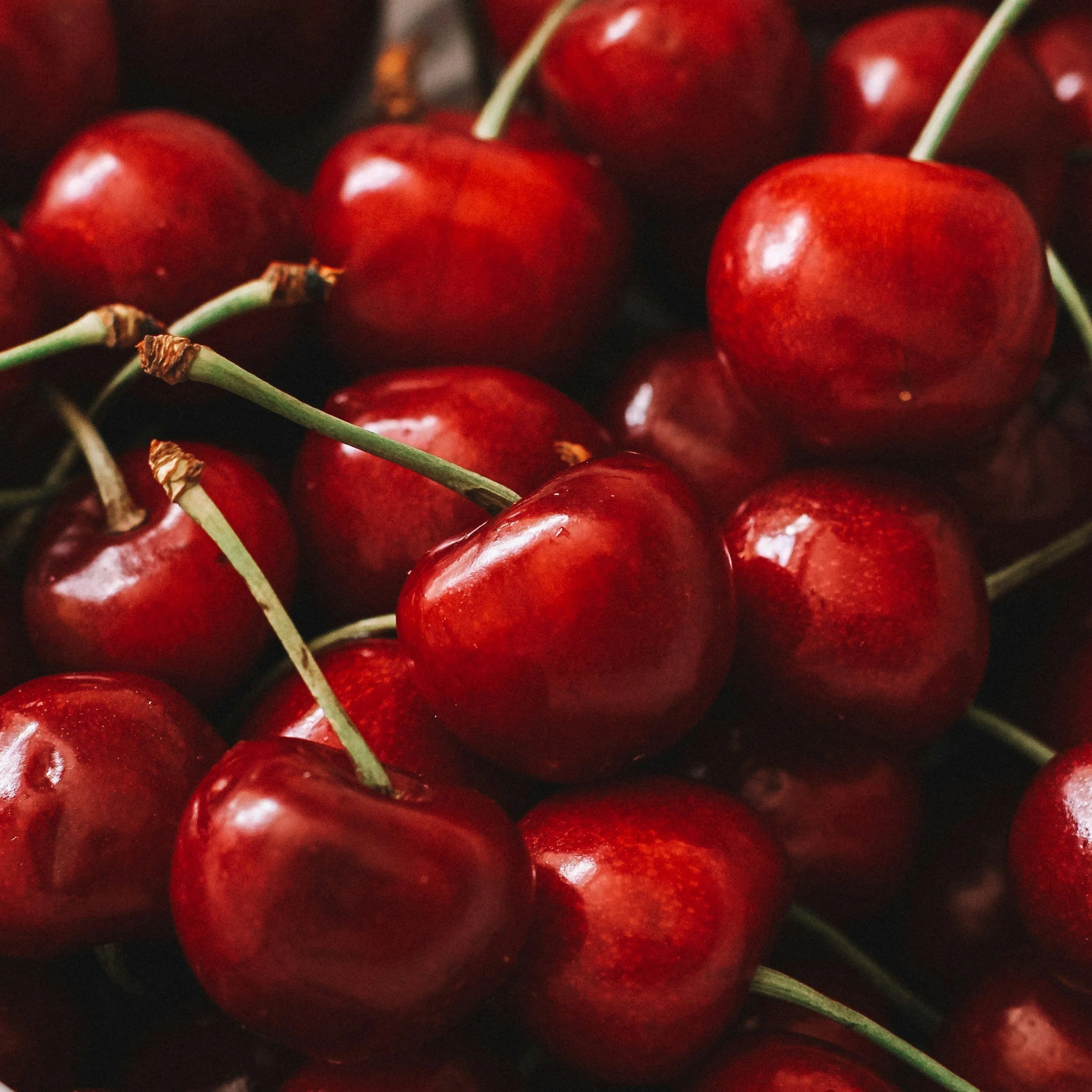
Cherry is a long-lived deciduous tree known for its delicate spring pink or white blossoms and richly flavored summer fruit. Across cultures, it has been valued for both beauty and nourishment, with blossoms and fruit playing distinct roles in culinary, medicinal, and symbolic traditions. While cherries are widely enjoyed as food, the blossoms are more often associated with seasonal rituals, visual beauty, and gentle infusions.
Cherry is most commonly associated with Culinary, Medicinal, Metaphysical/ Spiritual, Cosmetic, Artistic/Crafting and Herbal Tea uses.
Read to the end for all details.
Cherry has been appreciated in many traditions as both a nourishing food plant and a symbol of seasonal transition. Its uses vary significantly depending on whether one is working with the fruit, blossoms, or other parts of the tree, as described below.
Traditional & Common Uses
-

Culinary
Fruit:
Cherries have a long history as a beloved seasonal food. Traditionally used in: Fresh eating, Preserves, jams, and pies, Syrups, cordials, and wines, Dried fruit preparations.
Sweet cherries are typically eaten fresh, while sour cherries are often used in cooking and preserving. Their flavor ranges from bright and tart to deep and richly sweet.
Blossoms:
Cherry blossoms are used more delicately and sparingly. Traditionally: Preserved in salt or sugar (notably in Japanese traditions), Used as a garnish or decorative element, Occasionally infused into sweets or beverages. Their flavor is subtle, lightly floral, and slightly almond-like.
-
Medicinal
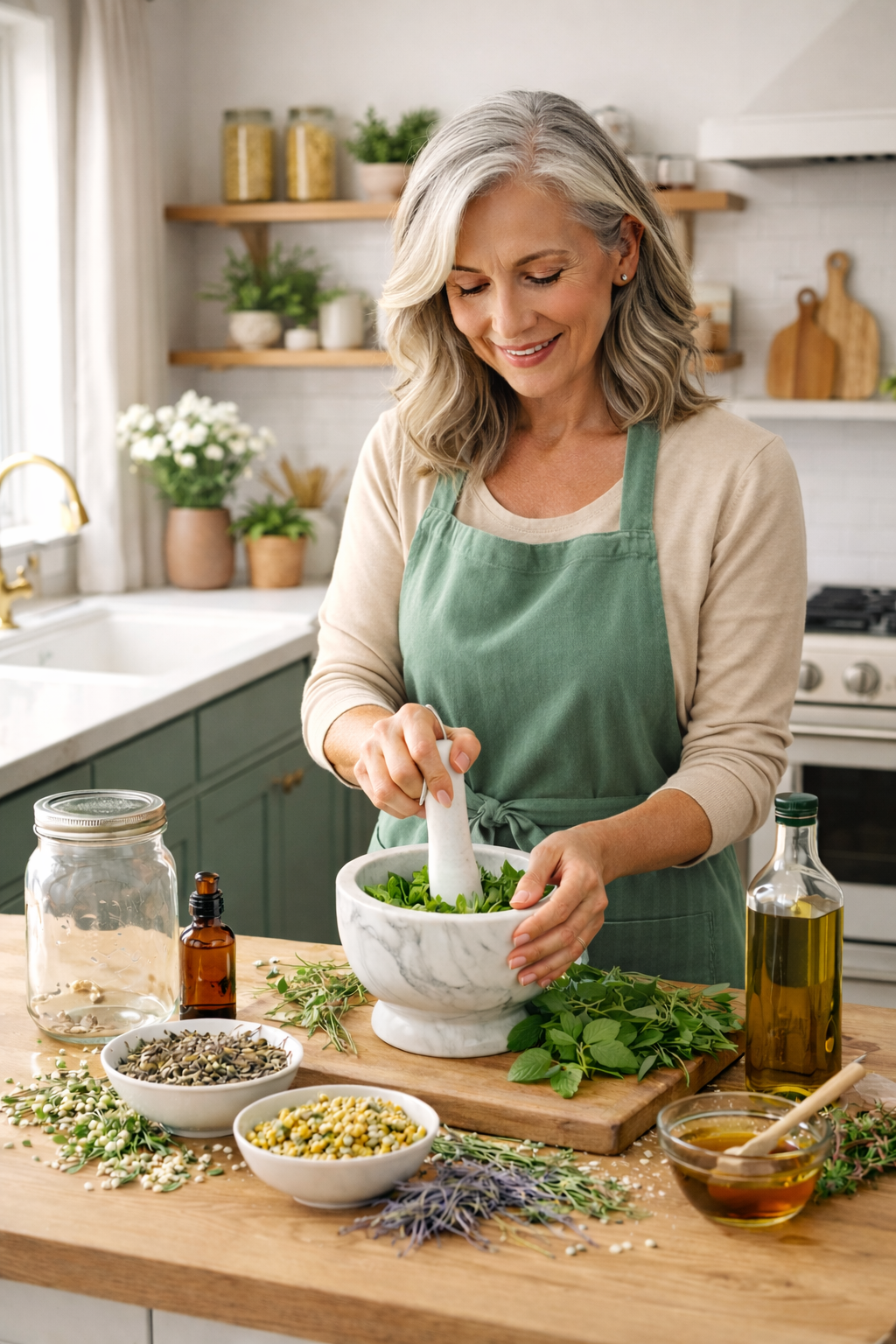
Cherry has a modest but notable presence in traditional herbalism, especially in relation to the fruit and its byproducts.
Fruit:
Traditionally associated with: General nourishment, Seasonal enjoyment and hydration, Inclusion in restorative foods. In some traditions, cherries have been valued for their deep color and richness as part of a varied diet.Blossoms:
Occasionally used in: Gentle infusions, Light floral preparations. Their role is typically mild and supportive rather than strongly medicinal. -
Metaphysical/Spiritual
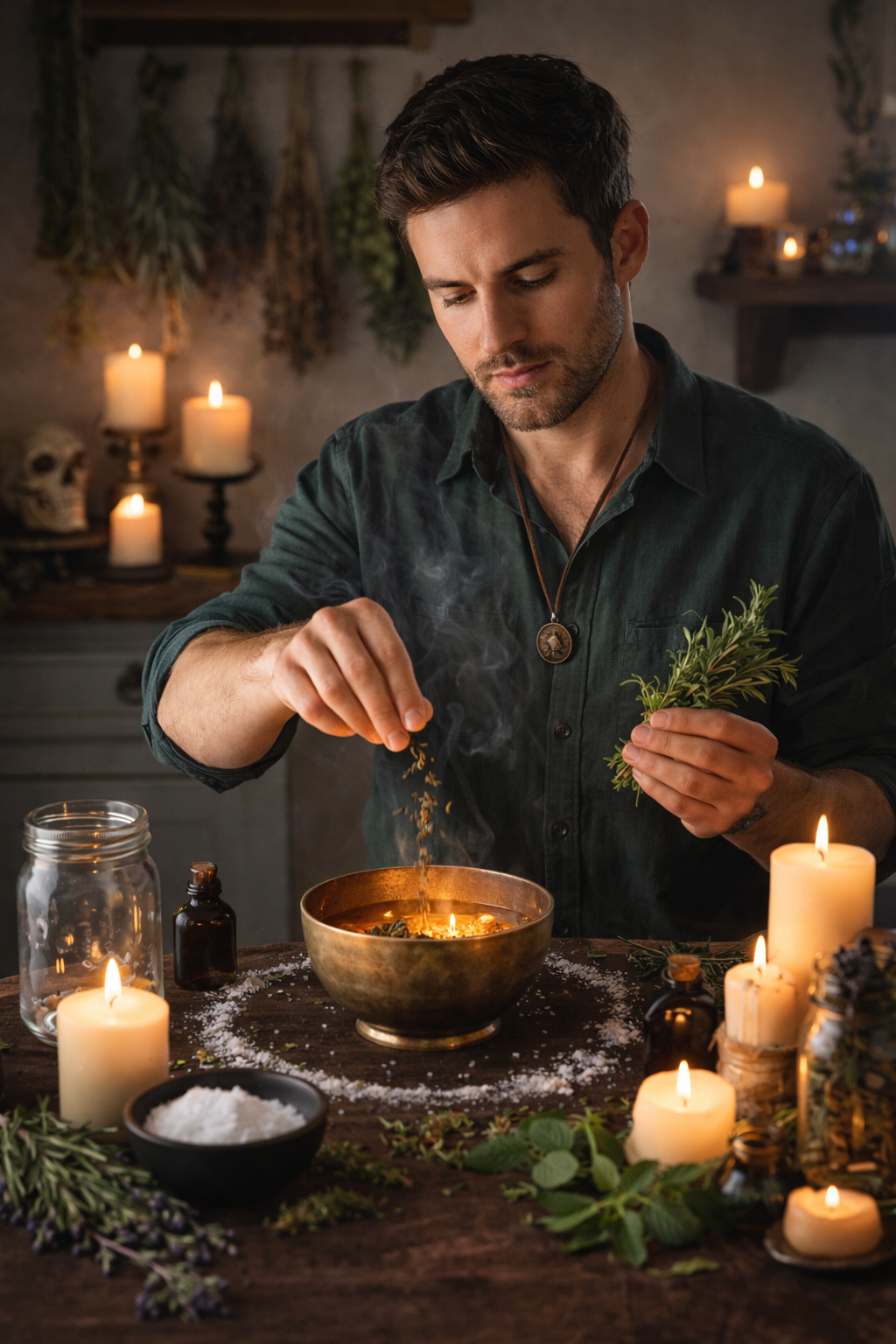
Cherry carries strong symbolic meaning, especially centered around time, beauty, and impermanence.
Ephemeral Beauty: Blossoms bloom briefly and fall quickly, Symbol of fleeting moments and appreciation.
Renewal & Presence: Marks the arrival of spring, Encourages awareness of the present moment.
Joy & Sensory Pleasure: Fruit associated with sweetness, pleasure, and celebration.
In ritual or symbolic use: Blossoms may be used in seasonal altars or ceremonies. Fruit may represent abundance and gratitude.
Cherry invites both celebration and reflection — a reminder to enjoy what is present while it lasts.
-

Artistic / Crafting
Cherry is widely appreciated for its visual and seasonal qualities.
Blossoms:
Featured in spring arrangements, Pressed for botanical art, Used in cultural and ceremonial displays.
Branches:
Cut and brought indoors to force early bloom, Used in seasonal décor.
Fruit:
Adds color and texture in culinary presentation, Occasionally used in natural dye experiments.
-

Cosmetic
Cherry has appeared in gentle, sensory-focused preparations.
Fruit:
Occasionally used in masks or rinses, Valued for color and freshness.
Blossoms:
Infused into floral waters or oils, Used for fragrance and aesthetic appeal.
-
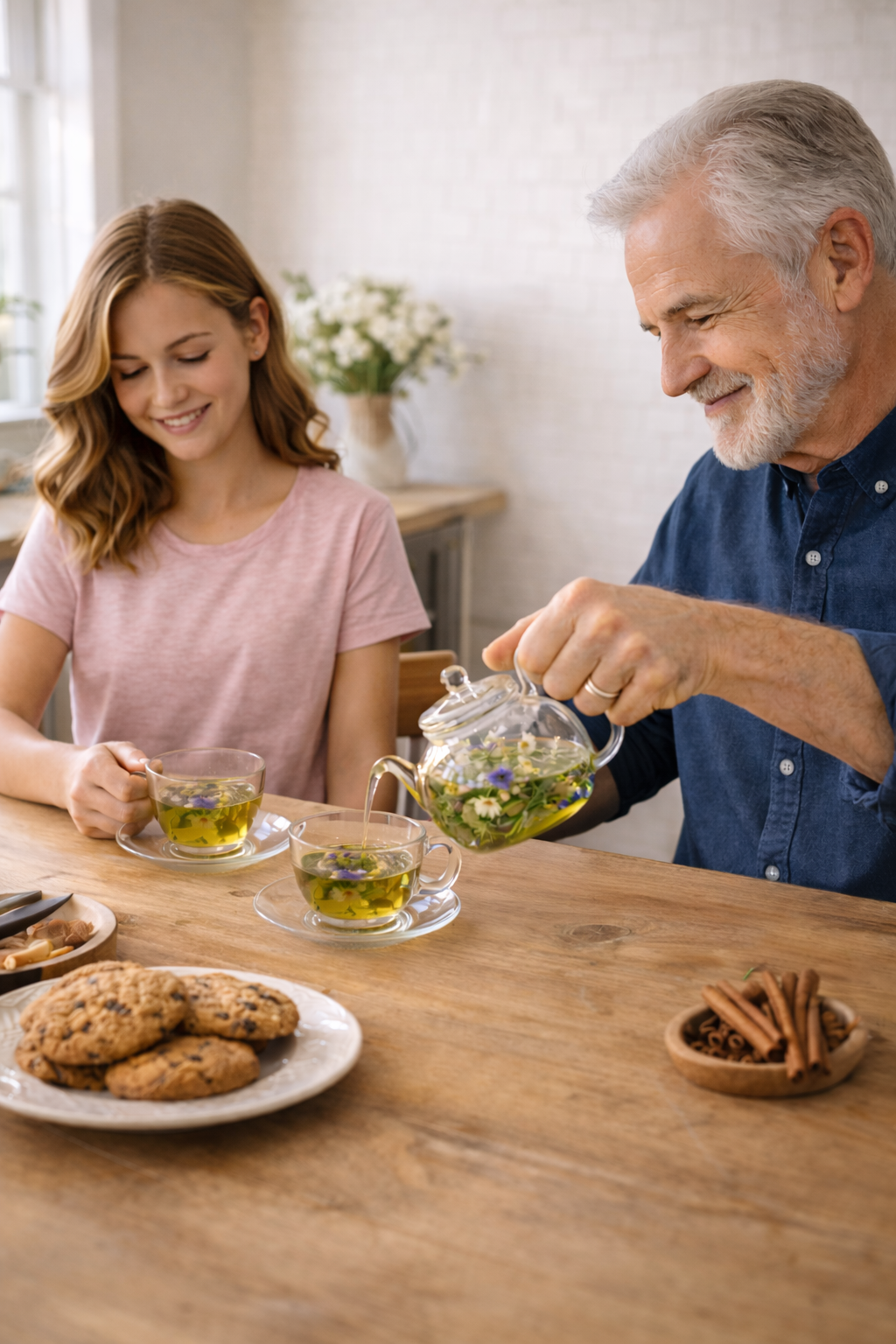
Herbal Teas
Cherry offers different tea experiences depending on the part used.
Fruit: Can be dried and used in fruit teas. Adds sweetness, color, and body.
Blossoms: Light, floral infusion, Best blended with rose, chamomile, or green tea.
Cherry is generally used as a supporting ingredient rather than a dominant tea herb.
Our Current Relationship With This Plant
Cherry trees bring rhythm to the farm — blossoms marking the beginning of spring, and fruit signaling the fullness of early summer. We’re especially drawn to the fleeting nature of the blooms, which invite us to slow down and notice what’s present before it passes.
Working with cherry feels less about abundance and more about timing — noticing when to gather, when to appreciate, and when to simply let the moment unfold.
Learn more about how we grow and harvest our herbs, flowers & fruit.
Typical Availability
Spring: Fresh blossoms, flowering branches
Early Summer: Fresh cherries
Year-round: Dried blossoms (as available)
Form: Fresh fruit, fresh & dried blossoms (limited)
Visit the Shop Cherry & Cherry Blossoms page for current availability.
A Gentle Reminder
While cherry fruit is widely enjoyed as food, other parts of the plant require caution.
Seeds, leaves, and bark of Prunus species contain compounds that can release cyanogenic substances. These parts should not be consumed without proper knowledge and preparation.
Use blossoms in moderation.
Information here reflects traditional use, observation, and personal experience, shared for educational purposes. How a plant is used —or whether it’s appropriate for you— can vary. Please be mindful of allergies. Research individual herbs thoroughly and consult a qualified professional when needed.
INDEX:
nourishment, seasonal, restorative foods, cherry, cherries, deep red color, richness, flowers, blossoms, pink, white, gentle infusion, light floral preparations, hydration, time, beauty, impermanence, ephemeral beauty, fleeting moments, appreciation, renewal, presence, arrival of spring, sweetness, pleasure, celebration, ritual, seasonal altars ceremonies decor, abundance, gratitude, celebration, reflection, enjoy present while it lasts, spring arrangements, pressed, botanical art, cultural ceremonial display, cherry branches, color, texture culinary presentation, natural dye, sensory-focused preparations, masks, rinses, floral waters oils, fragrance